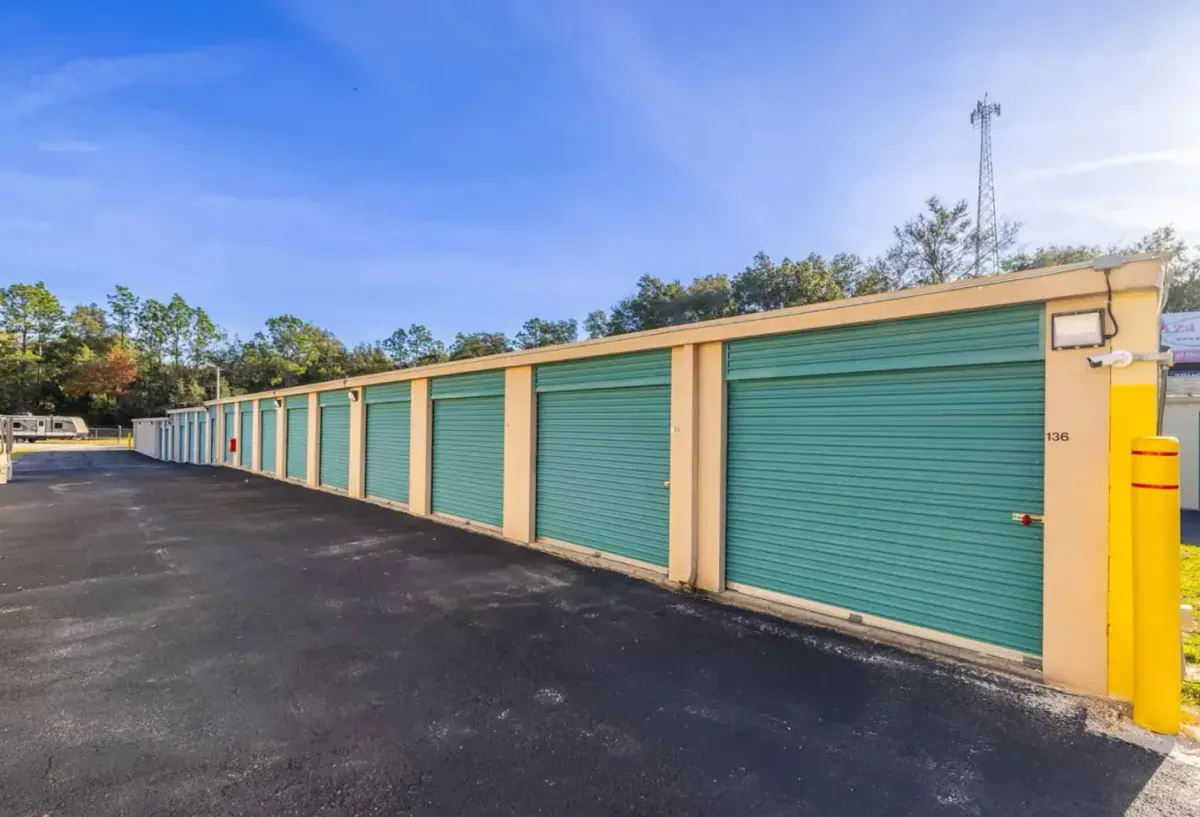
Comprehensive Guide to Renting Storage Units in Gainesville, FL (2026)
Finding the right storage units in Gainesville, FL, requires balancing proximity to the University of Florida with the protective necessity of climate control. In 2026, the local market offers diverse options ranging from student-focus...
Finding the right storage units in Gainesville, FL, requires balancing proximity to the University of Florida with the protective necessity of climate control. In 2026, the local market offers diverse options ranging from student-focused lockers to expansive commercial spaces, with pricing heavily influenced by seasonal academic cycles and specific facility security features.
Contents
Understanding the Gainesville Storage Market in 2026
The storage industry in Gainesville is uniquely shaped by its identity as a major university town. With a fluctuating population of over 60,000 students and a growing permanent resident base, the demand for self-storage follows a predictable but intense seasonal pattern. In 2026, supply has expanded significantly along the Southwest 34th Street and Archer Road corridors, yet availability remains tight during the peak "move-out" months of May and August.
For those seeking storage units in Gainesville, FL, the primary challenge is not just finding space, but finding the right space at a competitive rate. The market is currently dominated by national REITs (Real Estate Investment Trusts) such as Public Storage and Extra Space Storage, alongside several locally owned facilities that often provide more flexible month-to-month terms. Understanding the nuances of the local climate and urban layout is essential before signing a rental agreement.
The Critical Importance of Climate Control in North Central Florida
In Gainesville, the decision between a standard drive-up unit and a climate-controlled unit is rarely a matter of preference; it is a matter of preservation. North Central Florida experiences high humidity levels year-round, frequently exceeding 80% during the summer months. Without active temperature and humidity regulation, sensitive items are prone to irreversible damage.
Protecting Against Mold and Mildew
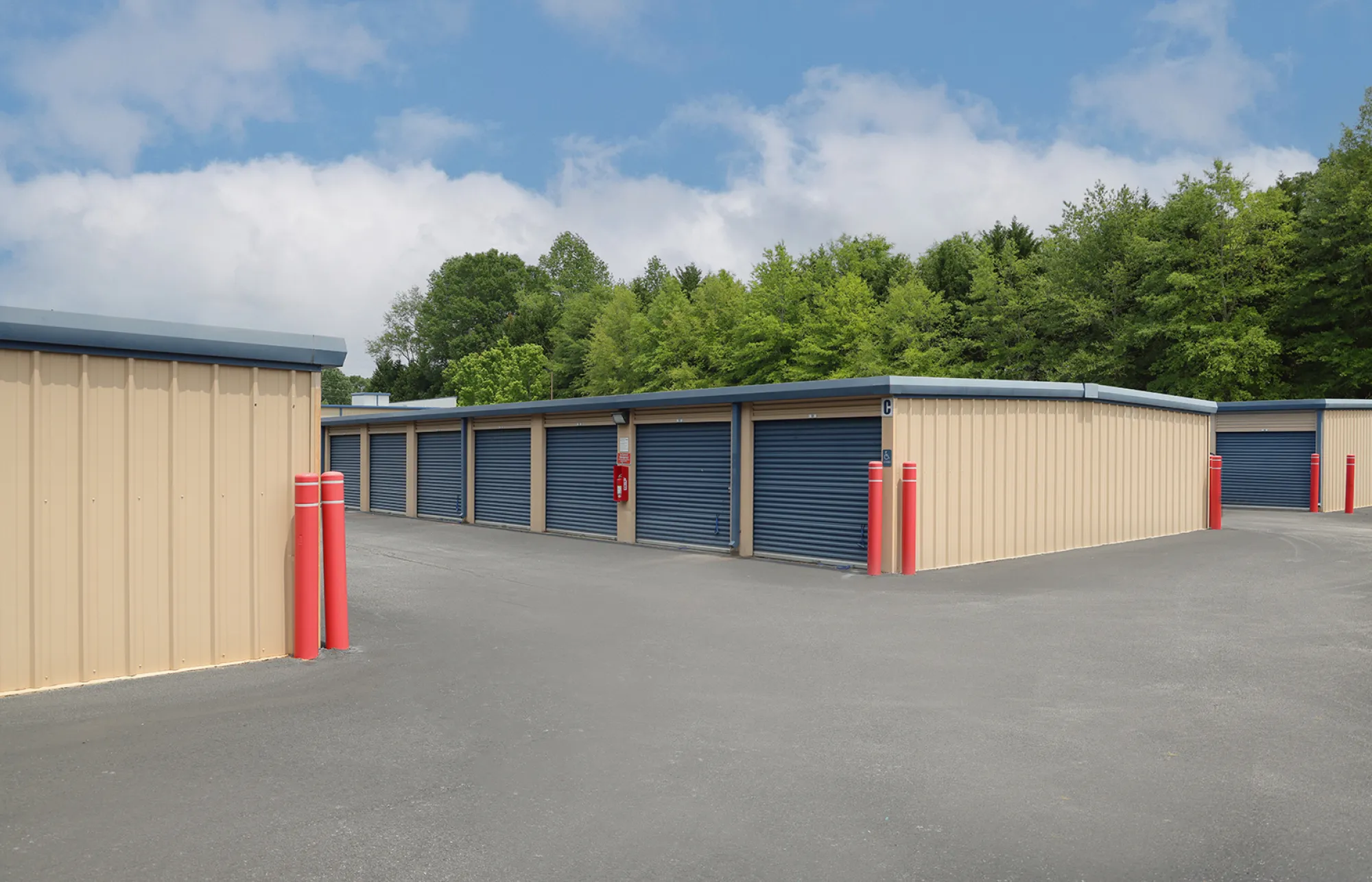
Standard units are essentially metal boxes that can reach internal temperatures exceeding 120°F during a Florida summer. This heat, combined with ambient moisture, creates a breeding ground for mold and mildew. If you are storing upholstered furniture, mattresses, clothing, or paper documents, climate-controlled storage units in Gainesville, FL, are mandatory to prevent fungal growth.
Safeguarding Electronics and Antiques
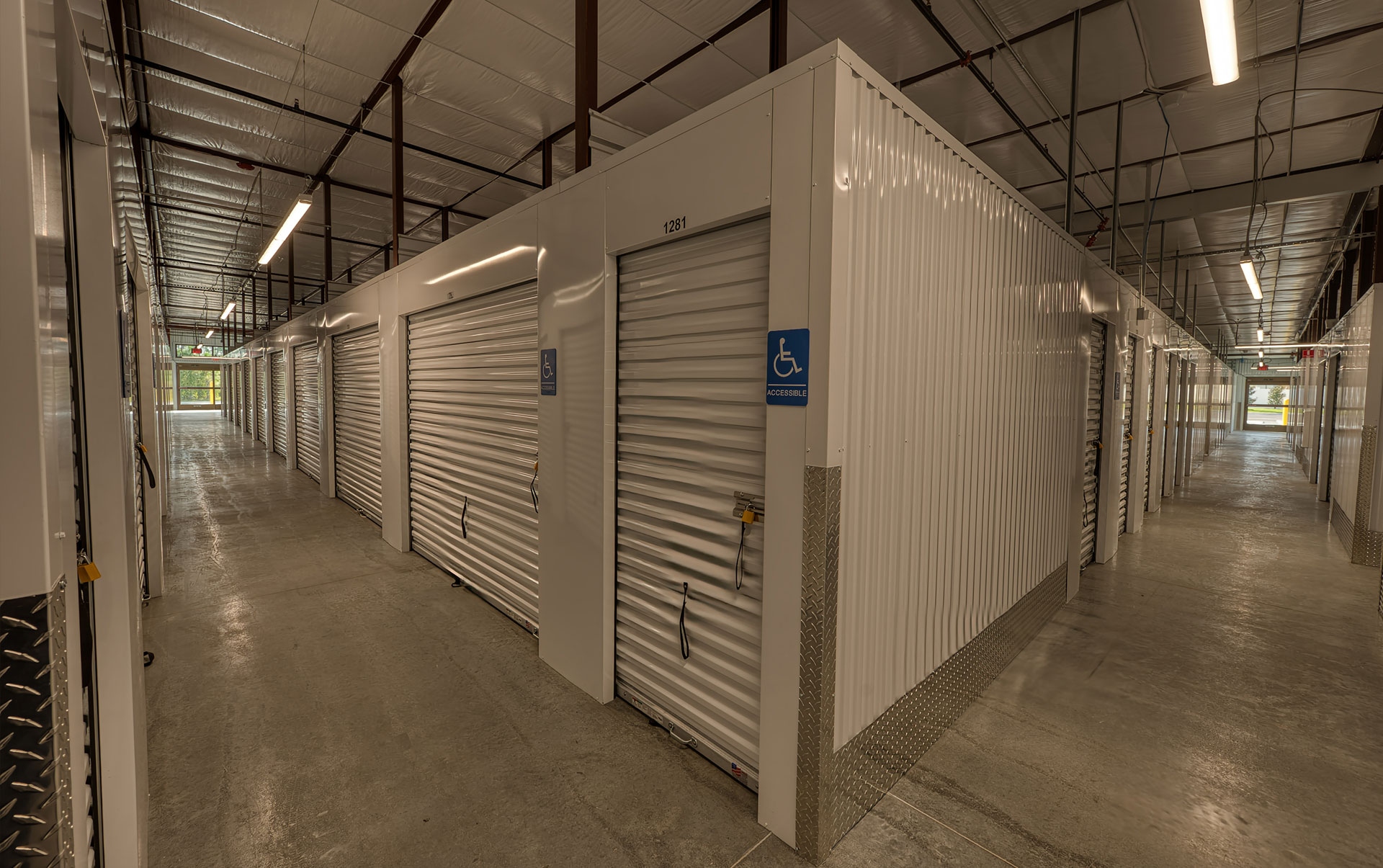
Fluctuating temperatures cause materials like wood and plastic to expand and contract. For residents storing high-end electronics, musical instruments, or heirloom wooden furniture, a climate-controlled environment maintains a steady range (typically between 55°F and 80°F). This stability prevents wood from cracking and sensitive circuit boards from corroding due to condensation.
Strategic Locations and Accessibility
Location is a primary driver of cost for storage units in Gainesville, FL. The city is generally divided into several storage "zones," each catering to different demographics:
- The University Core: Facilities located near West University Avenue and the 13th Street intersection command the highest premiums. These are ideal for UF students who may not have personal transportation and need to access their belongings via bicycle or public transit (RTS).
- Southwest/Archer Road Corridor: This area features a high density of modern, multi-story facilities. It is popular with graduate students and healthcare professionals working at UF Health Shands or the VA Hospital.
- Northwest Gainesville: Storage here often serves established residential neighborhoods. These facilities frequently offer larger drive-up units suitable for homeowners undergoing renovations or storing outdoor equipment.
- East Gainesville and Airport Region: Generally, these facilities offer the most competitive rates. They are better suited for long-term storage where frequent access is not required, or for business inventory storage.
Comprehensive Unit Size and Pricing Guide for 2026
Selecting the correct size prevents you from paying for unused air or, conversely, being forced to upgrade at the last minute. The following table outlines standard sizes available in the Gainesville market as of 2026, along with typical capacity and current estimated monthly ranges.
| Unit Size | Equivalent Space | Typical Items Stored | Est. Monthly Rate (2026) |
|---|---|---|---|
| 5' x 5' | Small Walk-in Closet | 10–15 boxes, small desk, chair, suitcase | $45 – $75 |
| 5' x 10' | Large Walk-in Closet | Mattress set, dresser, several large boxes | $70 – $110 |
| 10' x 10' | Half of a Standard Garage | Furniture for a 1-bedroom apartment | $125 – $185 |
| 10' x 15' | Three-quarters Garage | Contents of a 2-bedroom house | $160 – $220 |
| 10' x 20' | Standard One-Car Garage | Contents of a 3-bedroom house, or a vehicle | $210 – $290 |
| 10' x 30' | Extended Garage | Contents of a 4-5 bedroom home, large boat | $300 – $420 |
Note: Prices reflect Gainesville market averages for 2026 and are subject to change based on specific facility amenities and real-time occupancy.
Essential Security Features to Verify
When evaluating storage units in Gainesville, FL, security should be a non-negotiable priority. Modern facilities in 2026 have moved beyond simple padlocks and chain-link fences. When touring a facility, look for the following:
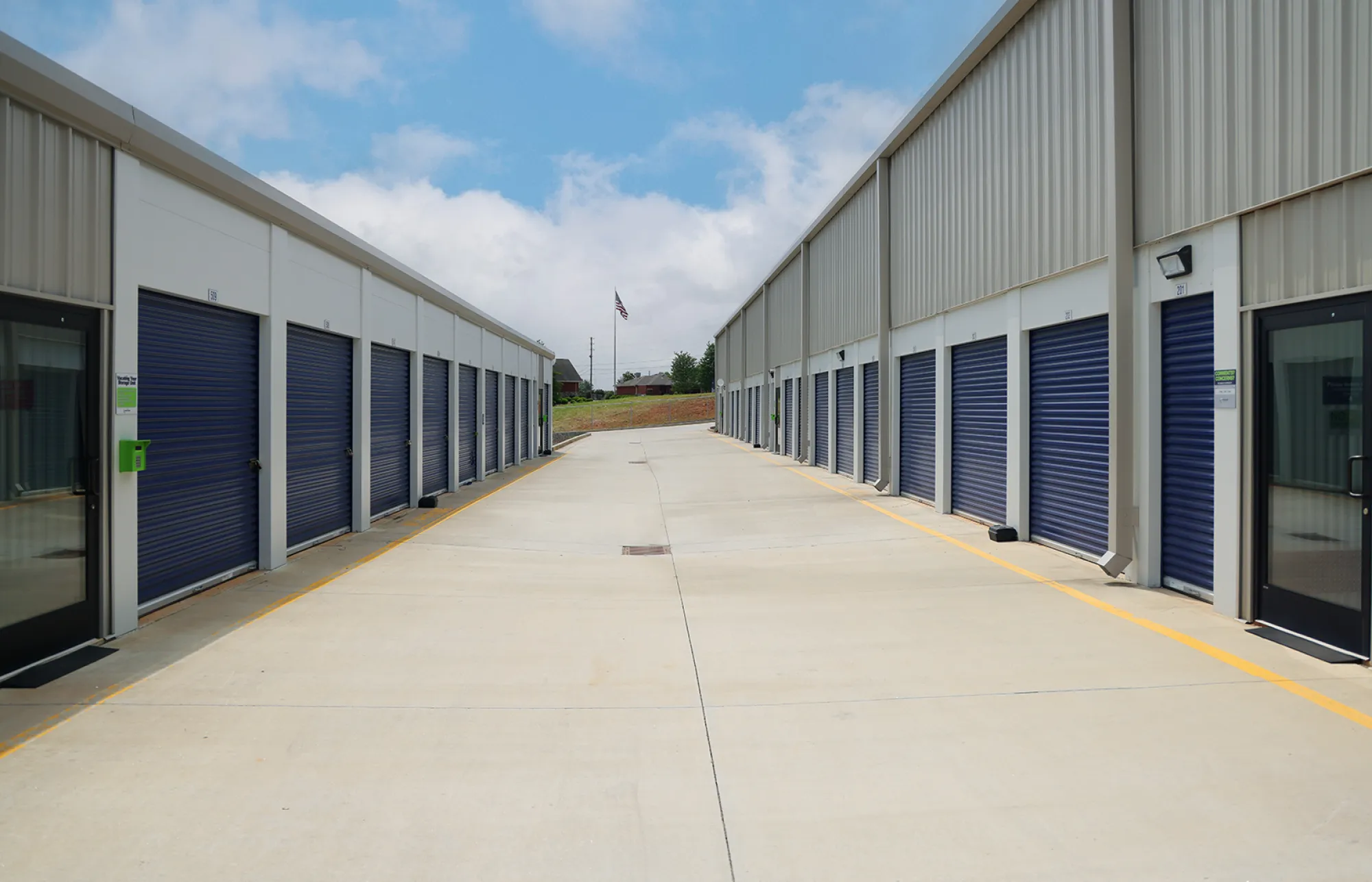
- Electronic Gate Access with Individual Codes: This ensures that the facility knows exactly who is entering and exiting the premises at any given time.
- Video Surveillance: High-definition cameras should be positioned not just at the entrance, but throughout the hallways and at every corner of the property. Ask if the footage is monitored live or merely recorded for review.
- Individual Unit Alarms: Some premium facilities in Gainesville now offer units that are individually alarmed. If the door is opened without your specific code being entered at the gate, the facility manager is immediately notified.
- On-Site Management: Facilities with a resident manager or a staffed office during business hours provide an extra layer of deterrence against unauthorized activity.
- Lighting: Proper LED lighting in all corridors and around the perimeter is vital for safety, especially if the facility offers 24-hour access.
Logistics: Insurance, Contracts, and Access
Renting a storage unit involves a legal agreement that outlines your rights and responsibilities. In 2026, most Gainesville facilities have transitioned to fully digital leasing processes, allowing you to sign contracts and manage payments via smartphone apps.
Insurance Requirements
Most reputable storage providers in Florida require proof of insurance. If your homeowners or renters insurance policy does not cover "off-premises" storage, you will likely need to purchase a tenant protection plan directly from the facility. These typically cost between $10 and $30 per month depending on the coverage limit.
Access Hours vs. Office Hours
It is important to distinguish between office hours and access hours. Office hours are when staff is present to assist with rentals. Access hours are the times you can physically enter the facility to retrieve your items. While many facilities in Gainesville offer 6:00 AM to 10:00 PM access, true 24-hour access is less common and may require an additional fee or a specific "premium" unit type.
Prohibited Items
Florida statutes and standard rental agreements strictly prohibit the storage of certain items. You may not store:
- Perishable items: Food attracts pests and can cause odor issues.
- Flammable or hazardous materials: This includes gasoline, propane tanks, paint thinner, and chemicals.
- Living things: Pets or plants are strictly forbidden.
- Illegal substances: Any contraband or stolen goods.
- Explosives: Including fireworks or ammunition.
Student-Specific Storage Challenges in Gainesville
For the University of Florida and Santa Fe College student body, storage is often a bridge between academic years. Because the demand spikes so sharply in late April and early May, students should consider "early bird" reservations.
Many facilities offer "Student Specials" which may include a free first month or a free move-in truck. However, be cautious of "teaser rates." A unit that starts at $30 may jump to $80 after three months. Read the fine print to see how often the facility can legally increase the rent. Additionally, for students sharing a unit, only one person is usually the primary tenant on the contract. Ensure you have a clear internal agreement regarding payment and access to avoid disputes.
Maximizing Your Storage Space Efficiency
How you pack your unit is just as important as the unit you choose. To make the most of your storage units in Gainesville, FL, follow these professional organization tips:
- Use Uniform Box Sizes: Stacking is much safer and more efficient when boxes are of a similar size. Place heavier boxes at the bottom and lighter ones on top.
- Create an Aisle: Never pack a unit solid from back to front. Leave a small walkway down the center so you can access items in the rear without moving everything else.
- Label Everything: Mark at least two sides of every box with its contents. Use a "Master List" taped to the inside of the unit door for quick reference.
- Disassemble Furniture: Remove legs from tables and store bed frames vertically to save significant floor space.
- Utilize Vertical Space: Most storage units have ceilings 8 to 10 feet high. Don't be afraid to stack upward, provided the stack is stable.
Frequently Asked Questions
Is climate control really necessary for a short-term summer rental in Gainesville?
Yes. Even for a three-month summer break, the Florida heat and humidity can cause mold to form on fabrics and books within weeks. If you are storing anything other than plastic, metal, or glass, climate control is strongly recommended to protect your investment.
Can I store a car or motorcycle in a Gainesville storage unit?
Yes, but you will generally need at least a 10' x 20' unit for a car or a 5' x 10' for a motorcycle. Most facilities require the vehicle to be in working condition, registered, and insured. You may also be required to place a drip pan under the engine to protect the concrete floor.
What happens if I miss a payment on my storage unit?
Florida self-storage laws allow facility owners to place a lien on your property if rent is unpaid. If the account remains delinquent for a specific period (usually 30-60 days), the facility can legally auction your belongings to recoup their losses. Always communicate with management if you anticipate a payment delay.
Are there facilities in Gainesville that offer 24/7 access?
Some facilities do offer 24/7 access, but it is not the industry standard. Most gated facilities restrict access to between 6:00 AM and 10:00 PM to enhance security and discourage unauthorized residents from attempting to live in units, which is strictly prohibited by law.
Should I buy my own lock or use the one provided by the facility?
Most facilities will require you to use a specific type of lock, usually a disc lock. Disc locks are much harder to cut with bolt cutters than standard padlocks. Even if the facility sells them, you are often allowed to bring your own high-quality disc lock to ensure you are the only one with a key.
Final Recommendation for Residents and Students
Before committing to any of the storage units in Gainesville, FL, conduct a physical walkthrough of the facility. Check for cleanliness, the presence of pests, and the responsiveness of the staff. For 2026, the best value is found by booking at least 30 days in advance of the summer rush and prioritizing facilities with robust security features over the absolute lowest price point. Protecting your belongings from the Florida climate and potential theft is a long-term investment that outweighs a few dollars in monthly savings.
Image Gallery