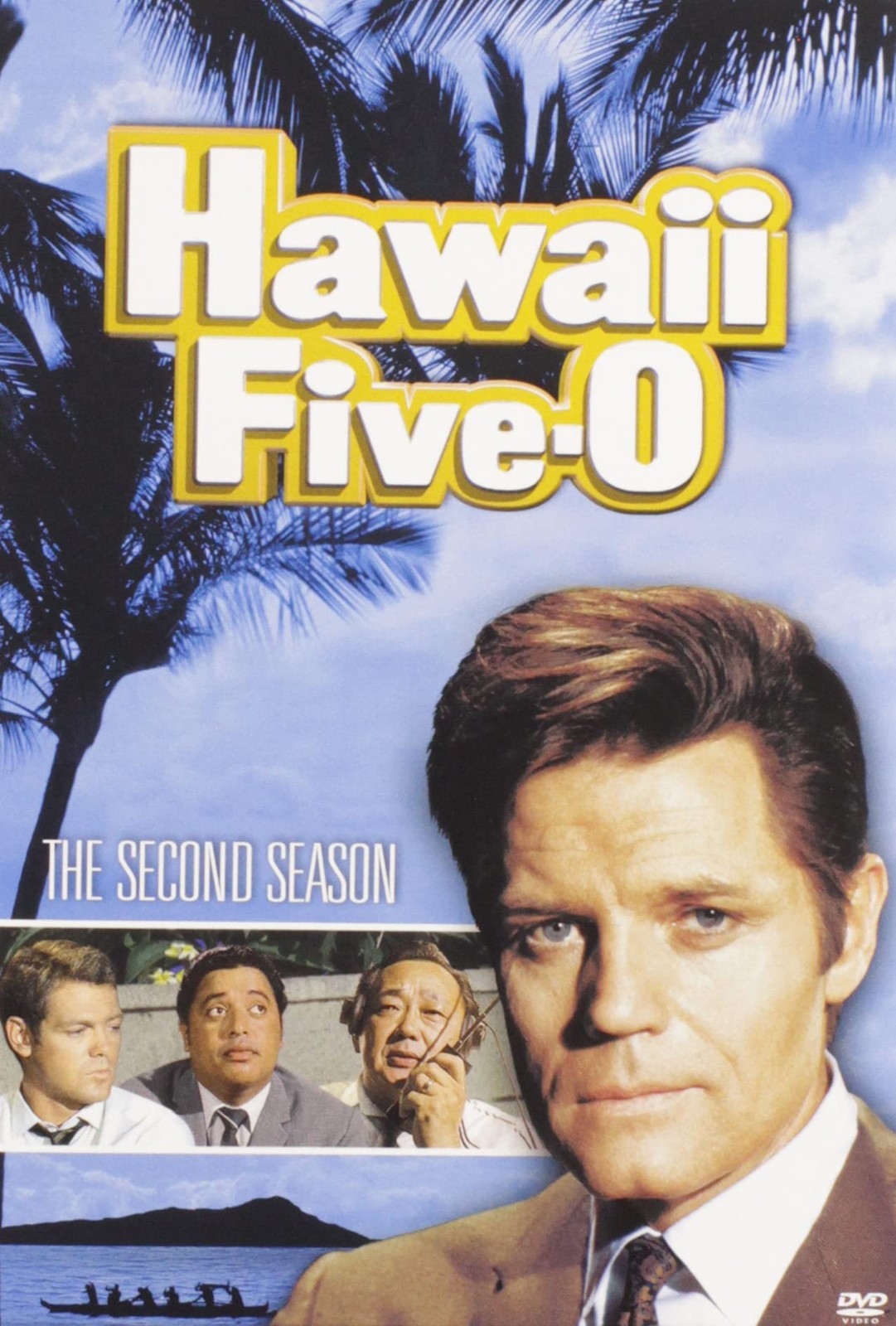
A Comprehensive Legacy of the 12 Seasons of Jack Lord’s Hawaii Five-O
The 12 seasons of the original Hawaii Five-O, starring Jack Lord as the stoic Steve McGarrett, represent one of the most significant achievements in television history. Spanning 281 episodes from 1968 to 1980, the series redefined the...
The 12 seasons of the original Hawaii Five-O, starring Jack Lord as the stoic Steve McGarrett, represent one of the most significant achievements in television history. Spanning 281 episodes from 1968 to 1980, the series redefined the police procedural, popularized location-based filming, and established an enduring cultural shorthand for the Hawaiian Islands.
Contents
The Evolution of a Television Landmark (1968–1980)
When Hawaii Five-O premiered on CBS in September 1968, it was a radical departure from the studio-bound "backlot" dramas of the era. Produced by Leonard Freeman, the show followed an elite state police unit answerable only to the Governor of Hawaii. At its center was Jack Lord, whose portrayal of Steve McGarrett became the template for the modern, uncompromising law enforcement lead.
The series survived a decade of shifting cultural norms, the transition from the Vietnam War era to the disco age, and significant changes in television production technology. By the time it concluded its 12-season run in April 1980, it held the record for the longest-running crime drama on American television, a title it maintained until it was eventually surpassed by Law & Order.
The longevity of the show was rooted in its unique formula: high-stakes international espionage, localized organized crime, and a backdrop of stunning volcanic landscapes and mid-century modern architecture. Unlike other procedurals that felt generic, Hawaii Five-O was inextricably linked to its setting, utilizing the Iolani Palace as the fictional headquarters and bringing the diverse culture of the 50th state to living rooms across the globe.
Detailed Breakdown of the 12 Seasons
Analyzing the 12 seasons reveals a show that evolved from a gritty, noir-influenced thriller into a polished, high-gloss action series. Each era of the show brought different tones and challenges to the Five-O task force.
The Foundation Years (Seasons 1–3)
The early seasons established the core team: Steve McGarrett (Lord), Danny "Danno" Williams (James MacArthur), Chin Ho Kelly (Kam Fong), and Kono Kalakaua (Zulu). These episodes often focused on the "Red Menace" and Cold War tensions, frequently featuring McGarrett’s arch-nemesis, the rogue Chinese agent Wo Fat (played by Khigh Dhiegh). This era is characterized by its cinematic cinematography and a slightly more experimental narrative structure.
The Golden Era (Seasons 4–8)
During the mid-1970s, the show reached its peak popularity. The chemistry between the lead quartet was seamless, and the writing expanded to include more complex social issues, such as the plight of Vietnam veterans, environmental concerns, and the rise of the drug trade. This period also saw the departure of Zulu (after Season 4), replaced by characters like Ben Kokua (Al Harrington), and the increased visibility of Duke Lukela (Herman Wedemeyer), who eventually became a series regular.
The Transition and Final Years (Seasons 9–12)
The late seasons were marked by significant cast turnover and a shift toward more traditional "whodunit" police work. Kam Fong’s character, Chin Ho Kelly, was controversially killed off at the end of Season 10, a move that shocked audiences at the time. The most seismic change occurred at the end of Season 11, when James MacArthur departed the series. Season 12 featured a revamped "New Five-O" team, including Sharon Farrell and William Smith, but the series ultimately ended in 1980 with a final showdown between McGarrett and Wo Fat in the episode "Woe to Wo Fat."
Jack Lord: The Architect of McGarrett
Jack Lord was not merely the star of the show; he was its driving force and, eventually, an uncredited creative supervisor. Lord’s McGarrett was a man of intense discipline, recognizable by his perfectly coiffed hair, dark suits (even in the Hawaiian heat), and the legendary phrase, "Book 'em, Danno."
Lord’s commitment to the role was absolute. He insisted on high production values and was known for his rigorous standards on set. This intensity translated into a character who was often seen as the ultimate authority figure—a moral compass in a rapidly changing world. In 2026, Lord remains synonymous with the franchise, even as subsequent reboots have attempted to modernize the character. His McGarrett was a man of few words but decisive action, personifying the "Greatest Generation" work ethic that resonated with millions of viewers.
Cultural Impact and the Hawaiian Setting
One cannot discuss the 12 seasons of Hawaii Five-O without acknowledging its impact on the state of Hawaii. Before the show, many Americans viewed Hawaii as a distant, exotic outpost. The series brought the reality of Hawaiian life—both its beauty and its urban struggles—into the mainstream.
The production was a major economic engine for the islands, employing hundreds of local residents as extras, crew members, and supporting actors. It helped turn landmarks like the Iolani Palace, the Ilikai Hotel, and Diamond Head into international icons. The show’s iconic theme music, composed by Morton Stevens and performed by The Ventures, remains one of the most recognizable pieces of television music ever recorded, perfectly capturing the energy and percussion of the islands.
Accessing the 12 Seasons in 2026
For viewers looking to experience the complete saga of Jack Lord’s Five-O today, there are several verified avenues for access. As of 2026, the series remains a cornerstone of the CBS/Paramount library.
| Method | Description | Best For |
|---|---|---|
| Streaming (Paramount+) | The primary home for the series. Most seasons are available in remastered HD. | Convenience and casual viewing. |
| Physical Media (DVD/Blu-ray) | Complete series box sets containing all 12 seasons and 281 episodes. | Collectors and those wanting the "Lost Episode." |
| Digital Purchase | Available on platforms like Amazon, Apple TV, and Vudu. | Permanent ownership of specific favorite seasons. |
| Syndication | Often broadcast on classic TV networks like MeTV or H&I. | Traditional channel-surfing experience. |
Technical Specifications and Remastering
In recent years, the series has undergone significant restoration. While the original broadcasts were in 4:3 aspect ratio and standard definition, the 12 seasons have been remastered from original 35mm film elements. This has brought out the vivid colors of the Hawaiian landscape and the sharp detail of the 1970s production design, making the show look remarkably modern on 4K displays in 2026.
Notable Episodes and the "Lost" Segment
Across the 281 episodes, certain entries stand out for their technical merit or historical significance:
- "Cocoon" (Pilot): The feature-length movie that started it all, introducing the brainwashing plot and Wo Fat.
- "Hookman": A Season 6 masterpiece involving a double amputee seeking revenge, which won an Emmy for its musical score.
- "The Number is One": A tense episode featuring James Seay that highlights the show's knack for suspense.
- "Bored, She Hung Herself" (Season 2): Infamously known as the "lost episode," it was pulled from syndication and home media for decades due to concerns over a specific stunt. It is generally only found in certain older DVD pressings or specialty archives.
The Five-O Team Evolution
The 12-year run saw several changes to the roster, which are summarized in the table below:
| Cast Member | Character | Seasons Active | Role |
|---|---|---|---|
| Jack Lord | Steve McGarrett | 1–12 | Head of Five-O |
| James MacArthur | Danny Williams | 1–11 | Second-in-Command |
| Kam Fong | Chin Ho Kelly | 1–10 | Detective |
| Zulu | Kono Kalakaua | 1–4 | Detective |
| Al Harrington | Ben Kokua | 5–7 | Detective |
| Herman Wedemeyer | Duke Lukela | 4–12 | Officer / Detective |
| William Smith | James "Kimo" Carew | 12 | Detective |
| Sharon Farrell | Lori Wilson | 12 | Detective |
Frequently Asked Questions
Why did James MacArthur leave after Season 11?
James MacArthur decided to leave the series after eleven years because he felt the role had become repetitive and he wished to pursue other acting opportunities and personal interests. His absence in Season 12 is often cited by fans as the moment the show's original chemistry shifted significantly.
Was Hawaii Five-O a real police department?
No, the Five-O unit was a fictional construct created for the show. In the series, it was described as a state police force that reported directly to the Governor. While Hawaii does have various law enforcement agencies, there was never an actual "Five-O" task force in the state's history.
Is the 2010 reboot connected to the original 12 seasons?
The 2010 reboot is a reimagining of the original concept. While it uses the same character names, locations, and theme music, it exists in a separate continuity. However, the reboot frequently paid homage to the 12 seasons of the original series through cameos and Easter eggs for long-time fans.
What happened to the famous Mercury Marquis driven by McGarrett?
Jack Lord actually owned one of the 1974 Mercury Marquis cars used in the later seasons. After the show ended, he reportedly gave it to his stunt double. The car remains a prized piece of television memorabilia among automotive collectors today.
Can I watch the original series in 4K in 2026?
While the show was shot on 35mm film (which has high native resolution), most streaming versions in 2026 are offered in 1080p HD. However, some select episodes and special "Anniversary Collections" have been released in 4K UHD, providing the highest possible visual fidelity.
Final Recommendation for Viewers
For those looking to dive into the 12 seasons of Jack Lord’s Hawaii Five-O, the best starting point is Season 1. The show is best enjoyed chronologically to appreciate the evolving relationship between McGarrett and Danny Williams, as well as the historical progression of the Hawaiian backdrop. If you are a collector, seeking out the complete DVD or Blu-ray box sets is recommended to ensure access to the full 281-episode run, including episodes that occasionally rotate out of streaming availability due to licensing.
Image Gallery