The Ultimate Guide to the Two Color Nail Polish Trend
The two color nail polish trend involves styling nails with a dual-shade aesthetic, ranging from split-nail vertical designs and contrasting French tips to distinct accent nails and ombre color blocking. This versatile style allows for...
The two color nail polish trend involves styling nails with a dual-shade aesthetic, ranging from split-nail vertical designs and contrasting French tips to distinct accent nails and ombre color blocking. This versatile style allows for endless creativity, utilizing varying color palettes, finishes, and application techniques to elevate everyday manicures into high-fashion statements.
Contents
Understanding the Evolution of Dual-Tone Nail Art
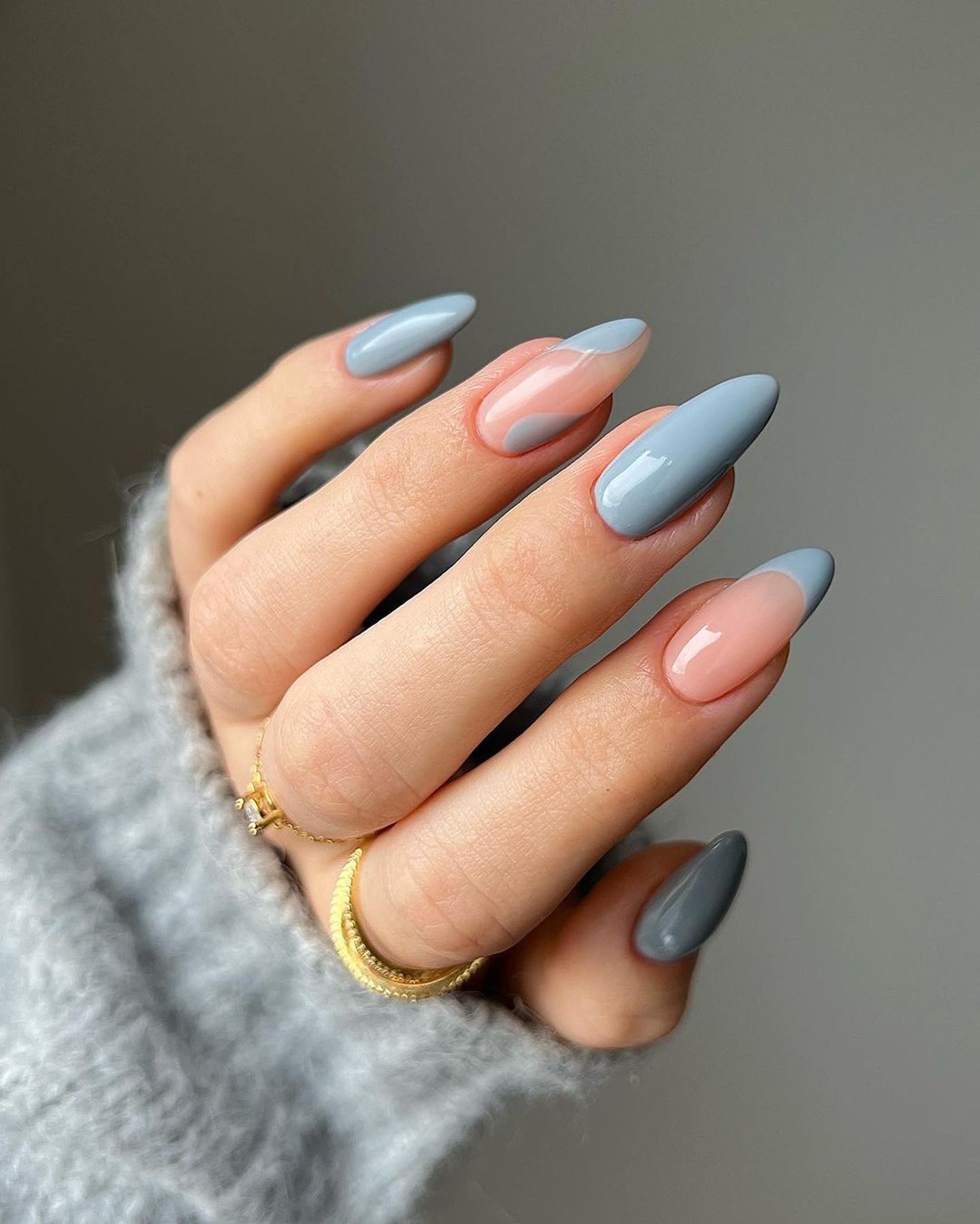
The fascination with multi-colored manicures has evolved significantly from chaotic rainbow designs and random accent nails into intentional, highly sophisticated geometric and chromatic pairings. In the current 2026 beauty landscape, the two color nail polish trend centers around clean lines, deliberate color theory, and minimalist high-impact aesthetics. Rather than applying random shades, modern nail artists and enthusiasts use complementary, monochromatic, or starkly contrasting colors to alter the visual perception of nail length and shape.
Dual-tone manicures draw inspiration from historical fashion movements, specifically the color-blocking trends of the 1960s and the modern minimalist art movements. By limiting the palette to precisely two distinct shades, the design maintains a cohesive structure while offering visual complexity. This approach caters to both professional environments, where muted neutral pairings make a subtle statement, and avant-garde spaces, where neon or metallic contrasts create dramatic focal points.
Popular Variations and Design Styles within the Trend
Executing a successful two-tone manicure requires understanding the specific sub-trends dominating modern nail styling. Each variation offers a distinct look and requires different application techniques, tools, and skill levels.
- The Vertical Split: The nail is divided cleanly down the center from cuticle to free edge, with each side painted in a different color. This creates a striking optical illusion that can make wide nail beds appear slimmer.
- The Modern French Tip: A classic nude or sheer pink base is paired with a contrasting color on the tip, or the traditional white tip is swapped for a secondary vibrant or metallic shade.
- The Half-Moon and Cuticle Block: A contrasting color is applied only to the lunula (the half-moon at the base of the nail) or painted as a bold crescent framing the cuticle area.
- The Horizontal Color Block: The nail is split horizontally, either evenly in half or in asymmetrical proportions, creating a color-blocked architectural effect reminiscent of modern art.
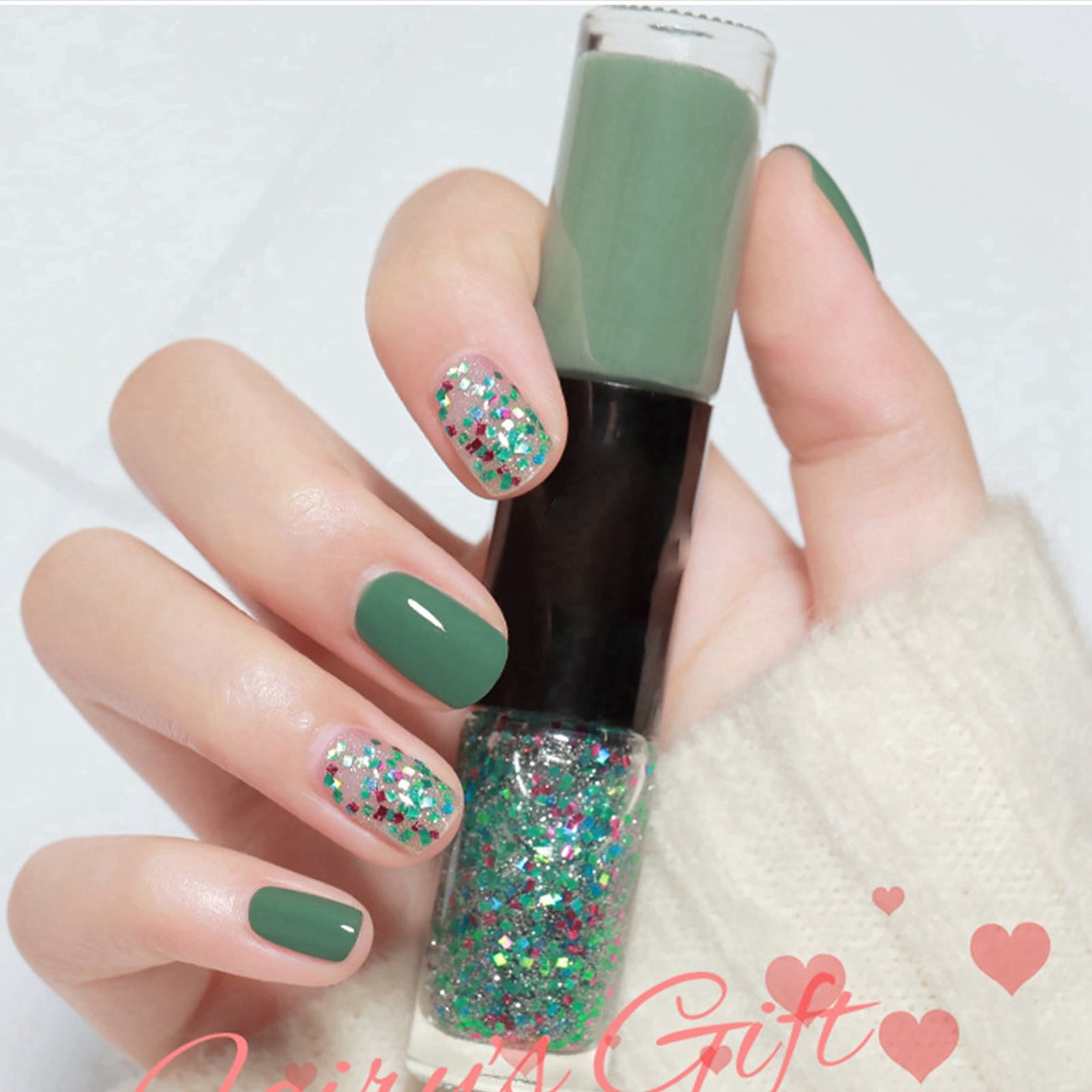
- The Dual-Accent Approach: Four nails are painted in a primary dominant shade, while both ring fingers or thumbs feature a secondary contrasting color to anchor the design.
Color Theory and Palette Selection for Two-Tone Nails
Mastering the two color nail polish trend relies heavily on fundamental color theory. Selecting the right combination elevates a simple DIY manicure into a professional-looking art piece.
| Color Pairing Strategy | Primary Shade Example | Secondary Shade Example | Visual Effect and Best Use Case |
|---|---|---|---|
| Monochromatic Harmony | Deep Forest Green | Mint Green | Creates depth and subtle sophistication; ideal for professional settings. |
| Complementary Contrast | Burnt Orange | Electric Cobalt Blue | High-impact visual tension; perfect for statement looks and seasonal trends. |
| Analogous Flow | Warm Terracotta | Soft Dusty Rose | Smooth, harmonious transition; elongates short nails naturally. |
| Neutral and Metallic | Milky Nude Base | Liquid Chrome Gold | Timeless elegance with a modern edge; versatile for formal events. |
| Achromatic Clash | Jet Black | Stark Titanium White | Graphic, high-contrast minimalism; highly versatile with any outfit. |
When selecting formulas, combining finishes can be just as impactful as combining colors. Pairing a high-shine creme polish with a matte topcoat on the secondary shade adds tactile dimension without introducing unnecessary clutter to the design.
Step-by-Step Guide: How to Achieve a Flawless Split-Nail Manicure
Executing a precise vertical split-nail design requires patience, steady hands, and the right tools. Follow this step-by-step professional workflow to achieve salon-quality results at home.
- Preparation and Conditioning: Clean the nail plates thoroughly with isopropyl alcohol to remove natural oils. Apply a ridge-filling base coat to ensure a completely smooth canvas for the color layers.
- Base Layer Application: Apply two thin coats of your lighter or more sheer chosen base color across the entire nail. Allow this layer to dry completely for at least 10 to 15 minutes to prevent dragging during the next step.
- Mapping the Center Line: Using a fine-tipped detailing brush dipped in acrylic paint or a quick-drying liquid latex barrier, map a faint guideline down the exact center of the nail from the cuticle to the free edge.
- Applying the Secondary Color: Carefully paint one half of the nail with the secondary shade, riding your brush along the center guideline. For ultra-crisp lines, use a striping brush rather than the standard polish wand.
- Cleanup and Sealing: Clean up any stray pigment around the cuticles using an angled cleanup brush dipped in pure acetone. Seal the entire design with a quick-drying, non-smear glossy topcoat, making sure to cap the free edge to prevent chipping.
Pros and Cons of the Two Color Nail Polish Trend
| Advantages (Pros) | Disadvantages (Cons) |
|---|---|
| Highly versatile, allowing for endless customization based on personal style and seasons. | Requires greater precision and a steadier hand compared to a standard single-color application. |
| Optical illusions can alter the perceived shape, length, and width of natural nail beds. | Mistakes or chips are more noticeable due to the high-contrast nature of the color blocking. |
| Efficient way to experiment with bold or avant-garde colors without committing fully to a complex nail art design. | Takes significantly longer to complete due to multiple application steps, drying times, and cleanup. |
Essential Tools and Product Recommendations
Achieving precision in modern nail art requires more than just standard drugstore polish. Investing in the right accessory tools dramatically improves the final outcome.
- Striping Brushes: Synthetic Kolinsky-hair brushes with ultra-fine, long bristles allow for straight, clean lines when dividing colors.
- Liquid Latex Peel-Off Barrier: Applied around the skin and cuticles, this product catches accidental polish slips and peels away cleanly once the design is finished.
- Makeup Sponges: Dense, latex-free sponges are essential if you choose to adapt the two-color trend into an ombre or gradient fade.
- High-Output UV/LED Lamps: If working with gel systems, a high-wattage curing lamp ensures that thicker color-blocked layers cure evenly without wrinkling.
Troubleshooting Common Application Mistakes
Even experienced enthusiasts encounter hurdles when executing multi-color manicures. Addressing these common issues saves time and prevents frustration.
- Issue: The line dividing the two colors looks jagged or uneven.
- Solution: Use ultra-thin liquid striping tape as a physical stencil to mask off one side while you paint the other. Remove the tape immediately while the polish is still wet to prevent a jagged edge from forming as it dries.
- Issue: Colors bleed together or streak when applying the second shade.
- Solution: Ensure the first color is 100% dry. If working with gel polish, flash-cure each half for 10 seconds before applying the topcoat to lock the pigment in place.
- Issue: Premature chipping along the dividing line.
- Solution: Make sure you are capping the free edge of the nail with your topcoat. When two polishes meet at the tip, a weak point is created; sealing it with a protective topcoat prevents moisture from lifting the layers.
Frequently Asked Questions
Can I mix regular nail polish and gel polish in a two-color design?
Mixing regular lacquer and gel polish in the same manicure is generally discouraged because they cure and dry through entirely different chemical processes. For the best longevity and safety, stick to using products from the same formulation family across both color blocks.
What nail shape works best for the two color nail polish trend?
Long almond, oval, and square-oval shapes provide the ideal surface area for geometric and vertical split designs. However, short squoval nails can still look exceptional when paired with clean, minimalist French tips or subtle accent colors.
How do I prevent color bleeding when doing a split-nail design?
The most effective way to prevent bleeding is to use a fine detailing brush and work in thin, controlled layers rather than loading the brush with excess product. Allowing adequate drying time between coats also stabilizes the pigment structure.
Are two-tone manicures appropriate for professional work environments?
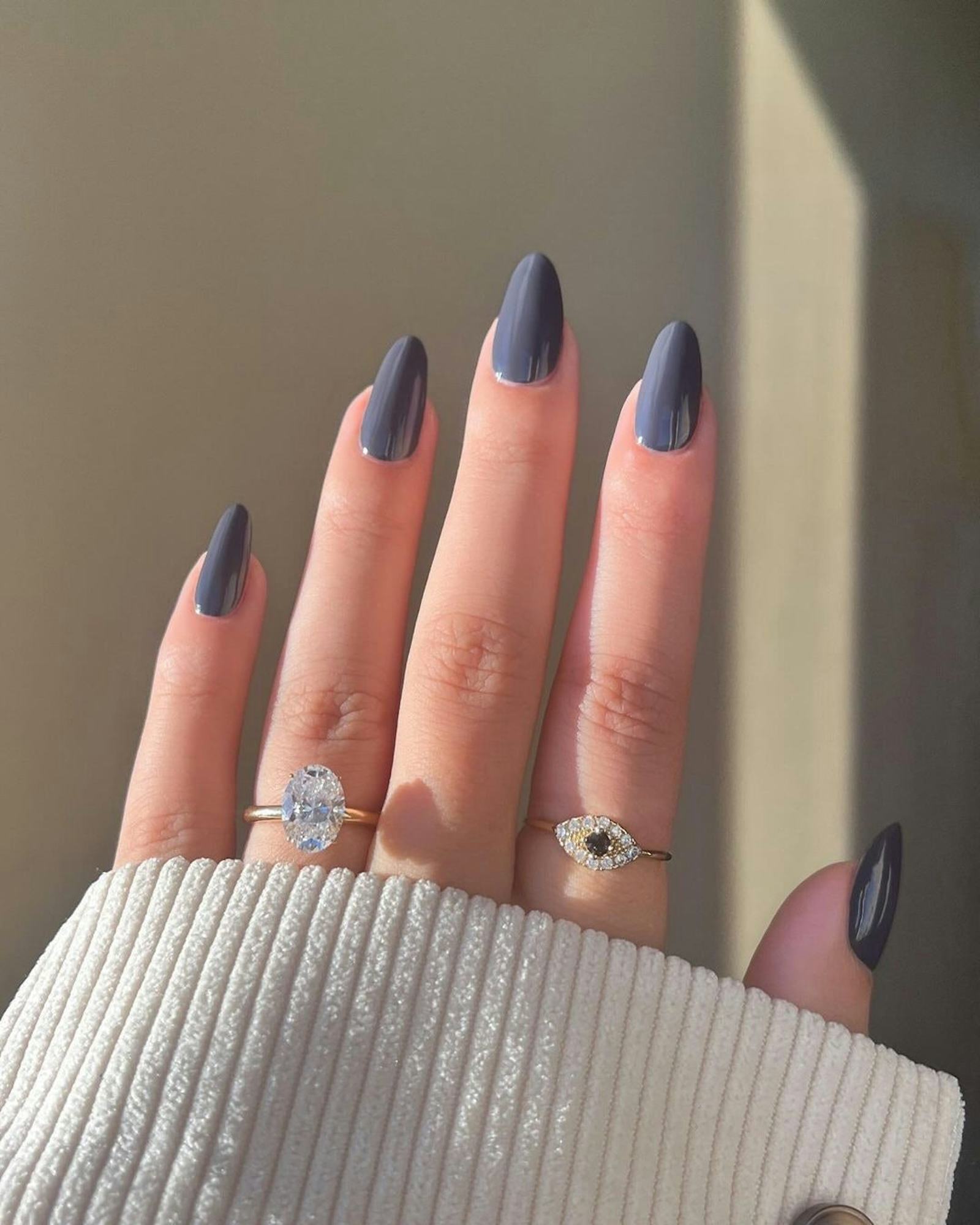
Yes, by selecting sophisticated, muted, or monochromatic color pairings such as nude and beige, or navy and slate gray, the two color trend remains entirely professional and understated.
How can I make my two-color manicure last longer?
Always apply a quality base coat, seal the color layers with a durable topcoat, and reapply topcoat every three to four days to protect the vulnerable dividing lines from premature chipping and wear.
Embrace your creativity and experiment with the two color nail polish trend today by selecting your favorite contrasting shades and testing out a modern split-nail or color-blocked design for your next manicure.
Image Gallery