Understanding the Impact and Recovery Following a House Fire: The Case of Jessi Pierce
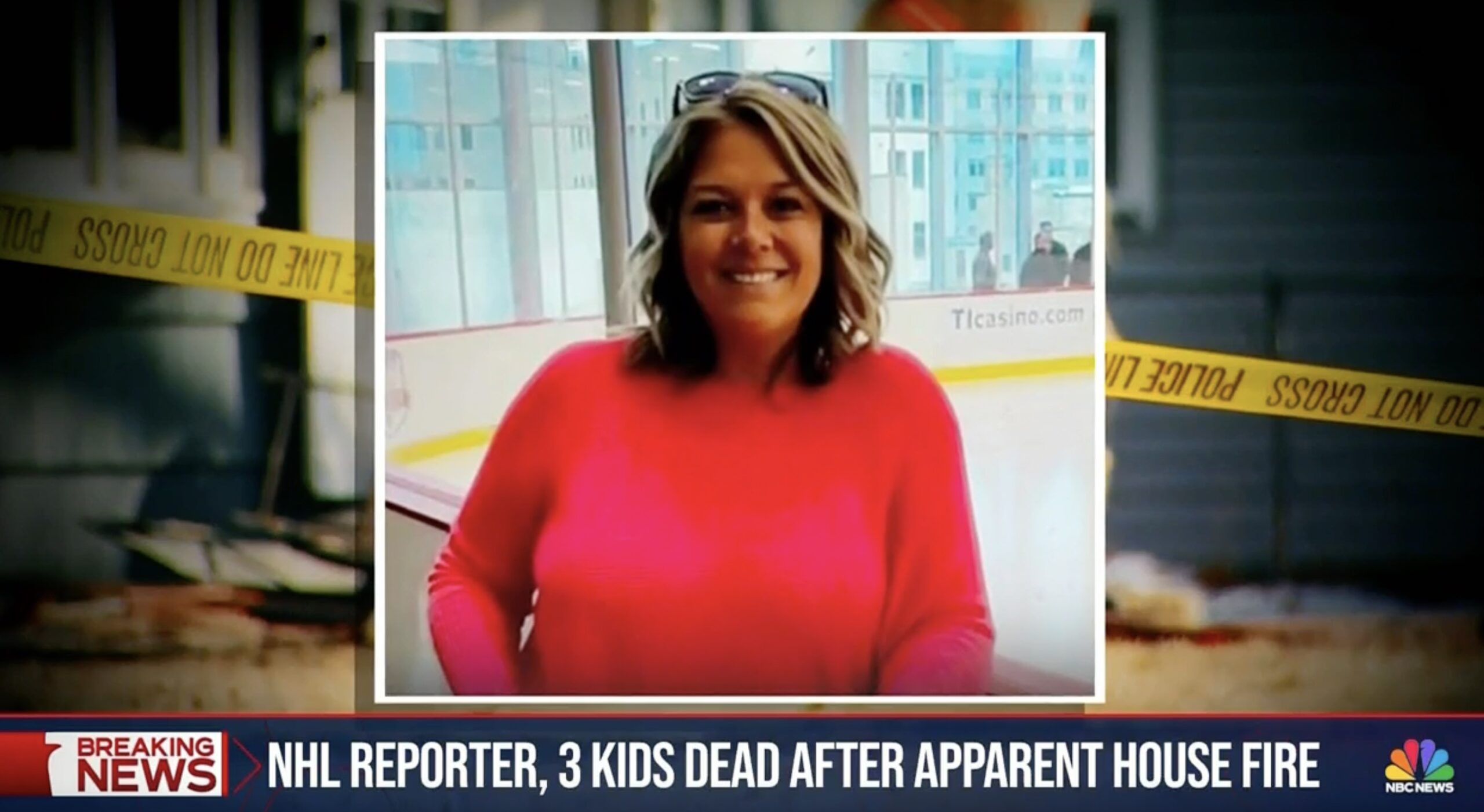
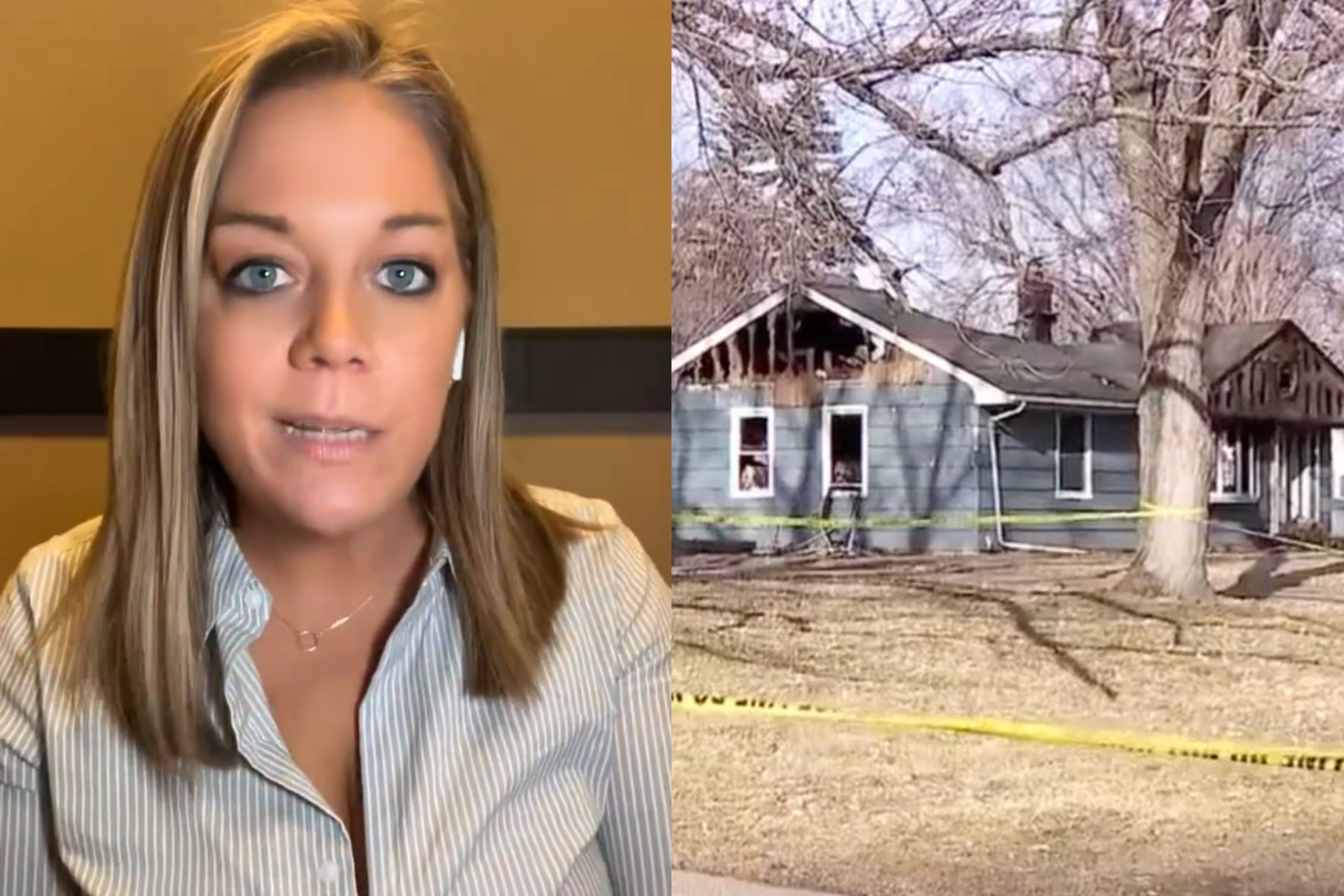
The house fire involving journalist Jessi Pierce serves as a significant case study on the immediate and long-term challenges of home loss. For victims, navigating the aftermath requires a methodical approach to safety, insurance docum...
The house fire involving journalist Jessi Pierce serves as a significant case study on the immediate and long-term challenges of home loss. For victims, navigating the aftermath requires a methodical approach to safety, insurance documentation, emotional recovery, and the logistical coordination of restoring one's living situation, highlighting the necessity of preparedness and professional advocacy in crisis management.
Contents
The Anatomy of a Residential Fire Emergency
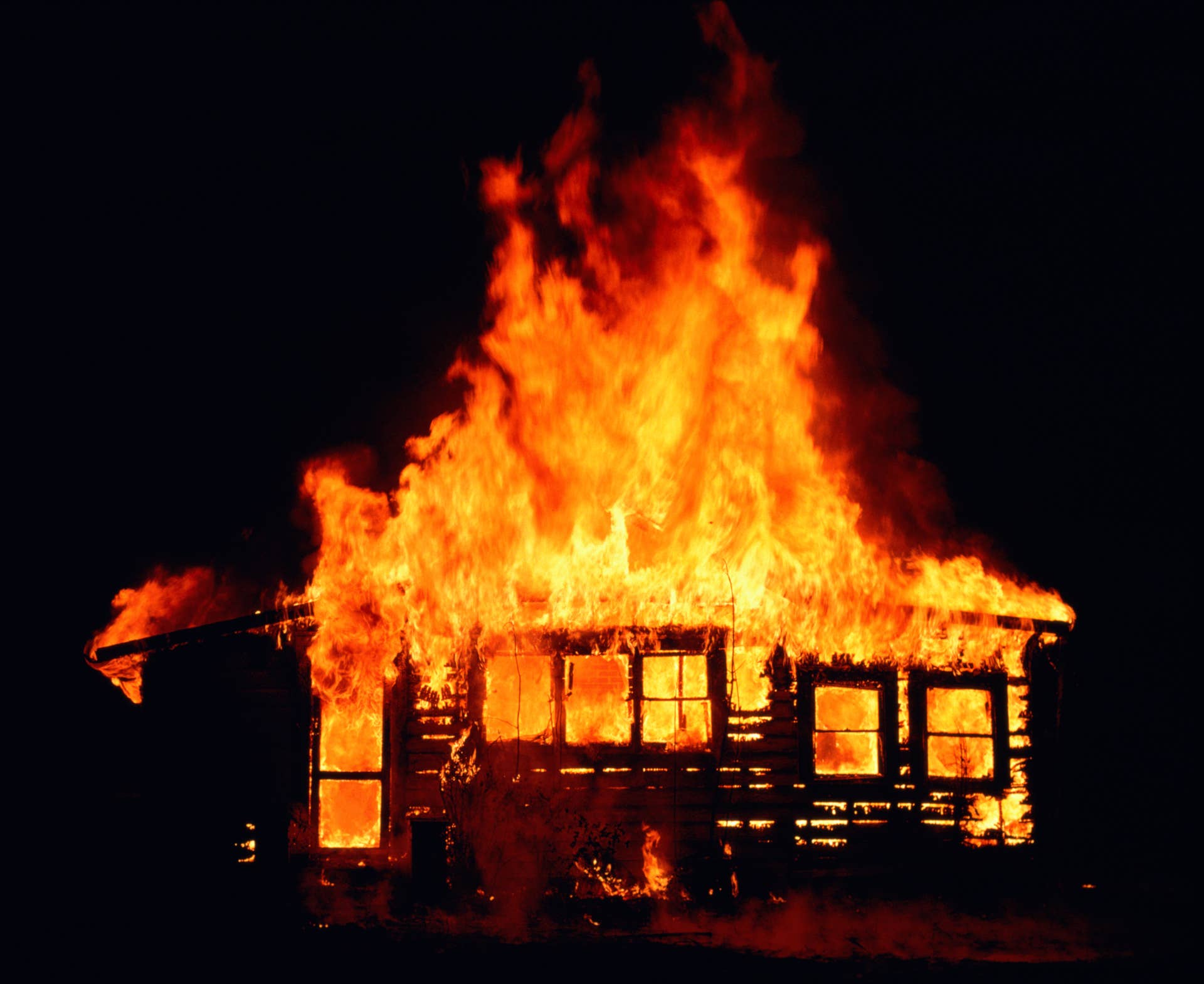
A residential fire is a transformative event that triggers a complex chain of physical, financial, and legal consequences. When a fire occurs—whether caused by structural failure, external hazards, or accidental ignition—the primary objective during the initial phase is ensuring the safety of occupants. Once the immediate danger is resolved and local fire authorities have cleared the scene, the focus shifts to containment and assessment.
For individuals like Jessi Pierce, who have navigated this experience, the process begins with the "stabilization phase." This involves securing the property to prevent further damage from the elements or unauthorized entry and initiating contact with local authorities to secure official fire reports. These documents are foundational, as they serve as the verified evidence required by insurance adjusters to validate claims. Relying on professional guidance early in the process—such as engaging with public adjusters or legal counsel—can significantly alter the trajectory of a recovery plan.
Navigating the Insurance Claims Process
The financial recovery from a house fire is dictated almost entirely by the specific clauses of a homeowner’s insurance policy. Many policyholders mistakenly assume their coverage is comprehensive, only to discover limitations regarding "actual cash value" versus "replacement cost."
The Role of Policy Documentation
Upon filing a claim, the burden of proof rests on the policyholder to provide an exhaustive inventory of damaged or destroyed items. This is often an overwhelming task, but it is critical for maximizing recovery. Experts recommend the following steps for documentation:
- Photographic Evidence: Capture every room from multiple angles before any cleaning or demolition occurs.
- Digital Inventory: Use cloud-based storage to maintain a list of major appliances, furniture, and personal effects, cross-referenced with purchase dates and estimated current market values.
- Communication Logs: Maintain a precise record of every phone call, email, and meeting with insurance representatives, including the dates and names of the personnel involved.
Comparison of Insurance Coverage Types
Understanding how different coverage types interact is essential for financial stability. The following table illustrates the common components of a standard homeowners' policy in the context of fire damage.
| Coverage Component | Description | Impact on Recovery |
|---|---|---|
| Dwelling Coverage | Pays for structural repairs to the home. | Primary defense against total loss of the building footprint. |
| Personal Property | Covers contents inside the home (clothing, electronics). | Requires detailed itemization; often subject to depreciation. |
| Loss of Use (ALE) | Pays for temporary housing and living expenses. | Critical for maintaining daily life during the reconstruction phase. |
| Extended Replacement | Offers a buffer if rebuilding costs exceed policy limits. | Highly recommended in markets with rising construction inflation. |
The Psychological and Logistical Toll
Beyond the physical structure, a fire constitutes a profound disruption of daily operations. For professionals, the loss of a home office or creative space can lead to a secondary crisis of professional productivity. The logistical burden of coordinating contractors, sourcing temporary housing, and managing the emotional weight of lost personal archives creates a "second shift" of labor that can last for months or even years.
Recovery is rarely a linear process. Victims often face "rebuilding fatigue," where the complexity of dealing with zoning laws, materials sourcing, and contractor schedules leads to burnout. It is essential to engage a network of support early, including family, professional advocates, and, when necessary, psychological counselors who specialize in trauma associated with property loss.
Preventive Measures and Future-Proofing
While a fire cannot always be predicted, the severity of the outcome is often determined by the preventive measures already in place. Integrating "fire-smart" habits into home maintenance is an investment in risk mitigation:
- Safety Infrastructure: Ensure that smoke alarms are hardwired with battery backups and are tested quarterly. Consider installing fire-rated interior doors and upgrading electrical systems that are prone to aging-related hazards.
- Digital Redundancy: Store essential documents—deeds, birth certificates, and insurance policies—in a fireproof, waterproof safe or, preferably, encrypted cloud storage.
- Professional Appraisal: Periodically update your home inventory with an appraiser to ensure your coverage limits keep pace with the current market value of your assets.
Troubleshooting Common Challenges During Reconstruction
Even with a strong policy, disputes between homeowners and insurance carriers are common. The most frequent issues revolve around the scope of damage (e.g., whether smoke damage has compromised HVAC systems or drywall) and the interpretation of policy exclusions.
If a disagreement occurs, the first step should be an independent inspection. Hiring a third-party engineer or a certified restoration contractor to provide a second opinion can provide the leverage needed to negotiate a fair settlement. Do not authorize permanent repairs based on a low-ball initial estimate; once the work is completed or the claim is closed, it is significantly more difficult to reopen the case for supplemental damage that was not identified initially.
Frequently Asked Questions
What is the first action after the fire is extinguished? Immediately contact your insurance provider to report the incident and ask for a claim number. Secure the property to prevent further damage, but do not dispose of any debris until an adjuster has inspected the scene and provided explicit permission, as this may be necessary for your claim.
How is the "Loss of Use" payout calculated? Loss of Use, or Additional Living Expenses (ALE), covers the difference between your normal cost of living and the cost of your temporary arrangements. You must save all receipts for rent, storage, and increased utility costs to be reimbursed appropriately.
What if I disagree with the insurance adjuster’s estimate? You have the right to request a second inspection or hire a public adjuster. A public adjuster works for you, not the insurance company, and typically takes a percentage of the final settlement. Ensure they are licensed in your jurisdiction before signing a contract.
Are all my personal belongings covered at full price? It depends on whether you have "replacement cost" coverage or "actual cash value" (ACV) coverage. Replacement cost pays what it costs to buy a new item today, while ACV accounts for depreciation, meaning you will receive significantly less for older items.
How long does the average recovery process take? The timeline varies wildly based on the extent of the damage. A kitchen fire might be resolved in six months, whereas a full structure rebuild often takes 18 to 24 months, depending on local building department backlogs and contractor availability.
Recommendation for Next Steps
If you are currently experiencing the aftermath of a property loss, prioritize the consolidation of your records. Secure the official fire department incident report as your anchor document, and establish a dedicated file—digital or physical—to house all correspondence with your insurer. If you feel overwhelmed or believe the insurance offer is insufficient to cover the actual costs of rebuilding, consult with a legal professional or a licensed public adjuster before signing any release of liability forms. Your primary responsibility is to act as your own advocate to ensure that your recovery plan is both realistic and sustainable.
Image Gallery