Understanding Auto Insurance Terms: A Complete Guide to Policy Coverage and Jargon
Navigating auto insurance requires understanding specialized terminology that directly affects your coverage limits, financial liabilities, and claim outcomes. Auto insurance terms define the boundaries of your legal protection, what y...
Navigating auto insurance requires understanding specialized terminology that directly affects your coverage limits, financial liabilities, and claim outcomes. Auto insurance terms define the boundaries of your legal protection, what your insurer will pay after an accident, and what expenses remain your personal responsibility.
Contents
The Foundation: Core Coverage Types Explained
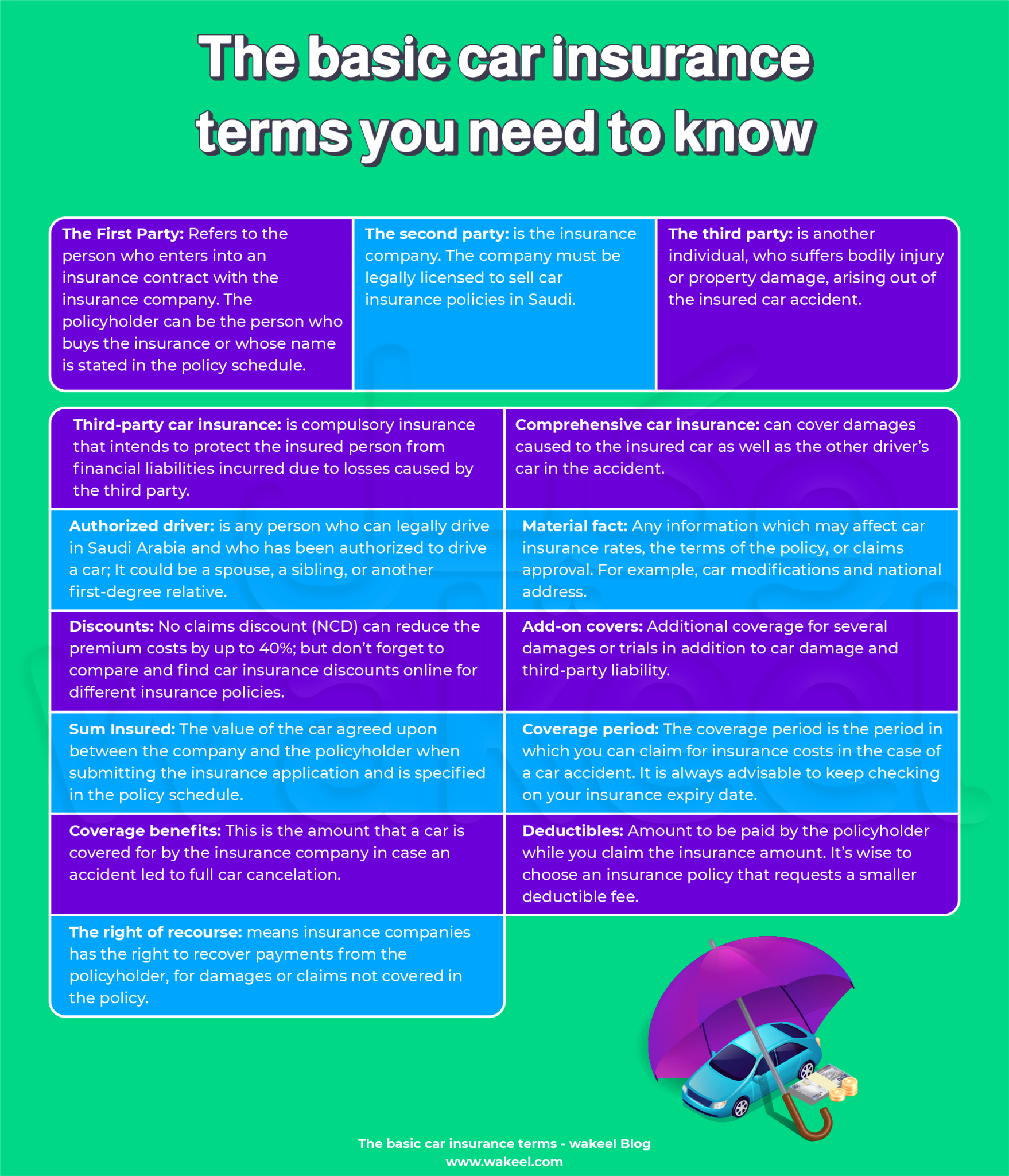
Auto insurance policies are modular documents constructed from distinct coverage components. Each component addresses specific risks, scenarios, and financial liabilities. Understanding how these parts interact ensures you do not carry costly coverage gaps or pay for unnecessary redundancies.
- AUTO INSURANCE POLICY
- LIABILITY COVERAGE
- Bodily Injury (BI)
- Property Damage (PD)
- PROPERTY COVERAGE
- Collision
- Comprehensive
- MEDICAL COVERAGE
- Personal Injury Protection
- Medical Payments (MedPay)
- UNINSURED MOTORIST (UM)
- UM Bodily Injury
- UM Property Damage
- LIABILITY COVERAGE
1. Liability Insurance (Bodily Injury and Property Damage)
Liability coverage pays for injuries and property damage you cause to other people in an auto accident. It does not cover your own medical bills or vehicle repairs. Most states mandate minimum levels of liability coverage to legally operate a vehicle.
- Bodily Injury Liability (BI): Covers medical expenses, lost wages, rehabilitation, and legal defense fees if you injure another driver, passenger, or pedestrian.
- Property Damage Liability (PD): Covers the cost to repair or replace another person's property damaged in an accident where you are at fault. This includes other vehicles, guardrails, light poles, structures, and landscaping.
2. Collision Coverage
Collision coverage pays to repair or replace your vehicle if it collides with another car, rollover incident, or stationary object (such as a tree, telephone pole, or guardrail), regardless of who was at fault. If your vehicle is financed or leased, your lender will typically require collision coverage.
3. Comprehensive Coverage
Often referred to as "other than collision" coverage, comprehensive insurance protects your vehicle against damage caused by non-collision events beyond your immediate control. Covered hazards typically include:
- Theft and vandalism
- Weather events (hail, floods, windstorms, lightning)
- Falling objects (tree branches, debris)
- Collisions with animals (such as deer)
- Broken windshields and glass damage
4. Personal Injury Protection (PIP) and Medical Payments (MedPay)
- Personal Injury Protection (PIP): Common in states with "no-fault" insurance laws, PIP covers medical treatment, lost income, and essential service expenses (like childcare) for you and your passengers after an accident, regardless of who caused it.
- Medical Payments (MedPay): A narrower coverage option available in many fault-based states, MedPay strictly pays for immediate medical or funeral expenses resulting from an auto accident for you and your passengers, without wage loss reimbursement.
5. Uninsured and Underinsured Motorist Coverage (UM/UIM)
Despite legal mandates, many drivers operate vehicles without insurance or carry only minimum limits that fail to cover severe damages.
- Uninsured Motorist (UM): Pays for your medical bills (and in some states, property damage) if you are hit by a driver who has no auto insurance or by a hit-and-run driver.
- Underinsured Motorist (UIM): Steps in when an at-fault driver has insurance, but their policy limits are too low to fully cover your total losses and medical bills.
Financial and Policy Administration Terms
Managing an auto policy involves distinct administrative terms that govern costs, policy mechanics, and operational boundaries.
- POLICY COST STRUCTURE
- TOTAL PREMIUM (Annual or monthly cost paid to insurer)
- DEDUCTIBLE (Out-of-pocket amount paid per claim filed)
- POLICY COVERAGE LIMIT (Maximum payout cap provided by the insurer)
Premium
A premium is the total dollar amount you pay to your insurance company to keep your auto policy active. Premiums can be paid monthly, semi-annually, or annually. Premium rates are determined using actuarial math based on driver age, location, driving record, vehicle make and model, annual mileage, and coverage choices.
Deductible
A deductible is the specified amount of money you agree to pay out-of-pocket before your insurance coverage kicks in for a physical damage claim (such as Collision or Comprehensive). For example, if your vehicle sustains $3,000 in hail damage and your comprehensive deductible is $500, your insurance company will pay $2,500 toward repairs. Liability insurance typically does not carry a deductible.
Policy Limits: Split Limits vs. Combined Single Limit
Policy limits represent the maximum dollar amount an insurance provider will pay out for a covered loss. These are expressed in one of two formats:
- Split Limits: Displayed as three numbers (e.g., 100/300/50).
- 100 ($100,000): Maximum Bodily Injury coverage paid per individual person in one accident.
- 300 ($300,000): Maximum Bodily Injury coverage paid total for all injured parties in one accident.
- 50 ($50,000): Maximum Property Damage coverage paid for all damaged property in one accident.
- Combined Single Limit (CSL): Combines bodily injury and property damage coverage into one single cap (e.g., $300,000 total per accident). This dollar amount can be distributed across bodily injury, property damage, or any combination of both until exhausted.
Declarations Page ("Dec Page")
The Declarations Page is a summary document provided at the front of your auto policy contract. It outlines critical specifics: named insureds, covered vehicles (identified by VIN), active policy dates, explicit coverage types selected, individual coverage limits, deductibles, and annual premium breakdowns.
Claims Valuation and Vehicle Recovery Terms
When an accident occurs, insurance adjusters evaluate vehicle damage and legal responsibilities using standardized valuation metrics.
Actual Cash Value (ACV)
Actual Cash Value represents the fair market value of a vehicle immediately prior to an accident or loss. ACV accounts for historical age, physical mileage, pre-existing wear and tear, and localized market depreciation. In standard auto policies, total loss settlements for vehicle theft or destroyed cars are calculated using ACV, not original purchase price.
Total Loss ("Totaled")
A vehicle is declared a total loss when the cost to repair the damage (plus salvage value) equals or exceeds a predetermined percentage threshold of the vehicle's Actual Cash Value, as established by state regulation or policy terms.
Gap Insurance
Because new vehicles depreciate rapidly, a vehicle's market value (ACV) can fall below the remaining balance owed on an auto loan or lease contract. Gap Insurance (Guaranteed Asset Protection) pays the financial difference between your vehicle's ACV settlement and your outstanding loan balance following a total loss.
- GAP INSURANCE FUNCTION IN A TOTAL LOSS
- Vehicle Original Loan Balance: $32,000
- Insurer ACV Payout (Market Value): $25,000
- Remaining Unpaid Balance ("The Gap"): $7,000 (Paid by Gap Insurance)
Comparative vs. Contributory Negligence
- Comparative Negligence: A legal standard used in most jurisdictions to assign a percentage of fault to each driver involved in an accident. Your monetary recovery is reduced by your relative percentage of fault.
- Contributory Negligence: A stricter legal standard used in a small minority of jurisdictions where, if a driver contributes to an accident in any minor way (even 1%), they may be legally barred from recovering damages from the other party.
Key Terms Comparison Reference
The following table summarizes primary auto insurance terms, how they function within a standard contract, and their direct financial impact:
| Insurance Term | Primary Function | Applies To | Typical Financial Impact |
|---|---|---|---|
| Bodily Injury Liability | Pays third-party medical expenses and legal defense | Other people injured by you | Pays up to your selected split or single limit |
| Property Damage Liability | Pays to repair or replace third-party property | Other cars/structures damaged by you | Pays up to policy cap; no out-of-pocket deductible |
| Collision Coverage | Repairs your car after a crash or rollover | Your own vehicle | Subject to your chosen collision deductible |
| Comprehensive Coverage | Repairs non-collision damages (weather, theft, animals) | Your own vehicle | Subject to your comprehensive deductible |
| Actual Cash Value (ACV) | Calculates current market value of a destroyed car | Total loss vehicle claims | Payout equals market value minus deductible |
| Gap Insurance | Covers unpaid car loan balances after a total loss | Leased or financed vehicles | Prevents paying out-of-pocket for sold/totaled cars |
| Uninsured Motorist (UM) | Pays your expenses if hit by an uninsured driver | You and your passengers | Protects against uncollectible third-party damages |
Common Auto Insurance Misconceptions
Myth 1: "Full Coverage" Means Unlimited Protection
"Full coverage" is a common marketing phrase, not an actual legal policy contract term. In industry practice, "full coverage" simply means carrying a combination of Liability, Collision, and Comprehensive insurance on a single vehicle. It does not mean you have unlimited protection, zero deductibles, or coverage for rental cars, roadside towing, or commercial driving activities.
Myth 2: Minimum State Limits Are Sufficient
Carrying state-mandated minimum liability limits leaves policyholders exposed to severe legal liabilities. Modern vehicle repair costs and medical bill inflation frequently exceed basic state minimums (such as $25,000 per person). If damages exceed your selected policy limits, you remain personally liable for remaining financial balances, placing your savings and assets at risk.
Myth 3: Red Cars Cost More to Insure
Vehicle paint color has no bearing on standard auto insurance premium calculations. Premium rate pricing relies on vehicle make, model, engine size, body type, safety ratings, historical theft rates, repair cost analytics, driver history, and geographical location.
Frequently Asked Questions
What is the difference between a deductible and a premium?
A premium is the recurring cost you pay (monthly or annually) to maintain active auto insurance coverage. A deductible is the specific out-of-pocket amount you must pay toward repairs before your insurer pays remaining claim costs for physical damage to your vehicle.
Does auto insurance cover normal mechanical wear and tear?
No. Standard auto insurance policies cover sudden and accidental physical damage caused by covered collisions, weather events, vandalism, or theft. Normal operational wear, routine maintenance, electrical failures, and mechanical breakdowns are excluded from auto policies, though optional vehicle service contracts may cover them.
What is a claim adjuster's role during a claim?
An insurance claim adjuster investigates auto accidents, inspects physical damage, reviews medical documentation, determines legal liability, and calculates financial settlement amounts based on policy terms and local regulations.
Does my personal auto insurance cover driving for ride-hailing services?
Standard personal auto policies explicitly exclude coverage when a vehicle is used for commercial purposes, such as driving for ride-hailing or delivery apps. To maintain coverage while using personal vehicles for commercial app work, drivers need commercial auto coverage or a specialized rideshare endorsement.
How does your driving record affect auto premiums?
Insurers use your driving history (including moving violations, at-fault accidents, DUI offenses, and license suspensions) to assess future risk. Clean records generally earn lower rates, while moving violations and accidents result in premium surcharges that usually remain on insurance records for 3 to 5 years.
How to Review Your Auto Insurance Policy
To ensure your coverage aligns with your current assets, debt obligations, and driving habits, follow these steps when reviewing your policy document:
- Examine the Declarations Page: Confirm named insureds, listed vehicle VINs, residential garaging addresses, and listed secondary drivers.
- Evaluate Liability Limits: Compare your Bodily Injury and Property Damage limits against your current personal net worth and property assets to prevent personal liability exposures.
- Check Deductible Levels: Ensure your physical damage deductibles ($500, $1,000, etc.) represent amounts you could easily pay out-of-pocket if an accident occurs today.
- Confirm Financial Protections: If you lease or finance your vehicle, verify that Gap insurance is active and that financial lienholders are accurately documented on the policy.
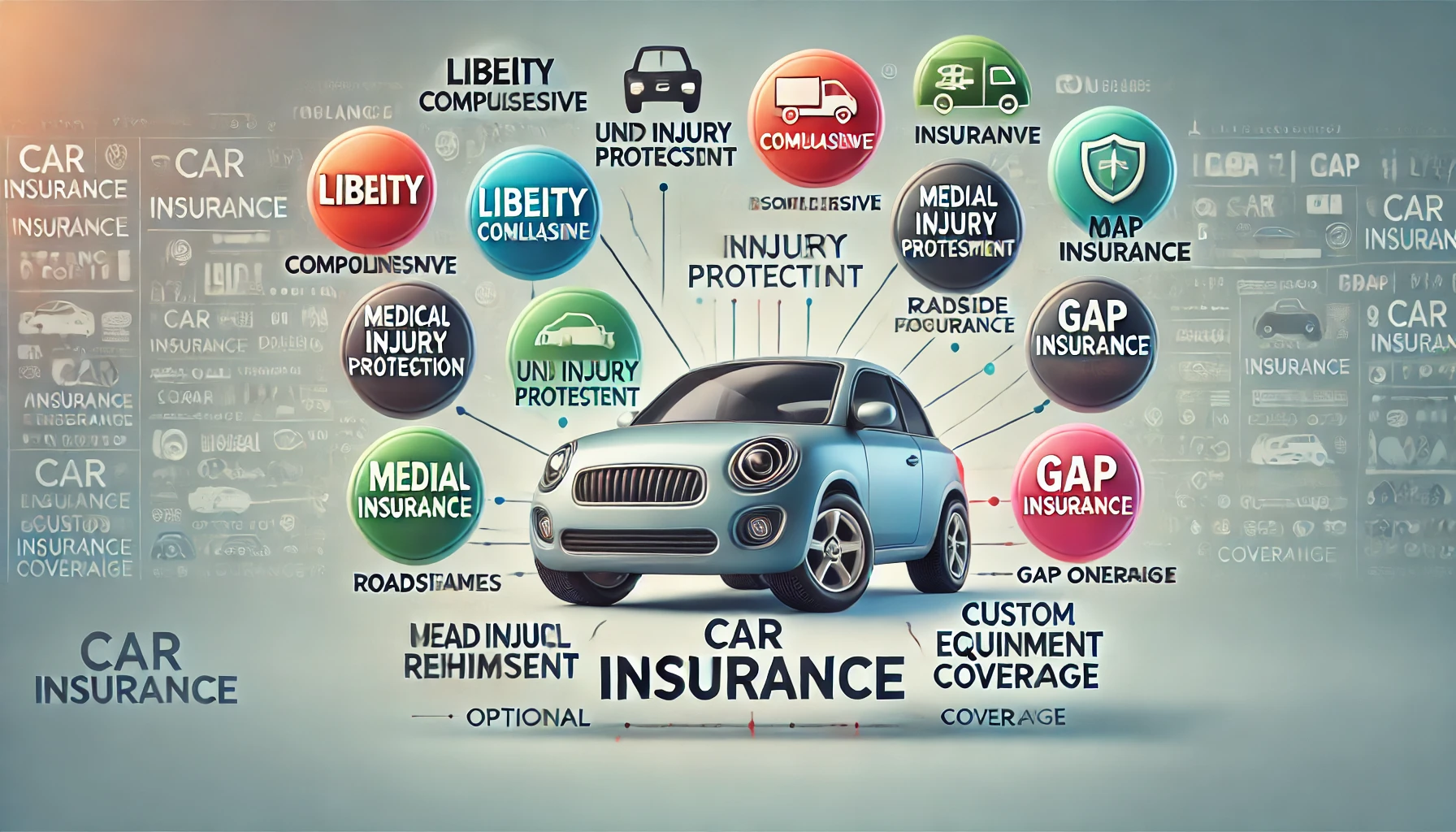
- Review Endorsements and Exclusions: Inspect policy add-ons (such as roadside assistance, rental car reimbursement, or custom equipment coverage) and carefully read policy exclusions to avoid surprise claim denials.
Disclaimer: Auto insurance regulations, mandatory coverage minimums, and policy provisions vary significantly across legal jurisdictions. Consult a licensed insurance agent or qualified financial professional to address specific coverage strategies and state-level policy requirements.
Image Gallery