Foundation Repair Services in Keller Explained: A Homeowner’s Guide
Foundation repair services in Keller are professional construction solutions designed to address structural instability caused by the expansive clay soils characteristic of North Texas. By identifying warning signs like wall cracks or...
Foundation repair services in Keller are professional construction solutions designed to address structural instability caused by the expansive clay soils characteristic of North Texas. By identifying warning signs like wall cracks or uneven floors, homeowners can engage structural engineers and certified repair contractors to stabilize their property through methods such as pressed concrete pilings, steel piers, or mudjacking, ensuring the long-term integrity of their investment.
Contents
Understanding the Keller Soil Composition
The foundation of any home in Keller, Texas, sits upon a geological reality that dictates the health of its structural base. Much of this region is underlain by expansive clay, specifically vertisols, which possess a high shrink-swell potential. During periods of drought, these soils lose moisture and contract, causing the foundation to settle downward. Conversely, during heavy rainfall, the clay absorbs water, swells, and exerts significant upward pressure on the structure, known as "heave."
This constant movement—often referred to as seasonal soil moisture fluctuation—is the primary driver of foundation distress in the area. Homeowners must understand that foundation repair is not merely about patching a crack; it is about addressing the interaction between the building's support system and this volatile soil environment.
Identifying Signs of Foundation Distress
Before contacting a professional, it is essential to distinguish between minor cosmetic issues and true structural failure. While some hairline cracks in drywall can be attributed to the natural settling of a new home, specific indicators often necessitate an immediate professional inspection:
- Interior Signs: Diagonal cracks originating from the corners of door frames or windows, doors that stick or fail to latch properly, and visible slopes or dips in interior flooring.
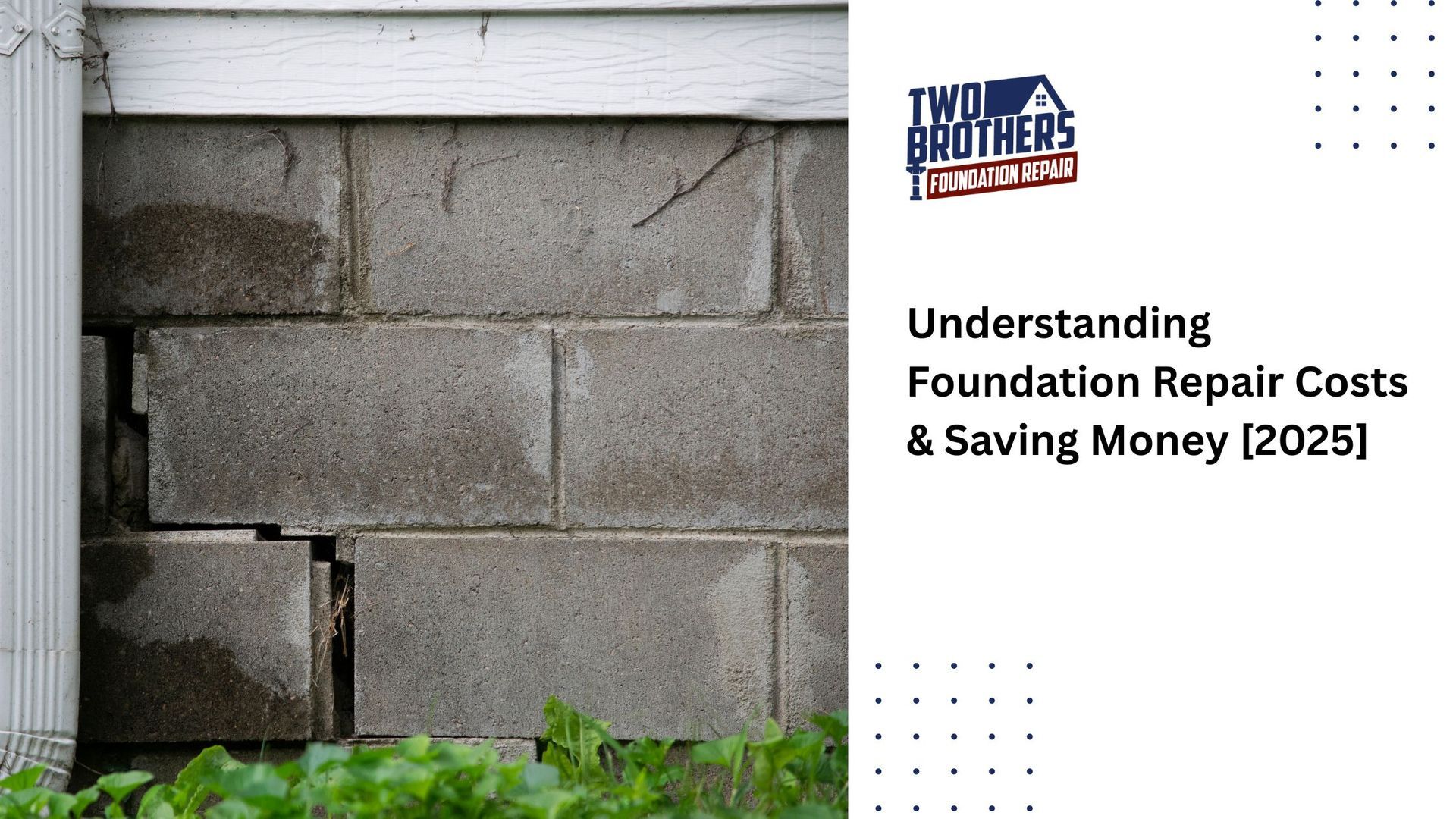
- Exterior Signs: "Step" cracking patterns in brick mortar joints, separation of the chimney from the main house wall, and significant gaps between the soil and the perimeter of the foundation beam.
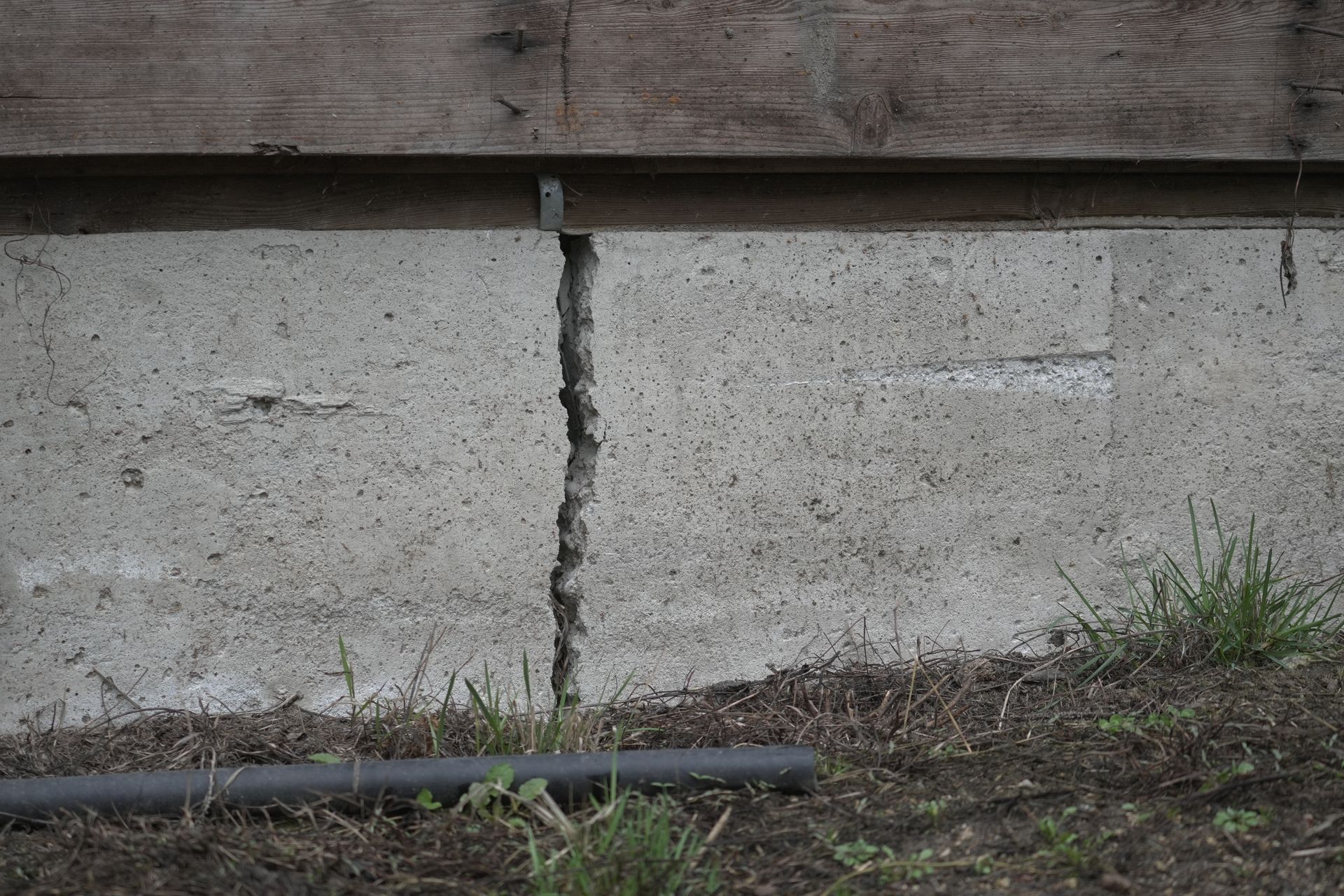
- Structural Signs: Large, horizontal cracks in the foundation beam or multiple cracks wider than a quarter-inch, which suggest the foundation is no longer effectively supporting the weight of the house.
The Role of Professional Assessment
A common mistake homeowners make is hiring a repair company for an inspection before consulting an independent third party. In the specialized field of foundation repair, a Structural Engineer is your most objective advocate.
A licensed engineer will conduct a foundation elevation survey, using high-precision instruments to map the current level of your foundation relative to its original build specifications. They will provide a detailed report outlining whether the observed damage is the result of structural failure, plumbing leaks under the slab, or normal settlement. Always verify the engineer's licensure through the Texas Board of Professional Engineers and Land Surveyors to ensure they are qualified to perform residential structural assessments.
Common Foundation Repair Methods in Keller
Once a professional has diagnosed the issue, they will recommend a specific remediation method. The effectiveness of these methods depends on the depth of the stable soil strata and the type of foundation—either a concrete slab-on-grade or a pier-and-beam system.
| Method | Best Use Case | Operational Overview |
|---|---|---|
| Pressed Concrete Pilings | Standard slab-on-grade homes | Concrete cylinders are driven into the ground until they hit "refusal" or stable soil. |
| Steel Piers | Deep-seated instability | Driven deeper than concrete, these provide maximum support for heavy structures. |
| Mudjacking/Polyjacking | Minor slab settlement | Injecting slurry or high-density foam under the slab to lift it back to original elevation. |
| Helical Piers | Light foundations or porches | Screw-like steel shafts anchored into the earth, ideal for structural leveling. |
The Repair Process: What to Expect
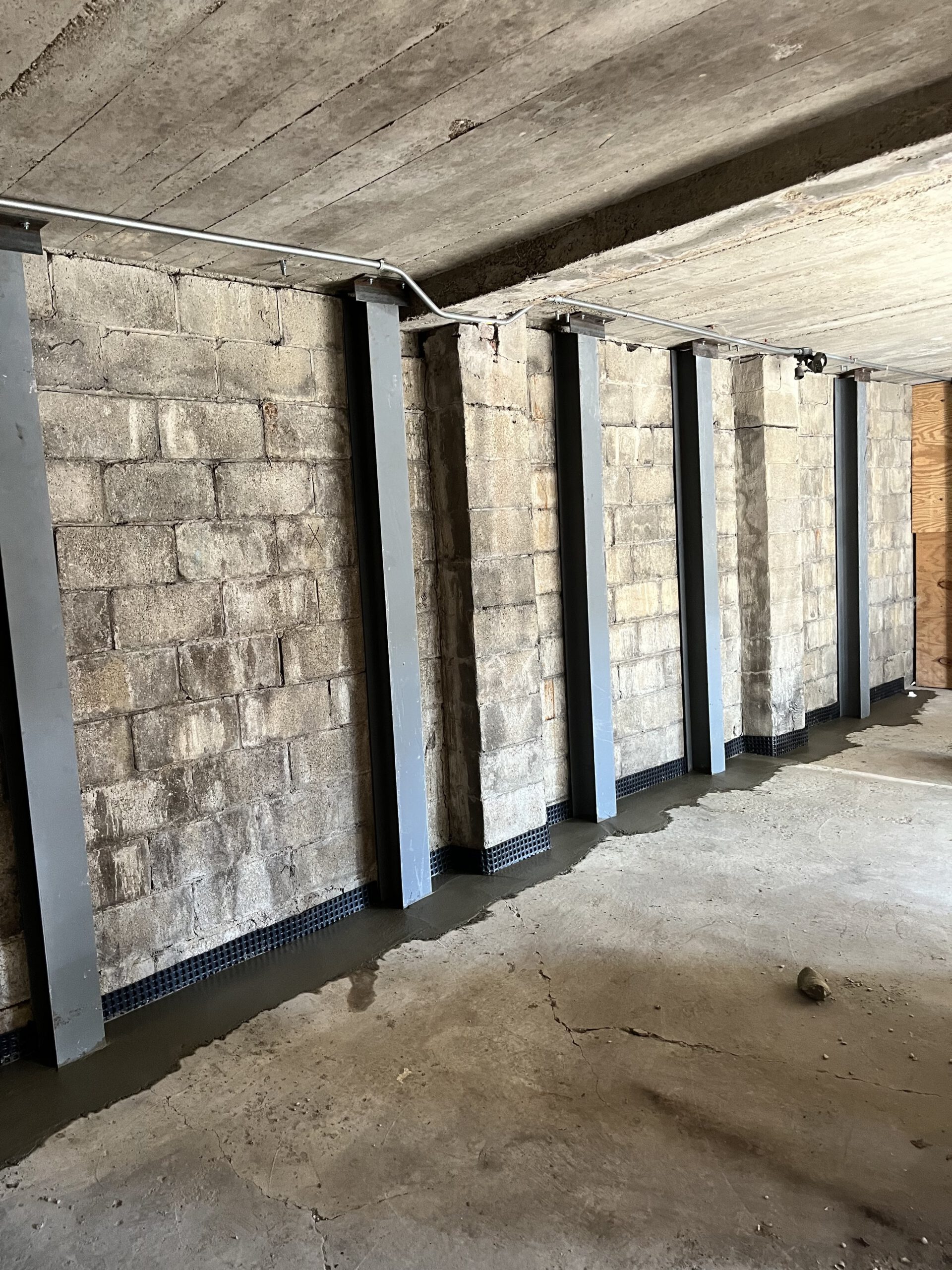
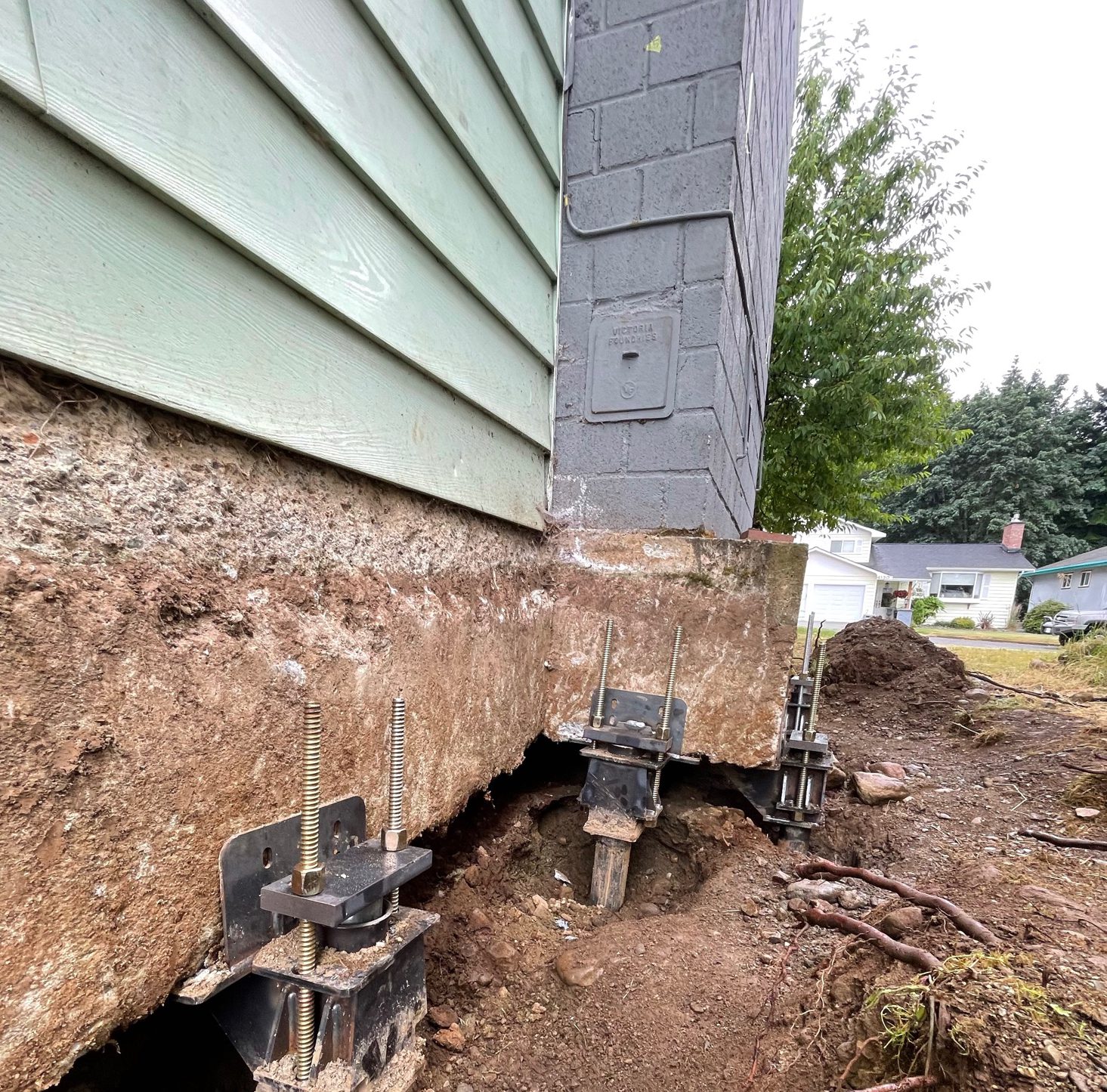
If you move forward with repairs, the process generally follows a standardized sequence. First, the contractor will install support piers around the perimeter of the home. This requires excavating small pits to expose the foundation footings.
Second, the foundation is "lifted" or stabilized using hydraulic jacks. It is important to note that the goal of foundation repair is usually to stabilize the structure in its current position to prevent further damage, rather than returning the home to a perfectly level state, which can sometimes cause secondary damage to plumbing and windows.
Finally, after the piers are set, the areas are backfilled. Keep in mind that for the first several months post-repair, you may observe minor "settling" as the home adjusts to the new support system.
Factors Influencing Costs
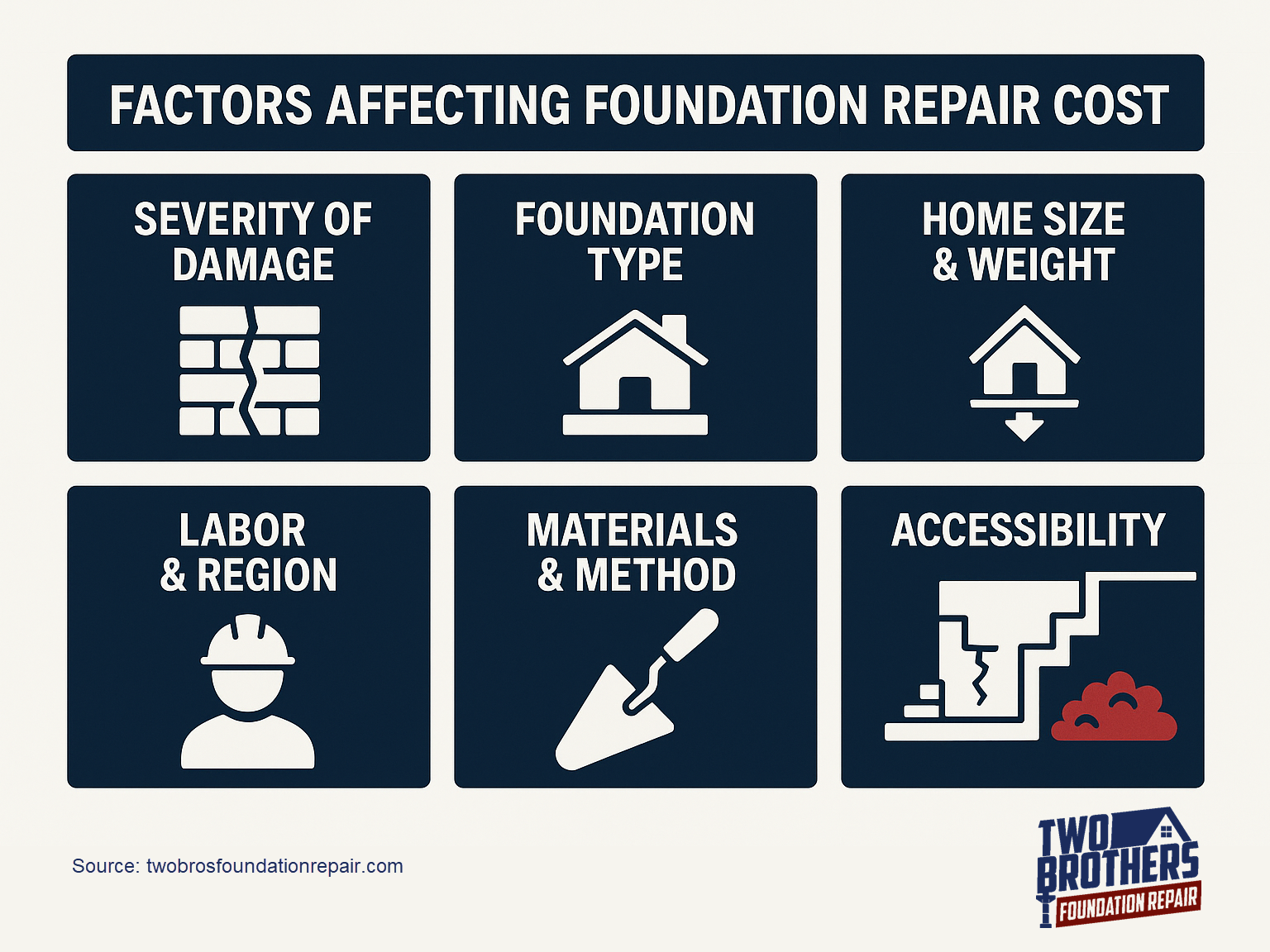
Foundation repair costs in Keller vary based on the extent of the damage, the number of piers required, and the difficulty of access to the foundation. As of 2026, many contractors price their services per pier, but this can be misleading without a complete plan.
Be wary of "lifetime transferrable warranties." These are only as valuable as the company providing them; if the company goes out of business, the warranty becomes void. Always inquire about the company’s history in the Keller area and whether they carry appropriate liability and workers' compensation insurance.
Practical Maintenance Tips for Homeowners
Once your foundation is stabilized, proactive maintenance is required to prevent recurring issues. The goal is to keep the soil moisture levels consistent around your home.
- Irrigation Management: During extreme heat, use a soaker hose placed 12 to 18 inches away from the foundation perimeter to maintain uniform soil moisture.
- Drainage Control: Ensure that your gutters have downspout extensions that direct water at least 5 feet away from the foundation. Poor drainage is the leading cause of soil-related foundation failure in suburban North Texas.
- Vegetation Oversight: Large trees near the foundation can suck significant amounts of moisture from the soil. Keep large shrubs and trees trimmed, and avoid planting new trees within 15–20 feet of the home’s exterior.
Frequently Asked Questions
How long does a foundation repair take? Most residential projects in Keller take between two to five days. However, the timeline depends on the number of piers required and whether the contractor encounters complications like buried utilities or rock strata that complicate excavation.
Does insurance cover foundation repair? Typically, no. Most homeowners' insurance policies in Texas classify foundation settling as a maintenance issue rather than a covered peril. However, if the foundation damage is caused by a plumbing leak specifically covered under your policy, a portion of the repair might be eligible for a claim.
Is it safe to live in the house during repairs? Yes. Interior foundation repair work is generally performed from the exterior of the house. You can continue your daily routines, although there will be noise and minor vibration during the installation of the piers.
What is the difference between underpinning and leveling? Underpinning is the structural process of adding new support (piers) to an existing foundation to increase its load-bearing capacity. Leveling, or slab jacking, is a remedial process intended to move a sunken section of a slab back toward its original, level elevation.
Moving Forward with Your Property
If you suspect your home has foundation issues, begin by monitoring the progression of cracks or sticking doors over a 30-day period. If the signs worsen, reach out to an independent structural engineer for a professional evaluation before obtaining quotes from contractors. By prioritizing independent documentation and understanding the specific soil dynamics of Keller, you can make an informed decision that protects the long-term equity of your home.
Image Gallery