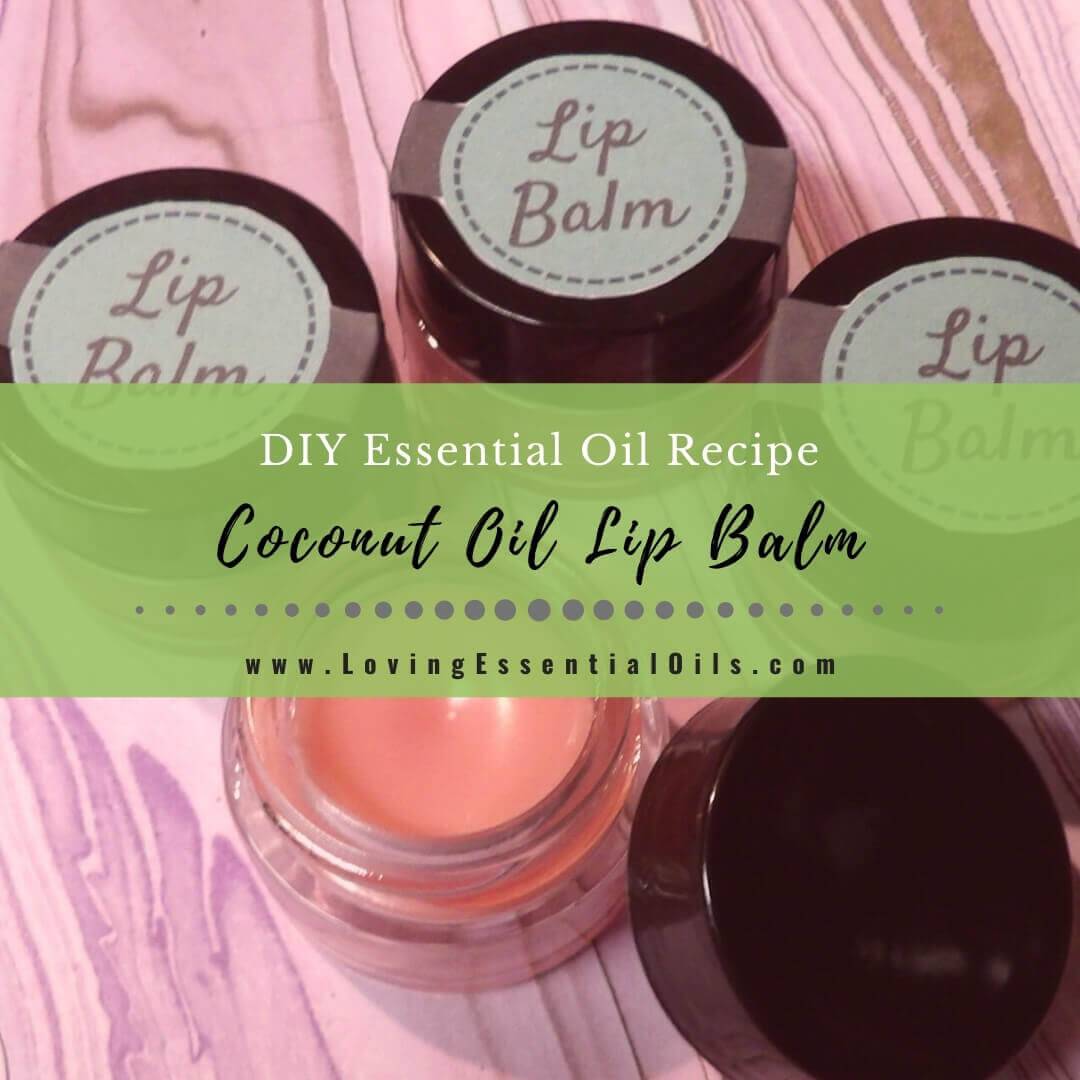
Lip Balm Recipe with Beeswax and Coconut Oil: A Basic Formulation Guide
Crafting your own lip balm using beeswax and coconut oil is a straightforward process that combines the structural integrity of natural waxes with the moisturizing properties of plant-based lipids. This basic formulation guide provides...
Crafting your own lip balm using beeswax and coconut oil is a straightforward process that combines the structural integrity of natural waxes with the moisturizing properties of plant-based lipids. This basic formulation guide provides the essential ratios and safety practices required to create a stable, effective, and protective barrier for the skin on the lips, which is naturally prone to moisture loss due to its thin stratum corneum.
Contents
Understanding the Chemistry of Lip Balm Formulation
At its core, a lip balm is an anhydrous (water-free) emulsion or, more accurately, a blend of waxes, butters, and oils. The primary objective of the formulation is to achieve a melting point slightly below human body temperature. This allows the balm to remain solid at room temperature but spread easily upon contact with the warmth of the lips.
The Role of Beeswax
Beeswax (Cera alba) serves as the primary structuring agent. It provides the "hardness" required for the product to remain in stick or tin form. Beyond its mechanical role, beeswax is a natural humectant and occlusive; it forms a protective seal over the skin, preventing transepidermal water loss while simultaneously providing a mild barrier against environmental irritants. In a 2026 manufacturing context, always source cosmetic-grade or refined beeswax to ensure the removal of debris and potential allergens often found in raw hive wax.
The Role of Coconut Oil
Coconut oil (Cocos nucifera) acts as the primary emollient. It is rich in medium-chain fatty acids, specifically lauric acid, which gives it a lightweight feel and excellent oxidative stability. While coconut oil provides the slip and skin-conditioning benefits, it has a very low melting point (approximately 76°F or 24°C). If used alone, it would remain a liquid or semi-solid paste. Therefore, the ratio of beeswax to coconut oil is the defining factor in whether your final product is a soft salve or a firm stick.
Standard Ratios and Formulation Basics
To achieve a consistent texture, you must follow a weight-based measurement system rather than volume (cups or spoons). Ingredients in cosmetic chemistry vary significantly in density; a gram of wax occupies a different amount of space than a gram of oil.
The 1:3 Ratio Benchmark
For a standard, user-friendly lip balm, a common starting point is a 1:3 ratio of beeswax to oil by weight.
- Beeswax: 25% of total weight
- Coconut Oil: 75% of total weight
This ratio is ideal for lip balm pots or tins. If you intend to use a standard twist-up lip balm tube, you may need to increase the beeswax slightly—closer to a 1:2.5 ratio—to account for the structural support required for the product to push up without collapsing under its own weight.
Essential Equipment
- Digital Kitchen Scale: Accuracy is non-negotiable for stability and safety.
- Double Boiler: Never heat waxes and oils directly over an open flame, as they are flammable and prone to scorching.
- Stainless Steel Pouring Pitcher: Simplifies the transfer into containers.
- Heat-Resistant Spatula: For consistent blending.
- Sanitized Containers: Lip balm tins or tubes.
Step-by-Step Preparation Guide
Before beginning, ensure your workspace is clean. While anhydrous products are less prone to microbial growth than water-based lotions, introducing contamination—such as water, skin oils, or dust—into your raw ingredients can reduce the shelf life of your finished product.
1. Weighing Your Ingredients
Place your pouring pitcher on the scale and tare (zero) it. Weigh out your beeswax first. Because beeswax takes the longest to melt, it is often helpful to grate it or use beeswax pellets to increase the surface area and ensure uniform melting. Add the coconut oil to the same vessel.
2. The Melting Process
Bring about two inches of water to a gentle simmer in your double boiler. Place the pitcher inside, ensuring no water splashes into your oil/wax mixture. Stir periodically with a spatula. The goal is to reach a clear, homogeneous liquid state. Do not overheat; once the wax is fully dissolved, the mixture is ready.
3. Adding Optional Components
If you choose to add essential oils for scent or Vitamin E oil (tocopherol) to act as a natural antioxidant, do so at the very end. Remove the pitcher from the heat and wait approximately 30 to 60 seconds. Adding delicate ingredients while the mixture is boiling can cause them to evaporate or lose efficacy. A standard usage rate for essential oils in lip products is 0.5% to 1% of the total weight; excessive use can lead to contact dermatitis or mucosal irritation.
4. Pouring and Cooling
Carefully pour the mixture into your tubes or tins. If using tubes, fill to the top; the mixture will contract slightly as it cools, creating a small dip. Let the balm sit undisturbed for at least one hour. Moving the containers while they are cooling can lead to uneven crystallization, resulting in a "gritty" texture.
Comparative Formulation Guide
| Ingredient Type | Function | Inclusion Rate (Typical) | Effect on Texture |
|---|---|---|---|
| Beeswax | Hardener/Occlusive | 20% – 30% | Firmness and structure |
| Coconut Oil | Emollient | 60% – 80% | Spreadability and sheen |
| Vitamin E | Antioxidant | 0.5% – 1% | Prolongs shelf life |
| Essential Oils | Fragrance | 0.5% – 1% | Scent and sensory profile |
Troubleshooting Common Issues
- The balm is too hard: This typically indicates too much beeswax. Re-melt the batch and add a small amount of additional coconut oil (e.g., 5% of the total batch weight).
- The balm is too soft: The mixture likely has too much coconut oil or was not allowed to cool long enough. If the texture remains too soft after 24 hours, re-melt and add a small amount of beeswax.
- The surface is grainy: This is known as "bloom" or improper crystal structure. It often occurs if the mixture is cooled too slowly or subjected to temperature fluctuations during the cooling process. To fix, re-melt the balm and ensure it cools at a consistent room temperature away from drafts.
Frequently Asked Questions
Is it necessary to use a preservative in this recipe?
Because this recipe is anhydrous (containing no water), it does not require a broad-spectrum preservative. However, because coconut oil is a fat, it can eventually go rancid. Storing your finished balm in a cool, dark place and using it within six to twelve months is recommended to ensure ingredient integrity.
Can I substitute other oils for coconut oil?
Yes, but note that the texture and melting point will change. If you use a liquid oil like sweet almond or jojoba, you may need slightly more beeswax to maintain the same firmness. If you use a solid butter like shea or cocoa butter, the balm will be more moisturizing but potentially "heavier" on the lips.
How do I ensure my lip balm is safe to use?
Safety begins with sourcing high-quality ingredients. Ensure your beeswax is clean and your coconut oil is food-grade or cosmetic-grade. Perform a patch test if you have sensitive skin, applying a small amount to the inner forearm to check for any adverse reaction before applying it to the lips.
Are there any legal requirements for selling these products?
If you intend to sell your lip balm, you are subject to the regulations of your local jurisdiction (e.g., the FDA in the United States). These regulations often require proper labeling, including an ingredient list, the net weight, and the identity of the manufacturer. Ensure you are familiar with the "Good Manufacturing Practices" (GMP) for cosmetics.
Next Steps for Success
Once you have mastered the basic formulation, keep a detailed logbook. Note the exact weights of every ingredient used, the brand or supplier, and the final results. This allows you to replicate successful batches consistently. If you wish to advance your formulation, consider experimenting with "butters" like shea or mango butter, which can add a creamy, luxurious feel that coconut oil alone cannot provide.
Image Gallery