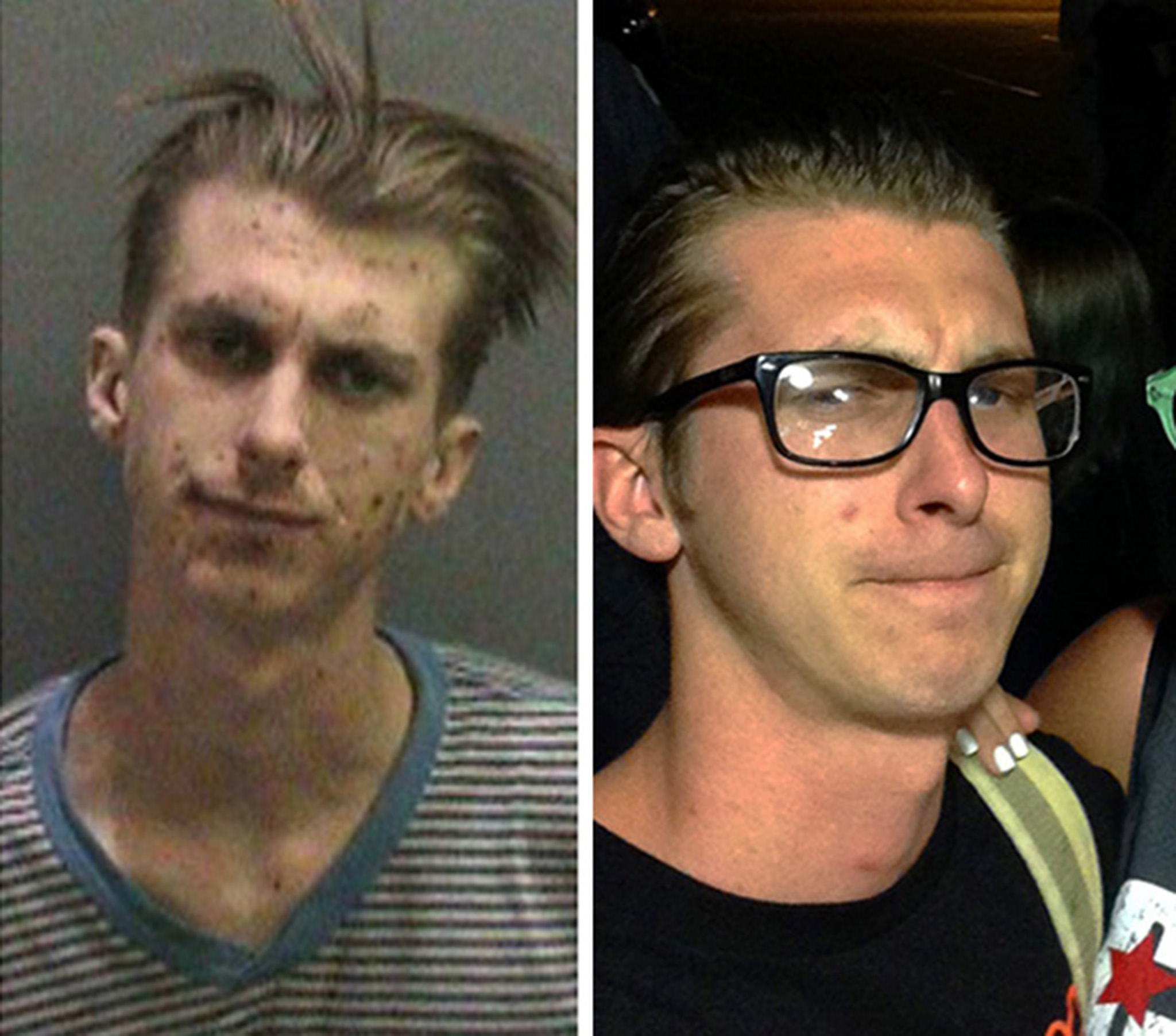
The Physical and Psychological Impact of Drug Abuse: Analyzing "Before and After" Visuals
Before-and-after pictures of individuals struggling with substance use disorders provide a stark visual record of the rapid physical deterioration caused by chronic drug abuse. These images document systemic issues, including accelerat...
Before-and-after pictures of individuals struggling with substance use disorders provide a stark visual record of the rapid physical deterioration caused by chronic drug abuse. These images document systemic issues, including accelerated skin aging, severe dental decay ("meth mouth"), and significant weight loss, resulting from the physiological strain and chemical toxicity of substances like methamphetamine, opioids, and cocaine.
Contents
The use of "before and after" photography as a public health tool gained global prominence in the early 2000s. These images do more than show a change in appearance; they serve as a chronological map of how high-potency chemicals alter human biology, suppress the immune system, and reroute neurological priorities. As of 2026, while the ethics of "shock imagery" are debated, the clinical reality of the damage captured in these photos remains a critical subject for medical and educational analysis.
The Historical Context of "Before and After" Drug Imagery
The most recognizable manifestation of this visual documentation is the "Faces of Meth" project. Launched in 2004 by Deputy Bret King of the Multnomah County Sheriff’s Office in Oregon, the project utilized mugshots of the same individuals taken over months or years. The goal was to provide a visceral deterrent to drug use by showing the rapid transformation of the human face.
By 2026, these archives have expanded to include the impacts of the fentanyl crisis and the resurgence of high-purity stimulants. Historically, these campaigns were designed to bypass the abstract "it won't happen to me" mentality by providing undeniable proof of physical decay. Critics have argued that such images can stigmatize those with substance use disorders, but from a clinical perspective, they remain some of the most effective tools for illustrating the external symptoms of internal organ failure and systemic toxicity.
The Physiological Mechanisms of Facial Change
The transformations seen in before-and-after drug pictures are not merely superficial; they are the result of profound changes in the body's chemistry and metabolic processes. Different substances produce distinct visual markers based on how they interact with the vascular system and the brain’s reward centers.
Dermatological Deterioration and Skin Picking
One of the most jarring features in these photos is the presence of open sores and scarring, particularly on the face and arms. This is often caused by formication, a sensory hallucination where the user feels as though insects are crawling on or under their skin (commonly referred to as "meth mites" or "crank bugs").
When a person experiences formication, they may pick at their skin obsessively. Because substances like methamphetamine are potent vasoconstrictors—meaning they narrow the blood vessels—the skin receives less oxygen and vital nutrients. This makes the skin thinner and less resilient. Combined with a suppressed immune system, these self-inflicted wounds fail to heal properly, leading to the permanent scarring and active lesions seen in longitudinal photography.
Dental Erosion: The Reality of "Meth Mouth"
The "after" pictures of long-term drug users often show missing, blackened, or crumbling teeth. This condition, known as "meth mouth," is caused by a combination of factors:
- Xerostomia (Dry Mouth): Many stimulants and opioids inhibit the production of saliva, which is the mouth's natural defense against acid and bacteria.
- Corrosive Substances: The chemicals used in the illicit manufacture of drugs, such as anhydrous ammonia or battery acid, are inherently corrosive to tooth enamel.
- Bruxism: Drug-induced hyperactivity often leads to chronic teeth grinding and jaw clenching.
- Lifestyle Factors: High sugar cravings (common in opioid and stimulant withdrawal) combined with a lack of oral hygiene accelerate the decay.
Facial Wasting and Fat Redistribution
Chronic drug use often leads to a hollowed-out appearance. Stimulants act as powerful appetite suppressants, leading to rapid weight loss and the depletion of subcutaneous fat—the fat layer directly under the skin that provides a youthful, "full" look. When this fat is lost, the skin sags over the underlying bone structure, creating the sunken eyes and skeletal appearance characteristic of "after" photos.
Substance-Specific Visual Markers
While many drugs cause general health decline, specific substances leave unique signatures on the human face. Understanding these differences is essential for medical professionals and family members identifying the signs of use.
| Substance | Primary Visual Impact | Biological Mechanism |
|---|---|---|
| Methamphetamine | Open sores, "meth mouth," extreme facial wasting. | Vasoconstriction, formication, and severe appetite suppression. |
| Heroin / Opioids | Sunken eyes, "gray" skin tone, pinpoint pupils, drooping eyelids. | Chronic respiratory depression causing low blood oxygen levels (hypoxia). |
| Cocaine | Deviated septum (collapsed nose), facial swelling, dilated pupils. | Destruction of nasal cartilage due to restricted blood flow; inflammatory response. |
| Alcohol | Rhinophyma (bulbous nose), broken capillaries (spider veins), jaundice. | Permanent dilation of blood vessels and liver dysfunction (bilirubin buildup). |
Beyond the Surface: The Internal "Before and After"
While the face is the most visible indicator of drug impact, the internal "before and after" is often more severe. In 2026, medical imaging such as PET and fMRI scans provide a visual record of how drug use alters the brain's "wiring."
These scans often show a significant reduction in dopamine transporters in the brain’s reward centers. In "before" scans, the brain lights up with activity in response to natural rewards like food or social interaction. In "after" scans of chronic users, these areas appear "dark" or inactive, indicating that the brain has lost the ability to feel pleasure without the drug. This neurological "before and after" explains why physical appearance often becomes a secondary concern for those in the depths of addiction; the brain has been chemically reprogrammed to prioritize the substance over survival and self-care.
The Ethics and Efficacy of Shock Imagery
The use of before-and-after pictures in 2026 is met with more nuance than in previous decades. While they are powerful educational tools, psychologists note that fear-based messaging has limitations.
- The Desensitization Factor: Continuous exposure to extreme imagery can lead to desensitization, where the public becomes numb to the human suffering depicted.
- Stigmatization vs. Education: There is an ongoing debate about whether these images prevent drug use or simply make it harder for current users to reintegrate into society due to the "mark" of addiction.
- The "Faces of Recovery" Movement: Modern campaigns have shifted toward showing a third stage: the "Recovery After." These images show the restoration of health, dental repair, and the return of facial fullness, emphasizing that the damage is often reversible with long-term sobriety and medical intervention.
Recovery and Physical Reversal: Can the Damage Be Undone?
One of the most hopeful aspects of analyzing the impact of drugs is observing the "Recovery After" phase. The human body possesses a remarkable ability to heal when the toxic stimulus is removed.
- Skin Healing: Once a person stops using stimulants, the sensation of "bugs" disappears, and blood flow to the skin improves. With proper nutrition and dermatological care, many of the sores heal, though deep scarring may require laser treatment.
- Dental Restoration: While natural teeth lost to "meth mouth" cannot grow back, 2026 dental technology allows for full-mouth reconstructions using implants and veneers, which can restore both function and self-esteem.
- Weight Regain: Stabilizing the metabolism and resuming a healthy diet allows the body to restore subcutaneous fat layers, significantly reducing the "sunken" look associated with drug use.
- Cognitive Recovery: Studies from the National Institute on Drug Abuse (NIDA) show that with prolonged abstinence, dopamine transporter levels can begin to return to normal, allowing the brain to regain its ability to process natural rewards.
Professional Advice Limitation: This article is for informational purposes only and does not constitute medical advice, diagnosis, or treatment. Substance use disorders are complex medical conditions. If you or someone you know is struggling with addiction, please consult a healthcare professional or a certified addiction specialist immediately.
Frequently Asked Questions
Why do some drugs cause people to look so much older?
Drug abuse accelerates aging through oxidative stress and the breakdown of collagen and elastin. Stimulants, in particular, restrict blood flow to the skin, depriving it of oxygen. Furthermore, the lack of sleep and poor nutrition associated with chronic use prevent the body from performing the cellular repair that typically occurs during rest.
Are the "before and after" pictures shown in schools real?
Yes, projects like "Faces of Meth" utilize real law enforcement booking photos. These are chronological records of individuals arrested multiple times over several years. While they represent extreme cases of rapid deterioration, they are factual representations of the individuals' appearances at those specific points in time.
Can "meth mouth" be cured?
"Meth mouth" cannot be cured in the sense of reversing the decay, as tooth enamel does not regenerate. However, it can be treated through extensive dental surgery, including extractions, root canals, and the installation of dentures or dental implants.
Do all drugs cause visible facial changes?
While most drugs have systemic effects, the visibility of these changes varies. Stimulants (meth, cocaine) and heavy alcohol use tend to produce the most rapid and obvious facial changes. Other substances, like prescription sedatives, may not cause dramatic facial wasting but can still lead to "puffy" features or a lack of facial expression due to muscle relaxation and poor hygiene.
How long does it take for a person's face to change from drug use?
The timeline varies based on the frequency of use and the individual's health. In some "Faces of Meth" sequences, significant deterioration is visible in as little as three to six months. In other cases, the most dramatic changes occur over several years of chronic use.
Practical Recommendation
If you are using before-and-after imagery for educational purposes, it is most effective when paired with clinical explanations of why the changes occur. This moves the conversation from "scare tactics" to biological reality. For those seeking help, visual evidence of recovery—showing the physical improvements that occur after six months or a year of sobriety—can be a powerful motivator. Focus on the availability of medical resources, such as dermatological care and dental assistance programs, which are essential components of holistic addiction recovery in 2026.
Image Gallery