Polycoin GRC CRM Software: Enterprise Overview and Operational Guide
Polycoin GRC CRM software is an enterprise regulatory technology (RegTech) platform that merges Governance, Risk, and Compliance (GRC) workflows with Customer Relationship Management (CRM). Designed for digital asset platforms, payment...
Polycoin GRC CRM software is an enterprise regulatory technology (RegTech) platform that merges Governance, Risk, and Compliance (GRC) workflows with Customer Relationship Management (CRM). Designed for digital asset platforms, payment service providers, and financial institutions, it automates Anti-Money Laundering (AML), Know Your Customer (KYC) onboarding, transaction monitoring, and unified customer risk profiling.
Contents
Understanding Polycoin GRC CRM Software
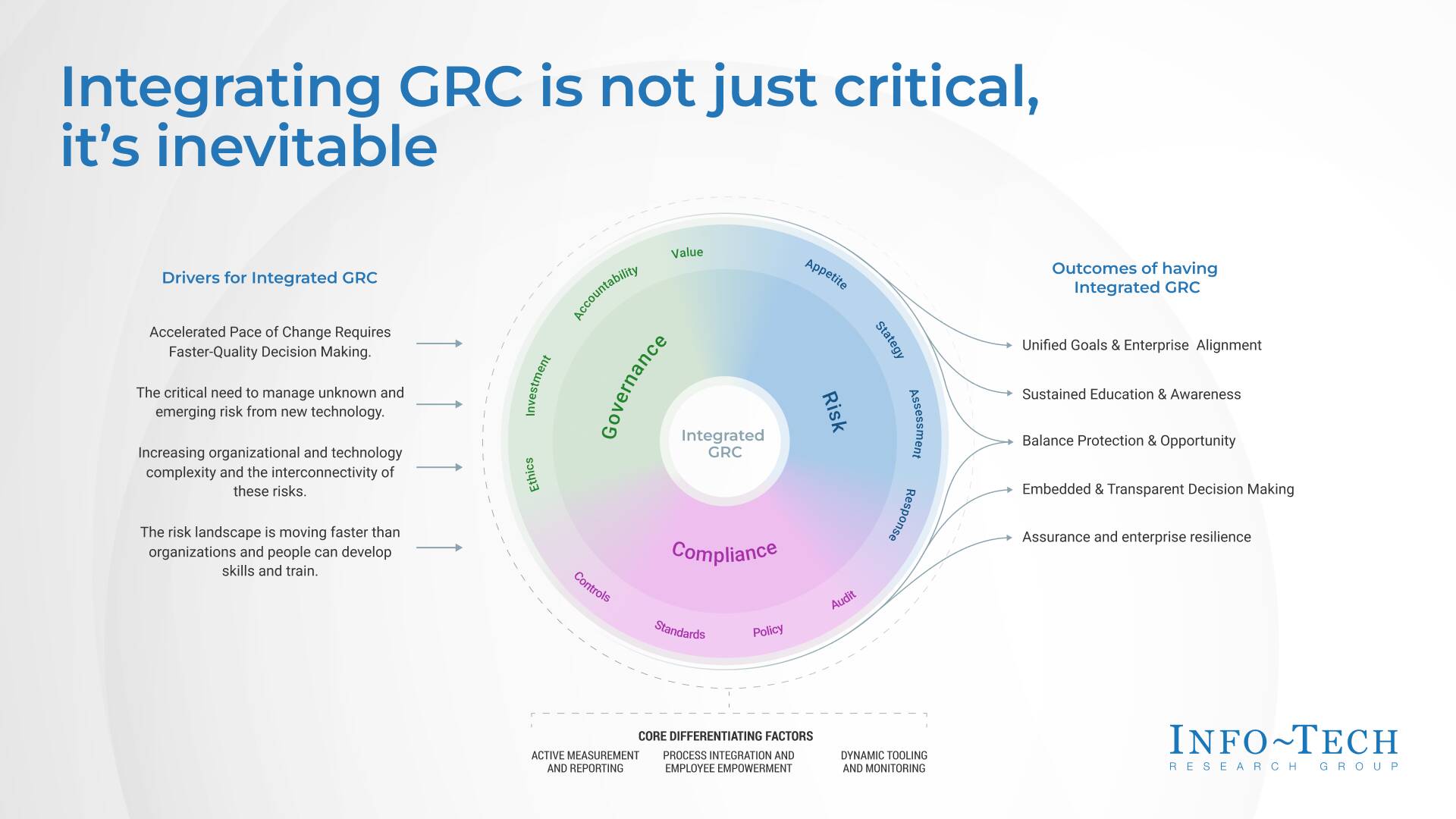
Financial technology platforms, cryptocurrency exchanges, and institutional payment gateways face strict regulatory mandates across international jurisdictions. Historically, organizations maintained two distinct software stacks: a Customer Relationship Management (CRM) platform to track client interactions, sales pipelines, and account statuses, and a separate Governance, Risk, and Compliance (GRC) system to manage regulatory obligations, sanctions screening, and transaction oversight.
Polycoin introduced an integrated approach by embedding GRC controls directly into the customer lifecycle architecture. Rather than treating compliance as a periodic audit event, Polycoin GRC CRM software embed risk scoring, identity verification, and anti-money laundering (AML) controls into every stage of customer interaction—from initial onboarding to ongoing transaction monitoring.
- Client Onboarding / Document Submission
- Polycoin GRC CRM Identity Verification
- Individual (KYC)
- Corporate (KYB)
- Automated Dynamic Risk Scoring Engine
- Low Risk: Auto-Approve
- Medium Risk: Enhanced Due Diligence (EDD)
- High Risk: Manual Compliance Review (SAR)
By unifying GRC and CRM capabilities, financial institutions eliminate data silos between business operations and risk officers. Front-office teams gain visibility into account onboarding statuses and compliance blocks, while risk officers gain immediate context regarding customer behavior, transaction histories, and business relationships.
Core Functional Modules and Capabilities
Polycoin GRC CRM software operates through modular components that address specific regulatory and operational requirements. These modules communicate continuously to update risk posture in real time.
1. Automated KYC and KYB Onboarding Workflows
The platform automates Know Your Customer (KYC) for retail individuals and Know Your Business (KYB) for corporate entities. During registration, client data is collected via customizable web components or native API hooks. The software integrates directly with global identity verification (IDV) databases, government registry databases, biometric verification providers, and optical character recognition (OCR) engines to validate passports, driver's licenses, utility bills, and corporate registration certificates.
For corporate clients, Polycoin maps complex beneficial ownership structures (UBO tracking), verifying control structures up to the threshold defined by jurisdiction (typically 10% to 25% ownership).
2. Dynamic Risk Scoring Engine
Risk is not static; it changes as customer habits, geographic locations, and financial volumes evolve. Polycoin utilizes a rules-based and algorithmic risk engine that assigns baseline risk scores during onboarding based on parameters such as:
- Geographic Jurisdiction: Sanctioned, high-risk, or FATF grey-listed countries.
- Entity Type: Politically Exposed Persons (PEPs), state-owned entities, or high-risk business categories like online gaming or cash-intensive operations.
- Product and Service Usage: High-volume cryptocurrency settlement versus domestic fiat transfers.
As new transactions occur, the system dynamically recalculates risk profiles, triggering automatic alerts or escalating accounts for Enhanced Due Diligence (EDD) when established risk thresholds are breached.
3. Real-Time Transaction Monitoring and Blockchain Analytics
For institutions handling digital assets and fiat payment flows, transaction monitoring requires both fiat banking channel checks and public blockchain ledger analysis. Polycoin tracks inbound and outbound transfers, cross-referencing sender and receiver addresses against known darknet markets, mixer services, sanctioned crypto wallets, and flagged bank routing numbers.
The system uses configurable rules to identify suspicious patterns, including:
- Structuring / Smurfing: Multiple transactions deliberately kept beneath reporting thresholds within a brief time window.
- Rapid Velocity Alerts: Unusually quick movement of funds into and out of an account.
- High-Risk Wallet Counterparties: Direct or indirect interaction with high-risk blockchain addresses.
4. Regulatory Case Management and Audit Logging
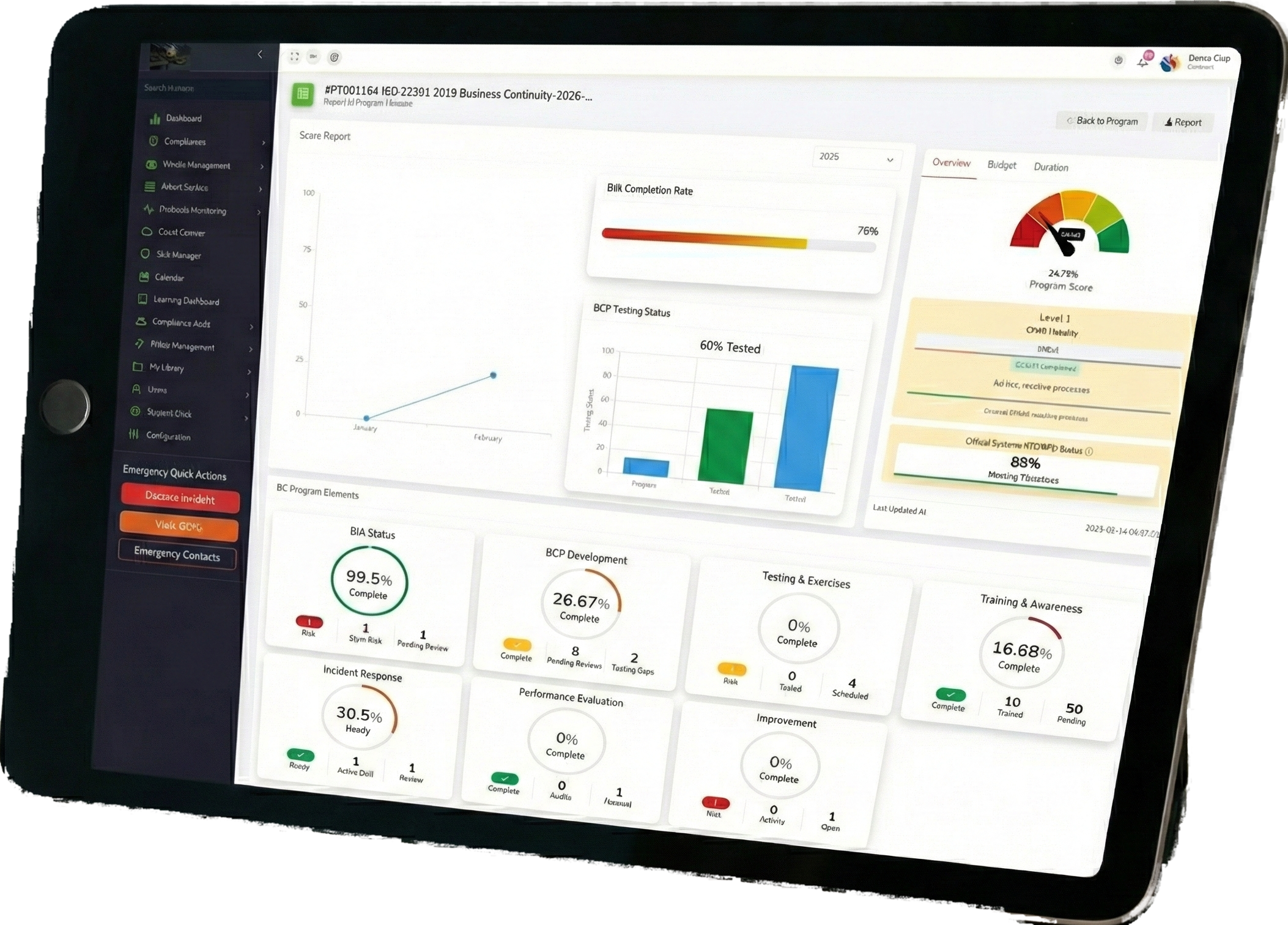
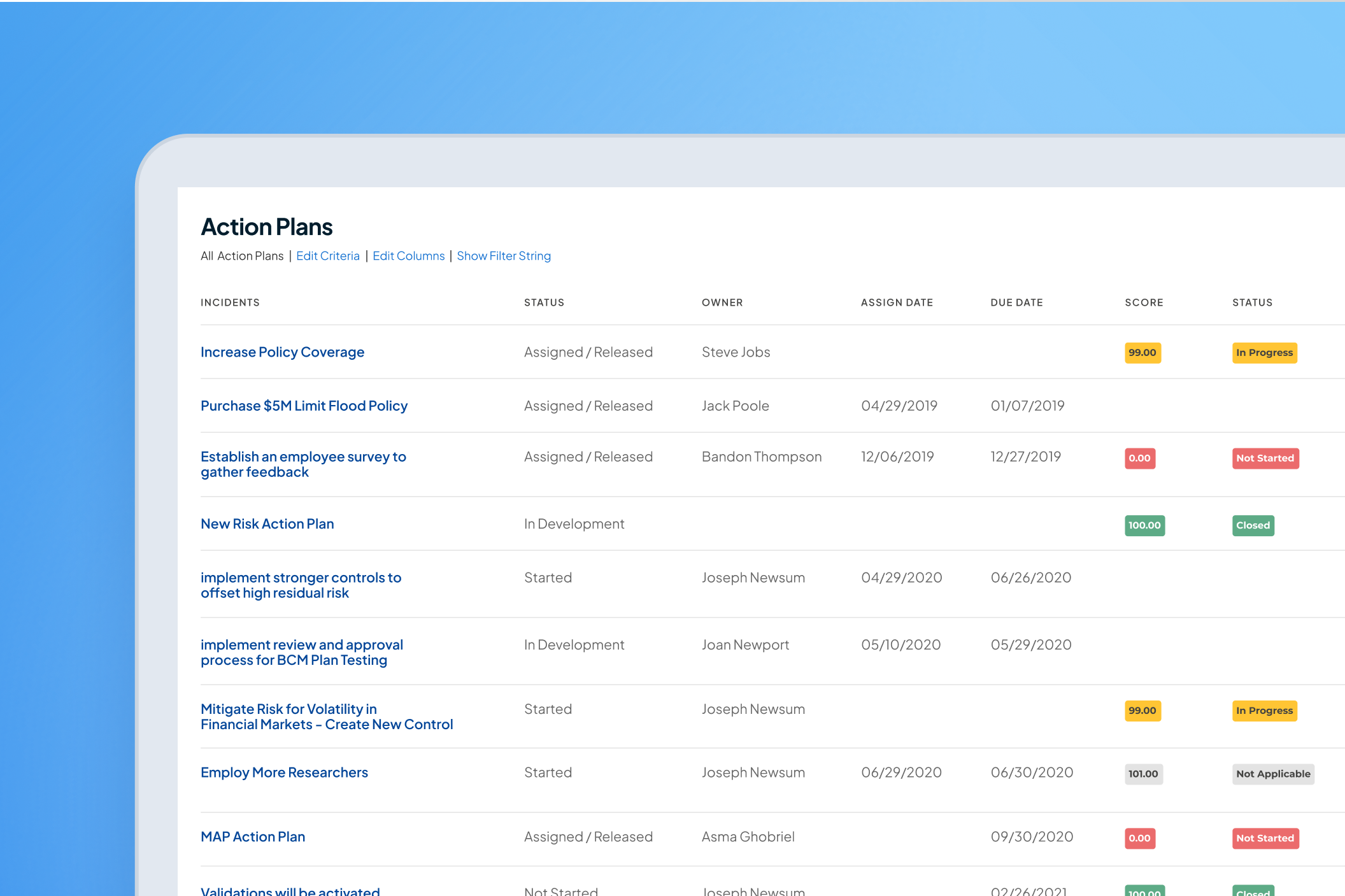
When an automated rule triggers a high-risk flag, the software opens a compliance case file within the CRM dashboard. Compliance analysts can review the full context: identity documents, communication logs, account notes, risk history, and transaction maps. The system features immutable audit logging, capturing every action, document upload, status change, and internal note to ensure audit readiness for regulatory inspections.
Technical Architecture and Integration Workflows
Modern financial infrastructure relies on microservices and real-time data processing. Polycoin GRC CRM software operates via RESTful APIs and real-time webhook architectures, enabling seamless integration with core banking systems, digital asset wallets, and third-party data services.
- Polycoin GRC CRM Core Platform
- Identity & KYC Verification
- Risk Scoring Engine & Rules Customizer
- Transaction Monitoring
- External API / Webhook Layer
- External Services and Infrastructure
- Banking Core / Wallet Infrastructure
- IDV & Biometric Verification Services
- Sanction & PEP Global Databases
Data Flow Architecture
- Ingestion Layer: Webhooks capture user inputs, document uploads, and API calls from client applications or banking rails.
- Enrichment Layer: Ingested data is automatically cross-referenced against external databases, including Dow Jones, Refinitiv World-Check, LexisNexis, and blockchain analytics engines.
- Evaluation Layer: The risk engine evaluates enriched data against pre-set enterprise compliance policies.
- Action Layer: The software executes automated decisions (e.g., auto-approve, hold funds, request additional documentation) and pushes status updates back to the core operational database via API.
Architectural Comparison: Integrated GRC-CRM vs. Legacy Alternatives
Choosing the right compliance and relationship stack determines an enterprise's operational velocity and regulatory posture. The table below illustrates how integrated GRC CRM platforms compare with alternative architectures.
| Dimension / Feature | Integrated Polycoin GRC CRM | Standalone CRM + Add-on GRC | Legacy Manual Process |
|---|---|---|---|
| Data Synchronization | Real-Time Native Sync; compliance and customer profiles share one database. | Batch / Middleware Sync; subject to API latency and field mapping errors. | Manual Copying; spreadsheet exports and fragmented email records. |
| Onboarding Velocity | Automated Instant Onboarding for low-risk accounts via policy engines. | Semi-Automated; hand-offs between sales software and compliance tools create delay. | Slow; days or weeks required for manual document checks. |
| Audit Trail Depth | Complete Immutable Logs of user activity, risk changes, and compliance notes. | Segmented Logs split across distinct vendor platforms. | Incomplete Logs; high risk during regulatory exams. |
| Total Cost of Ownership (TCO) | Lower; single license, shared database infrastructure, reduced administrative overhead. | Higher; multiple software licenses, complex custom middleware maintenance. | Extremely High Operational Cost; scaled linearly with headcount. |
| False Positive Handling | Contextual Risk Rules leverage full CRM history to suppress noise. | Isolated Alerts lack customer relationship context, elevating noise. | N/A; dependent on human capacity to scan transactions. |
| Blockchain Asset Support | Built-in / Native Hooks for digital wallet address risk scoring. | Requires Custom API Engineering to link blockchain tools to CRM. | Manual Blockchain Explorer Lookup; impractical at scale. |
Regulatory Alignment and Compliance Coverage
Compliance tools are evaluated by their ability to meet specific regulatory frameworks. Polycoin GRC CRM software aligns with major global standards:
- FATF Travel Rule (Recommendation 16): Virtual Asset Service Providers (VASPs) must pass originator and beneficiary information alongside virtual asset transfers. Polycoin incorporates Travel Rule messaging protocols to exchange verified identity metadata between compliant institutions.
- FinCEN (United States): Supports Suspicious Activity Report (SAR) and Currency Transaction Report (CTR) generation, aligning with Bank Secrecy Act (BSA) rules.
- EU 5AMLD / 6AMLD & MiCA: Features comprehensive Ultimate Beneficial Owner (UBO) verification, automated PEP and sanctions checks, and structured transaction monitoring aligned with European Anti-Money Laundering Directives and the Markets in Crypto-Assets (MiCA) regulation.
- General Data Protection Regulation (GDPR) / CCPA: Incorporates strict data privacy controls, permission-based access, data minimization protocols, and right-to-be-forgotten workflows that isolate personal identification data (PII) from public logs.
Step-by-Step Implementation and Configuration Guide
Deploying an integrated GRC CRM platform requires alignment between compliance, legal, and engineering teams. Below is the operational implementation sequence.
- Step 1: Regulatory Policy Mapping
- Define risk matrices, jurisdictions, and onboarding rules.
- Step 2: API & Infrastructure Integration
- Connect Polycoin APIs with core software, payment gateways, and wallet architecture.
- Step 3: Verification Service Hookup
- Configure external IDV, PEP/sanctions, and blockchain scanning providers.
- Step 4: Rules Engine Customization
- Set thresholds for automated approval, Enhanced Due Diligence (EDD), and auto-rejection.
- Step 5: Compliance Team Training & User Acceptance Testing (UAT)
- Test synthetic transaction scenarios and train compliance officers on case management.
- Step 6: Production Launch & Continuous Monitoring
- Go live with real-time risk tracking and automated regulatory reporting.
Phase 1: Policy and Risk Matrix Definition
Before writing software code or configuring settings, compliance leadership must define the enterprise risk assessment framework.
- Categorize high-risk, medium-risk, and low-risk customer profiles.
- Define specific document requirements for each tier (e.g., Tier 1: Email + Phone; Tier 2: Government ID + Selfie; Tier 3: Proof of Address + Source of Wealth verification).
- Establish threshold limits for deposit, withdrawal, and transaction velocity per user tier.
Phase 2: API and Middleware Integration
Developers integrate Polycoin's software development kits (SDKs) and REST APIs into front-end onboarding forms and back-end transaction engines.
- Map standard CRM database fields (Name, DOB, Address, Tax ID) to Polycoin schema.
- Set up real-time webhooks to receive instant callbacks when a user's compliance status updates (e.g.,
status: APPROVED,status: EDD_REQUIRED,status: REJECTED).
Phase 3: Rule Customization and Threshold Tuning
Navigate to the Polycoin administration portal to configure compliance rule sets:
- Sanction Thresholds: Set fuzzy matching sensitivity (e.g., 85% string similarity match) for sanctions screening to balance fraud detection against false positive rates.
- Transaction Limits: Configure rules such as flagging any transaction exceeding $10,000 equivalent or accounts exhibiting a 300% increase in average weekly volume.
Phase 4: User Acceptance Testing (UAT) and Audit Verification
Run synthetic test cases through the integration environment:
- Submit test identities representing valid users, expired documents, sanctioned entities, and PEPs.
- Confirm that high-risk cases automatically generate compliance tickets in the CRM case dashboard and send webhooks to freeze affected accounts.
- Export test audit logs to verify that reports match internal recordkeeping requirements.
Troubleshooting Operational and Integration Challenges
Challenge 1: High False Positive Rates in Sanctions Screening
- Symptom: Compliance analysts spend excessive hours reviewing alerts for common names that trigger false hits against global sanctions lists.
- Root Cause: Overly aggressive fuzzy-matching algorithms or insufficient secondary identification fields (such as date of birth or country of residence).
- Resolution: Adjust the fuzzy-matching score threshold within the rule configuration matrix from broad matching down to balanced parameters (typically 80–85%). Enable secondary multi-field validation so that alerts require both name and birth year alignment before escalating to manual compliance review.
Challenge 2: API Latency During Peak Onboarding Volume
- Symptom: User sign-ups stall or time out during high-traffic events, leading to elevated drop-off rates in the onboarding funnel.
- Root Cause: Synchronous API calls blocking front-end UI flow while waiting for third-party biometric or registry database responses.
- Resolution: Reconfigure identity verification workflows to operate asynchronously. Place user registrations into an instant pending state with optimistic UI messaging, processing background document verification via asynchronous webhooks that update account privileges when checks complete.
Challenge 3: Mismatched Beneficial Ownership Records (KYB)
- Symptom: Corporate account verification stalls due to inconsistent corporate registration records across international borders.
- Root Cause: Discrepancies between official government register documentation and self-reported applicant forms.
- Resolution: Implement a multi-stage KYB intake form that mandates official registry document uploads (e.g., Certificate of Incumbency, Articles of Incorporation) prior to running automated ownership mapping tools. Utilize manual compliance escalation queues specifically dedicated to business account reviews.
Frequently Asked Questions
What differentiates Polycoin GRC CRM software from traditional customer relationship software?
Traditional CRMs focus primarily on sales funnels, pipeline tracking, customer support, and marketing automation. They lack built-in financial compliance engines. Polycoin GRC CRM software combines client management with regulatory tools, such as automated identity verification, dynamic risk scoring, sanctions list screening, and real-time transaction monitoring tailored for regulated financial environments.
How does the system handle changes in global sanctions lists?
The platform connects with global compliance data feeds, such as OFAC, UN, EU, and UK Treasury sanctions lists. When international bodies update these databases, Polycoin automatically updates its underlying screening tables. The system can run automated re-screening against existing customer records to catch newly sanctioned entities across active accounts.
Can Polycoin manage both individual (B2C) and corporate (B2B) compliance?
Yes. The platform provides native workflows for both Know Your Customer (KYC) for individual retail accounts and Know Your Business (KYB) for corporate clients. Corporate workflows include ultimate beneficial ownership (UBO) mapping, corporate structure analysis, director screening, and corporate document collection.
Does Polycoin replace human compliance officers?
No. Polycoin automates low-risk approvals, routine data collection, and initial alert filtering. Complex, high-risk cases, suspicious pattern flags, and Suspicious Activity Report (SAR) filings remain under the control of qualified human compliance officers who make final operational decisions based on the software's consolidated contextual data.
How does the platform support crypto-native businesses handling both fiat and blockchain transactions?
The software integrates fiat transaction monitoring alongside blockchain wallet analysis engines. This dual capability allows compliance teams to trace funds from traditional bank wire transfers through on-chain cryptocurrency transactions within a single, unified client profile.
Practical Implementation Recommendations
Organizations evaluating or deploying Polycoin GRC CRM software should execute the following steps to optimize operational efficiency and compliance rigor:
- Conduct a Compliance Gap Analysis: Map existing manual processes, disjointed software tools, and regulatory requirements against Polycoin modules to pinpoint high-friction operational bottlenecks.
- Establish Precise Risk Policies Prior to Software Setup: Avoid configuring software rules without explicit policy sign-off from legal counsel. Define clear parameters for low-, medium-, and high-risk categories before setting risk engine logic.
- Optimize the User Experience (UX) Balance: Configure automated approval paths for low-risk customers to prevent unnecessary friction during onboarding, preserving manual review capacity for complex or high-risk entity profiles.
- Maintain Auditable Rule Logs: Document every change made to risk scoring thresholds, fuzzy-matching levels, and compliance rules within the platform's change log to demonstrate deliberate oversight during regulatory audits.
Image Gallery