Dana Perino’s Tenure as White House Press Secretary: A Comprehensive Review
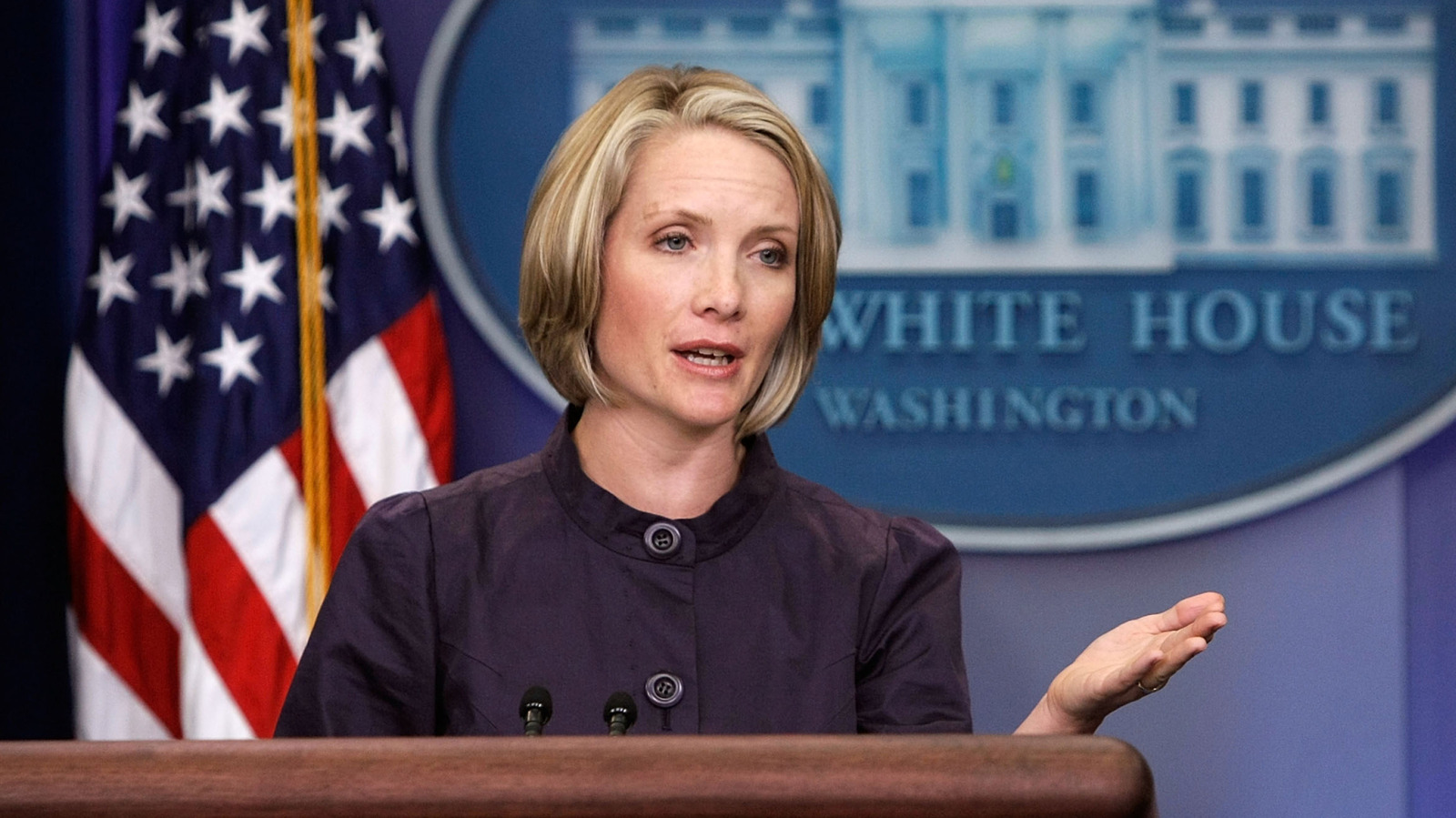
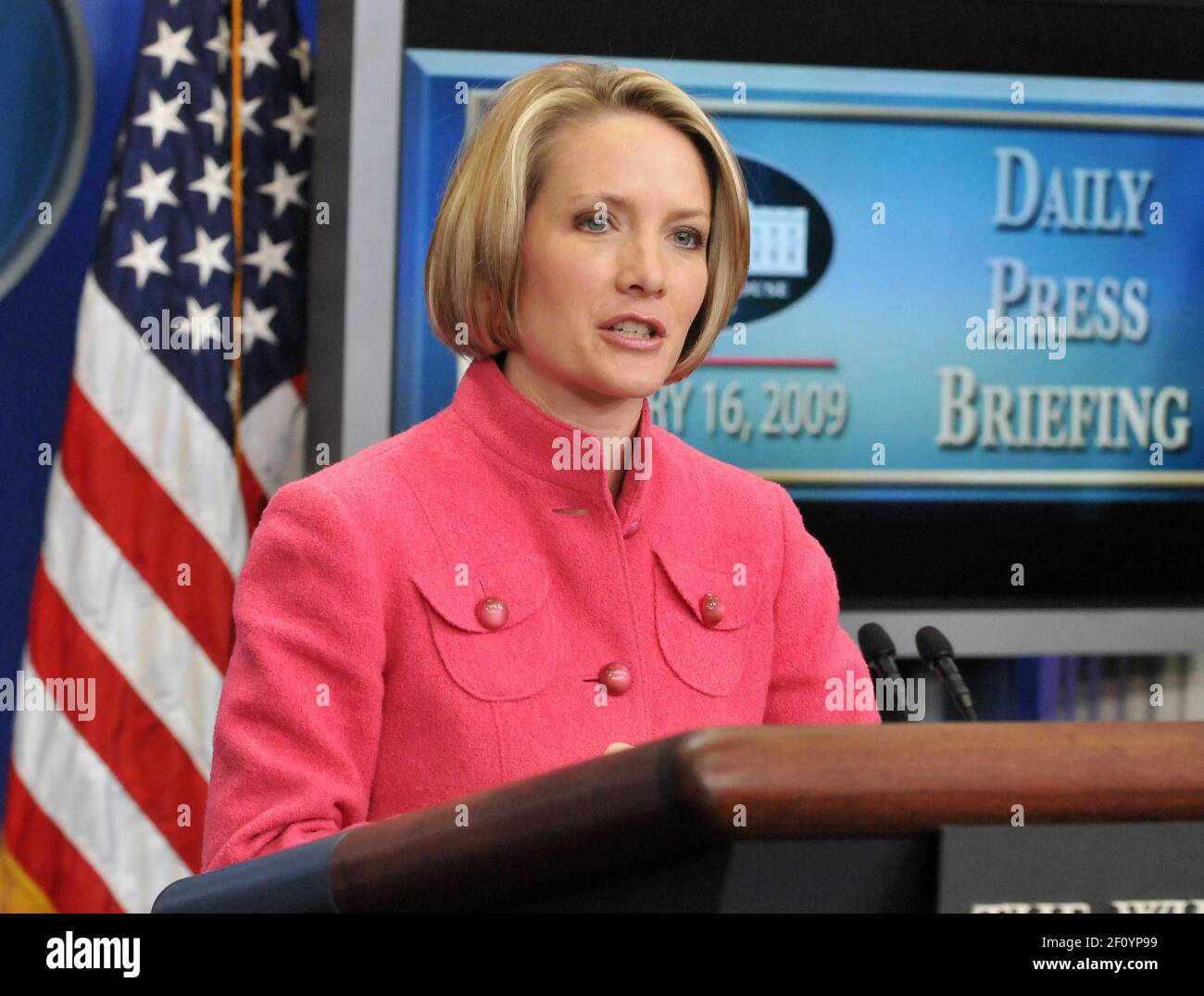
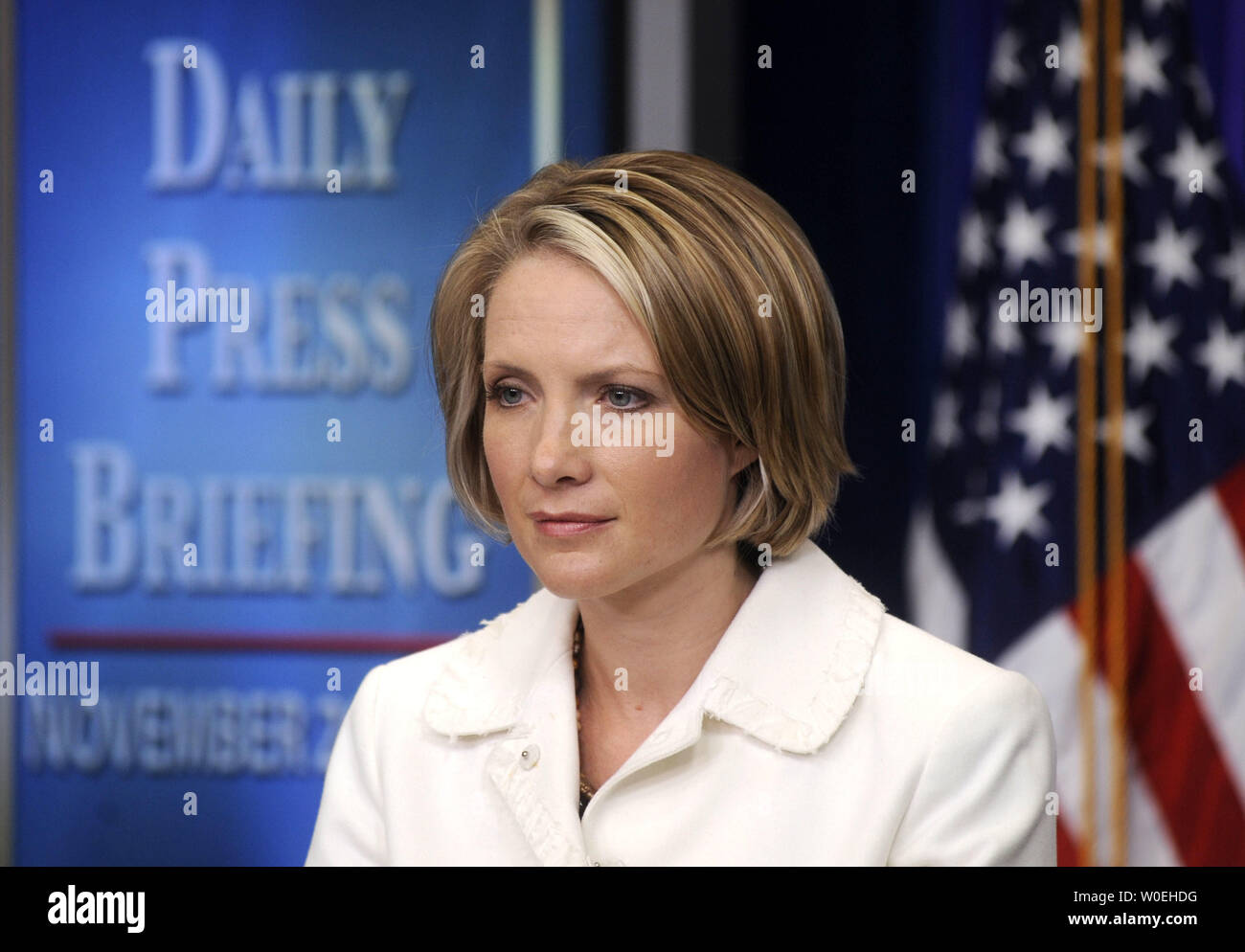
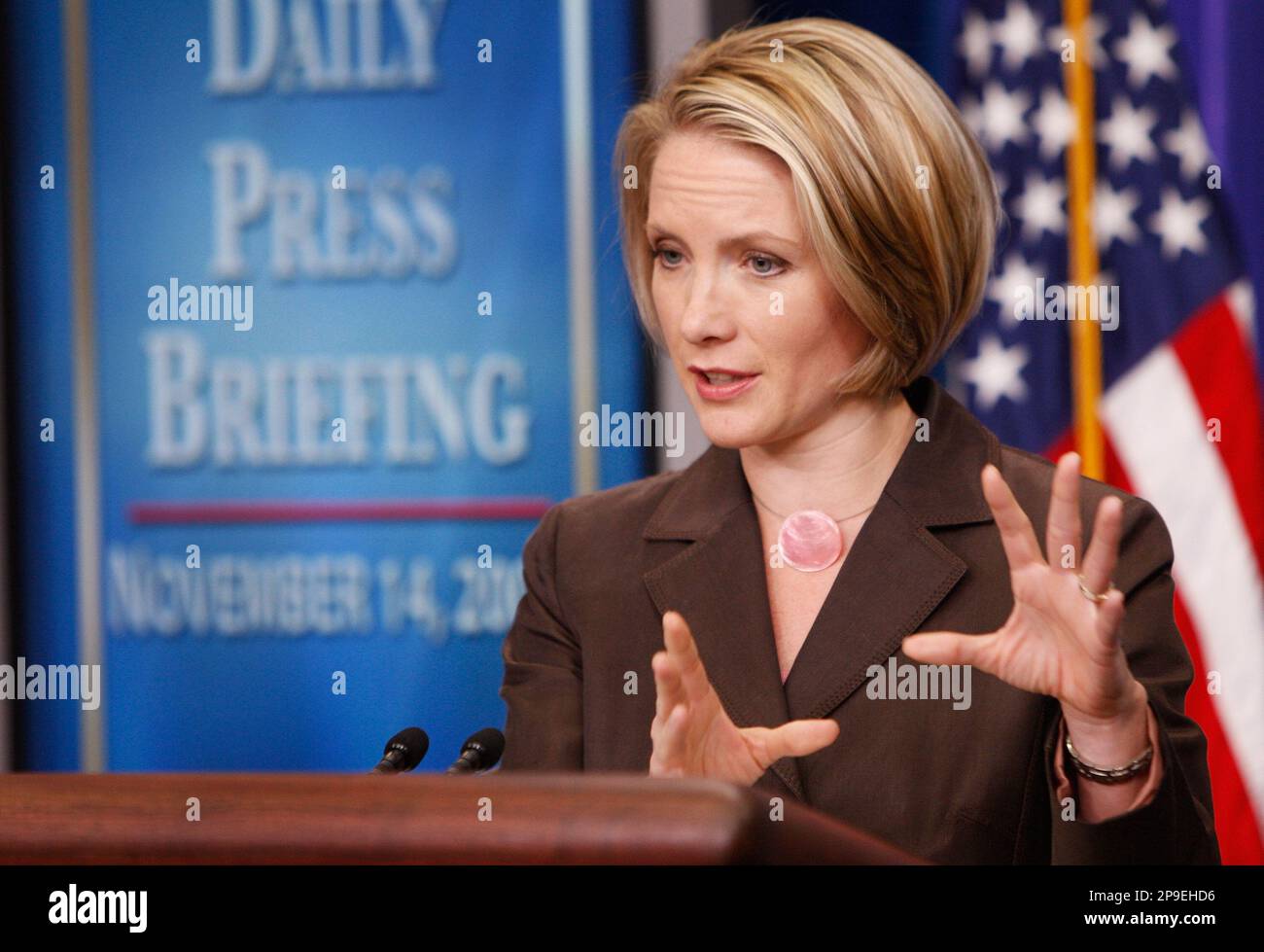
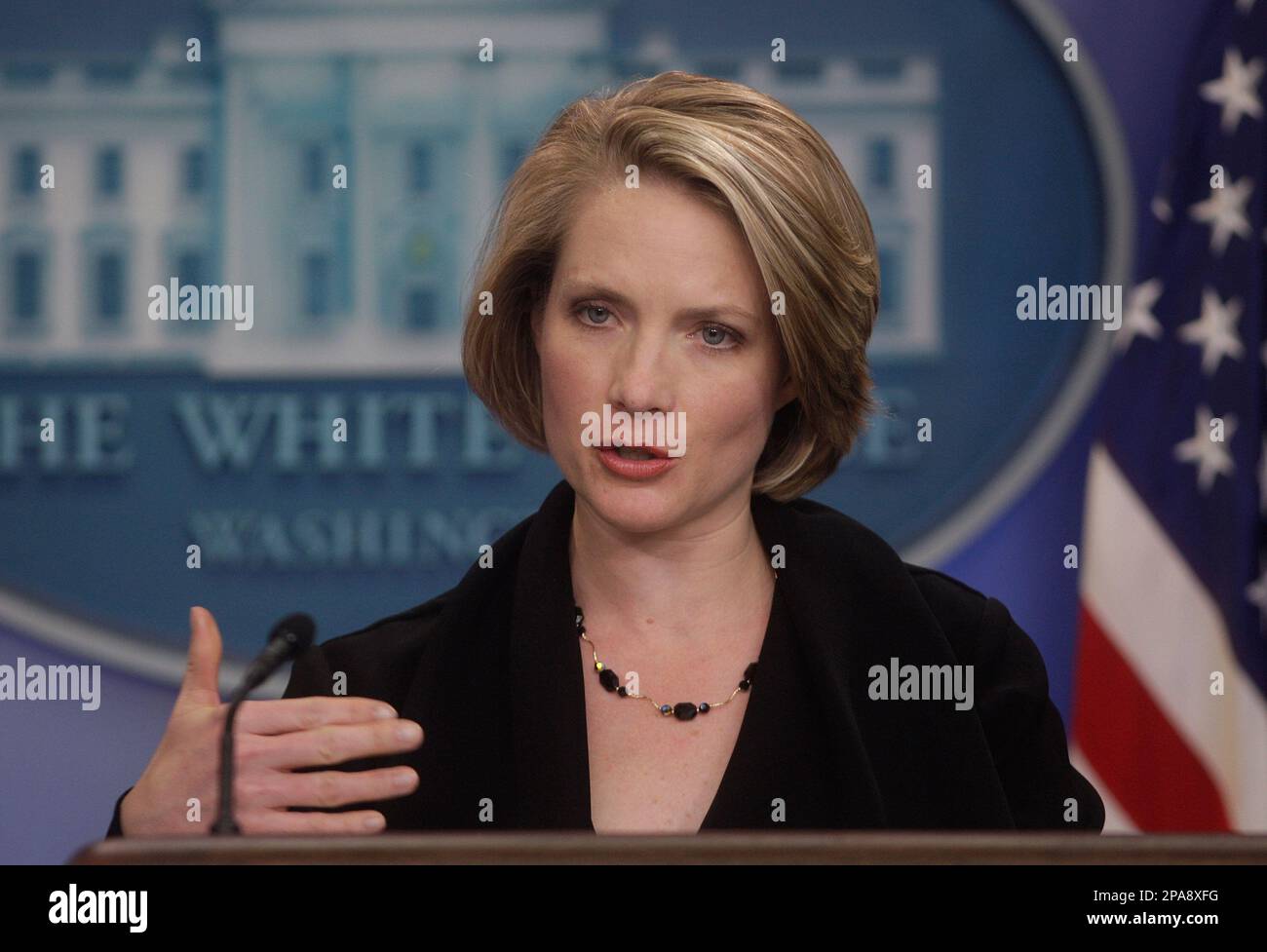
Dana Perino served as the 24th White House Press Secretary from September 14, 2007, to January 20, 2009, under President George W. Bush. As the second woman to hold this position, her tenure was characterized by a disciplined communica...
Dana Perino served as the 24th White House Press Secretary from September 14, 2007, to January 20, 2009, under President George W. Bush. As the second woman to hold this position, her tenure was characterized by a disciplined communication style during the 2008 global financial crisis and the final stages of the Iraq War.
Contents
The Path to the Podium: Pre-Secretarial Background
Before assuming the role of Press Secretary, Dana Perino built a significant foundation in government communications. Her trajectory was marked by a steady ascent through the ranks of the George W. Bush administration, providing her with the institutional knowledge necessary to lead the White House Press Office during a period of intense scrutiny.
Perino’s career in Washington began on Capitol Hill, serving as a staff assistant to Representative Scott McInnis. She later became the press secretary for Representative Dan Schaefer. After a brief period in the private sector in San Diego, she returned to Washington following the September 11 attacks, serving as a spokesperson for the Department of Justice.
In 2002, she joined the White House staff as the Associate Director of Communications for the Council on Environmental Quality (CEQ). This role was pivotal; it required her to translate complex environmental policy and regulatory data into digestible information for the public and the press. By 2005, she was elevated to Deputy Press Secretary. In this capacity, she frequently filled in for Tony Snow, the sitting Press Secretary, especially as he battled health challenges. This period served as a trial by fire, allowing her to establish rapport with the White House Press Corps before officially taking the helm in September 2007.
Strategic Communication Style and Philosophy
Dana Perino’s approach to the briefing room was distinct from her predecessors. While Ari Fleischer was known for his precision and Scott McClellan for his adherence to talking points, Perino was often described as having a "velvet hammer" approach. She maintained a polite, professional demeanor while remaining unyielding on the administration’s core policy positions.
Her tenure occurred during a transition in the media landscape. The 24-hour news cycle was accelerating, and the early stages of social media were beginning to influence how information was disseminated. Perino focused on "the gaggle"—the informal, off-camera morning briefing—as a tool to set the day's narrative and manage expectations before the televised afternoon briefing.
Expertise in preparation was a hallmark of her tenure. Perino was known for her "briefing book," a massive binder of potential questions and vetted answers compiled by the press office staff. She emphasized the importance of being "the most prepared person in the room," a strategy designed to minimize the risk of "gaffes" during a time when the President’s approval ratings were under significant pressure.
Navigating the 2008 Global Financial Crisis
Perhaps the most significant challenge of Perino’s tenure was the collapse of the housing market and the subsequent global financial crisis in late 2008. As the administration moved to implement the Troubled Asset Relief Program (TARP), Perino was tasked with the unenviable job of explaining complex economic interventions to a skeptical public and an aggressive press corps.
The communication strategy during this period required a delicate balance. The administration had to convey the gravity of the economic situation without inciting panic. Perino worked closely with Treasury Secretary Henry Paulson and the Council of Economic Advisers to ensure that the White House's messaging was technically accurate yet accessible.
During this period, the Press Office had to defend the decision to "bail out" large financial institutions—a move that was unpopular across the political spectrum. Perino’s role was to frame these actions as necessary measures to prevent a total systemic collapse, a narrative that required constant reinforcement as the crisis evolved daily.
Foreign Policy and the Iraq War "Surge"
When Perino took over in late 2007, the "Surge"—the deployment of additional U.S. troops to Iraq—was a central and controversial policy. Much of her daily interaction with the press involved defending the metrics of success in the Middle East and managing the public’s "war fatigue."
Perino had to navigate the complexities of international diplomacy while maintaining a domestic front. This included coordinating messaging with the Department of Defense and the State Department. Her briefings often involved detailed discussions on provincial reconstruction teams, the "Anbar Awakening," and the legalities of the Status of Forces Agreement (SOFA).
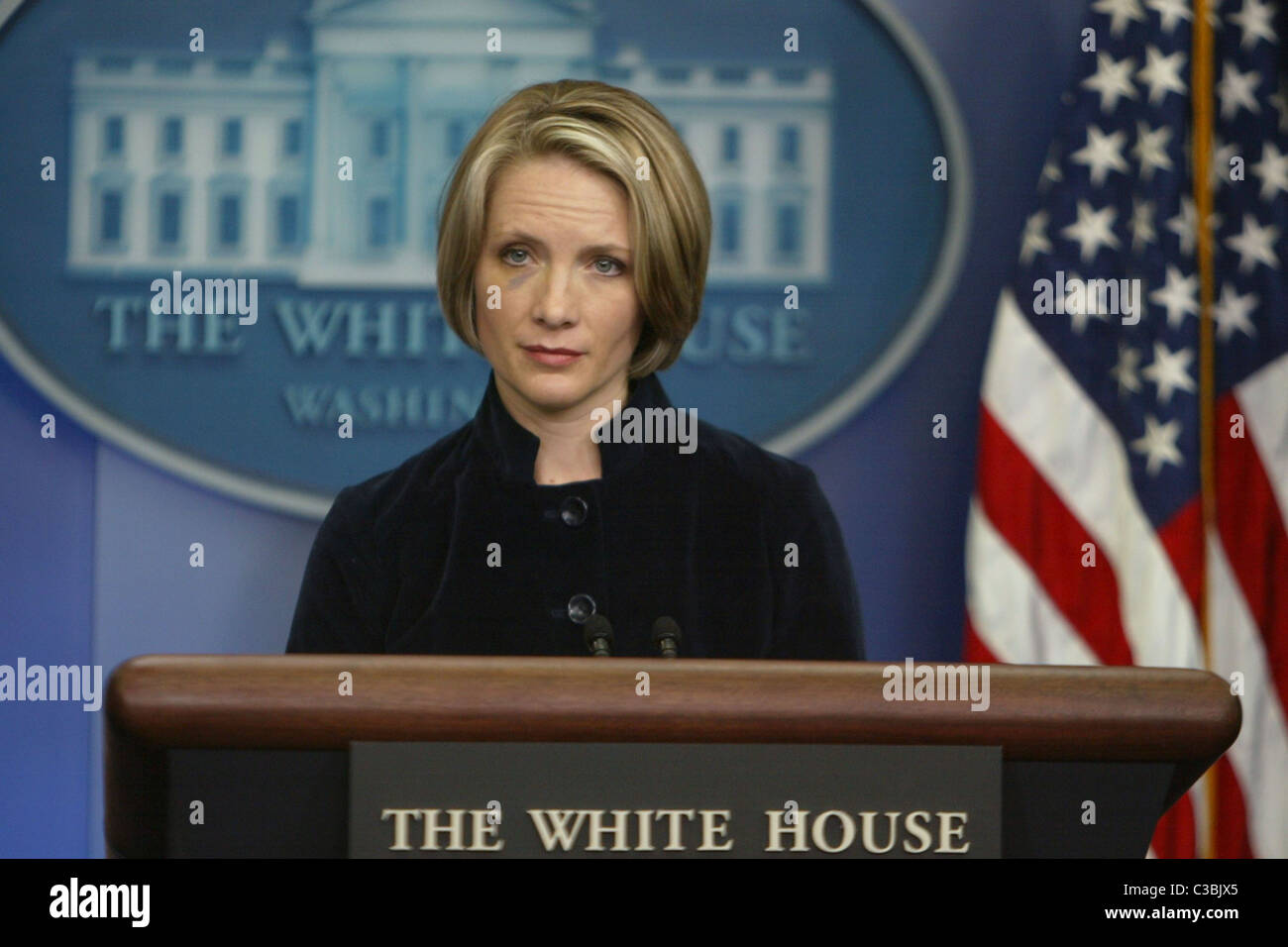
A notable, though physically painful, moment of her tenure occurred in December 2008 during a presidential visit to Baghdad. When an Iraqi journalist threw his shoes at President Bush, the ensuing scuffle resulted in Perino being struck in the face by a microphone stand. She famously appeared in subsequent briefings with a visible bruise, which she handled with a level of humor and stoicism that earned her respect from journalists who frequently challenged her on policy.
The 2008 Presidential Transition
As the 2008 election concluded with the victory of Barack Obama, Perino’s focus shifted to the presidential transition. History has since noted the 2008-2009 handover as one of the smoothest in modern American history, a process in which Perino played a vital role.
She worked directly with the incoming press team, including Robert Gibbs, to ensure they had access to the infrastructure of the White House Press Office. This included sharing logistical data, briefing room protocols, and the technicalities of managing the press pool. Perino’s commitment to a "graceful exit" was rooted in the belief that the stability of the Office of the President was more important than partisan differences, especially given the ongoing wars and the fragile state of the economy.
Comparison of Bush Administration Press Secretaries
To understand Perino’s impact, it is helpful to view her tenure in the context of the other individuals who served in the same role under George W. Bush.
| Press Secretary | Tenure Dates | Primary Focus/Challenges | Communication Style |
|---|---|---|---|
| Ari Fleischer | 2001–2003 | 9/11 Attacks, Start of Iraq War | High precision, disciplined, assertive |
| Scott McClellan | 2003–2006 | Hurricane Katrina, CIA Leak Case | Strictly scripted, focused on "the message" |
| Tony Snow | 2006–2007 | Midterm elections, Iraq War policy | Engaging, conversational, background in media |
| Dana Perino | 2007–2009 | 2008 Financial Crisis, Transition | Fact-heavy, prepared, professional stoicism |
The Mechanics of the White House Press Office Under Perino
The White House Press Office under Perino was a highly structured environment. As the Press Secretary, she oversaw a staff of assistants and deputies who were responsible for different "beats" or policy areas.
- The Morning Gaggle: An off-camera meeting with reporters to provide the President’s schedule and take preliminary questions.
- The Briefing Book Assembly: A daily ritual involving the gathering of data from various federal agencies to prepare for the televised briefing.
- Rapid Response: Perino’s team had to respond to breaking news in real-time, often via early digital platforms and email blasts to the press corps.
- Strategic Planning: Weekly meetings with the Communications Director (such as Kevin Sullivan or Ed Gillespie) to align the daily briefings with long-term administration goals.
Perino’s ability to manage these moving parts while maintaining her own credibility was essential for an administration that was increasingly isolated by political polarization and low approval ratings toward the end of its second term.
Frequently Asked Questions
Was Dana Perino the first woman to serve as White House Press Secretary?
No, she was the second. The first woman to hold the position was Dee Dee Myers, who served under President Bill Clinton from 1993 to 1994. Perino was, however, the first Republican woman to serve in the role and the first woman to serve as Press Secretary for a full tenure of more than a year.
What happened to Dana Perino after she left the White House?
Following the end of the Bush administration in 2009, Perino transitioned into a successful career in media and publishing. As of 2026, she remains a prominent figure at Fox News, having co-hosted "The Five" and anchored her own news programs. She also served on the Broadcasting Board of Governors, appointed by President Obama.
How did Perino handle the "Cuban Missile Crisis" comment controversy?
In a self-deprecating story she told later, Perino admitted that during a briefing, she was momentarily confused about the details of the Cuban Missile Crisis. While this was used by critics to question her historical knowledge, Perino used the incident to highlight the intense pressure and the volume of information a Press Secretary must process, ultimately turning the moment into a lesson on humility in public service.
Did Dana Perino write a book about her time in the White House?
Yes, she authored the memoir "And the Good News Is...: Lessons and Advice from the Bright Side," published in 2015. The book provides a detailed look at her time in the West Wing, her relationship with President Bush, and her perspectives on professional development and communication strategy.
What was the "shoe incident" and how did it affect her?
During a 2008 press conference in Baghdad, an Iraqi journalist threw his shoes at President Bush. In the ensuing chaos as Secret Service agents and others jumped to intervene, a microphone stand was knocked into Perino’s face. She suffered a bruised eye but continued her duties, famously saying later that she would have "taken a shoe" for the President if necessary.
Practical Legacy and Next Actions
For those studying political communication or aspiring to careers in public relations, Dana Perino’s tenure offers a masterclass in crisis management and professional preparation. Her legacy is not defined by a single policy, but by her ability to maintain a functional relationship between the executive branch and the media during a period of national instability.
If you are researching the evolution of the White House Press Office, the following next actions are recommended:
- Review Archived Briefings: The White House Archives and C-SPAN maintain video records of Perino’s briefings from 2007 to 2009, which provide insight into her verbal tactics and handling of hostile questioning.
- Study the 2008 Transition: Look for the "Memorandum of Understanding" between the Bush and Obama administrations to see the technical framework Perino helped facilitate.
- Analyze the Financial Crisis Messaging: Compare the Treasury Department’s technical releases with Perino’s briefing transcripts to see how policy is translated for the general public.
Image Gallery