Understanding the Dividend Life Insurance Policy Meaning
A dividend life insurance policy is a type of permanent life insurance—most commonly whole life—offered by mutual insurance companies that provides policyholders a share of the company’s divisible surplus in the form of annual dividend...
A dividend life insurance policy is a type of permanent life insurance—most commonly whole life—offered by mutual insurance companies that provides policyholders a share of the company’s divisible surplus in the form of annual dividends. These payments are not guaranteed, but when issued, they function as a partial return of excess premium payments made by the policyholder.
Contents
The Mechanics of Participating Insurance Policies
At the core of understanding dividend life insurance is the concept of a "participating" policy. Unlike non-participating policies, where the insurer retains all profits and risks, a participating policy allows the policyholder to share in the financial performance of the insurance company. This performance is determined by three primary factors: mortality experience, investment income, and operating expenses.
When a mutual insurance company collects premiums, it calculates the cost of insurance based on conservative estimates. If the actual number of claims (mortality) is lower than projected, if investment returns on the company’s general account assets outperform targets, or if the administrative overhead is lower than anticipated, the company may realize a surplus. The board of directors of the insurance company determines what portion of this surplus is "divisible," and a share is distributed to policyholders as a dividend.
Why Dividends Are Not Guaranteed
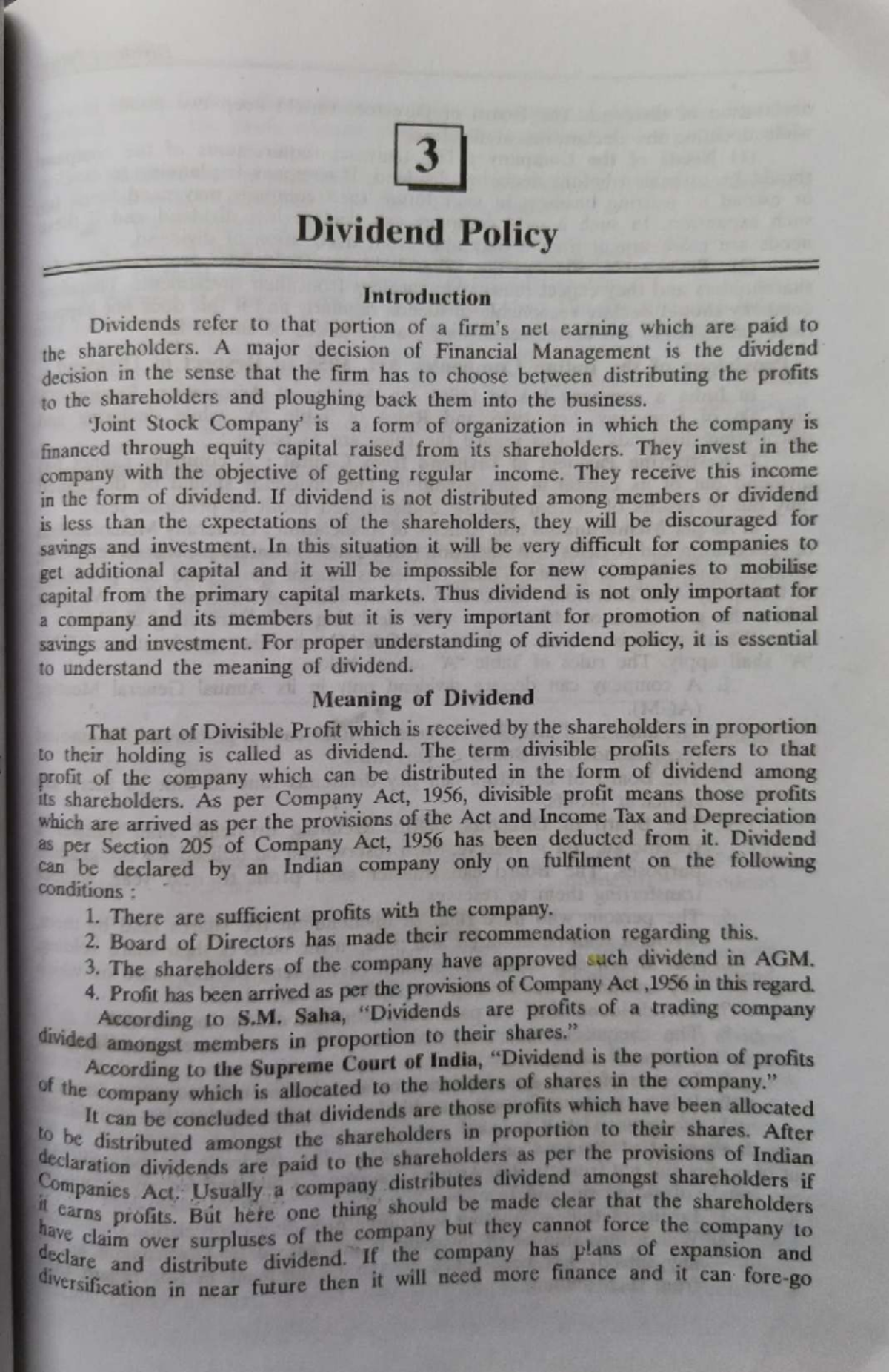
One of the most frequent misconceptions regarding life insurance dividends is that they operate like corporate stock dividends. While the terminology is similar, they are fundamentally different. Stock dividends are payments made to shareholders from a company's earnings. In contrast, life insurance dividends are legally considered a return of excess premiums.
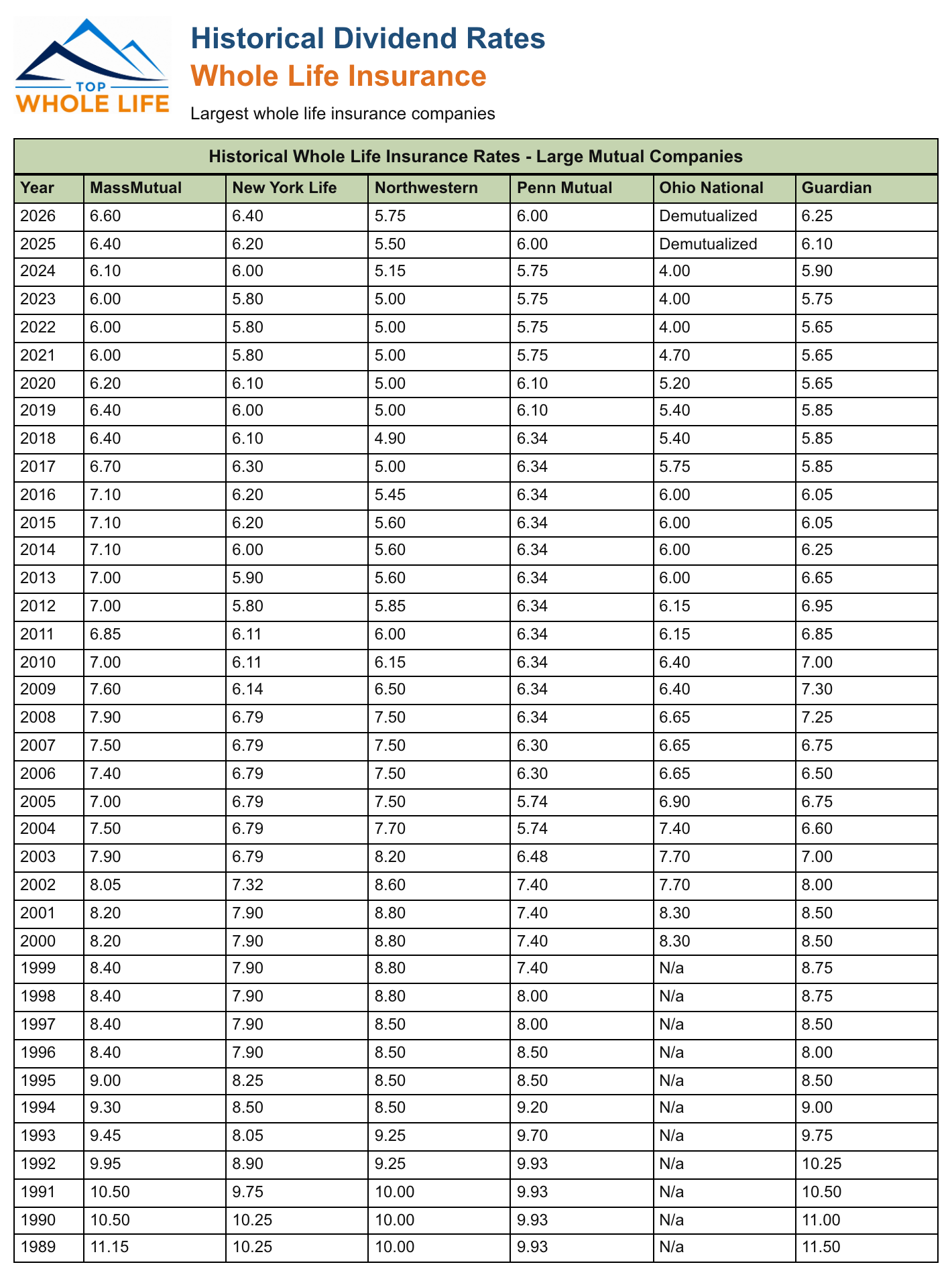
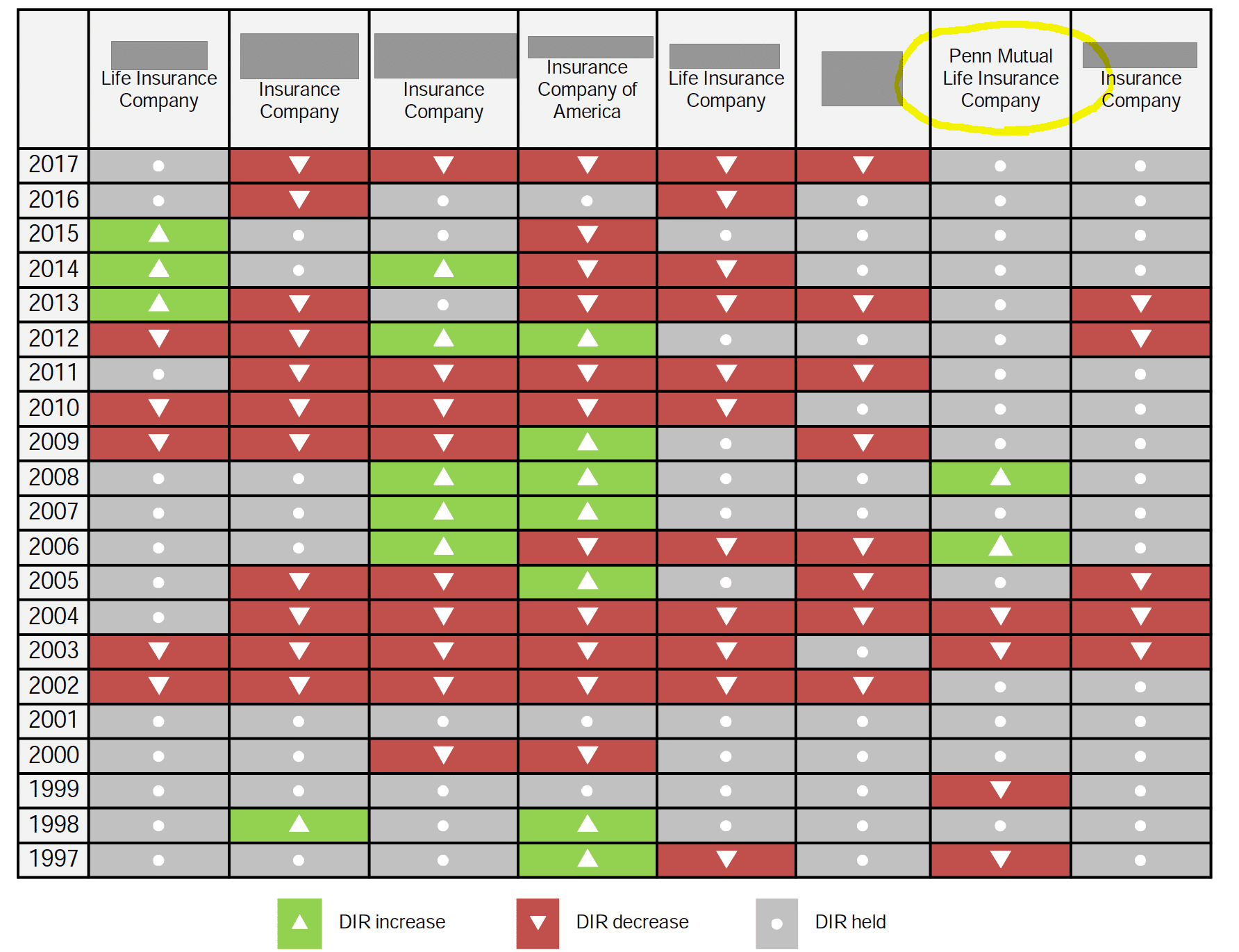
Because they are derived from the actual performance of the company, dividends can never be guaranteed. A company may choose to skip a dividend payment in a difficult economic climate, during periods of high mortality (such as during a pandemic), or if their investment portfolio underperforms. Consequently, when reviewing a policy illustration from an insurer, you will see a distinction between "guaranteed" cash values and "non-guaranteed" projections that include dividend assumptions. It is vital to base your financial planning on the guaranteed values, treating dividends as an added bonus rather than a fixed income stream.
Dividend Options: Putting Funds to Work
Once an insurer declares a dividend, the policyholder typically has several options for how those funds are handled. Most insurers provide the following standard choices:
- Cash Payment: The insurer sends the dividend directly to the policyholder via check or electronic transfer. This is the most straightforward but provides the least long-term growth for the policy.
- Premium Reduction: The dividend is applied to lower the out-of-pocket cost of the next premium payment.
- Paid-Up Additions (PUA): This is the most common choice for those seeking to maximize long-term value. The dividend is used to purchase a small, additional amount of "paid-up" whole life insurance. This increases both the death benefit and the cash value of the policy, and these additions themselves may earn future dividends.
- Accumulation at Interest: The dividends are left with the insurance company in an account that earns interest. While the principal and interest are generally accessible, the interest portion is usually taxable as income in the year it is credited.
- Loan Repayment: If the policyholder has an outstanding policy loan, the dividend can be used to pay down the principal or accrued interest.
Comparison of Life Insurance Structures
Understanding where dividend-paying policies sit within the broader insurance landscape helps in determining suitability for your financial goals.
| Feature | Whole Life (Participating) | Universal Life (Non-Par) | Term Life |
|---|---|---|---|
| Dividend Potential | Yes (if mutual insurer) | Generally No | No |
| Cash Value | Guaranteed to grow | Variable/Interest-based | None |
| Premium Stability | Fixed | Flexible/Adjustable | Fixed (for term length) |
| Primary Purpose | Long-term wealth & legacy | Flexible coverage | Pure risk protection |
Financial Implications and Taxation
In many jurisdictions, specifically under current U.S. tax law, life insurance dividends are generally treated as a return of premium and are not taxable until the total dividends received exceed the total premiums paid into the policy. This "cost basis" recovery makes the tax treatment of dividends highly favorable compared to other investment vehicles.
However, once you withdraw an amount that exceeds your total premiums paid, the excess is treated as taxable income. Furthermore, if you choose to leave dividends to accumulate at interest, that interest is taxable annually, even if you do not withdraw it. Always consult with a qualified tax advisor or a CPA to review how dividend distributions align with your specific tax situation, especially if you hold high-value policies.
When Is a Dividend Policy Appropriate?
These policies are often recommended for individuals focused on "conservative growth" and long-term liquidity. Because the underlying assets are usually high-grade bonds and diversified investments held by the insurance carrier, they act as a stable hedge against market volatility.
They are particularly suited for:
- Estate Planning: The death benefit, bolstered by decades of paid-up additions, ensures a legacy for heirs.
- Self-Financing: The cash value within a dividend-paying policy can be used as collateral for policy loans. Since dividends often continue to be credited even while a loan is outstanding, many policyholders view this as a mechanism to "become their own banker."
- Risk-Averse Savers: For those who cannot stomach the volatility of equity markets but want a better return than a standard savings account, the long-term compounding of a dividend-paying policy provides a predictable (though not guaranteed) outcome.
Common Pitfalls and Troubleshooting
Before committing to a dividend-paying policy, consider the following common mistakes:
- Ignoring the Internal Rate of Return (IRR): Do not look at the dividend amount in isolation. Calculate the IRR of the policy over 20 or 30 years. High front-end commissions in whole life policies can take years to recover; be patient with the growth.
- Overestimating Dividend Projections: Never rely on the "current scale" projections provided by an agent as a promise of future performance. Always ask to see an illustration based on a lower dividend scale to understand the policy’s performance in a worst-case scenario.
- Mismanaging Loans: While you can borrow against the cash value, failure to pay back interest on a loan can lead to the policy lapsing. If a policy lapses, the tax consequences of the loan can be severe, potentially creating an unexpected tax bill.
Frequently Asked Questions
Are dividends from life insurance the same as stock market dividends? No. Stock dividends represent a distribution of corporate profits to shareholders. Life insurance dividends are a return of a portion of the premium you paid, resulting from the insurer's actual operating costs and claims experience being lower than estimated.
Can I withdraw my dividends anytime? Yes, typically. Depending on the company’s rules, you can usually withdraw dividends that have been left to accumulate. However, keep in mind that withdrawing them removes those funds from the compounding cycle, which will affect the future growth of your policy's death benefit and cash value.
Does a policy have to be "whole life" to pay dividends? While whole life is the most common vehicle for dividends, other types of participating permanent insurance exist. The critical factor is that the policy must be issued by a "mutual" company or a stock company that specifically offers "participating" contracts.
What happens to my dividends if the insurance company is downgraded? If a company’s financial strength rating is downgraded, its ability to pay dividends may be impacted. A company facing financial distress will likely reduce or eliminate its dividend scale to preserve capital, which is why monitoring the financial strength ratings of your insurer from agencies like A.M. Best or Moody’s is essential.
Is there a minimum age to collect dividends? There is no age requirement. Dividends are typically credited annually starting at the end of the second or third policy year, depending on the specific product structure.
Final Recommendation
If you are considering a dividend-paying life insurance policy, prioritize selecting a high-rated mutual insurance company with a long, consistent history of dividend payments—ideally over 100 years. Focus your decision on the guaranteed cash value and death benefit, and view the dividends as an essential, but non-guaranteed, lever for accelerating your policy's growth. Request a "ledger" or "illustration" from your agent that clearly displays the guaranteed values alongside the non-guaranteed dividend projections, and ensure the premium is one you can comfortably sustain for the long term.
Image Gallery