Who Kills Walter White: The Definitive Conclusion to Breaking Bad
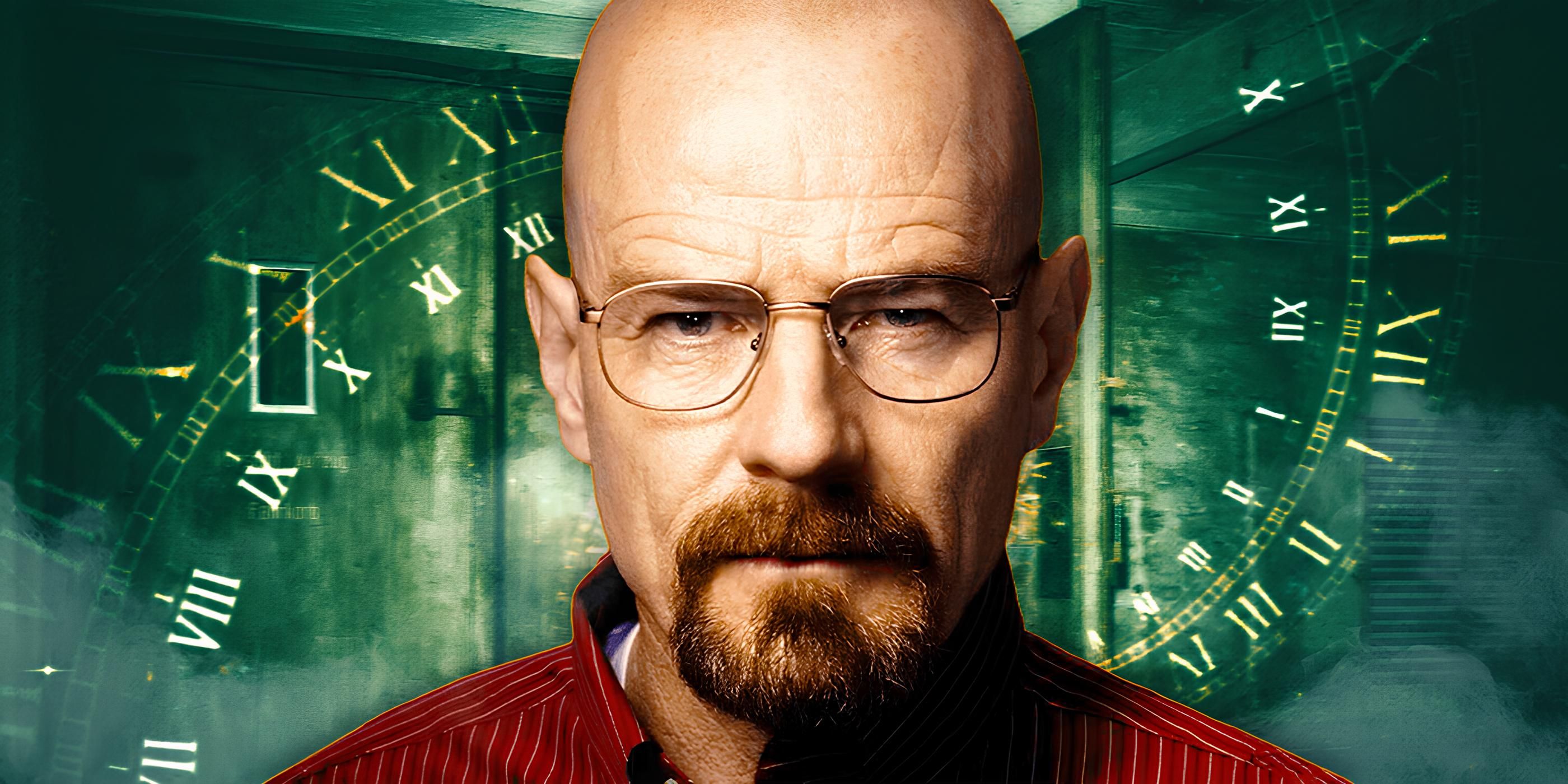
Walter White, the iconic protagonist of the television series Breaking Bad, dies from a gunshot wound sustained during the show's series finale, Felina. While he is hit by a stray bullet from his own automated machine gun rig, his deat...
Walter White, the iconic protagonist of the television series Breaking Bad, dies from a gunshot wound sustained during the show's series finale, Felina. While he is hit by a stray bullet from his own automated machine gun rig, his death is ultimately the result of his terminal cancer and the chaotic environment he engineered to rescue Jesse Pinkman from the neo-Nazi compound.
Contents
The Context of the Felina Finale
To understand the circumstances surrounding Walter White's death, one must look at the structural climax of the series. By the time the final episode concludes in 2013, White has systematically dismantled his own life. The finale serves as a narrative resolution to the moral decay he experienced throughout five seasons.
When Walter returns to Albuquerque, his primary objectives are twofold: ensuring his family receives the remaining millions of his drug money and liberating Jesse Pinkman from the clutches of Jack Welker’s Aryan Brotherhood. He achieves both, but not without paying the ultimate price. The mechanical turret he constructs serves as the primary executioner of the antagonists, but it also leaves White mortally wounded as he walks through the remnants of his empire.
Tactical Execution and the Machine Gun Rig
The "how" of the encounter involves a sophisticated piece of improvised engineering. Walter utilizes an M60 machine gun mounted in the trunk of his vehicle, triggered by a modified remote-control garage door opener. This device is the centerpiece of the final confrontation.
| Component | Function in the Finale |
|---|---|
| M60 Machine Gun | Primary weapon used to neutralize the neo-Nazi gang. |
| Remote Trigger | Allowed White to operate the weapon from outside the line of fire. |
| The Compound | Location of the final showdown, designed as an impenetrable fortress. |
| Walt's Injury | A stray projectile from his own rig, causing internal bleeding. |
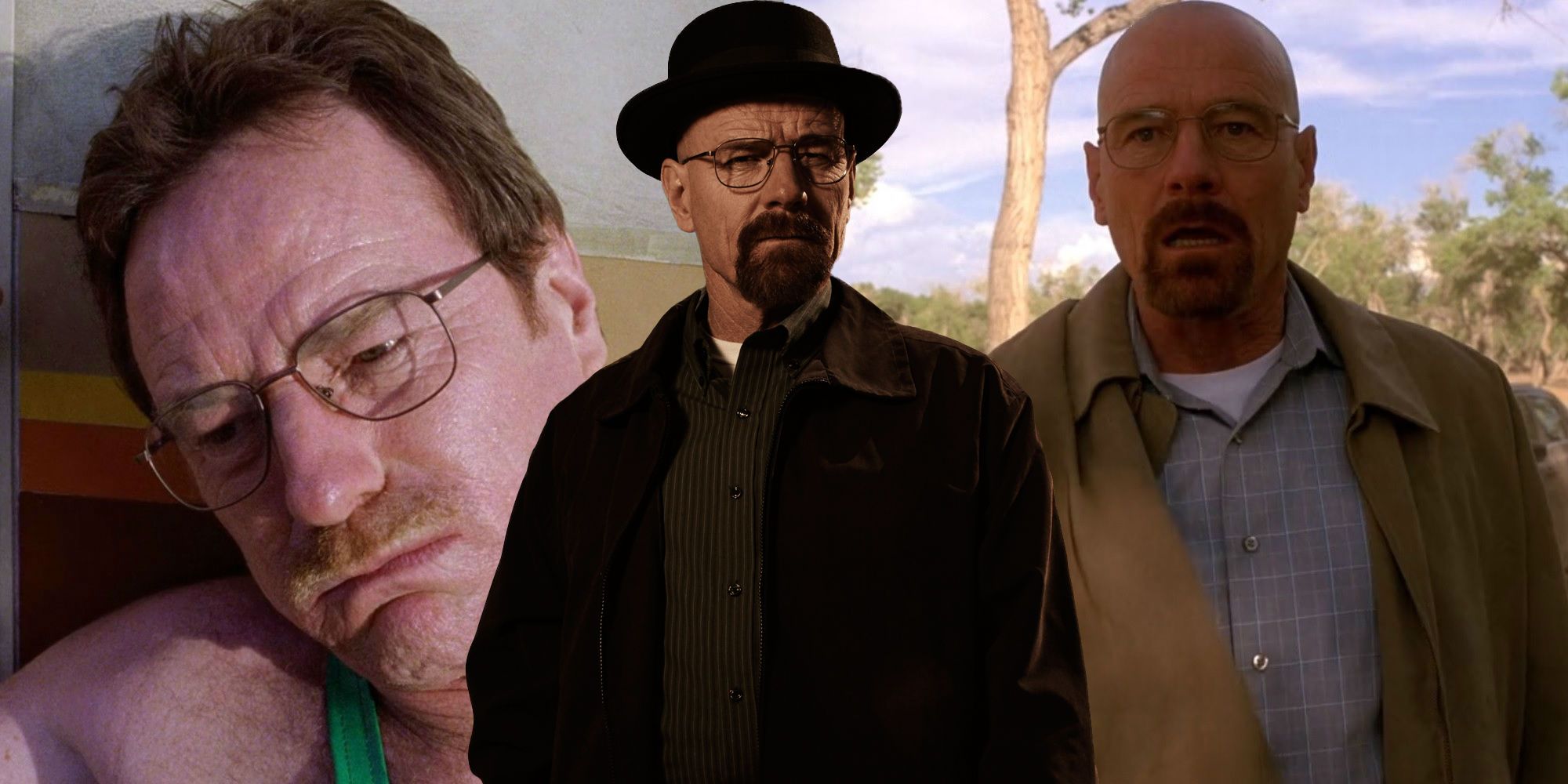
The brilliance of the sequence lies in its cold, calculated nature. Walter does not engage in a traditional shootout; he effectively automates the violence, which aligns with his transition from a chemistry teacher to a cold-blooded criminal mastermind known as Heisenberg.
Why Walter White Could Not Survive
Even if the stray bullet had not struck him, Walter White was effectively a dead man walking. By the series finale, his stage IV lung cancer had progressed to a point where his survival was measured in days, if not hours.
The Inevitability of the End
The narrative arc of Walter White was never intended to conclude with redemption in the traditional sense. His character development throughout the series suggests that his pursuit of power was a terminal illness of the soul that mirrored his physical condition. By the time the police arrive at the compound, White has already accepted his fate, finding a strange peace among the laboratory equipment he helped pioneer.
His death is not merely a physical expiration but a thematic one. He dies in a meth lab, the environment that defined his "Heisenberg" persona, surrounded by the tools of his illicit trade. This visual choice by series creator Vince Gilligan underscores that Walter White died as he lived: obsessed with his legacy and his work.
Analysis of the Final Moments
When Jesse Pinkman escapes the compound, he leaves Walter behind. This choice is significant because it allows the audience to see Walter in his final moments, alone with his thoughts and his equipment. He does not ask for help, and he does not attempt to flee. He spends his last seconds touching the stainless steel surfaces of the lab—the only thing that truly loved him back, in his own distorted perception.
This conclusion addresses several critical narrative threads:
- The Legacy: He successfully offloads the money to the Schwartzes, ensuring his family's financial future despite their likely refusal to cooperate with his intentions.
- The Partner: He grants Jesse his freedom, essentially acting as the savior he had failed to be for years.
- The Ego: He admits to Skyler White that he did not do it "for the family" but for himself, finally shedding the facade of the provider.
Frequently Asked Questions
Does Walter White die in the very last episode of the series? Yes, Walter White dies in the final episode titled Felina, which aired as the series finale. He succumbs to a gunshot wound and his terminal cancer in a meth lab.
Is Jesse Pinkman responsible for Walter White's death? No, Jesse is not responsible for Walter's death. While he had every opportunity to kill him in the final moments, he chooses to walk away and leave Walter to his fate, refusing to give him the satisfaction of being killed by his former partner.
Why did Walter White build the machine gun rig? He built the rig to ensure he could eliminate the entire gang of neo-Nazis in a single, controlled motion. It was the only way to guarantee both his survival long enough to talk to Jack and the safety of Jesse Pinkman during the rescue.
What happens to the money Walter White leaves behind? He forces Gretchen and Elliott Schwartz to act as intermediaries, laundering the remaining money so it can be legally donated to his children, Walter Jr. and Holly, in the future.
Was the ending of Breaking Bad considered controversial? The ending is widely regarded as one of the most satisfying conclusions in television history. It was praised for tying up loose ends while maintaining the integrity of the characters, specifically the darker trajectory of Walter White.
Expert Conclusion on Character Arc
From a narrative standpoint, the death of Walter White is the only logical conclusion for a character whose primary engine was hubris. The technical precision of the final scene reflects the character’s background in chemistry and his evolution into a calculated strategist. If you are re-watching the series in 2026, pay close attention to the framing of the final shots, where the camera pulls away from the fallen king, leaving behind a legacy of destruction, fractured families, and the cold, unyielding reality of the consequences of his actions. To fully appreciate the complexity of the show's writing, consider revisiting the pilot episode to contrast the man he was at the start with the man who laid down in the lab at the end.
Image Gallery