A Comprehensive Guide to Using Artificial Tears with Contact Lenses in 2026
You can safely use artificial tears with contact lenses if you choose preservative-free formulas or drops specifically labeled as "contact lens safe." Standard over-the-counter drops often contain preservatives like benzalkonium chlori...
You can safely use artificial tears with contact lenses if you choose preservative-free formulas or drops specifically labeled as "contact lens safe." Standard over-the-counter drops often contain preservatives like benzalkonium chloride (BAK), which can accumulate in soft lens materials, causing ocular toxicity, lens discoloration, and significant eye irritation.
Contents
Contact lenses are a marvel of optical engineering, but they inherently alter the natural environment of the ocular surface. As of 2026, digital eye strain remains the primary driver of contact lens discomfort, with millions of users seeking relief through artificial tears. However, the interaction between the chemical components of eye drops and the polymer matrix of a contact lens is complex. Understanding this relationship is vital for maintaining both clear vision and long-term corneal health.
The Science of Contact Lens Absorption and the "Sponge" Effect
To understand why not all artificial tears are compatible with contact lenses, one must first understand the material science of the lenses themselves. Most modern contact lenses are made from soft, hydrophilic (water-loving) plastics known as hydrogels or silicone hydrogels. These materials are highly porous to allow oxygen to reach the cornea—a process known as oxygen permeability ($Dk/t$).
Because these lenses are porous and contain a high percentage of water, they behave much like a microscopic sponge. When you apply an eye drop while wearing a soft lens, the lens absorbs the liquid and any chemical solutes contained within it. If those chemicals are therapeutic, they provide relief. However, if those chemicals are harsh preservatives, they become trapped within the lens material. Instead of being washed away by the natural blink cycle, these chemicals remain in direct, prolonged contact with the sensitive corneal epithelium, leading to chemical burns or "stippling" of the eye surface.
Preservatives: The Primary Conflict in Eye Care
The most critical factor in choosing artificial tears for use with contact lenses is the preservative system. Manufacturers add preservatives to multi-dose bottles to prevent microbial growth once the seal is broken. While effective for hygiene, they are often incompatible with lens wear.
Benzalkonium Chloride (BAK)
Benzalkonium chloride is the most widely used preservative in ophthalmic solutions due to its potent antimicrobial properties. Unfortunately, BAK is a quaternary ammonium compound that is known to be cytotoxic to the corneal surface. For a non-lens wearer, a drop of BAK is quickly diluted by tears. For a contact lens wearer, the BAK binds to the lens, creating a reservoir of the toxin that sits against the eye for hours. This can lead to:
- Corneal epithelial damage: Microscopic erosions on the surface of the eye.
- Lens Discoloration: A yellowing or "clouding" of the contact lens.
- Reduced Lens Life: Structural breakdown of the lens polymer.
"Disappearing" Preservatives
In 2026, many mid-range artificial tears use "disappearing" preservatives like Purite (stabilized oxychloro complex) or OcuPure (sodium perborate). These chemicals are designed to break down into natural tear components (like water and sodium chloride) upon contact with the eye's surface or when exposed to light. While safer than BAK, many optometrists still recommend avoiding these while lenses are in the eye, as the "breakdown" process may be hindered by the lens-to-cornea interface.
Preservative-Free (PF) Formulations
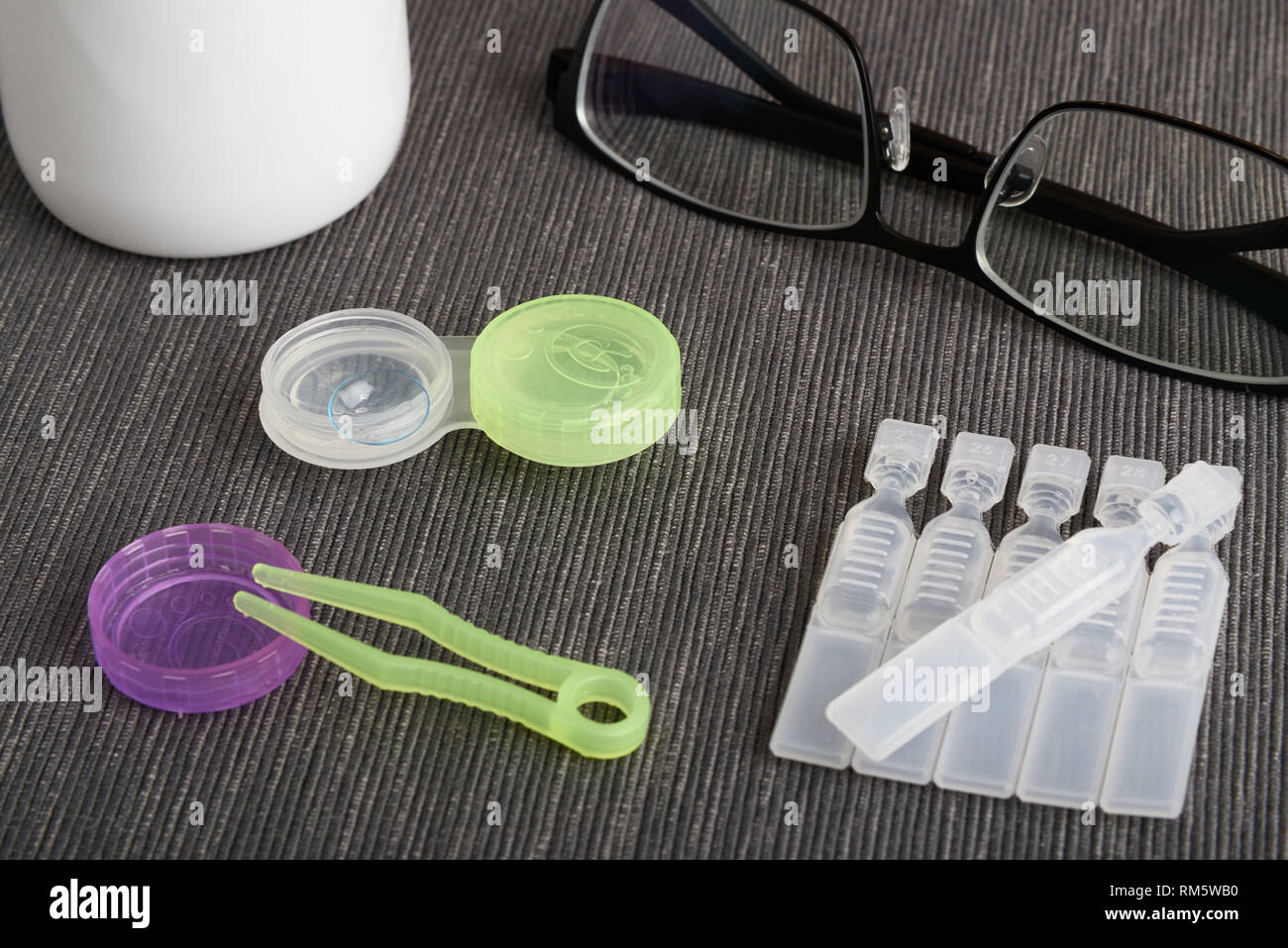
Preservative-free artificial tears are the gold standard for contact lens wearers. These are typically packaged in single-use "vials" or specialized multi-dose preservative-free (MDPF) bottles equipped with one-way valves or silver-lined filters to maintain sterility without chemicals. Because there are no preservatives to trap, these drops are 100% safe to use as frequently as needed throughout the day.
Classification of Artificial Tears and Their Use Cases
Not all lubricating drops serve the same purpose. In 2026, the market is segmented into three primary categories based on their viscosity and chemical intent.
1. Rewetting Drops
These are specifically formulated for use while the lens is on the eye. They are usually thinner (low viscosity) and contain surfactants that help clear debris and protein deposits from the lens surface. Examples include drops specifically labeled "For Contacts." They provide immediate but sometimes short-lived relief by re-hydrating the lens itself.
2. Lubricating Artificial Tears
These aim to supplement the natural tear film rather than just hydrating the lens. They often contain advanced polymers like Carboxymethylcellulose (CMC), Hyaluronic Acid (HA), or Polyethylene Glycol.
- Standard Drops: Often contain preservatives; should be used 15 minutes before inserting lenses or after removing them.
- Preservative-Free Drops: Can be used while wearing lenses. They provide longer-lasting relief than simple rewetting drops.
3. High-Viscosity Gels and Ointments
Gel drops and ointments are designed for severe dry eye. They have a thick, syrup-like or petrolatum-based consistency. Never use these with contact lenses in place. The high viscosity will coat the lens, causing profound blurring of vision and leaving a greasy film that is nearly impossible to clean off the lens surface. These should only be used at bedtime after lenses have been removed.
Managing the Ocular Surface Environment
As of 2026, environmental factors play a larger role in contact lens comfort than ever before. With the ubiquity of high-resolution displays and augmented reality interfaces, the "blink rate" of the average user has decreased significantly. Normally, a human blinks 15–20 times per minute. When focusing on a screen, this can drop to 5–7 blinks per minute.
For a contact lens wearer, this reduced blink rate is catastrophic. The lens requires a constant coating of fresh tears to remain lubricated and clear. When the eye doesn't blink, the front of the lens dries out, increasing friction between the eyelid and the lens. This friction causes the "gritty" feeling many associate with dry eyes.
Using artificial tears proactively—applying a drop before you feel discomfort—can prevent the inflammatory cascade that leads to "end-of-day" lens intolerance.
How to Apply Artificial Tears with Contacts: A Step-by-Step Guide
To maximize the efficacy of your drops and ensure the safety of your lenses, follow this protocol:
- Verify Compatibility: Check the bottle for the words "Preservative-Free" or a "Contact Lens Safe" logo.
- Wash Your Hands: Even though you aren't touching your eye directly, any oils or bacteria on your fingers can migrate to the dropper tip.
- Check the Tip: Ensure the dropper tip is not cracked or contaminated. Never let the tip touch your eye, eyelashes, or the contact lens itself.
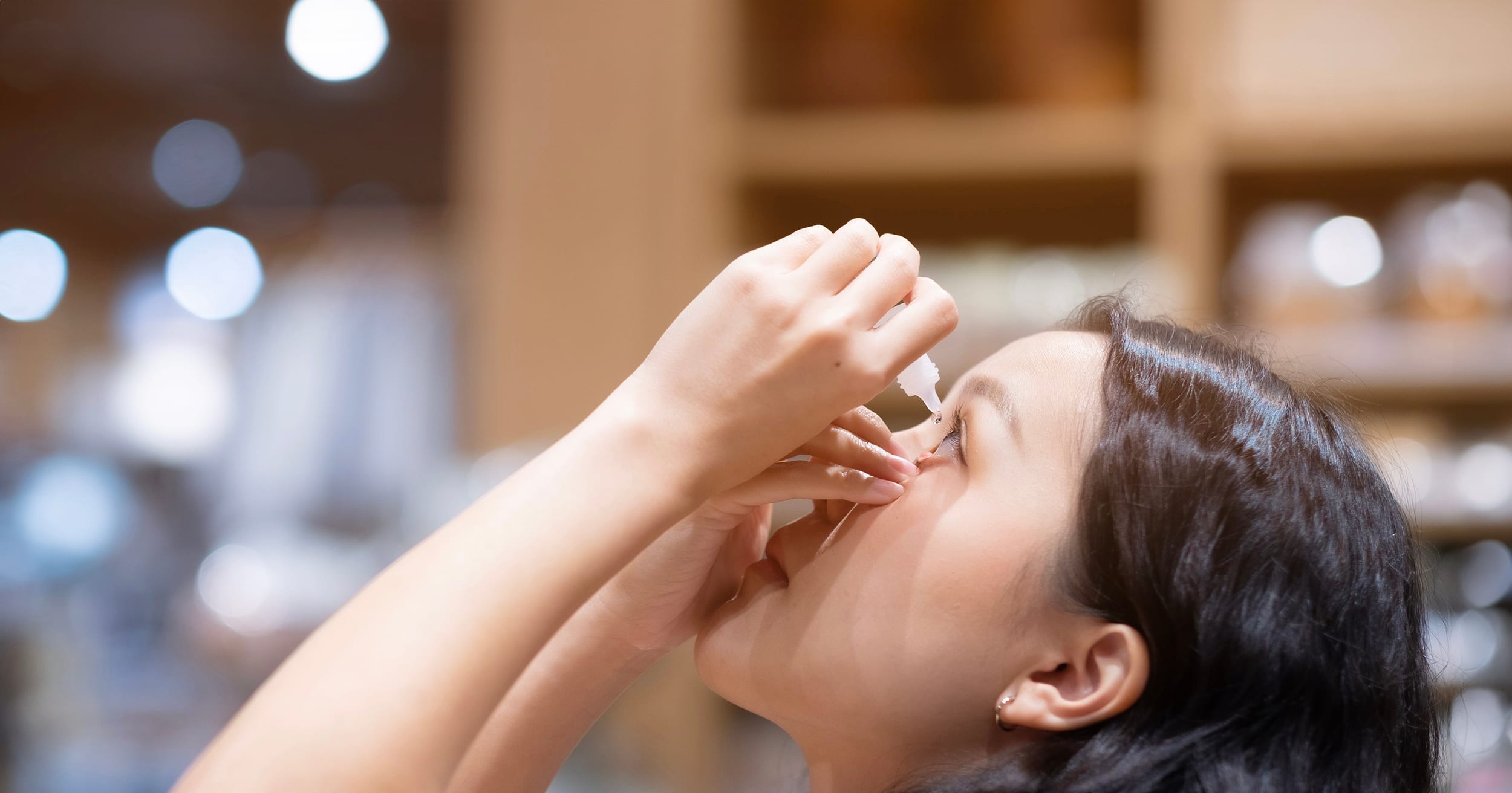
- The Application: Tilt your head back, pull down your lower eyelid slightly to create a pocket, and look upward. Instill one drop into the pocket.
- Blink Naturally: Do not squeeze your eyes shut tightly, as this can dislodge the contact lens or force the liquid out of the eye. Blink gently several times to distribute the lubricant over and under the lens.
- Wait if Necessary: If you accidentally used a drop with preservatives, remove your lenses immediately and rinse them with a dedicated contact lens multi-purpose solution.
Comparison of Eye Drop Types for Lens Wearers
| Drop Type | Preservatives | Lens Compatibility | Primary Benefit | Best Time to Use |
|---|---|---|---|---|
| Rewetting Drops | Usually None | High (All Lenses) | Cleans debris, hydrates lens | Throughout the day |
| PF Artificial Tears | None | High (All Lenses) | Long-term ocular surface health | Every 2-4 hours |
| Standard Multi-dose | BAK / Polyquad | Low (Remove Lenses) | Cost-effective for non-wearers | 15 mins before lens insertion |
| Gel Drops / Ointments | Varies | None (Blurring risk) | Severe nocturnal dryness | At bedtime (Lenses out) |
| Redness Relief Drops | Usually BAK | None | Constricts blood vessels | Avoid with lenses entirely |
Medical Considerations and Potential Risks
While artificial tears are generally safe, there are specific conditions where their use must be monitored by an eye care professional.
Redness Relief Drops (Vasoconstrictors): One of the most common mistakes lens wearers make is using "redness relief" drops (like those containing naphazoline or tetrahydrozoline) with contacts. These drops work by constricting blood vessels. When they wear off, a "rebound effect" occurs, making the eyes even redder. Furthermore, the chemicals can be trapped by the lens, leading to chronic oxygen deprivation (hypoxia) and potential permanent redness or "neovascularization" (new blood vessel growth into the cornea).
Allergic Reactions: Even with preservative-free drops, some users may be sensitive to specific polymers or electrolytes used in the formula. If you experience increased redness, itching, or swelling after using a drop, discontinue use immediately.
Chronic Dry Eye (DED): If you find yourself needing artificial tears more than four times a day, you may have an underlying condition like Meibomian Gland Dysfunction (MGD). In 2026, advanced treatments such as IPL (Intense Pulsed Light) or thermal pulsation are often recommended alongside drops to treat the root cause of dryness rather than just the symptoms.
Frequently Asked Questions
Can I use tap water to lubricate my contacts if I run out of drops? No, never use tap water or saliva. Tap water can contain Acanthamoeba, a parasite that causes a sight-threatening corneal infection. Saliva is filled with bacteria. Only use sterile ophthalmic solutions or sterile saline.
Is it okay to use "expired" preservative-free drops? No. Because preservative-free drops lack chemicals to kill bacteria, they are highly susceptible to contamination once the seal is compromised. For single-use vials, discard them immediately after use, even if some liquid remains.
Can I use medicated drops (like allergy or glaucoma drops) with contacts? Generally, no. Most medicated drops contain BAK and are intended to reach the cornea directly. You should usually wait 15 minutes after applying medicated drops before inserting your contact lenses. Always consult your prescribing physician for specific timing.
How many times a day can I put drops in while wearing contacts? If using preservative-free artificial tears, you can apply them as often as every hour if needed. However, if you require drops this frequently, you should consult your optometrist to see if a different lens material or a more intensive dry eye treatment is necessary.
What is the difference between "Contact Lens Saline" and "Rewetting Drops"? Saline is simply a pH-balanced salt water used for rinsing. It does not contain the lubricating polymers found in rewetting drops or artificial tears and will not provide long-lasting relief for dry eyes.
Final Recommendation for 2026
For the best balance of safety and comfort, always use preservative-free artificial tears while wearing contact lenses. If you are a heavy digital device user or work in a climate-controlled office, look for formulations containing Hyaluronic Acid, as this molecule provides superior moisture retention in the 2026 environment. Avoid all "redness relief" drops and high-viscosity gels while your lenses are in place. If lens discomfort persists despite regular use of compatible drops, schedule an appointment with your eye care professional to rule out more serious ocular surface diseases.
Disclaimer: This article is for informational purposes only and does not constitute medical advice. Always consult with a licensed optometrist or ophthalmologist before starting a new eye care regimen.
Image Gallery