Peter Dinklage’s Condition: An In-Depth Look at Achondroplasia and Its Impact
Peter Dinklage has achondroplasia, the most common form of skeletal dysplasia leading to disproportionate dwarfism. This genetic condition results from a mutation in the FGFR3 gene, which impairs the conversion of cartilage into bone d...
Peter Dinklage has achondroplasia, the most common form of skeletal dysplasia leading to disproportionate dwarfism. This genetic condition results from a mutation in the FGFR3 gene, which impairs the conversion of cartilage into bone during development. It primarily affects the long bones of the arms and legs while leaving the torso relatively unaffected.
Contents
Achondroplasia is a condition that has shaped both the personal life and the pioneering career of Peter Dinklage. While the world recognizes him for his Emmy-winning portrayal of Tyrion Lannister in Game of Thrones and his diverse filmography, his visibility has brought significant global attention to the medical and social realities of living with dwarfism. As of 2026, understanding this condition requires looking past the physical stature to the complex genetic, medical, and societal factors involved.
What is Achondroplasia?
Achondroplasia is a permanent genetic condition characterized by disproportionate short stature. The term "achondroplasia" literally translates from Greek as "without cartilage formation," though the medical reality is slightly different. Individuals with this condition do form cartilage; however, the process of ossification—the stage where cartilage turns into bone—is significantly hindered, particularly in the "long bones" of the body.
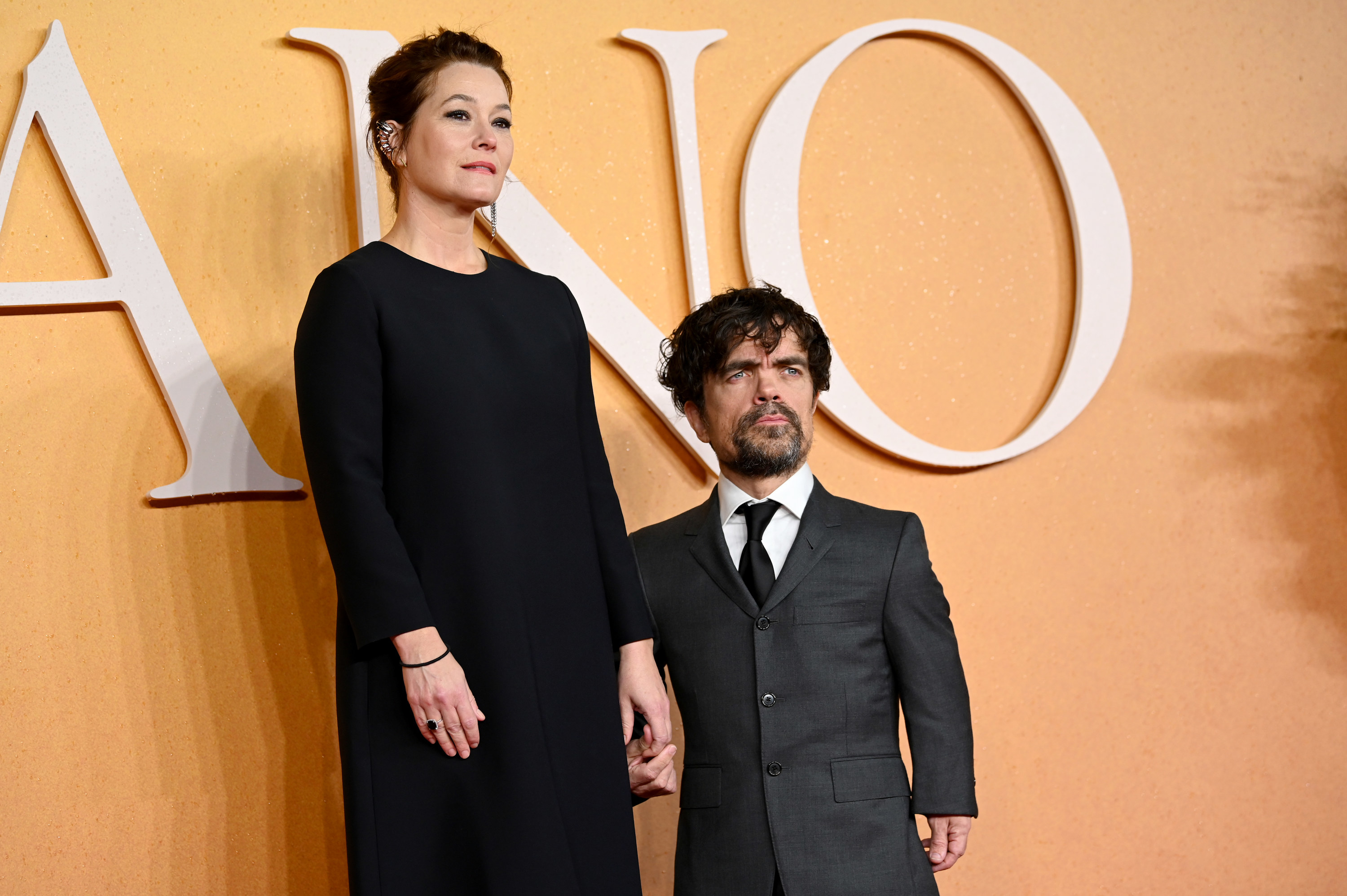
The condition occurs in approximately 1 in 15,000 to 1 in 40,000 live births. It affects all genders and ethnicities equally. For Peter Dinklage, and others with this condition, the average adult height is approximately 4 feet 4 inches (131 cm) for males and 4 feet 1 inch (124 cm) for females.
The Role of the FGFR3 Gene
At the heart of Peter Dinklage's condition is a mutation in the Fibroblast Growth Factor Receptor 3 (FGFR3) gene. Under normal circumstances, the FGFR3 gene provides instructions for making a protein that is involved in the regulation of bone growth. It acts as a "braking system" to prevent bones from growing too fast or too long.
In individuals with achondroplasia, this gene is overactive. The mutation causes the FGFR3 protein to be constantly "turned on," which sends continuous signals to the cartilage cells (chondrocytes) to stop growing. This leads to the characteristic shortening of the limbs. This mutation is almost always the same: a specific change in the DNA sequence at position 1138 of the FGFR3 gene.
Genetic Inheritance and Origins
A significant point of interest regarding Peter Dinklage’s condition is how it is inherited. Achondroplasia follows an autosomal dominant inheritance pattern. This means that only one copy of the altered gene in each cell is sufficient to cause the disorder.
However, the majority of cases are not inherited from parents. Approximately 80% of individuals with achondroplasia are born to parents of average height. These cases result from a de novo (new) mutation that occurs during the formation of reproductive cells (eggs or sperm) or in early fetal development. Peter Dinklage himself was born to parents of average height, making his case a result of a spontaneous genetic mutation.
If one parent has achondroplasia, there is a 50% chance of passing the condition to their child. If both parents have the condition, there is a 50% chance the child will have achondroplasia, a 25% chance the child will be of average height, and a 25% chance of homozygous achondroplasia—a severe form that is usually fatal shortly after birth.
Physical Characteristics and Diagnosis
Achondroplasia presents with a very specific set of physical traits that allow for clinical diagnosis, often at birth or even during prenatal ultrasounds.
- Rhizomelic Shortening: This refers to the shortening of the proximal limb segments (the upper arms and thighs). This is the most distinct feature of Peter Dinklage’s physique.
- Macrocephaly: A relatively large head size compared to the rest of the body, often accompanied by a prominent or "bossed" forehead (frontal bossing).
- Midface Hypoplasia: The bridge of the nose may appear flattened or recessed.
- Trident Hand: A characteristic spacing between the middle and ring fingers, giving the hand a three-pronged appearance.
- Thoracolumbar Kyphosis: A small hump in the upper-to-mid back, which often resolves once the child begins walking, though it may be replaced by lordosis (an inward curve of the lower back).
Comparison of Skeletal Dysplasias
To better understand Peter Dinklage's specific condition, it is helpful to compare achondroplasia with other common forms of dwarfism.
| Feature | Achondroplasia | Pseudoachondroplasia | Spondyloepiphyseal Dysplasia (SED) |
|---|---|---|---|
| Genetic Cause | FGFR3 mutation | COMP mutation | COL2A1 mutation |
| Primary Physical Trait | Disproportionate limbs, large head | Disproportionate limbs, typical head | Short trunk, vision/hearing issues |
| Inheritance | Autosomal Dominant | Autosomal Dominant | Autosomal Dominant or X-linked |
| Spine Involvement | Significant (Stenosis/Lordosis) | Moderate | Severe (Cervical instability) |
| Visibility at Birth | Immediate | Usually after age 2 | Immediate |
Medical Management and Challenges
Living with achondroplasia involves more than just navigating a world built for taller people; it often requires proactive medical management of potential complications. While Peter Dinklage has maintained a highly active and successful career, the condition carries risks that require monitoring.
1. Spinal Stenosis
This is one of the most serious complications associated with achondroplasia. Because the vertebrae are smaller and the spinal canal is narrower, the spinal cord can become compressed. This can lead to pain, tingling, or weakness in the legs. In some cases, surgical intervention (laminectomy) is required to decompress the spinal cord.
2. Hydrocephalus
In infants, the opening at the base of the skull (foramen magnum) may be too small, restricting the flow of cerebrospinal fluid or compressing the brainstem. This requires careful monitoring during the first few years of life and may necessitate surgery to enlarge the opening.
3. Sleep Apnea
Many individuals with achondroplasia suffer from obstructive sleep apnea. This is caused by the smaller size of the midface and upper airways. Management often involves the removal of tonsils and adenoids or the use of a CPAP machine.
4. Orthopedic Issues
Bowed legs (genu varum) are common. While many individuals do not require treatment, severe cases that cause pain or difficulty walking may be corrected with surgery. Additionally, chronic joint pain and early-onset osteoarthritis are risks due to the unique mechanical stress placed on the joints.
Social Advocacy and Peter Dinklage’s Impact
Beyond the clinical definition of his condition, Peter Dinklage has become a pivotal figure in the social and cultural discourse surrounding dwarfism. He has been vocal about the challenges faced by "little people" in the entertainment industry and society at large.
Challenging Stereotypes
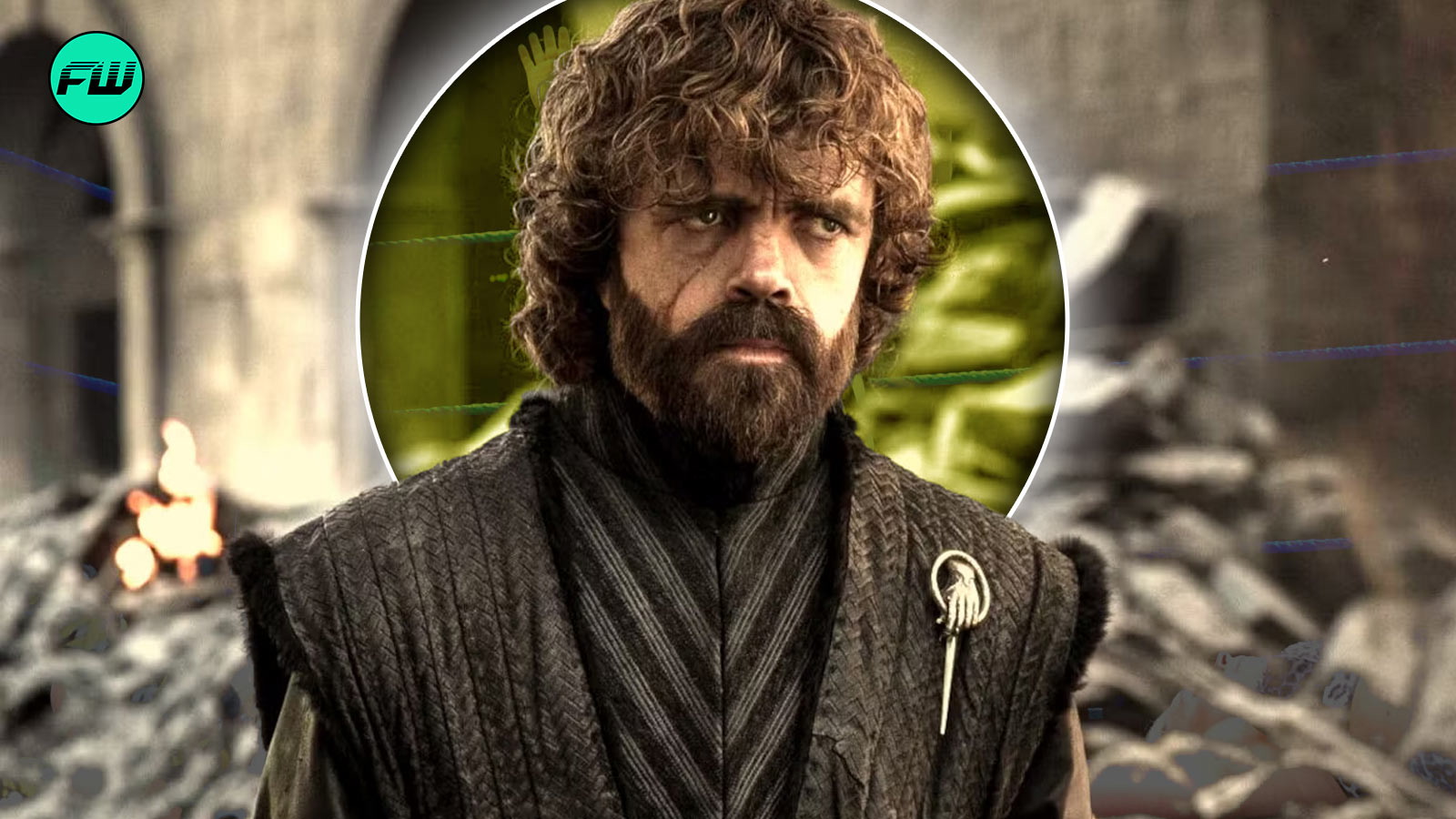
Before Dinklage, many actors with dwarfism were relegated to "mythical" or "clownish" roles—elves, leprechauns, or comedic sidekicks. Dinklage famously refused these roles early in his career, insisting on playing characters with depth, complexity, and romantic agency. His role as Tyrion Lannister was a watershed moment, as the character's dwarfism was a facet of his identity but not the entirety of his narrative arc.
The Language of Identity
Dinklage has also addressed the terminology used to describe his condition. While "little person" or "person with dwarfism" are the generally accepted terms, he has spoken out against the pejorative "m-word" (midget), which is rooted in the history of "freak shows." Through his public presence, he has encouraged a shift toward the social model of disability, which suggests that people are "disabled" more by a lack of societal accommodation and prejudice than by their physical conditions.
Treatment Innovations and the Future
As we look toward the remainder of 2026 and beyond, the medical landscape for achondroplasia is evolving. Traditionally, treatment was purely symptomatic—addressing complications as they arose. However, recent years have seen the introduction of pharmacological interventions.
Vosoritide (Voxzogo) is a notable development. It is a C-type natriuretic peptide (CNP) analog that works by inhibiting the overactive FGFR3 signaling pathway. By "releasing the brake" on bone growth, it has shown the ability to increase the rate of height growth in children with achondroplasia whose epiphyses (growth plates) are still open. While controversial within some segments of the dwarfism community who view "fixing" the condition as an affront to their identity, it represents a significant leap in precision medicine.
Frequently Asked Questions
Is Peter Dinklage’s condition hereditary?
Yes, achondroplasia is an autosomal dominant genetic condition. However, Peter Dinklage was born to average-height parents, meaning his condition resulted from a spontaneous (de novo) mutation. He has a 50% chance of passing the condition to his biological children.
What is the life expectancy for someone with Peter Dinklage’s condition?
The life expectancy for individuals with achondroplasia is generally near the average for the general population. While there is a slightly increased risk of sudden death in very early childhood due to brainstem compression, modern medical monitoring and neurosurgical interventions have significantly mitigated these risks.
Does achondroplasia affect intelligence?
No. Achondroplasia is a skeletal dysplasia and does not impact cognitive development or intelligence. Individuals with the condition have the same range of intellectual abilities as the general population.
Are there different types of dwarfism?
Yes, there are over 400 types of skeletal dysplasia. Achondroplasia is the most common, but other types include Spondyloepiphyseal Dysplasia Congenita (SEDc) and Diastrophic Dysplasia. Each has different genetic causes and physical manifestations.
Can achondroplasia be cured?
There is currently no "cure" that changes the genetic makeup of an individual with achondroplasia. However, treatments like Vosoritide can modulate bone growth in children, and various surgeries can manage the physical complications of the condition.
Practical Recommendation: If you or a family member are seeking more information on achondroplasia or other forms of dwarfism, it is essential to consult with a geneticist or an orthopedic specialist who specializes in skeletal dysplasias. Organizations such as Little People of America (LPA) provide invaluable resources for medical referrals, peer support, and advocacy.
Disclaimer: This article is for informational purposes only and does not constitute medical advice. Always seek the advice of a qualified health provider with any questions regarding a medical condition.
Image Gallery