Professional Bee Removal in Fort Worth, TX: Safe Options, Costs, and Local Guidelines
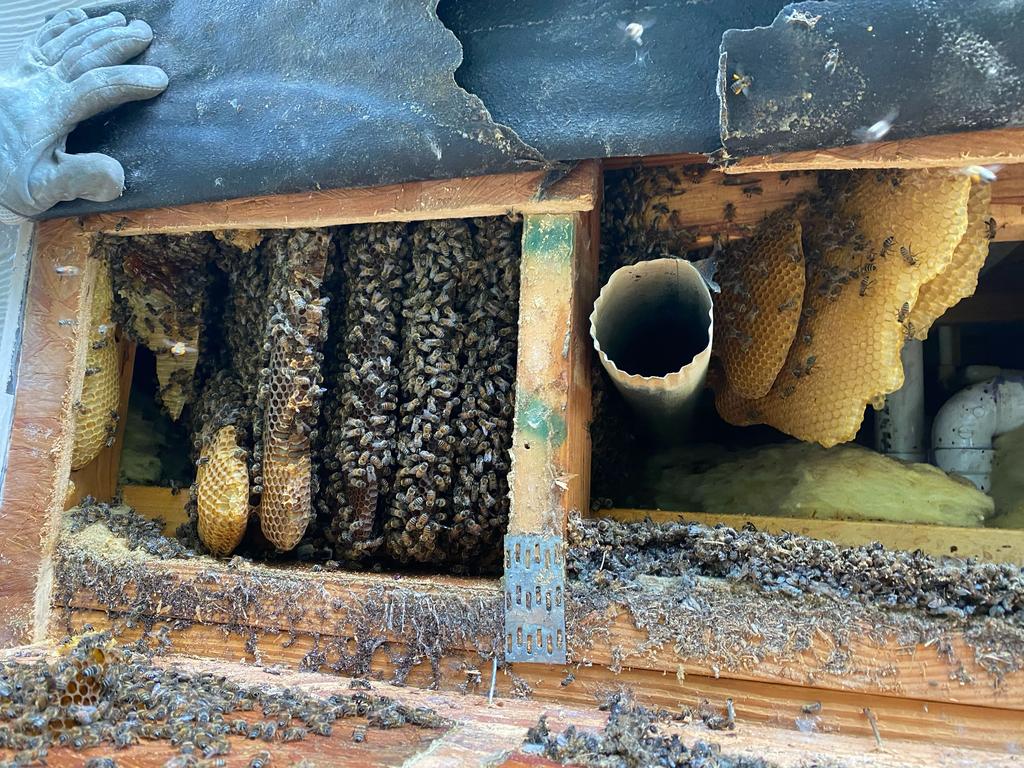
Professional bee removal in Fort Worth, Texas requires specialized handling to safely extract honey bees, remove residual honeycomb, and seal structural entry points. Property owners should prioritize live bee relocation performed by l...
Professional bee removal in Fort Worth, Texas requires specialized handling to safely extract honey bees, remove residual honeycomb, and seal structural entry points. Property owners should prioritize live bee relocation performed by licensed specialists or experienced beekeepers over pesticide extermination to protect local pollinators and prevent severe structural honey damage.
Contents
Understanding Bee Species Common to Fort Worth and Tarrant County
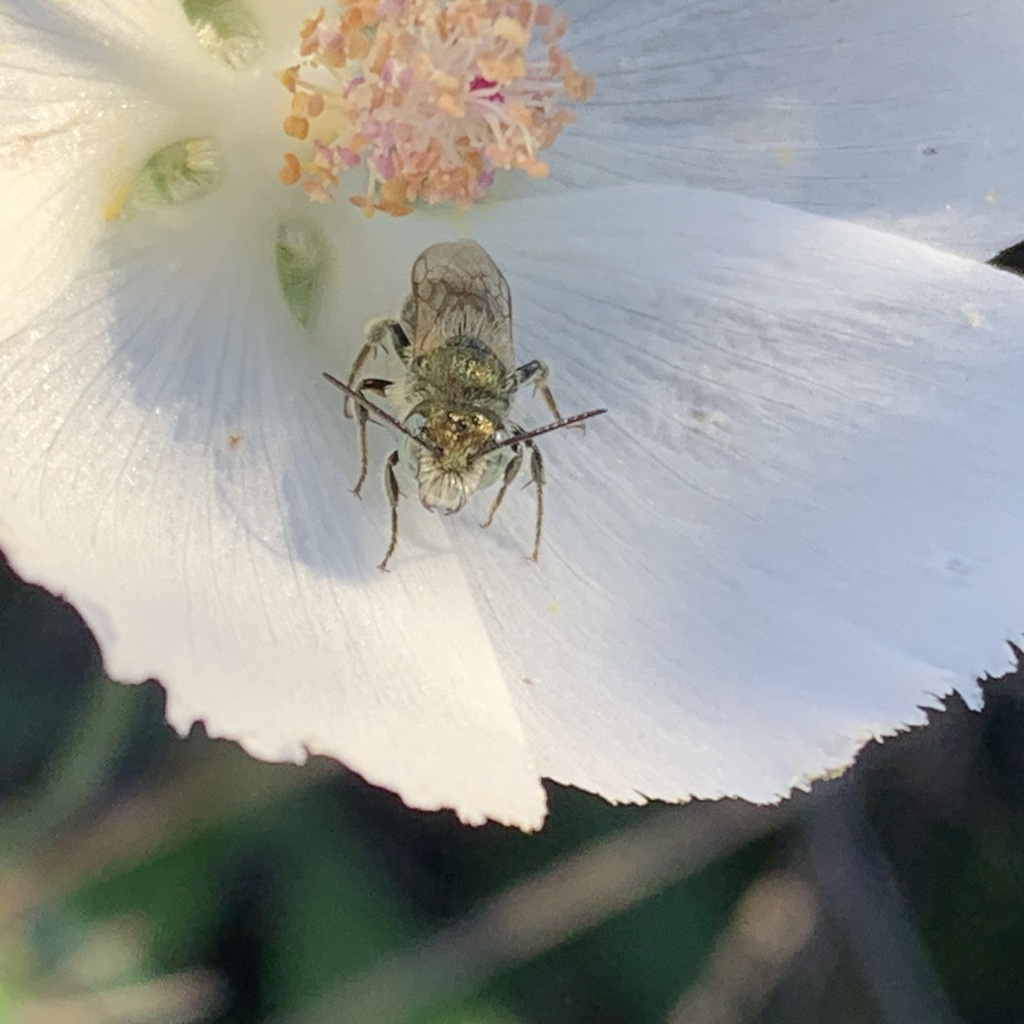
Identifying the specific stinging insect on your property is the first step toward choosing the correct removal method. North Texas hosts a wide range of native and introduced pollinators, each exhibiting distinct behaviors, nesting locations, and defense mechanisms.
| Insect Type | Typical Nesting Site | Aggression Level & Behavior |
|---|---|---|
| Western Honey Bee | Wall voids, trees, soffits | Mild to moderate; defends hive |
| Africanized Honey Bee | Ground cavities, sheds, walls | High; rapid, persistent defensive |
| Carpenter Bee | Eaves, fascia, deck timbers | Solitary; low sting risk (males) |
| Paper Wasp / Yellowjacket | Eaves, bushes, underground holes | Moderate to severe; repeated stings |
Western Honey Bees (Apis mellifera)
European honey bees are the primary managed pollinators in agricultural and urban environments. They form large perennial colonies consisting of a single queen, thousands of female workers, and male drones. When establishing a permanent hive, they seek dark, sheltered cavities with a small entrance, such as chimney voids, soffits, and wall cavities of homes across Fort Worth.
Africanized Honey Bees (AHB)
In North Texas, wild or feral honey bee colonies frequently possess Africanized genetics due to cross-breeding over past decades. Africanized honey bees look virtually identical to standard European honey bees under casual observation but demonstrate significantly higher defensiveness. An Africanized colony responds to minor disturbances—such as lawnmowers or foot traffic—faster, in larger numbers, and will chase targets for several hundred yards. Consequently, any unmanaged bee colony in Tarrant County must be approached with high caution.
Carpenter Bees (Xylocopa)
Carpenter bees do not build social hives or produce honey. Instead, solitary females drill round, half-inch holes into bare or unpainted wood to lay eggs. While male carpenter bees often buzz aggressively around eaves and decks, they lack stings entirely. However, the female's tunneling can cause structural weakening over several seasons if unaddressed.
Wasps, Hornets, and Yellowjackets
Yellowjackets, paper wasps, and bald-faced hornets are predatory social insects rather than bees. Unlike honey bees, which die after a single sting, wasps can sting repeatedly. They build grey, paper-like nests suspended from eaves, shrubs, or within underground burrows. Wasps do not produce honey or store wax comb, requiring different removal and eradication techniques than bees.
Live Bee Removal vs. Extermination: Key Differences
When dealing with a honey bee infestation in Fort Worth, property owners must choose between live extraction (relocation) and chemical extermination. Understanding the ecological and structural implications of each choice is critical for long-term property protection.
| Live Removal & Relocation | Chemical Extermination |
|---|---|
| Extracts bees, wax, and honey | Kills adult bees inside cavity |
| Relocates colony to local apiary | Leaves comb and honey in wall |
| Prevents honey melt & secondary pests | Causes wall rot, attracts pests |
| Requires structural sealing/repair | Requires eventual structural repair |
Why Live Relocation is Preferred
Live bee removal—often called a "cutout" or "trap-out"—involves opening the structure, vacuuming or smoke-guiding the live bees into specialized transport boxes, carefully removing the wax comb, and transferring the colony to a local North Texas apiary.
Choosing live relocation offers two major advantages:
- Pollinator Preservation: Honey bees play an essential role in pollinating Texas agricultural crops and urban gardens. Relocating hives helps sustain healthy managed bee populations.
- Complete Comb Removal: Live removal procedures physically clear away all wax, honey, and brood. If extermination sprays are used without removing the hive structure, pounds of un-refrigerated honey will melt in the intense Fort Worth summer heat. Melting honey leaks through drywall, stains ceilings, rots wooden framing, and attracts secondary pests such as small hive beetles, wax moths, ants, and rodents.
When Extermination May Be Necessary
Chemical extermination is generally reserved for situations where live access is physically impossible or when an Africanized colony poses an immediate, severe public safety threat in a high-density public space. When extermination must be performed, it must still be followed by physical extraction of the comb and full structural proofing to prevent long-term damage.
The Professional Bee Removal Process Step-by-Step
A thorough, professional bee extraction involves a systematic sequence of inspection, live removal, cleanup, and structural repair.
- Inspection & Thermal Location
- Locate cavity boundary using thermal cameras and acoustic tools.
- Controlled Structural Access
- Carefully cut into drywall, brick mortar, or soffits to expose hive.
- Live Extraction & Comb Removal
- Vacuum live bees; remove wax comb, honey stores, and brood frames.
- Cavity Sanitization & Odor Neutralization
- Scrape wood clean, sanitize area, apply sealant to block pheromones.
- Repair & Exclusion Proofing
- Re-seal structure and install heavy-gauge mesh over weep holes and vents.
1. Thermal Inspection and Mapping
Experienced technicians utilize forward-looking infrared (FLIR) thermal imaging cameras and acoustic detection equipment to identify the exact footprint of the hive behind walls, brick, or ceiling plaster. This precision prevents unnecessary damage to non-infested areas of the structure.
2. Controlled Access
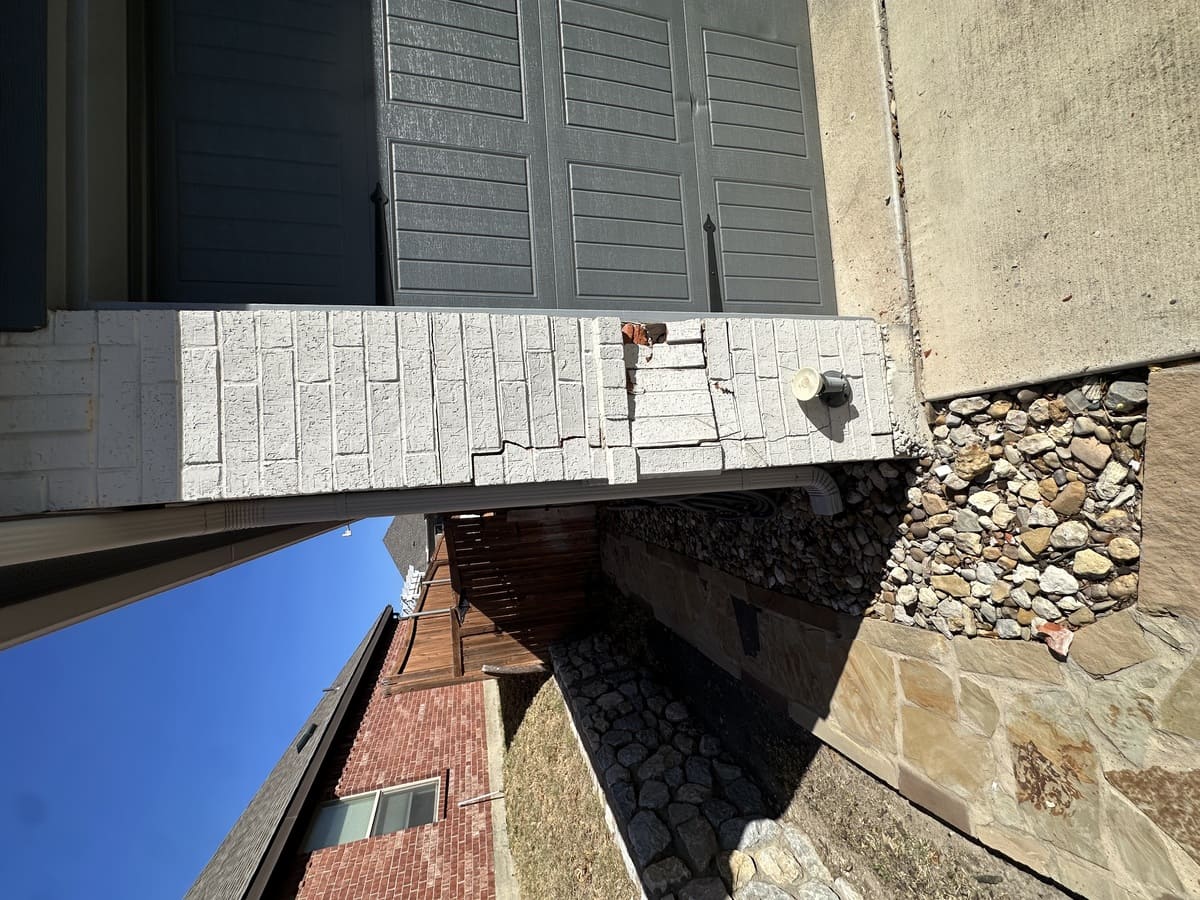
Depending on hive location, entry is made through interior drywall, exterior wood siding, soffits, or by pulling mortar joints in brick veneer homes. A professional technician limits opening sizes strictly to what is necessary for complete comb removal.
3. Extraction and Comb Removal
Using specialized low-pressure bee vacuums, workers capture the adult bees without injury. The technician then cuts out the wax combs section by section. Comb containing viable brood (developing larvae) is tied into wooden frames for integration into managed hives, while honey comb is harvested or properly discarded.
4. Sanitization and Masking
Once the physical hive is removed, the interior cavity walls are scraped clean of residual propolis and wax. Technicians sanitize the area and apply specialized odor-masking primers or sealants. This step neutralizes lingering honey bee pheromones that would otherwise attract future swarms to the exact same spot.
5. Exclusion and Structural Restoration
The final phase requires sealing every potential entry point within a 15-to-20-foot radius. In Fort Worth brick homes, technicians install specialized wire mesh vents over weep holes to maintain house ventilation while excluding future bees. Drywall, trim, or siding is then repaired or scheduled for contractor restoration.
Cost Breakdown for Bee Removal in Fort Worth, TX
Bee removal costs vary significantly based on the job's complexity, accessibility, hive age, and structural repair requirements. Established hives within structural cavities require far more labor than exposed resting swarms.
| Service Category | Typical Price Range (USD) | Key Cost Determinants | Included Services |
|---|---|---|---|
| Exposed Swarm Removal | $150 – $350 | Height, branch accessibility, location | Live capture of exposed cluster on low tree or fence; transport to apiary. |
| Interior Wall Cutout | $500 – $1,500+ | Height, interior vs. exterior access, hive size | Thermal imaging, wall opening, live extraction, complete comb removal, cavity sanitization. |
| Soffit / Roof Line Extraction | $600 – $1,800 | Ladder/scaffolding needs, pitch of roof | Accessing high eaves, comb removal, sealing roof lines, basic structural patch. |
| Brick Veneer / Masonry Access | $800 – $2,200+ | Mortar removal, masonry repair complexity | Mortar joints removed, comb extracted, cavity sealed, masonry repointed. |
| Carpenter Bee Treatment & Repair | $250 – $600 | Number of gallery holes, height of fascia | Injection of individual galleries, hole filling with wood epoxy, surface treatment. |
Primary Cost Drivers
- Hive Age and Volume: A newly arrived swarm (under 48 hours) has not constructed comb and can be removed quickly. A multi-year colony may contain over 50,000 bees and 100+ pounds of wax and honey, requiring hours of labor.
- Height and Accessibility: Work requiring extension ladders, scaffolding, or bucket trucks increases equipment and safety overhead.
- Repair Scope: Some removal specialists include basic structural closing and weatherproofing in their estimate, while full cosmetics (painting, drywall texturing, masonry matching) may require a separate licensed general contractor.
DIY Risks vs. Professional Live Removal
Attempting to resolve a honey bee infestation without professional training and specialized equipment carries severe risks to personal health and home integrity.
| DIY Risks | Professional Live Removal Solutions |
|---|---|
| High risk of massive sting attacks | Full protective suits & bee vacs |
| Agitates Africanized bee traits | Experienced in defensive behavior |
| Traps honey inside wall cavity | Complete physical comb extraction |
| Causes drywall rot & pest blooms | Sanitizes cavity & blocks scent |
| Leaves weep holes unsealed | Installs structural exclusion mesh |
High Defensiveness and Africanized Bee Threats
Standard consumer pesticides or expanding foam canisters often fail to reach the core of a deep structural hive. Spraying an entry hole typically agitates the colony, causing thousands of bees to boil out of the entrance or break through interior drywall into living spaces. In North Texas, where feral bees frequently possess Africanized defense traits, an agitated colony can inflict dozens or hundreds of severe stings within seconds on humans and nearby pets.
Trapped Honey and Fermentation
Using quick-kill sprays or sealing an active entrance hole with caulk or expanding foam traps the colony inside. As the bees die, the hive temperature control collapses. Unattended honeycombs melt under attic temperatures, causing raw honey to saturate ceiling insulation and drywall. This results in permanent structural staining, wood decay, foul odors from rotting brood larvae, and severe secondary infestations of carpet beetles, ants, and flies.
Local Regulations and Municipal Guidelines in Fort Worth, TX
Understanding local Texas laws regarding pest management and apiculture helps property owners navigate legal compliance and contractor selection.
Texas Department of Agriculture (TDA) Regulations
In Texas, structural pest control is regulated under the Texas Department of Agriculture. Individuals applying synthetic pesticides to structural pests for compensation must hold a Structural Pest Control Service (SPCS) license. However, pure live bee removal and relocation performed without chemical pesticides by registered beekeepers falls under separate regulatory guidelines established under Chapter 131 of the Texas Agriculture Code. Property owners should ensure their service provider holds appropriate licensing or registered apiary credentials for live relocation.
Fort Worth City Codes
Under Fort Worth City Code, property owners are responsible for maintaining their premises free of hazardous nuisance conditions. Feral hives near public rights-of-way or adjacent properties that display severe aggressive behavior can be cited under city health and safety ordinances. Prompt attention to feral hives avoids code enforcement notices and mitigates civil liability risks if a neighbor or passerby is stung.
How to Prevent Future Bee Infestations in North Texas
Once an existing hive is removed, preventative structural exclusion—often called "bee-proofing"—is vital to ensure another swarm does not select your home in subsequent seasons.
- PREVENTION CHECKLIST
- Structural Cavities
- Seal fascia & soffit gaps
- Cap chimney flues with mesh
- Caulk around pipe penetrations
- Brick Weep Holes
- Install metal mesh covers
- Do NOT plug with solid caulk
- Maintain air airflow space
- Yard Maintenance
- Inspect sheds & meter boxes
- Store lumber off the ground
- Secure outdoor trash lids
- Structural Cavities
1. Protect Weep Holes Correctly
Texas brick-veneer construction requires weep holes at the foundation level to allow moisture drainage. Bees frequently enter these gaps to build hives in wall voids. Never seal weep holes with solid caulk or expanding foam. Doing so traps moisture inside the wall, causing brick efflorescence and structural mold. Instead, install heavy-gauge stainless steel or brass mesh weep hole covers that allow airflow while preventing insect entry.
2. Seal Architectural Gaps
- Inspect eaves, fascia boards, soffits, and roof intersections. Seal gaps wider than 1/8 inch using exterior-grade silicone caulk or metal flashing.
- Install 1/4-inch hardware cloth mesh over attic gable vents, roof turbine vents, and crawl space openings.
- Ensure chimney flues are equipped with intact spark arrestors or mesh caps.
3. Maintain Outdoor Structures and Yard Space
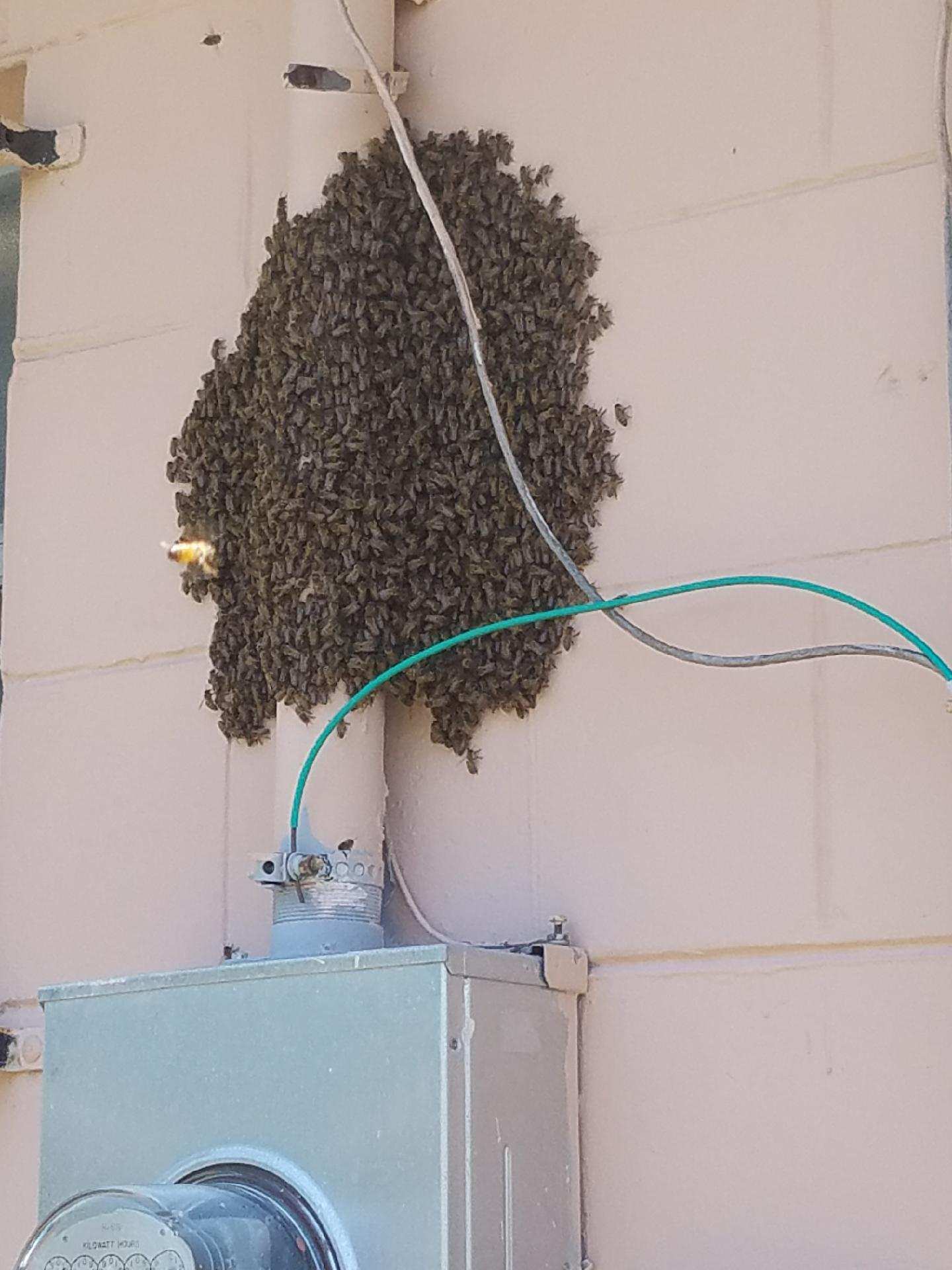
- Inspect water meter boxes, hollow fence posts, utility sheds, and un-turned outdoor storage boxes regularly during spring swarming season (March through June).
- Fill rodent burrows in lawns, as yellowjackets and bumble bees commonly adopt abandoned ground holes.
- Remove unused wooden piles or seal unpainted outdoor timber to discourage carpenter bees.
Frequently Asked Questions
How much does live bee removal cost in Fort Worth, TX?
Simple exposed swarm removals typically range from $150 to $350. Established structural removals inside walls, soffits, or chimneys generally cost between $500 and $1,800+ depending on hive size, accessibility, and structural repair requirements.
Are honey bees legally protected in Texas?
Honey bees are not classified as an endangered species under federal or state law, so extermination is legally permissible if safety requires it. However, state policies and local agricultural extension guidelines strongly encourage live relocation over killing, given the environmental and agricultural importance of honey bees.
What is the difference between a swarm and an established colony?
A swarm is a temporary cluster of bees (often hanging from a tree branch or fence) resting while scout bees locate a permanent home; swarms typically leave within 24 to 48 hours and carry no comb or honey. An established colony lives inside a cavity where the bees have constructed wax comb, stored honey, and begun raising brood; established colonies will not leave voluntarily and require physical removal.
How do I know if the bees on my property are Africanized?
Physical identification cannot be reliably performed with the naked eye. However, behavioral signs of Africanization include extreme defensiveness, swarming out of a nest in high numbers over minor disturbances, and pursuing perceived threats for distances exceeding 100 yards. Treat all feral North Texas colonies with extreme caution.
Who is responsible for drywall or structural repairs after a cutout?
Some specialized live bee removal contractors perform complete structural repairs, including drywall replacement and exclusion proofing, as part of their service agreement. Others specialize exclusively in extraction and leave cosmetic restoration to a separate licensed general contractor. Always clarify the scope of repair work in writing before work begins.
Next Actions for Fort Worth Property Owners
If you discover a honey bee swarm or established hive on your Tarrant County property, take these concrete steps immediately:
- Maintain Safety Distance: Keep children, pets, and bystanders at least 50 feet away from the hive entrance. Avoid operating power equipment, lawnmowers, or weed trimmers nearby.
- Do Not Spray or Seal the Entrance: Refrain from using retail insect sprays, water hoses, expanding foam, or caulk on the entry point. Sealing the hole will force defensive bees into your living quarters or leave honey to rot inside your walls.
- Contact a Licensed Live Removal Specialist: Reach out to a professional bee removal provider or local Fort Worth apiary specialist capable of performing full structural cutouts, complete comb removal, and exclusion sealing.
- Inspect and Proof Your Home: After removal, conduct a complete exterior audit of your property to install weep hole covers, cap roof vents, and seal architectural gaps against future spring swarms.
Image Gallery