Understanding Mobile Home Parks with Rentals: A Guide for 2026
Mobile home parks with rentals are residential communities where the property management or individual investors own the manufactured home units and lease them to tenants. This arrangement differs from traditional parks where residents...
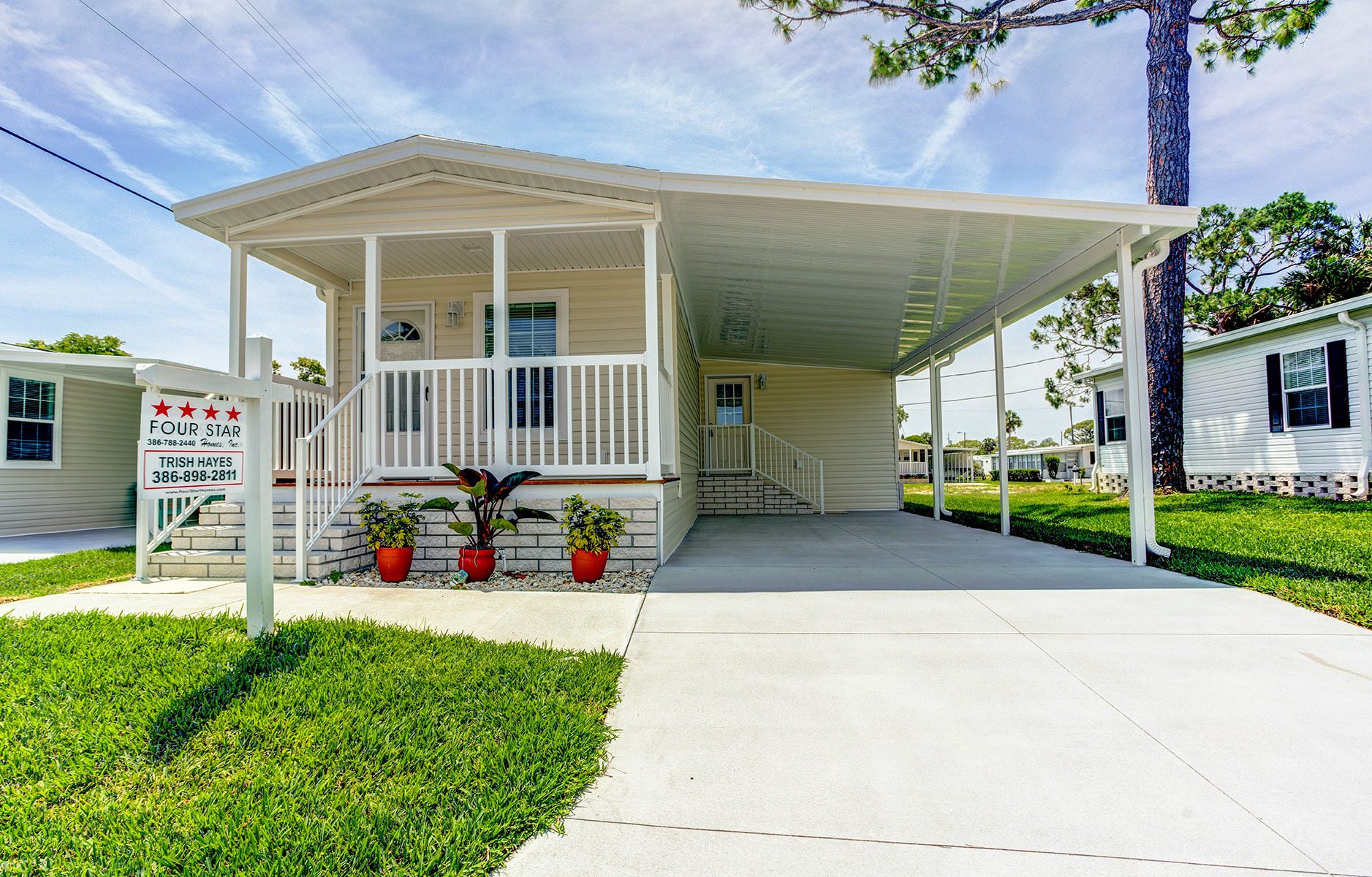
Mobile home parks with rentals are residential communities where the property management or individual investors own the manufactured home units and lease them to tenants. This arrangement differs from traditional parks where residents own their homes and rent only the land, offering a pathway to housing for those avoiding the capital burden of home ownership.
Contents
Defining the Rental Model in Manufactured Housing
The landscape of manufactured housing has shifted significantly by 2026. Historically, the mobile home park model relied on a "pad-rent" system where the park owner provided utilities and land, while the resident was responsible for the physical structure. However, the rise of institutional investment in the sector has driven a move toward "park-owned rentals" (POR).
In these communities, the park operator acts as a landlord for both the land and the dwelling. This structure is regulated under specific landlord-tenant laws that vary by state. It is essential to distinguish between these communities and traditional trailer parks, as the former often operate with professional property management software and standardized lease agreements, while the latter may still involve legacy owner-occupant dynamics.
Why Prospective Tenants Choose Park-Owned Rentals
Choosing a rental unit within a mobile home community in 2026 often comes down to affordability and community infrastructure. Unlike renting an apartment, these homes typically offer more square footage, private outdoor space, and a sense of detached living.
- Financial Flexibility: Eliminating the down payment required for a traditional mortgage or the purchase of a mobile home allows for immediate residency.
- Maintenance Responsibilities: In most professional park-owned rental agreements, the landlord remains responsible for structural repairs, plumbing, and HVAC maintenance of the unit.
- Amenities Access: Many modern communities offer shared infrastructure such as community centers, playgrounds, and organized social events that are rare in individual rental properties.
- Lower Density: Compared to high-rise apartment complexes, mobile home communities provide a quieter residential environment.
Operational Standards and Legal Protections for Renters
When seeking a rental in a manufactured housing community, tenants must understand their rights. In 2026, many jurisdictions have implemented stricter consumer protection laws regarding the maintenance of park-owned units. You should review the following elements before signing a lease:
- Lease Terms: Ensure the lease clarifies whether utilities (water, sewage, trash) are included in the base rent or billed as a separate monthly utility fee.
- Habitability Standards: By law, the landlord must provide a unit that meets local building codes. In 2026, verify if the community adheres to the HUD Code for manufactured homes if the structure was built after 1976.
- Rent Control and Escalation: Check local municipal ordinances regarding rent control for manufactured housing, as some states have specific caps on how frequently park-owned rental rates can be increased.
- Community Rules: Unlike standard apartment leases, these communities often have specific rules regarding the appearance of the home exterior, parking restrictions, and noise ordinances that are strictly enforced to maintain property values.
Comparison: Renting vs. Owning in a Mobile Home Park
| Feature | Renting (Park-Owned) | Owning (Homeowner) |
|---|---|---|
| Initial Investment | Security deposit only | Purchase price + closing costs |
| Maintenance | Provided by landlord | Sole responsibility of owner |
| Equity Building | None | Potential asset appreciation |
| Control | Standard lease limitations | Significant autonomy |
| Rent Responsibility | Monthly rent payment | Monthly land-lease fee |
Evaluating Community Quality in 2026
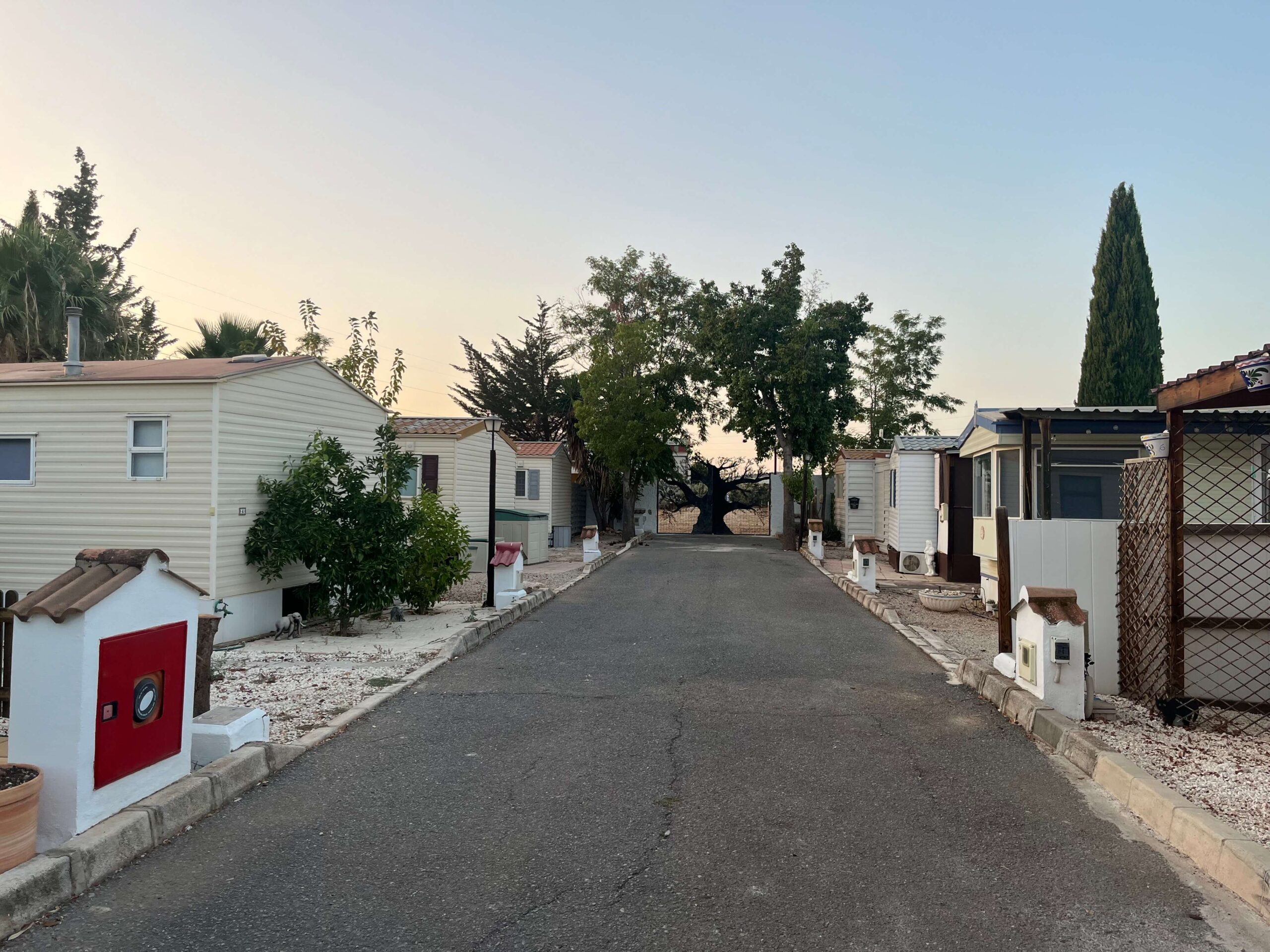
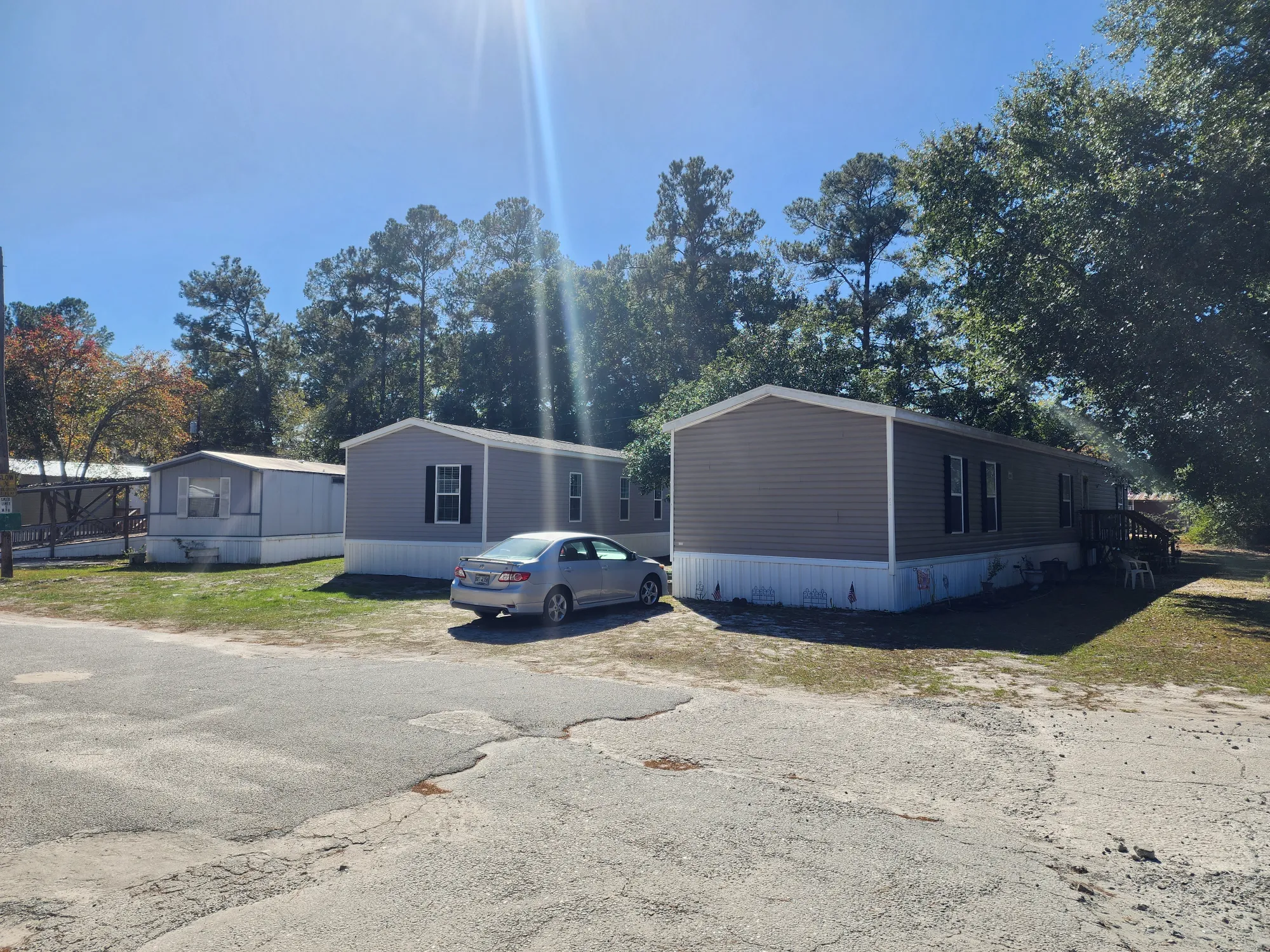
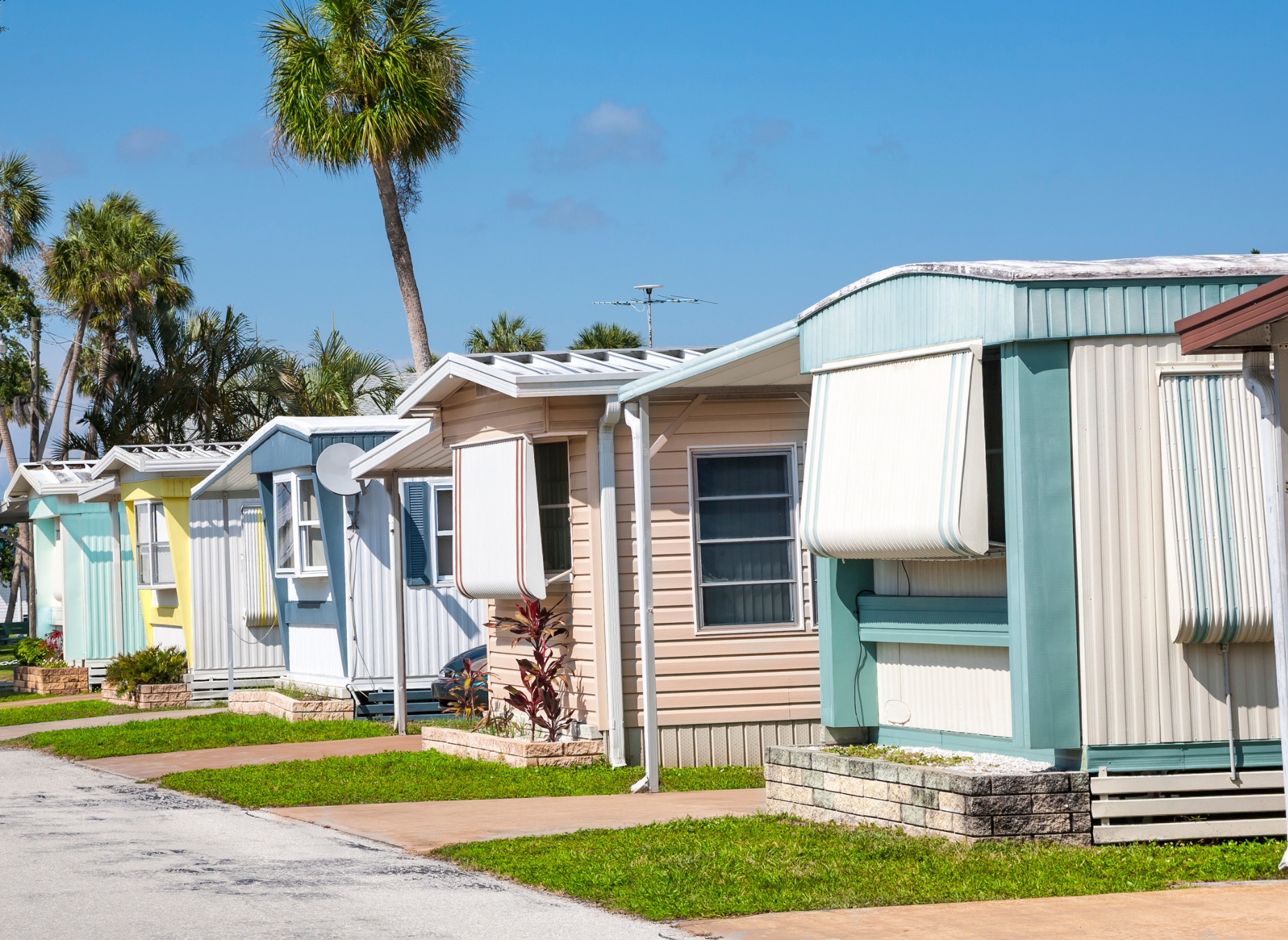
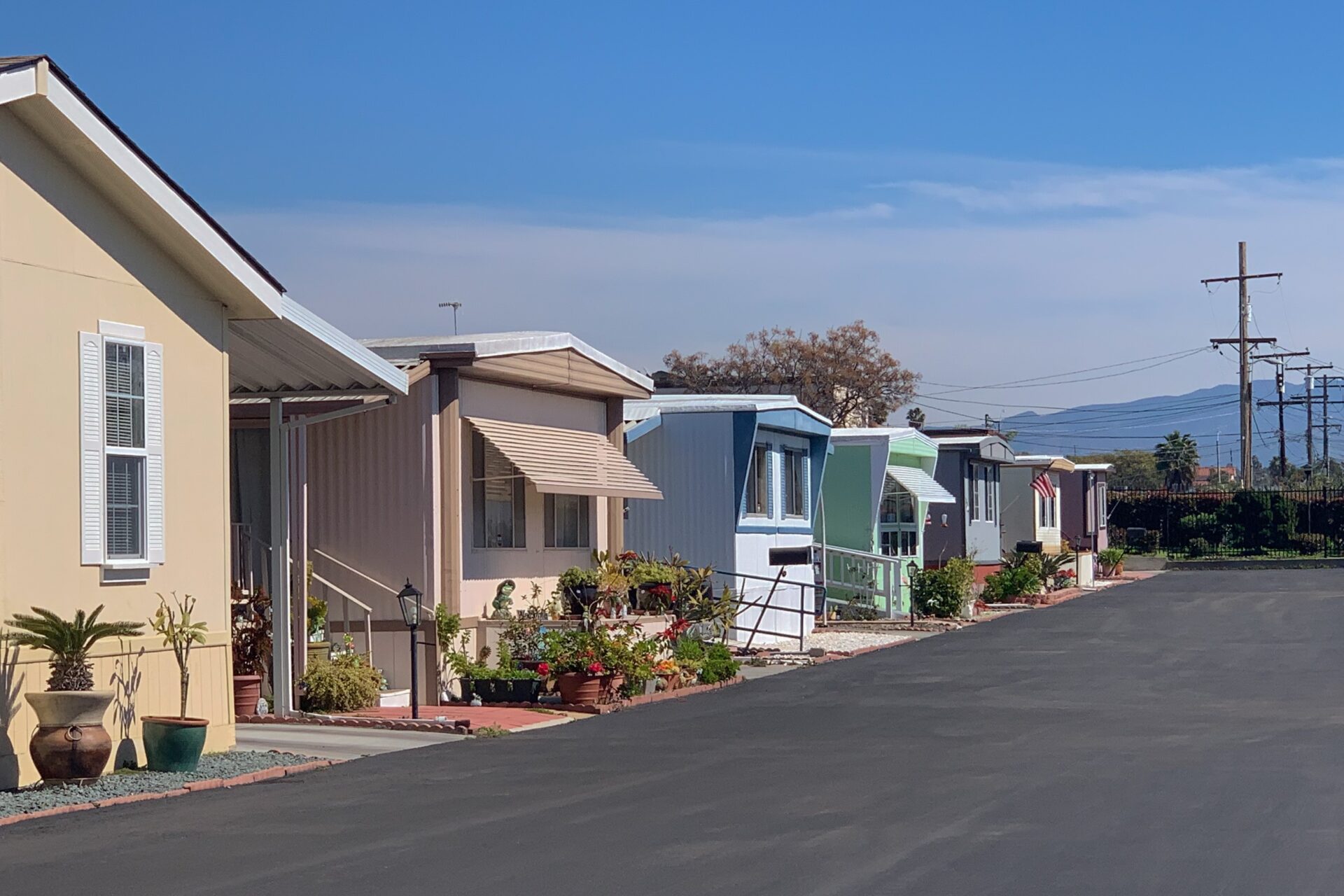
When visiting potential locations, evaluate the community based on tangible metrics. Do not rely solely on online images. Physical inspections are critical for identifying the condition of the infrastructure.
- Road Maintenance: Check for proper drainage and lack of severe cracking in the asphalt. Poor drainage is a leading cause of foundation issues in manufactured homes.
- Landscaping: A well-manicured common area usually indicates that the park management is actively reinvesting in the property.
- Utility Infrastructure: Ensure the park has updated electrical pedestals and water connections. If the park is older, verify if the sewer lines have been serviced recently to prevent backups.
- Community Management: Professional, on-site management offices are generally more responsive to repair requests than third-party property management firms operating remotely.
Potential Risks and How to Mitigate Them
While renting provides ease of access, there are inherent risks associated with older manufactured home stock. Always perform a walk-through and document the condition of the home using photos and videos before move-in.
- Pest Control: Ask management for the most recent pest control report. Many older homes may have issues with moisture that attract pests.
- Insulation and HVAC: Older units may have poor energy efficiency. Ask to see a recent utility bill to estimate your monthly heating and cooling costs during peak summer or winter months.
- Flood Zones: Always check the FEMA Flood Map for the specific address. Mobile homes are more susceptible to damage in low-lying areas.
- Management Transparency: Verify the park’s reputation by checking local Better Business Bureau records or state-level housing board complaints.
Frequently Asked Questions
Are mobile home rentals covered by standard landlord-tenant laws? Yes, in most jurisdictions, rental mobile homes are treated the same as apartment rentals under state law. You retain the right to a habitable environment, timely repairs, and proper notice before any unit entry by the landlord.
Can I move a rented mobile home to a different location? No. When you rent a park-owned home, you are leasing the unit where it currently sits. The home is permanently affixed to the land and utility grid within that specific community.
What happens if the park is sold to a new owner? Your lease remains a legally binding contract. A change in property ownership does not typically void your existing lease agreement, though you may receive new instructions on where to send rent payments and how to request repairs.
Are pets allowed in park-owned rentals? This varies by community. While many parks are pet-friendly, they often have breed or weight restrictions. Always review the pet addendum in your lease agreement carefully before moving in with animals.
How do I handle maintenance emergencies? Most professionally managed parks provide an emergency contact number for after-hours repairs, such as burst pipes or electrical outages. Ensure you receive this contact information in writing upon signing your lease.
Taking the Next Step
To find a suitable park-owned rental, start by filtering your search for communities managed by professional housing operators rather than private individuals. Contact the community management office directly to inquire about "park-owned home availability," as many of these units are not listed on general real estate sites. Always visit the location during the day to assess the community atmosphere and talk to current residents about their experiences with management response times and community safety.
Image Gallery