Jim Downey and the Evolution of Smart Home Security: From Alarms to AI Ecosystems
Jim Downey, a pivotal executive during the formative years of the modern security industry, helped steer the transition from traditional, hardwired alarm systems to the integrated, interactive smart home ecosystems we use in 2026. His...
Jim Downey, a pivotal executive during the formative years of the modern security industry, helped steer the transition from traditional, hardwired alarm systems to the integrated, interactive smart home ecosystems we use in 2026. His leadership during the "Pulse" era at ADT fundamentally redefined security as a lifestyle convenience rather than just a reactive emergency service.
Contents
The Foundations of Home Security (Pre-Downey Era)
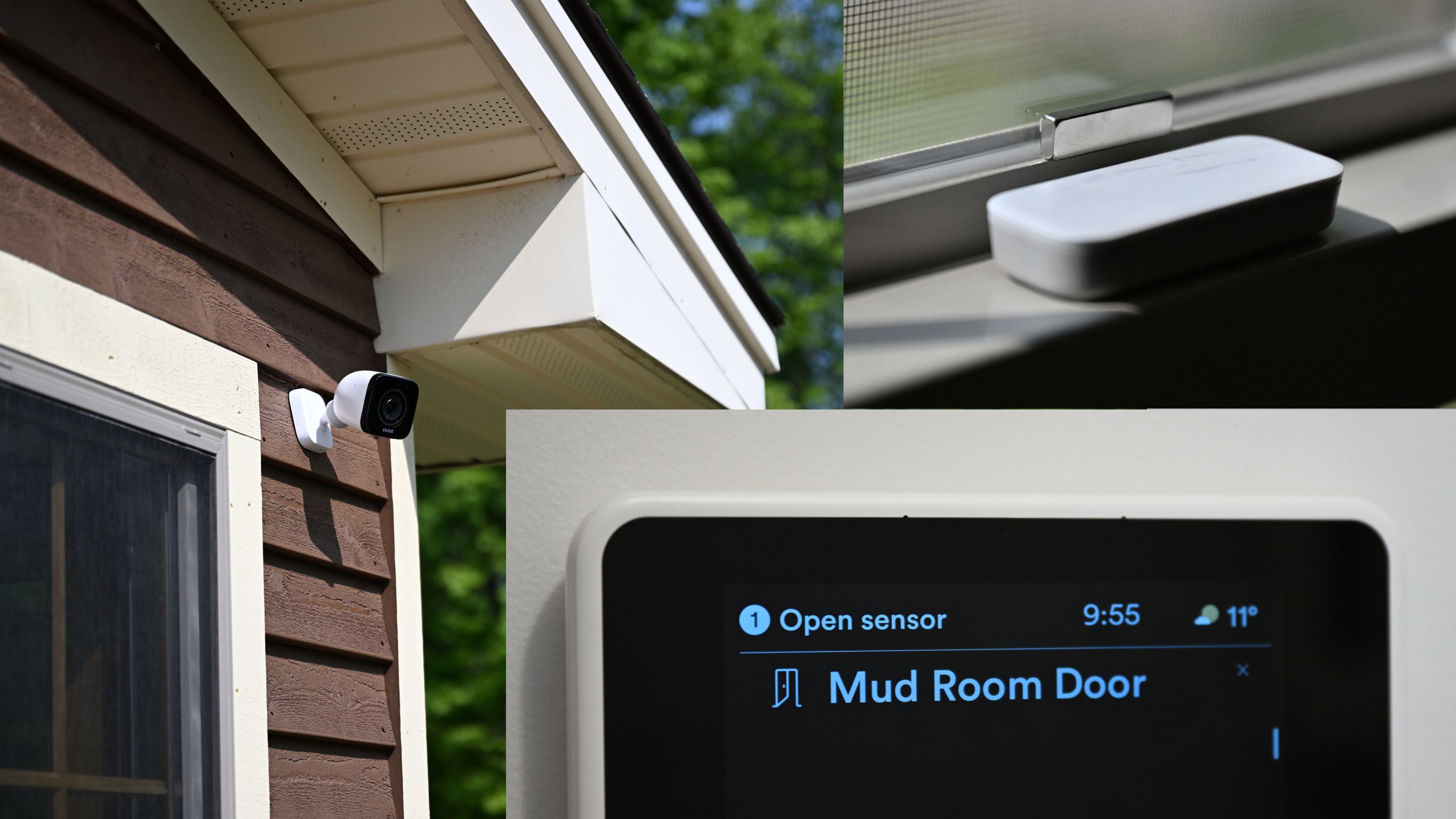
To understand Jim Downey’s impact, one must first look at the state of residential security in the late 20th century. For decades, home security was a static, "dumb" utility. Systems were comprised of hardwired magnetic contact sensors on doors and windows, connected to a central control panel that communicated with a monitoring center via a Plain Old Telephone Service (POTS) line.
These systems were reactive by design. They did nothing until a breach occurred, at which point they triggered a loud siren and sent a signal to a dispatcher. There was no user interface beyond a physical keypad on the wall. The limitations were significant:
- Vulnerability: Intruders could easily disable the system by cutting the external phone line.
- Lack of Context: A triggered alarm offered no visual data; owners had no way of knowing if it was a false alarm or a genuine intrusion until the police arrived.
- Zero Integration: The security system did not communicate with the thermostat, lighting, or locks.
During his tenure at ADT, particularly as Senior Vice President, Jim Downey was a key figure in recognizing that the "security-only" model was reaching a ceiling. To grow, the industry needed to offer value every day, not just during an emergency.
The Jim Downey Era: Shifting the Paradigm with ADT Pulse
The most significant turning point in this evolution was the launch and scaling of ADT Pulse in the early 2010s. Under the operational leadership of figures like Downey, this initiative marked the first time a major security provider integrated home automation with professional monitoring on a mass scale.
The Move to Interactive Services
Downey helped oversee the operational shift from "monitoring signals" to "managing data." ADT Pulse allowed users to remotely arm and disarm their systems via a smartphone app—a revolutionary concept at the time. This shift was not merely a technical upgrade; it was a psychological one. Security moved from the basement (the control panel) to the user's pocket.
Early IoT Adoption
During this period, Downey and his team integrated Z-Wave technology into the standard security offering. Z-Wave, a low-energy radio frequency protocol, allowed the security hub to talk to light switches, deadbolts, and thermostats. This created the first true "smart home" experience for millions of consumers who were not "do-it-yourself" (DIY) enthusiasts but preferred a professionally installed, reliable solution.
Technical Milestones in the Evolution
The evolution of smart home security under Downey’s influence can be categorized by three major technical shifts. These milestones paved the way for the sophisticated AI-driven environments of 2026.
1. The Death of the POTS Line and the Rise of Cellular/IP
One of the most critical operational challenges Downey navigated was the "Sunset" of older communication technologies. As telecommunication providers moved away from analog lines and older 2G/3G cellular networks, the security industry had to rapidly upgrade millions of customers to LTE and IP-based communication. This move ensured that security systems were faster, more reliable, and capable of transmitting high-bandwidth video data.
2. Video Verification and Cloud Storage
Before the interactive era, video surveillance was largely reserved for high-end commercial properties. Downey’s era saw the democratization of the "nanny cam" and outdoor perimeter cameras. By integrating video into the security app, the industry introduced video verification. Instead of a "blind" alarm, dispatchers could view a 10-second clip of the event, significantly reducing false alarm rates and improving police response times.
3. The Shift to RMR (Recurring Monthly Revenue) Plus Value
Historically, the security business model was built on long-term contracts for monitoring. The "evolution" led by Downey expanded this model to include service tiers for automation. Customers were willing to pay more for the ability to lock their front door from a vacation home or receive a notification when their children arrived home from school.
| Feature | Traditional Security (Pre-2010) | The Downey/Pulse Era (2010-2020) | Modern Smart Security (2026) |
|---|---|---|---|
| Connectivity | Landline (POTS) | Cellular (3G/4G) & Wi-Fi | Wi-Fi 7, 5G, & Matter over Thread |
| Interaction | Wall-mounted Keypad | Smartphone App | Voice, Gesture, & Predictive AI |
| Automation | None | Z-Wave (Lights, Locks) | Full Ecosystem (Matter/Apple/Google) |
| Video | Local DVR (rarely) | Cloud-based Clips | 4K Edge-Processed AI Vision |
| Monitoring | Professional Only | Professional & Self-Monitor | AI-Augmented Professional Monitoring |
The 2026 Landscape: AI and Local Edge Processing
As we look at the state of security in 2026, the influence of early pioneers like Jim Downey remains visible in the industry’s "reliability-first" architecture. However, the technology has advanced into the realm of Predictive Security.
Matter and Interoperability
In 2026, the friction between different brands has largely vanished thanks to the universal adoption of the Matter protocol. A system that Downey might have envisioned as a closed loop is now an open, interoperable environment where a Nest camera, an ADT hub, and a Yale lock work together seamlessly. You can find more about these standards at the Connectivity Standards Alliance.
Edge AI vs. Cloud Processing
The "smart" security of 2026 no longer relies solely on the cloud to identify a threat. Modern systems use Edge AI, where the processing happens on the camera or the hub itself. This addresses the privacy concerns that began to emerge during the mid-2010s. These systems can distinguish between a neighbor's cat, a delivery person, and a genuine intruder without sending sensitive video data to a third-party server unless a threat is confirmed.
The Role of Ambient Sensing
Evolution has moved beyond cameras and motion sensors. We now utilize WiFi sensing and ultrasonic technology to detect movement through walls and monitor the breathing patterns of residents. This "invisible" security layer is a direct descendant of the integrated lifestyle approach pioneered during Downey's tenure at the top of the industry.
Overcoming Challenges: Privacy and Reliability
The evolution of smart home security has not been without its hurdles. As systems became more "online," they became more vulnerable to cyberattacks. Jim Downey and his contemporaries had to lead the industry through significant hardening of security protocols.
- Encryption: The shift from unencrypted radio signals to AES-128 and AES-256 bit encryption for all wireless sensors.
- Two-Factor Authentication (2FA): Making 2FA mandatory for all security apps to prevent "account takeovers" that were prevalent in the early 2020s.
- Data Privacy: Implementing "Privacy Zones" in camera software, which digitally masks a neighbor’s property to comply with evolving surveillance laws.
For deeper insights into how the industry manages these regulatory and technical shifts, Security Sales & Integration provides comprehensive historical data and analysis.
Frequently Asked Questions
What was Jim Downey's primary role in the security industry?
Jim Downey was a senior executive, notably at ADT, where he managed large-scale operations and helped lead the transition from traditional alarm monitoring to the "ADT Pulse" interactive smart home platform. His work focused on operational excellence and the integration of new technologies into legacy business models.
How did ADT Pulse change the market?
ADT Pulse was the first major commercial success that combined professional security monitoring with home automation (lights, locks, thermostats) via a mobile app. It forced the rest of the industry to move away from "landline-only" systems and adopt the IoT (Internet of Things) model that defines 2026 security standards.
Is professional monitoring still necessary in 2026?
Yes. While DIY systems are more capable than ever, professional monitoring remains the gold standard for life safety (fire, carbon monoxide, and medical emergencies). The evolution has led to "Hybrid Monitoring," where AI filters out false alarms before a human dispatcher is even notified, ensuring that emergency services are only deployed for real threats.
What is the significance of the "Matter" protocol in modern security?
Matter is the unified communication standard that allows devices from different manufacturers (Apple, Google, Amazon, Samsung) to work together. In the context of security evolution, it has solved the "walled garden" problem that Jim Downey and other early leaders faced, where customers were often locked into a single brand's ecosystem.
How has AI improved home security since the Downey era?
AI has moved from simple motion detection to "Behavioral Analytics." In 2026, a system doesn't just know a door opened; it knows if it was opened by someone who belongs there or if the "signature" of the movement suggests an unauthorized entry. This reduces false alarms by over 90% compared to 2010-era systems.
Practical Recommendation for 2026 Homeowners
When selecting or upgrading a security system today, look for Matter-certified hardware that supports local edge processing. While the foundations laid by Jim Downey emphasized the importance of professional reliability, the modern user benefits most from systems that prioritize data privacy and interoperability.
Ensure your provider offers "Video Verification" as part of their monitoring package. In 2026, many police jurisdictions will not respond to unverified residential alarms due to high false-alarm rates. By choosing a system that builds upon the interactive legacy of the ADT Pulse era, you ensure that your home is not just "connected," but genuinely protected by the highest technical and operational standards.
Image Gallery