Analysis of the Tara Grinstead House Inside: Investigation Details and Crime Scene Layout
The interior of Tara Grinstead’s home at 300 West Park Street in Ocilla, Georgia, served as the primary crime scene following her disappearance in October 2005. Investigators found a locked house with her car in the driveway, her cell...
The interior of Tara Grinstead’s home at 300 West Park Street in Ocilla, Georgia, served as the primary crime scene following her disappearance in October 2005. Investigators found a locked house with her car in the driveway, her cell phone charging in the kitchen, and a bedside lamp broken in her bedroom, suggesting a struggle occurred within the residence.
Contents
The Significance of 300 West Park Street in the Grinstead Case
For nearly two decades, the small white house in Ocilla has been the focal point of one of the most enduring mysteries in Georgia’s history. Tara Grinstead, a popular high school history teacher and former beauty queen, was last seen on the evening of October 22, 2005. When she failed to show up for work the following Monday, the investigation immediately centered on her residence.
The house is a modest, single-story bungalow. To the outside observer, it appeared undisturbed when police arrived for a welfare check. However, the details found inside provided the first clues that something had gone terribly wrong. In true crime investigations, the "inside" of a victim's home acts as a silent witness. In Grinstead's case, the state of the interior was a paradox: it appeared mostly tidy and secure, yet contained specific anomalies that pointed toward a sudden and likely violent departure.
As of 2026, the house remains a private residence, but its layout and the forensic details recorded by the Georgia Bureau of Investigation (GBI) continue to be studied by legal experts and true crime enthusiasts. Understanding the interior environment is essential to understanding the timeline of the night she vanished and the subsequent legal battles that took place in the Irwin County Courthouse.
Interior Findings: The State of the Home on October 24, 2005
When investigators first entered the home, they were looking for signs of a struggle, a medical emergency, or evidence of a planned departure. What they found was a residence that looked as if its occupant had simply stepped out for a moment and never returned.
The Kitchen and Common Areas
The kitchen is often the "heart" of a home's daily routine, and in Grinstead’s house, it provided a significant piece of evidence: her mobile phone. At the time of her disappearance, cell phones were already becoming essential daily tools. Finding her phone plugged into a charger in the kitchen suggested that she had not intended to be away from the home for an extended period.
The house was generally neat. There were no signs of a ransacked living room or a forced entry through the front or back doors. All doors were found locked, which initially led investigators to believe that either Grinstead had locked the door behind her or someone with a key—or someone she trusted—had been involved.
The Bedroom: A Focal Point of the Struggle
The most concerning evidence was located in Tara’s bedroom. While the rest of the house was orderly, the bedroom contained signs of a physical encounter.
- The Broken Lamp: A bedside lamp was found overturned, and its lampshade was damaged. This was the most direct physical evidence of a disturbance.
- The Unmade Bed: Friends and family noted that Grinstead was a meticulously neat person who rarely left her bed unmade. Finding the bedclothes in disarray was an immediate red flag for those who knew her habits.
- Missing Items: Despite the phone being left behind, Grinstead’s purse and keys were missing. This created a confusing profile for investigators: why would someone leave their phone but take their purse and keys, only to leave their car (a pearl-white Mitsubishi Endeavor) parked in the driveway?
Forensic Evidence and the Latex Glove
While much of the focus is on the "inside" of the house, the immediate exterior—specifically the area near the front steps—yielded the most famous piece of evidence in the case: a single latex glove.
Forensic analysis of this glove eventually revealed the DNA of two individuals: Tara Grinstead and a male contributor. For years, the identity of the male contributor remained a mystery, until a tip in 2017 led to the arrests of Ryan Duke and Bo Dukes. The presence of a latex glove suggests a level of premeditation or an attempt to avoid leaving fingerprints, contrasting with the somewhat chaotic sign of the broken lamp inside the bedroom.
Inside the house, GBI agents utilized luminol and other forensic techniques to search for blood spatter or signs of cleanup. Surprisingly, there was very little biological evidence found inside the home to suggest a bloody struggle. This led to theories that Grinstead may have been incapacitated quickly, perhaps via strangulation or a surprise attack that did not result in significant blood loss.
Comparison of Home Conditions: Normal vs. Found State
The following table outlines the discrepancies between Tara Grinstead’s known habits and the conditions found by investigators inside the house.
| Item/Area | Usual State (Per Family/Friends) | State Found on Oct 24, 2005 | Investigative Significance |
|---|---|---|---|
| Front Door | Locked at night | Locked | Suggests the perpetrator exited and locked up or she left voluntarily. |
| Mitsubishi Endeavor | Used for all travel | In the driveway, unlocked | Indicates she did not drive herself away from the scene. |
| Cell Phone | Carried with her | Charging in the kitchen | Strongly suggests she did not plan to leave for long. |
| Bedside Lamp | Upright and functional | Broken/Lampshade on the floor | Primary indicator of a physical struggle in the bedroom. |
| Master Bed | Meticulously made | Unmade/Disordered | Highly unusual for her routine; suggests a sudden event. |
| Purse & Keys | Kept in the house | Missing | Suggests these items were taken by her or her abductor. |
| Latex Glove | Not present | Found near the front porch | Provided the critical DNA link to the suspects years later. |
The Legal Implications of the Crime Scene Layout
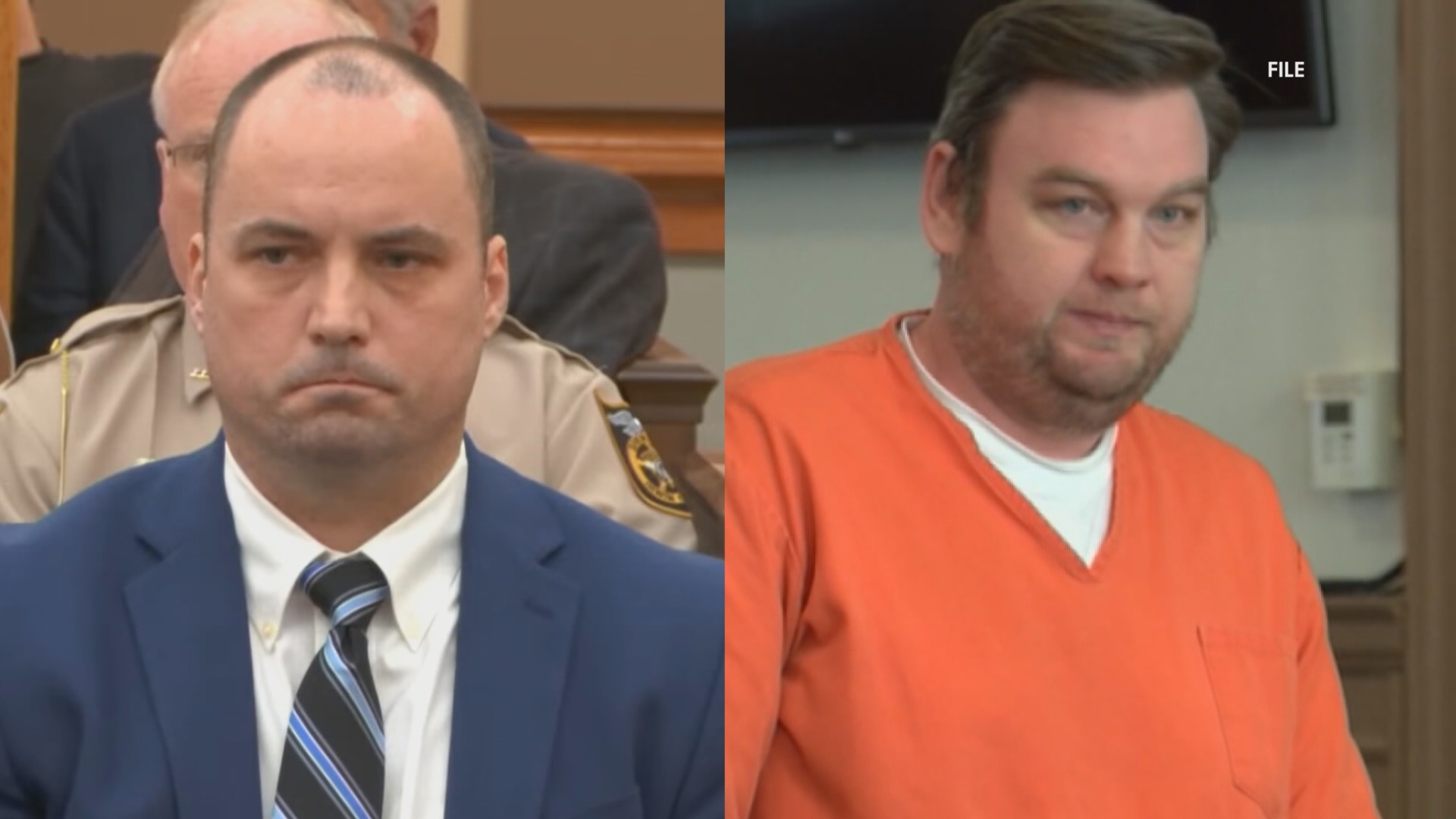
The details of the "house inside" were central to the trials of Ryan Duke and Bo Dukes. During the proceedings, the defense and prosecution sparred over what the broken lamp and the locked door actually signified.
The Theory of the Burglary Gone Wrong
The prosecution argued that Ryan Duke entered the home with the intent to steal money for drugs. According to this theory, he was surprised by Grinstead, leading to a struggle in the bedroom (the broken lamp) and her subsequent death. The fact that the house was locked suggested that the perpetrator may have used the missing keys to secure the house after removing the body, an act of "staging" or simply a way to delay the discovery of the crime.
The Defense's Rebuttal
The defense often pointed to the lack of DNA evidence from the suspects inside the house. While the glove outside had DNA, the interior was remarkably clean of the suspects' hair, skin cells, or fingerprints. This lack of interior forensic evidence was a major point of contention during Ryan Duke’s murder trial, where he was eventually found not guilty of the murder charge but guilty of concealing a death.
The Property Today: Ownership and Privacy
In 2026, the house at 300 West Park Street remains a private residence. It has changed ownership since 2005. It is important for those interested in the case to recognize that the current occupants have no connection to the Grinstead disappearance.
The house has undergone minor aesthetic updates over the years, which is common for older bungalows in the Georgia coastal plain region. However, its exterior footprint remains largely identical to the photos seen in news broadcasts and documentaries like Up and Vanished. For the community of Ocilla, the house is a somber reminder of a tragedy that changed the town forever.
Local law enforcement and the GBI still maintain the original files regarding the interior layout, as these records are permanent parts of the criminal justice archives. The precision with which the scene was documented in 2005 was vital for the eventual closure brought by the 2017 arrests and subsequent trials.
Frequently Asked Questions
Was there any blood found inside the Tara Grinstead house?
No significant amount of blood was found inside the house. Despite the broken lamp and the unmade bed, forensic sweeps did not reveal the type of biological evidence usually associated with a violent struggle involving a weapon. This suggests the struggle may have been brief or involved manual restraint.
Why were her keys and purse missing if her car was still there?
This remains one of the most puzzling aspects of the case. Investigators believe the perpetrator likely took the purse and keys to make it look as though she had left on her own accord, or simply grabbed them in the chaos of the abduction. The keys were never recovered.
How did the perpetrator get inside the house?
There was no sign of forced entry (no broken windows or kicked-in doors). This has led to two main theories: either Tara opened the door for someone she recognized, or the perpetrator entered through an unlocked door or used a spare key. During the legal proceedings, it was suggested that Ryan Duke entered the home while Grinstead was sleeping.
Is the Tara Grinstead house open for tours?
No, the house is a private residence and is not open to the public. It is located in a quiet residential neighborhood in Ocilla, and visitors are encouraged to respect the privacy of the current homeowners and the surrounding community.
Did the "Up and Vanished" podcast film inside the house?
The podcast and its television adaptation utilized photos and floor plans provided by investigators and family members, but they did not have access to film the current interior of the home out of respect for the current owners' privacy.
Final Practical Recommendation
For those researching the Tara Grinstead case, the most accurate information regarding the interior of the home can be found in the official GBI evidence photos and the trial transcripts from the Irwin County Superior Court. When visiting Ocilla to pay respects or learn about the case, always maintain a respectful distance from the property at 300 West Park Street. The case serves as a profound example of how meticulous "inside" crime scene processing—even when it seems inconclusive initially—can eventually lead to justice decades later.
Image Gallery