How Thinning Hair Treatment for Men Is Misunderstood: Myths vs. Clinical Science
Male thinning hair treatments are frequently misunderstood because men often confuse hair stabilization with rapid regrowth, mistake initial treatment shedding for worsening loss, and misattribute androgenetic alopecia to high testoste...
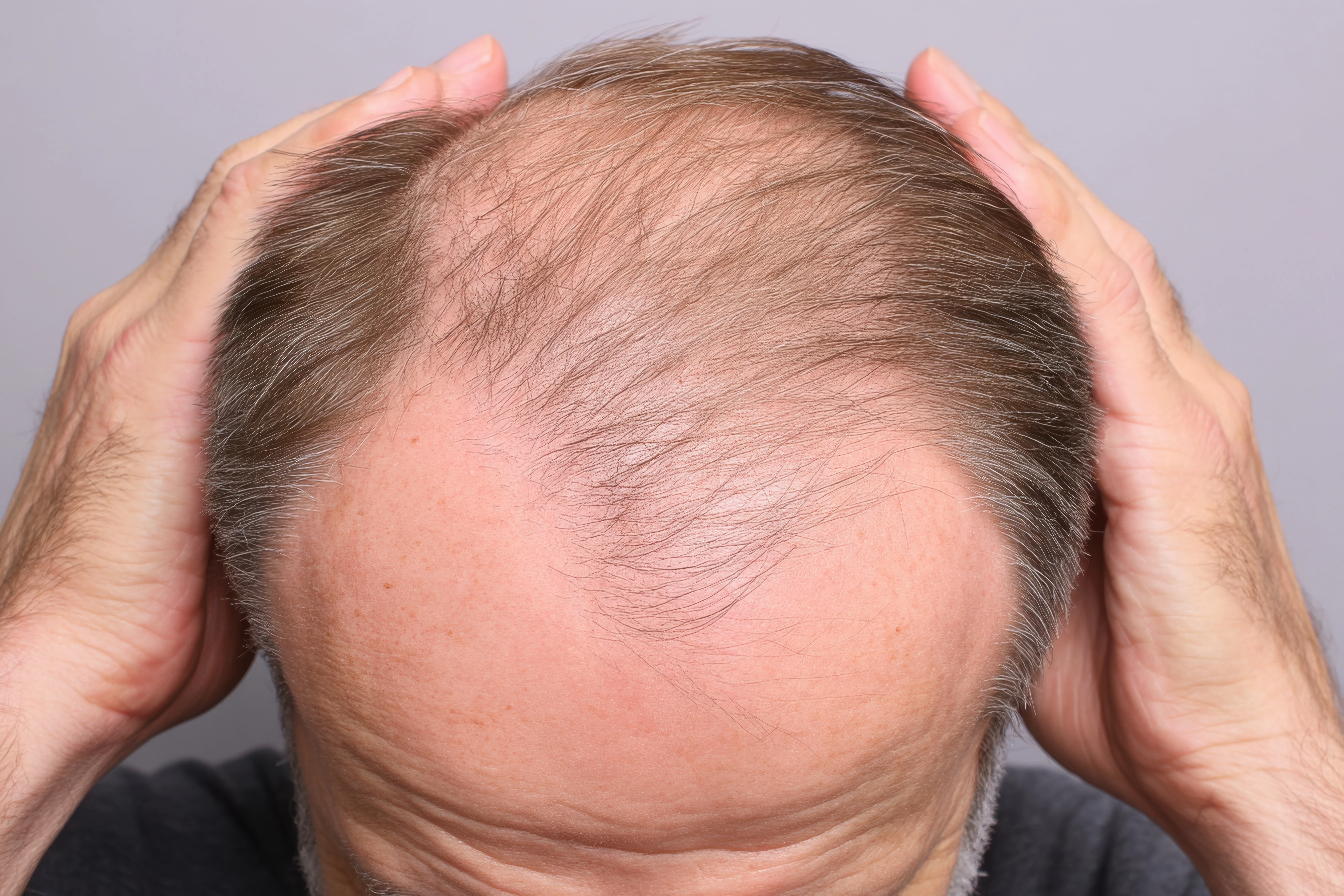
Male thinning hair treatments are frequently misunderstood because men often confuse hair stabilization with rapid regrowth, mistake initial treatment shedding for worsening loss, and misattribute androgenetic alopecia to high testosterone rather than localized dihydrotestosterone (DHT) sensitivity. Effective clinical management requires long-term preservation, accurate hormonal understanding, and realistic timelines based on the natural human hair growth cycle.
Contents
Disclaimer: This article is for informational purposes only and does not constitute medical advice, diagnosis, or treatment. Always consult a qualified dermatologist or physician regarding any medical condition or therapeutic regimen.
The Biological Root: DHT Sensitivity vs. Testosterone Myth
One of the most persistent misconceptions surrounding male hair thinning—scientifically termed androgenetic alopecia—is the belief that balding stems from excessively high levels of circulating testosterone. Men experiencing hair loss frequently assume that their thinning hair signifies either virility or, conversely, a hormonal deficiency.
In reality, male pattern baldness is primarily driven by the interaction between genetically susceptible hair follicles and dihydrotestosterone (DHT), an androgen synthesized from testosterone via the enzyme 5-alpha reductase (5-AR).
- Testosterone (via 5-Alpha Reductase)
- Dihydrotestosterone (DHT)
- Binds to Susceptible Hair Follicles
- Follicular Miniaturization & Loss
The key driver of hair loss is not the quantity of testosterone in the bloodstream, but rather the degree of genetic sensitivity of individual hair follicles on the scalp to DHT. Hair follicles on the vertex and crown possess higher concentrations of androgen receptors sensitive to DHT. When DHT binds to these receptors, it initiates a process called follicular miniaturization:
- Shortened Anagen Phase: The active growth phase (anagen) contracts from several years to just a few months or weeks.
- Lengthened Telogen Phase: The resting phase (telogen) prolongs, delaying new shaft emergence.
- Diameter Reduction: Each subsequent hair cycle produces a thinner, shorter, and less pigmented shaft (vellus hair) until the follicle ceases producing visible hair altogether.
Because occipital hair follicles (located at the back and sides of the head) generally lack this genetic DHT sensitivity, they remain stable over a lifetime. Understanding this distinction helps demystify why systemic "testosterone boosters" or generic hormone blockers fail to fix hair loss without targeting localized 5-AR enzymatic pathways.
Misinterpreting Efficacy: Stabilization vs. Cosmetic Regrowth
Men entering hair loss therapy often hold unrealistic expectations, believing that a successful medical treatment will restore their scalp to teenage hair density. This expectation gap leads many patients to abandon effective protocols prematurely, declaring them non-functional.
Clinical dermatologists define treatment success in two distinct tiers:
- Stabilization (Halting Progression): Stopping further miniaturization and preserving existing native hair. In clinical trials, halting progression is considered the primary benchmark of therapeutic efficacy.
- Cosmetic Regrowth (Reversal): Re-energizing miniaturized follicles to produce thicker terminal hairs. While regrowth occurs in a significant percentage of patients, it is typically partial rather than complete.
| Patient Expectation vs. Reality | Progression |
|---|---|
| Expectation | Sparse Scalp to Full 100% Mane |
| Real Efficacy | Thinning Hair to [Stabilization] to Modest Thickening |
When a patient takes an FDA-approved medical therapy like oral finasteride or uses topical minoxidil and experiences no further hair loss over 24 months, the treatment is working. However, because the patient does not see a dramatically lower hairline, they may misinterpret the outcome as a failure.
The Paradox of Initial Shedding: Why Hair Gets Worse Before It Gets Better
Perhaps the single greatest cause of panic and treatment discontinuation among men starting hair loss therapies is treatment-induced shedding (often referred to as telogen effluvium triggered by therapeutic initiation).
When starting medications like minoxidil (a vascular agent and potassium channel opener) or finasteride (a 5-alpha reductase inhibitor), patients often notice an increase in daily hair shed between weeks 2 and 8 of treatment. This symptom is frequently misunderstood as an adverse reaction or proof that the medication is destroying their hair.
Hair Cycle Transition During Initial Treatment:
- Miniature/Dormant Hair in Telogen (Medication triggers shift to Anagen)
- Old Hair Shaft Sheds (Misunderstood as "worsening balding")
- New, Stronger Terminal Hair Shaft Emerges
This shedding is actually a clinical indicator that the medication is altering the follicular cycle:
- Phase Synchronization: The therapeutic agent forces miniaturized, dormant follicles stuck in the resting (telogen) phase to transition simultaneously into the active growth (anagen) phase.
- Ejection of Weak Shafts: As new, thicker terminal hair shafts begin growing beneath the surface, they physically push out the thin, dying vellus shafts occupying the follicle.
- Establishment of Robust Growth: The shed hairs were already destined to fall out; the medication simply accelerates their departure to make room for healthier growth.
Stopping treatment during this shedding phase leaves the scalp in a net-negative state: the weak hairs have shed, but the patient cancels therapy before the new, robust shafts emerge.
Pharmacological Misconceptions: Finasteride, Minoxidil, and Alternative Therapies
The landscape of male hair restoration is fraught with confusion regarding how different treatments work, their dosage, safety profiles, and long-term commitments.
1. Finasteride and Dutasteride (5-AR Inhibitors)
Finasteride works by inhibiting Type II 5-alpha reductase, reducing scalp and serum DHT levels by approximately 60–70%. Dutasteride, a dual Type I and Type II 5-AR inhibitor, can reduce serum DHT by upwards of 90%.
- Misunderstanding: Many men believe 5-AR inhibitors destroy testosterone. In fact, by blocking the conversion of testosterone into DHT, circulating free testosterone levels slightly increase (typically by 10–15%).
- Side-Effect Perception: While media reports often highlight persistent sexual dysfunction (sometimes discussed under the umbrella of Post-Finasteride Syndrome), randomized double-blind placebo-controlled clinical trials, such as those reviewed by the U.S. Food and Drug Administration (FDA), demonstrate that sexual adverse events occur in approximately 1.5% to 2% of men—only slightly higher than the placebo control groups.
2. Minoxidil (Topical and Oral)
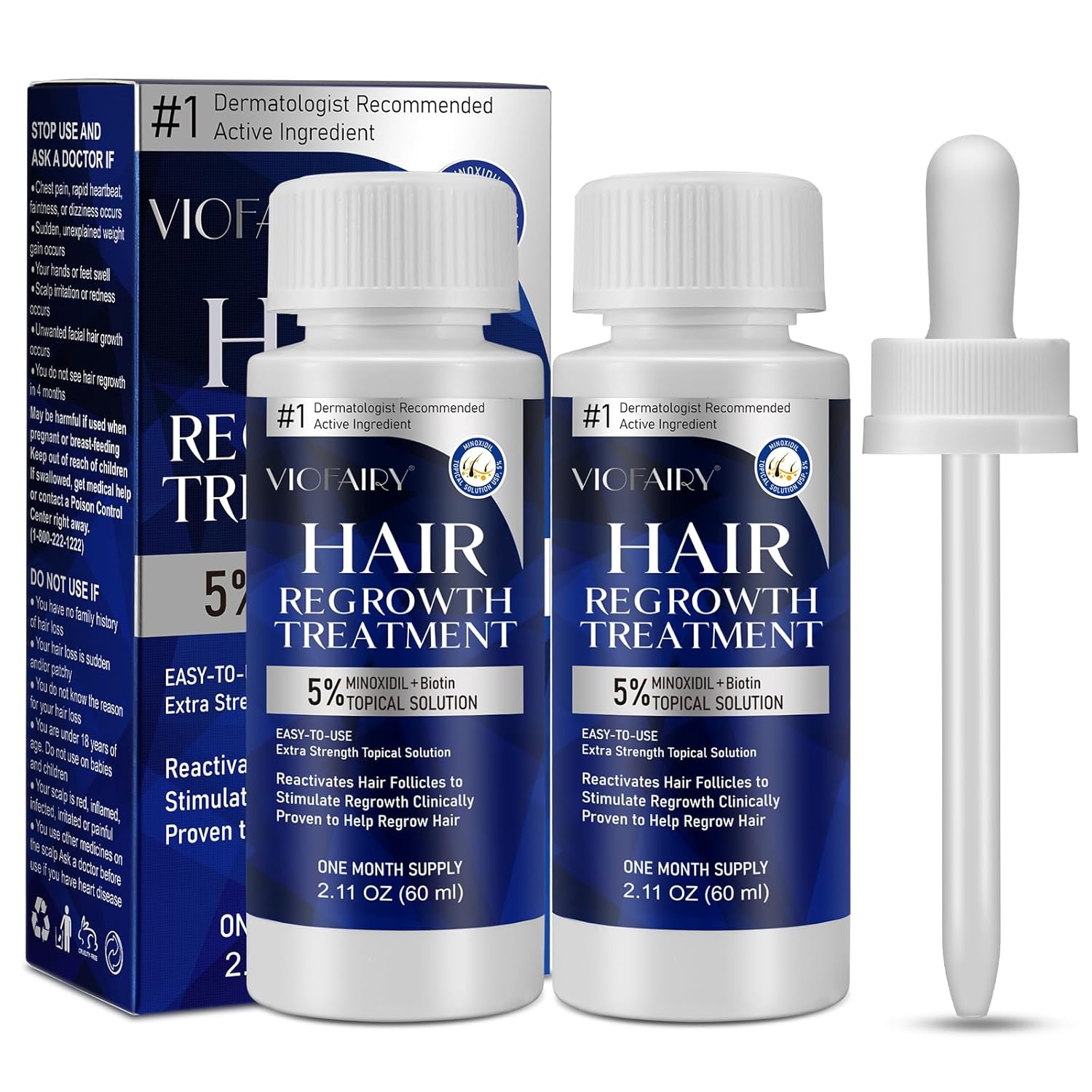
Originally developed as an oral antihypertensive medication, minoxidil was discovered to hyper polarize cell membranes and act as a vasodilator, extending the anagen phase of hair follicles.
- Misunderstanding: Minoxidil does not stop the hormonal cause of hair loss (DHT). It functions purely as a growth stimulant. If used alone without an anti-androgenic compound like finasteride, underlying DHT miniaturization will eventually overcome minoxidil's growth-stimulating effect.
- Application Errors: Men often assume that applying double the recommended dose of topical minoxidil will double the speed of hair growth. Over-application leads to localized cutaneous irritation, contact dermatitis, or systemic absorption causing headaches and dizziness, without enhancing hair density.
3. Over-the-Counter Shampoos and Natural Oils
Cosmetic marketing often suggests that biotin shampoos, saw palmetto serums, or rosemary oils are identical in efficacy to pharmaceutical interventions.
- Misunderstanding: Surface-level scalp cleansing cannot alter genetic androgen receptor sensitivity deep within the dermal papilla. While ingredients like saw palmetto exhibit mild in vitro 5-AR inhibition, clinical evidence compiled by organizations such as the National Institutes of Health (NIH) shows their effect is substantially weaker than pharmaceutical 5-AR inhibitors.
Technical Comparison of Male Thinning Hair Treatments
The following table summarizes the primary modalities used to address male hair thinning, highlighting their true biological mechanisms against common patient misconceptions.
| Treatment Modality | Primary Mechanism | Time to Evaluate Efficacy | Primary Purpose | Common Misconception |
|---|---|---|---|---|
| Finasteride (Oral 1mg) | Inhibits Type II 5-alpha reductase; lowers serum/scalp DHT | 6 to 12 months | Halts progression & stabilizes native hair | "Destroys testosterone levels completely" |
| Minoxidil (Topical 5%) | Vasodilator/potassium channel opener; prolongs anagen phase | 4 to 6 months | Stimulates blood flow & shaft diameter | "Cures underlying male pattern baldness" |
| Dutasteride (Oral 0.5mg) | Inhibits Type I & Type II 5-AR; lowers DHT by ~90% | 6 to 12 months | Advanced stabilization for stubborn loss | "Works instantly overnight" |
| Hair Transplantation (FUE/FUT) | Transplants DHT-resistant donor grafts to bald areas | 10 to 15 months | Fills empty zones cosmetically | "Prevents remaining native hair from shedding" |
| Low-Level Laser Therapy (LLLT) | Photobiomodulation; stimulates mitochondrial ATP | 6 months | Mild growth stimulation support | "Replaces the need for prescription DHT blockers" |
| Platelet-Rich Plasma (PRP) | Autologous growth factors injected into the scalp | 3 to 6 months | Temporarily re-energizes miniaturizing follicles | "A one-time permanent fix for balding" |
Surgical Realities: What Hair Transplants Can and Cannot Do
Hair transplantation using Follicular Unit Extraction (FUE) or Follicular Unit Transplantation (FUT) has advanced significantly. However, surgical restoration remains one of the most misunderstood aspects of hair recovery.
Scalp Profile Post-Transplant Without Medical Maintenance:
- Transplanted DHT-Resistant Hair (Stays) + Native Unprotected Hair (Continues Thinning)
- Result: Unnatural Gaps / "Island" Appearance
Misconception 1: Transplants Create Unlimited Supply
A hair transplant does not create new hair; it relocates existing hair follicles from the donor zone (occipital scalp) to the recipient area (crown or hairline). Because the donor zone has a finite number of harvestable units (typically 4,000 to 8,000 lifetime grafts depending on density), over-harvesting can leave the donor area visibly depleted and patchy.
Misconception 2: Surgery Cures Future Hair Loss
Transplanted hair follicles retain their genetic resistance to DHT. However, the native, non-transplanted hair surrounding the grafts remains subject to ongoing androgenic miniaturization.
If a 25-year-old man receives a surgical restoration for a receding hairline but refuses medical therapy to block DHT, his native hair behind the transplanted grafts will continue to thin. Over several years, this creates an unnatural appearance where an island of transplanted hair sits isolated in front of a balding scalp. Medical stabilization remains mandatory even after successful surgery.
Diagnostic Distinctions: Is It Androgenetic Alopecia?
Not all male hair thinning stems from male pattern baldness. Confusing androgenetic alopecia with other hair loss conditions leads to inappropriate treatments that fail to yield results.
- Male Scalp Thinning
- Patterned Loss (Crown/Hairline Receding)
- Androgenetic Alopecia (DHT-Mediated Follicle Miniaturization)
- Diffuse Loss (Uniform Scalp Shedding)
- Alternative Etiologies:
- Telogen Effluvium (Stress/Illness)
- Alopecia Areata (Autoimmune)
- Thyroid Dysregulation
- Severe Nutritional Deficiencies
- Alternative Etiologies:
- Patterned Loss (Crown/Hairline Receding)
- Telogen Effluvium (TE): Triggered by severe physiological stress, high fevers, sudden weight loss, or surgical trauma. TE manifests as acute, diffuse shedding across the entire scalp rather than patterned receding crowns or temples. Treating TE with DHT blockers is ineffective because DHT is not the causative agent.
- Alopecia Areata: An autoimmune condition where the body's immune system attacks hair follicles, resulting in smooth, circular patchy bald spots rather than gradual miniaturization.
- Scalp Conditions and Nutritional Deficiencies: Severe seborrheic dermatitis, severe iron deficiency (ferritin drop), or thyroid dysfunction can impair hair quality. Resolving these underlying systemic issues restores growth without requiring permanent hormonal therapy.
Clinical Protocols: Actionable Steps for Managing Thinning Hair
To avoid common pitfalls and achieve optimal outcome density, men facing hair thinning should follow an organized, evidence-based roadmap.
Step 1: Formal Dermatological Evaluation
Before purchasing over-the-counter supplements or starting unregulated online subscriptions, visit a board-certified dermatologist.
A physician will perform a trichoscopy (polarized dermoscopy of the scalp) to evaluate miniaturization ratios. If more than 20% of hairs in a given zone show variable shaft diameters, androgenetic alopecia is formally confirmed.
Step 2: Establish Baseline Stabilization
Prioritize halting ongoing loss before attempting aggressive restoration.
First-line medical protocols recommended by clinical guidelines from bodies like the American Academy of Dermatology (AAD) typically involve daily oral 5-alpha reductase inhibitors (such as finasteride 1mg) combined with consistent topical or low-dose oral minoxidil, provided no clinical contraindications exist.
Step 3: Standardize Progress Monitoring
Hair grows at an average rate of 1 centimeter per month. Because growth cycles are slow, assessing changes week-to-week leads to false conclusions.
- Set Evaluation Windows: Take standardized photographs of the hairline, vertex, and crown every 3 to 6 months under consistent lighting and dry hair conditions.
- Ignore Day-to-Day Shed Counts: Daily shedding of 50 to 100 hairs is normal human follicular turnover. Focus on overall density patterns in baseline photos rather than hair counts in the shower drain.
Step 4: Re-Evaluate and Adjust after 12 Months
Evaluate overall efficacy only after 12 full months of uninterrupted compliance. If hair loss has stabilized or regrown, maintain the routine. If progression continues despite strict adherence, consult your dermatologist to discuss secondary options like prescription-strength dutasteride, adjunctive PRP sessions, or low-level light therapy.
Frequently Asked Questions
If I stop taking hair loss treatment, will my hair immediately fall out?
Stopping treatment will not cause instant balding, but over 3 to 6 months, your scalp will revert to its baseline genetic trajectory. You will shed the hair retained or regrown by the medication, and normal androgenic miniaturization will resume.
Does scalp massage or exercise reduce DHT in the scalp?
While scalp massages can temporarily improve localized cutaneous blood flow, there is no robust clinical evidence that mechanical massage or exercise lowers scalp levels of 5-alpha reductase or blocks DHT binding to androgen receptors.
Is oral minoxidil better than topical minoxidil?
Oral minoxidil offers higher compliance convenience and eliminates topical residue or contact dermatitis. However, because it enters systemic circulation, it requires medical supervision to monitor for cardiovascular parameters like blood pressure shifts, lower extremity edema, or fluid retention.
Can young men in their late teens or early 20s start DHT blockers?
Men must complete post-pubertal development before initiating systemic 5-alpha reductase inhibitors. Physicians carefully evaluate hormonal maturity prior to prescribing finasteride to young adults.
Why do some hair loss treatments work for the crown but not the hairline?
Follicles in the frontal hairline often possess higher androgen receptor concentrations and lower vascularity than those in the crown. As a result, frontal hairline miniaturization is biologically more resistant to reversal, though stabilization remains highly achievable.
Recommended Next Steps
If you suspect your hair is thinning, avoid purchasing unverified natural remedies or abandoning pharmaceutical protocols prematurely due to initial shedding. Schedule a consultation with a board-certified dermatologist to undergo dermoscopic trichoscopy. Establishing an accurate baseline diagnosis and adhering to an evidence-based maintenance regimen over a minimum 12-month window remains the safest, most reliable path to preserving your hair.
Image Gallery