Moon Symbolism: What the Moon Represents Across Cultures and History
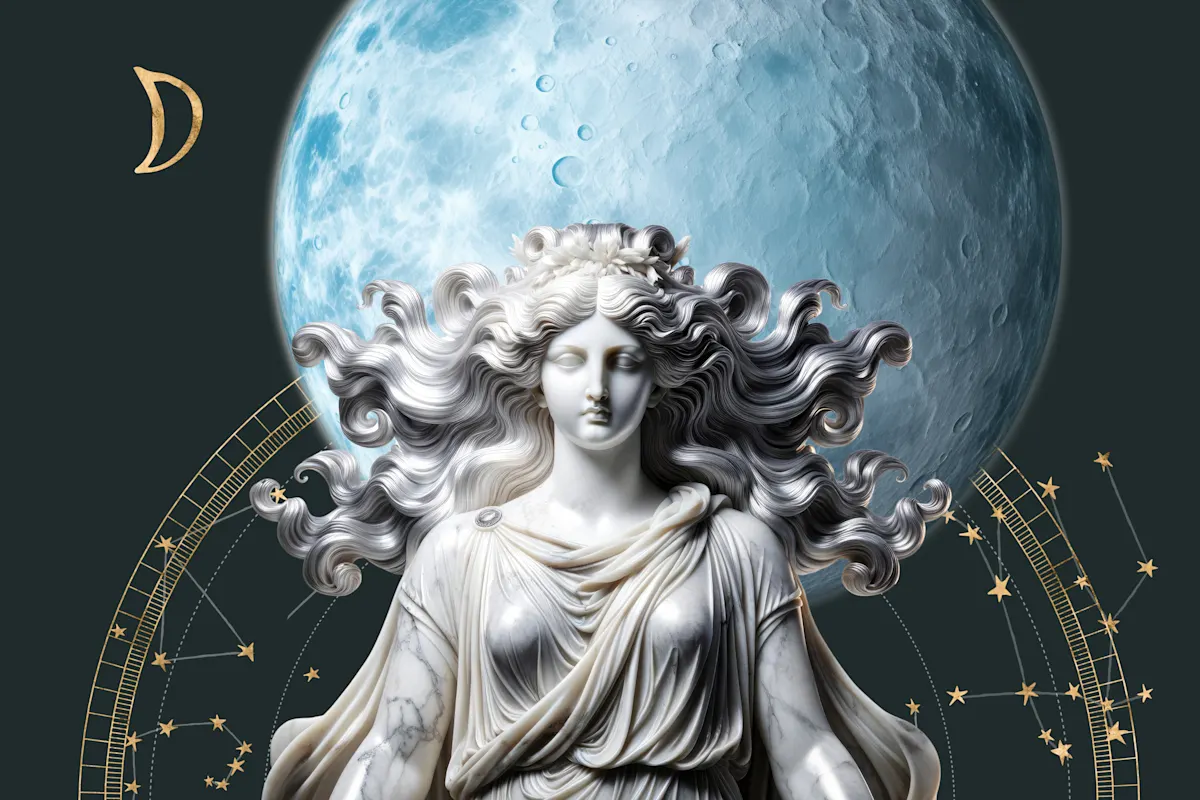
The moon represents a universal mirror for human consciousness, symbolizing the subconscious mind, intuition, cyclical change, femininity, and the passage of time across global mythologies, psychological frameworks, and cultural tradit...
The moon represents a universal mirror for human consciousness, symbolizing the subconscious mind, intuition, cyclical change, femininity, and the passage of time across global mythologies, psychological frameworks, and cultural traditions.
Contents
Introduction to Lunar Symbolism
Throughout human history, the moon has commanded the night sky, serving as humanity's first timepiece, calendar, and a profound source of spiritual wonder. Unlike the steady, unchanging presence of the daytime sun, the moon transforms through a predictable monthly cycle of birth, growth, fullness, decay, and rebirth. This visible metamorphosis has made the lunar sphere one of the most potent symbols in art, literature, religion, and psychology.
Understanding moon symbolism requires exploring how different civilizations interpreted its changing phases, brightness, and shadow. While the sun traditionally aligns with logic, external action, and conscious vitality, the moon governs the inner world—emotions, dreams, hidden truths, and the subconscious. From ancient lunar deities to modern psychological archetypes, the moon represents the harmonious balance of shadow and light, reminding observers that transformation is an essential, repeating part of existence.
The Psychological Lens: Carl Jung and the Unconscious
In modern depth psychology, particularly within the analytical framework established by Carl Jung, the moon serves as a primary symbol for the unconscious mind. While the conscious ego operates in the metaphorical daylight of rationality and social performance, the unconscious operates in the nocturnal realm of the moon.
Jungian psychology links the moon closely to the archetype of the anima in men and the animus in women, as well as the broader collective unconscious. Dreams, suppressed memories, and intuitive flashes are often viewed psychologically as "lunar" phenomena. The moon’s reflective quality—shining not by its own light, but by mirroring the sun—is frequently interpreted as the psyche's ability to reflect deep-seated truths that the conscious mind cannot directly face during busy daylight hours.
Furthermore, the moon represents the shadow self: those parts of human personality that are hidden, misunderstood, or rejected by society. By exploring moon symbolism, individuals often seek to integrate these hidden emotional depths into their daily awareness, fostering emotional intelligence and psychological wholeness.
Cultural and Historical Interpretations of the Moon
Different civilizations viewed the moon through distinct cultural lenses, shaping regional folklore, agricultural practices, and spiritual pantheons.
Ancient Mesopotamia and the Near East
In ancient Sumerian and Akkadian traditions, the moon was revered as a powerful masculine deity. Nanna (known as Sin in Babylonian mythology) was the god of the moon, wisdom, and time measurement. The crescent moon was his primary emblem, frequently carved into stelae and cylinder seals. Sin was considered the father of the sun god Utu/Shamash, reflecting an ancient theological view that night and the moon preceded the day and the sun in the cosmic order.
Ancient Egypt and Lunar Deities
Ancient Egyptian mythology featured several lunar figures, most notably Khonsu and Thoth. Khonsu, whose name means "the traveler," was the god of the moon, youth, and time, closely associated with the renewal of life and agricultural fertility. Thoth, the ibis-headed god of wisdom, writing, magic, and the moon, used his lunar eye to restore cosmic order, healing, and balance after mythological battles.
East Asian Traditions and the Mid-Autumn Festival
In Chinese, Japanese, and Korean cultures, the moon holds profound cultural and familial significance, epitomized by the Mid-Autumn Festival (also known as the Moon Festival). The moon represents family reunion, wholeness, and harmony. The brilliant full moon of the autumn harvest symbolizes the gathering of loved ones. Chinese folklore surrounding Chang'e, the goddess of the moon who drank an elixir of immortality and flew to the lunar sphere, reinforces themes of longing, sacrifice, and ethereal beauty.
Indigenous and Native American Perspectives
Many Indigenous cultures across North and South America track seasonal changes through the thirteen lunar cycles of the year, naming each full moon after ecological events (such as the Strawberry Moon, Harvest Moon, or Wolf Moon). Rather than viewing the moon as a distant, inanimate rock, these traditions treat the moon as a living relative and guide, regulating planting, harvesting, hunting, and sacred ceremonies in alignment with the natural world.
Comparative Overview of Solar vs. Lunar Symbolism
To fully grasp what the moon represents, it helps to contrast lunar attributes directly against solar characteristics. This duality forms the foundation of many philosophical and esoteric systems, including alchemy and astrology.
| Symbolic Attribute | Solar Symbolism (The Sun) | Lunar Symbolism (The Moon) |
|---|---|---|
| Primary Domain | Conscious mind, ego, clarity | Subconscious, intuition, hidden depths |
| Active/Passive Force | Active, outward projection, assertion | Passive, receptive reflection, inner processing |
| Time Orientation | Daily cycles, immediate focus | Monthly cycles, long-term rhythms, seasons |
| Traditional Gender | Traditionally masculine, paternal | Traditionally feminine, maternal, cyclical |
| Associated Element | Fire, heat, dryness | Water, moisture, tide regulation |
| Psychological State | Rationality, wakefulness, logic | Dreams, emotion, instinctual wisdom |
The Phases of the Moon and Their Meanings
The moon's journey from darkness to full illumination and back again provides a structured narrative of personal and natural development. Each phase carries distinct symbolic weight.
[New Moon] ---> [Waxing Crescent] ---> [First Quarter] ---> [Waxing Gibbous] ^ | | v [Waning Balsamic] <--- [Waning Crescent] <--- [Third Quarter] <--- [Full Moon]
The New Moon: New Beginnings and Potential
Shrouded in darkness, the new moon represents a blank slate, introspection, rest, and planting seeds of intention. It is a time of quiet preparation before outward growth begins.
The Waxing Crescent and First Quarter: Action and Resilience
As a sliver of light appears, the waxing phases symbolize momentum, building energy, overcoming early obstacles, and making committed choices to support new goals.
The Full Moon: Illumination, Culmination, and Power
The full moon represents peak energy, absolute clarity, manifestation, and emotional intensity. Historically associated with heightened activity and folklore regarding transformation, it stands as a symbol of fruition where hidden matters are brought to light.
The Waning Phases: Release, Reflection, and Rest
As the light diminishes from gibbous to the final waning crescent, the moon symbolizes letting go of the old, shedding bad habits, practicing gratitude, and preparing for necessary rest.
Frequently Asked Questions About Moon Symbolism
What does the crescent moon represent in world religions?
The crescent moon carries different meanings depending on the context. In ancient Near Eastern art, it represented lunar deities. In modern global culture, the crescent moon paired with a star is widely recognized as a primary symbol of Islam, representing sovereignty, timekeeping, and the lunar calendar used in religious observances, though its use predates Islam in the region.
Why is the moon historically associated with femininity?
The association between the moon and femininity stems primarily from biological parallels, specifically the synchronization of human menstrual cycles with the roughly 29.5-day lunar month. Across ancient matriarchal and patriarchal societies alike, this natural correspondence linked the moon's regenerative phases with fertility, motherhood, creation, and nurturing intuition.
How do different cultures name full moons?
Many cultures name full moons based on seasonal ecological markers rather than fixed calendar dates. For instance, European and North American traditions recorded by agrarian communities named moons after animal behaviors, weather patterns, or crop readiness—such as the Wolf Moon in January, the Pink Moon in April, and the Harvest Moon in September.
Is moon symbolism scientifically supported or purely cultural?
While moon symbolism is primarily cultural, mythological, and psychological, the physical moon does exert measurable gravitational influence on Earth. It drives ocean tides, affects nocturnal animal behaviors, and has historically guided human navigation and agriculture. Cultural symbolism builds upon these observable physical realities, translating natural rhythms into meaningful human metaphors.
Practical Next Steps for Exploring Lunar Traditions
For those interested in exploring moon symbolism further, a practical approach involves observing the lunar cycle firsthand over the course of a month. Tracking the phases using a physical journal helps connect abstract symbolism to real-world pacing. Notice how personal energy levels fluctuate alongside the lunar calendar, and use the new moon for setting personal intentions while utilizing the full moon for reflective evaluation. This experiential method transforms ancient symbolism from a passive academic topic into an active, mindful practice.
Image Gallery