Planning the Ultimate Delhi Vacation in Winter: Weather, Itineraries, and Practical Tips
A winter vacation in Delhi offers a rewarding travel experience characterized by crisp, cool weather, vibrant festival seasons, and peak operating conditions for historical monuments. By understanding regional climate variations, navig...
A winter vacation in Delhi offers a rewarding travel experience characterized by crisp, cool weather, vibrant festival seasons, and peak operating conditions for historical monuments. By understanding regional climate variations, navigating seasonal fog patterns, and preparing for chilly evenings, travelers can maximize comfort while exploring India's capital.
Contents
Planning a winter trip to the National Capital Territory of Delhi requires careful attention to shifting weather patterns, crowd dynamics at major historical sites, and specific logistical requirements. Unlike the scorching summer months or the humid monsoon season, the winter window—stretching roughly from November through February—presents the most comfortable environment for outdoor sightseeing. However, winter in North India also brings distinct environmental challenges, such as heavy morning fog, fluctuating air quality indexes (AQI), and sharp temperature drops after sunset.
Understanding these conditions allows travelers to craft balanced itineraries that blend outdoor exploration of UNESCO World Heritage sites with indoor cultural experiences, culinary tours, and reliable transit planning. This guide outlines everything visitors need to know to execute a smooth, well-prepared winter itinerary in Delhi.
Understanding Delhi's Winter Climate and Weather Patterns
Winter in Delhi is distinct, moving through several phases from pleasant autumn transitions to brisk winter cold snaps. Knowing what to expect meteorologically helps travelers pack appropriately and time their daily sightseeing for maximum comfort.
Temperature Ranges and Daily Fluctuations
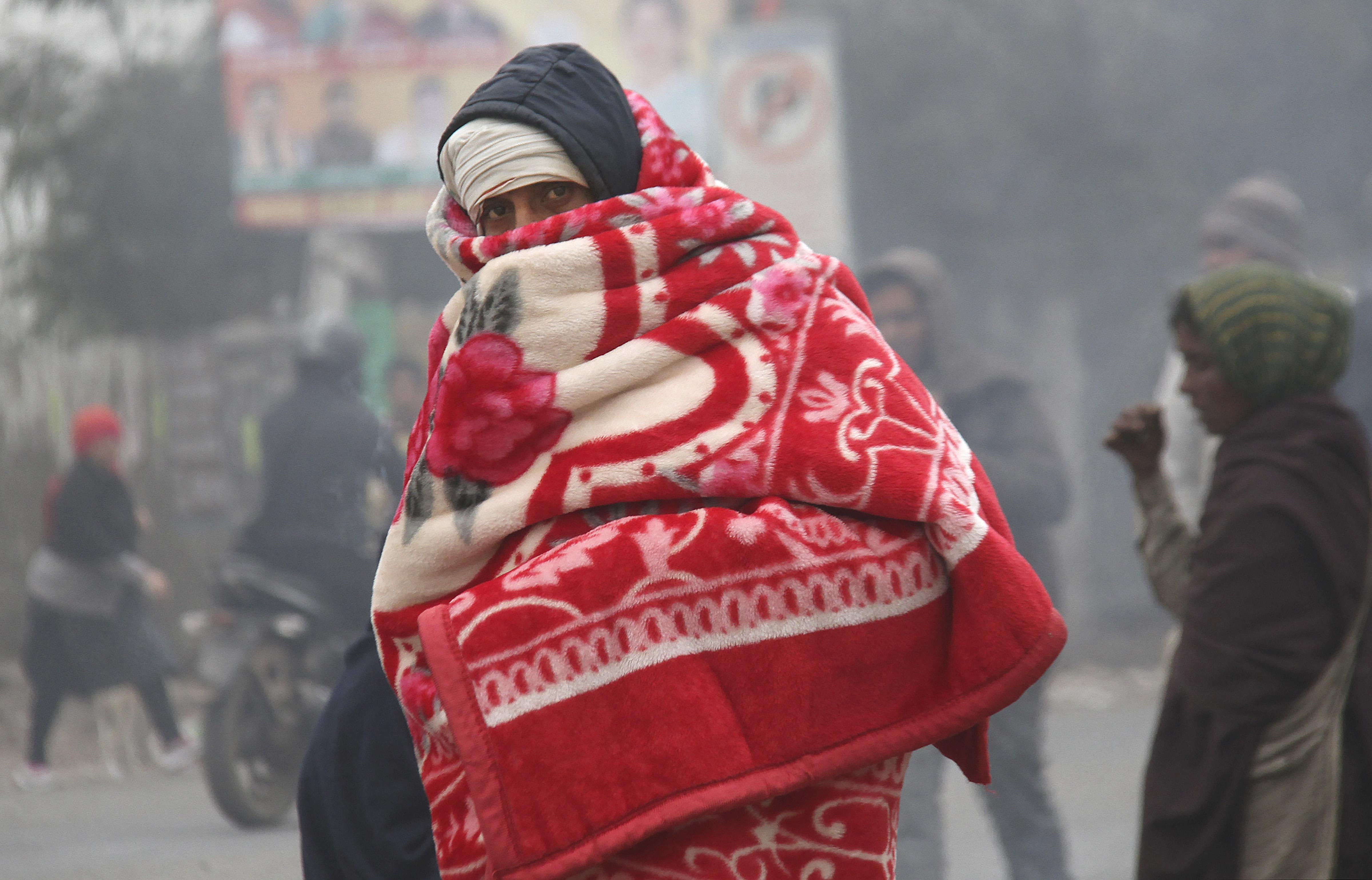
Winter temperatures in Delhi typically range from a comfortable daytime high of 20°C to 25°C (68°F to 77°F) in November and February, dropping to chillier averages of 5°C to 15°C (41°F to 59°F) in December and January. While afternoons are sunny and ideal for walking outdoors, mornings and late evenings experience sharp drops in temperature. Cold waves, influenced by Western Disturbances in the Himalayas, can occasionally push minimum temperatures below 4°C, accompanied by cold winds.
Air Quality and Fog Management
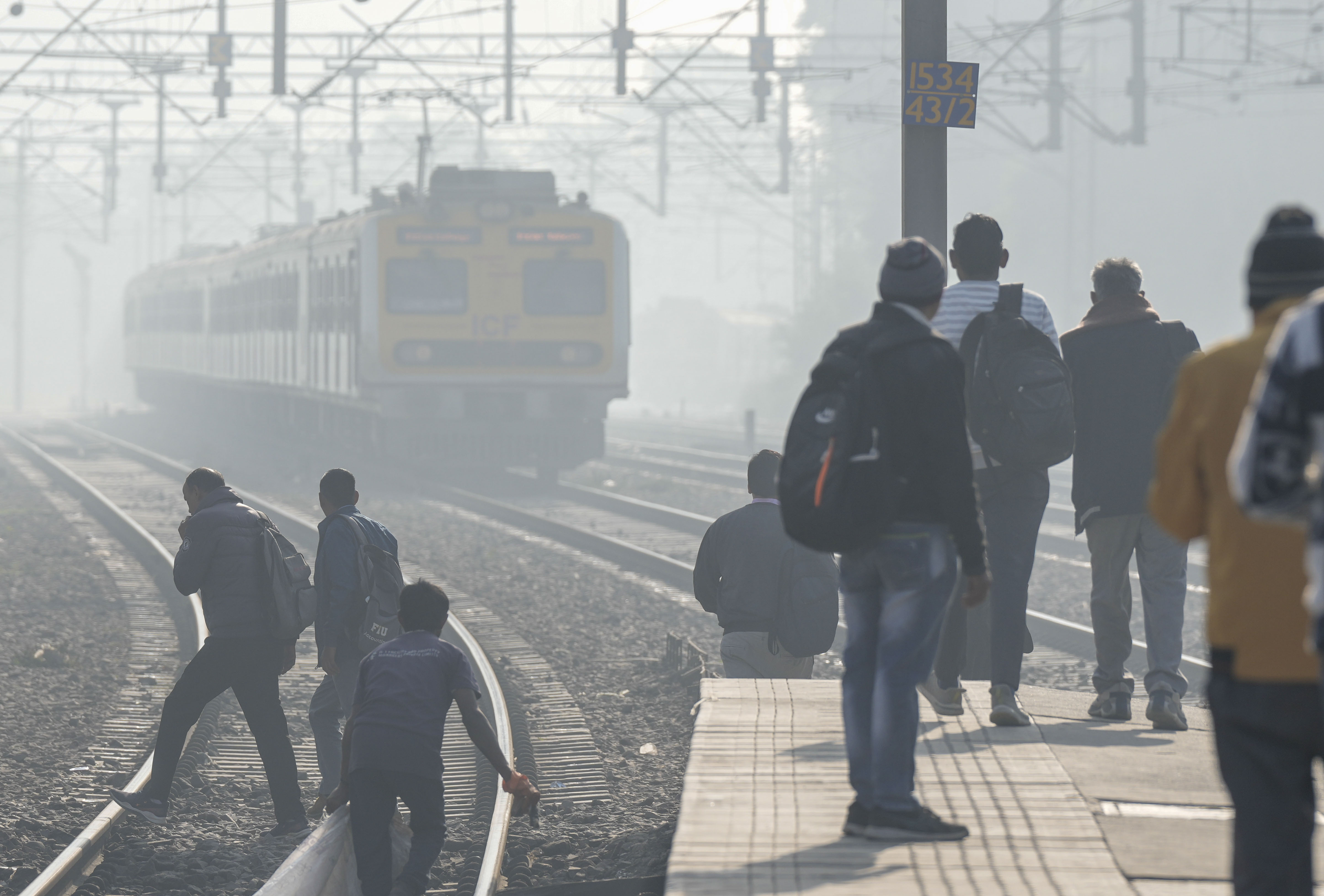
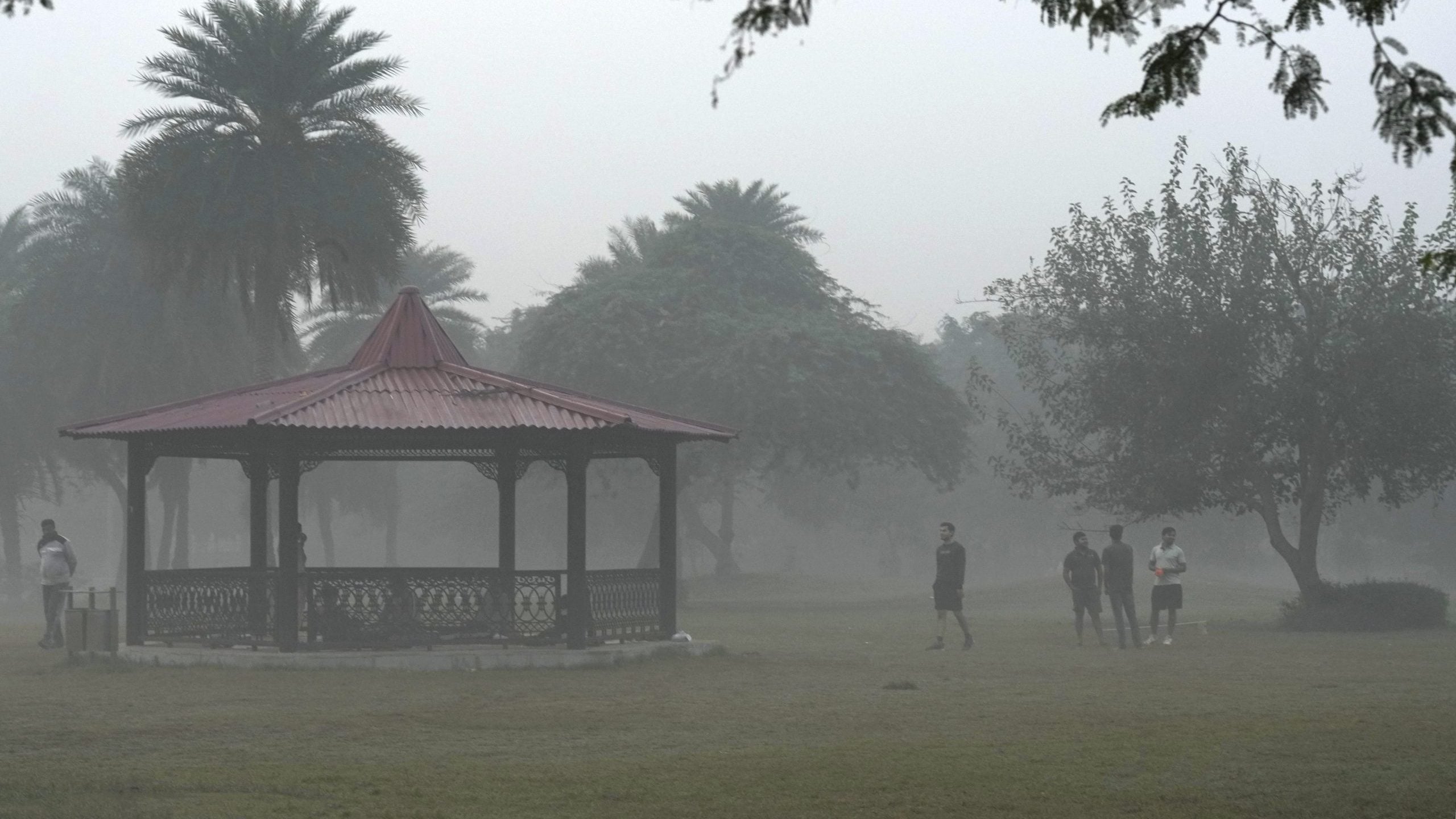
The winter season coincides with specific agricultural and meteorological conditions that frequently elevate the Air Quality Index (AQI) to "Very Poor" or "Severe" categories, particularly between late November and mid-January. Additionally, radiative cooling and high humidity often combine to create dense morning fog or smog, which can temporarily disrupt railway schedules, highway traffic, and low-visibility flight operations at Indira Gandhi International Airport (DEL). Travelers should monitor real-time AQI reports via official platforms like the Central Pollution Control Board (CPCB) and consider wearing N95 or N99 respirator masks during peak pollution episodes or when spending extended time in heavy traffic areas.
Best Time to Visit Within the Winter Window
While all winter months offer cooler weather than the rest of the year, each month presents a unique atmosphere regarding festivals, weather severity, and crowd sizes.
| Month | Average Temperature Range | Weather Characteristics & Key Events |
|---|---|---|
| November | 12°C to 28°C (54°F to 82°F) | Pleasant transition period; clear skies; Diwali festivities (often falling in Nov); Trade Fair at Pragati Maidan. |
| December | 8°C to 22°C (46°F to 72°F) | Crisp days, onset of dense morning fog; Christmas and New Year celebrations; peak tourist arrival period. |
| January | 7°C to 21°C (45°F to 70°F) | Coldest month; Republic Day parade preparations and celebrations (Jan 26); frequent cold snaps and foggy mornings. |
| February | 10°C to 25°C (50°F to 77°F) | Rapidly warming afternoons; blooming gardens at Rashtrapati Bhavan and Lodhi Gardens; highly pleasant sightseeing. |
Essential Packing List for a Delhi Winter
Packing for Delhi in winter requires a layered approach. Because indoor spaces frequently lack central heating while outdoor mornings are genuinely cold, versatile clothing options are essential.
- Base and Mid Layers: Thermal innerwear (tops and bottoms) for January mornings, paired with cotton shirts, sweaters, and cardigans.
- Outerwear: A windproof jacket, fleece, or a medium-weight woolen overcoat is necessary for evening outings and open-air monuments.
- Footwear: Comfortable walking shoes with good grip for uneven stone pathways at historical sites, alongside warm socks.
- Health and Comfort: Portable hand sanitizers, moisturizing skin lotions to counter dry winter air, and certified anti-pollution masks for sensitive individuals.
Crafting a Comprehensive Winter Itinerary
A successful winter vacation balances the architectural density of Old Delhi with the sprawling institutional and green spaces of New Delhi. Because winter days are shorter—with sunset occurring around 5:30 PM—starting outdoor activities early is critical.
Old Delhi: History, Markets, and Street Food
Old Delhi comes alive in the winter sun, making it the ideal time to explore labyrinthine lanes that become overwhelmingly hot during other seasons.
- Red Fort (Lal Qila): Start your morning here as the mist clears. Built by Shah Jahan in the 17th century, the red sandstone complex houses grand halls like the Diwan-i-Aam. Note that the fort is closed on Mondays.
- Jama Masjid: Visit India's largest mosque before noon. Climbing the southern minaret offers panoramic views of Shahjahanabad. Modest attire covering shoulders and knees is strictly enforced.
- Chandni Chowk and Culinary Walks: Take a cycle rickshaw ride through the wholesale markets of Kinari Bazaar and Khari Baoli (the spice market). Winter is prime season for seasonal culinary specialties such as daulat ki chaat (a delicate, milk-foam dessert available only in winter) and piping hot parathas at Paranthe Wali Gali.
New Delhi: Imperial Architecture and Cultural Hubs
New Delhi's wide boulevards, designed by Edwin Lutyens and Herbert Baker, are lined with mature trees that shed leaves in winter, creating an aesthetic European-style ambiance.
- Humayun’s Tomb: This precursor to the Taj Mahal features extensive geometric gardens (charbagh) that are exceptionally pleasant for afternoon strolls during winter.
- Qutb Minar Complex: Explore the 73-meter-high victory tower and the mysterious Iron Pillar, which has resisted corrosion for over 1,600 years.
- Lodhi Gardens: A favorite among locals for winter morning jogs and picnics. The 90-acre park contains scattered Sayyid and Lodi dynasty tombs wrapped in sprawling lawns and winter flower beds.
- National Museum and National Gallery of Modern Art (NGMA): Ideal indoor refuges when outside air quality dips or mid-day sun becomes too bright. Both institutions house world-class collections spanning millennia of Indian history and contemporary art.
Navigating Transit and Logistics
Getting around Delhi during winter requires factoring in seasonal transit quirks and infrastructural updates.
Metro Rail as the Primary Lifeline
The Delhi Metro is the most reliable, efficient, and pollution-sheltered method for navigating the city. Spanning over 350 kilometers across multiple color-coded lines, it bypasses street-level traffic congestion and heavy winter road fog. Purchasing a Tourist Card or using a smart transit card streamlines station entry.
Road Transit and Cab Aggregators
App-based ride-hailing services like Uber and Ola operate extensively throughout the National Capital Region (NCR). However, during peak winter commuting hours and dense fog episodes, road transit times can double. Travelers heading to Indira Gandhi International Airport should build an extra 60 to 90 minutes into their transit schedules, particularly for early morning departures.
Accommodation Strategies for Winter Travelers
Choosing the right neighborhood dictates comfort levels regarding heating, walkability, and dining access.
- Central Delhi (Connaught Place, Janpath): Highly central, offering immediate access to metro hubs, government emporiums, and heritage hotels like The Imperial. Ideal for first-time visitors seeking logistical convenience.
- South Delhi (Greater Kailash, Hauz Khas, Saket): Known for boutique hotels, upscale guesthouses, fine-dining restaurants, and proximity to major monuments like Qutb Minar and Humayun’s Tomb.
- Aerocity (Near IGIA): Best for short-stay travelers, business tourists, or those with tight flight connections. It features modern international hotel chains with advanced indoor air-filtration systems.
Frequently Asked Questions About Delhi in Winter
Is Delhi too cold in December and January?
While daytime temperatures remain mild and comfortable, early mornings and late nights experience significant drops, often falling between 5°C and 8°C (41°F to 46°F). Central heating is not standard in most Indian hotels, though properties provide adequate blankets, space heaters, or air-conditioning units with heating functions.
How does winter fog impact flights and trains in Delhi?
Dense fog frequently develops during late December and January, severely reducing visibility at Indira Gandhi International Airport and railway terminals like New Delhi Station (NDLS) and Old Delhi Station (DLI). Travelers should check real-time flight and train status updates before heading to transport hubs.
What should I eat in Delhi during winter?
Winter in Delhi features distinct culinary traditions. Must-try items include sarson ka saag (mustard greens curry) served with makki di roti (corn flatbread), gajar ka halwa (carrot pudding), and street snacks like daulat ki chaat and piping-hot jalebis.
Are historical monuments open on public holidays during winter?
Most central government monuments managed by the Archaeological Survey of India (ASI)—such as the Red Fort, Qutb Minar, and Humayun’s Tomb—remain open on most public holidays, though some close on designated weekdays (typically Mondays for the Red Fort). It is advisable to book tickets online in advance to avoid long queues.
Is air pollution a major concern for tourists in winter?
Air pollution levels peak in winter due to meteorological factors and regional stubble burning. While healthy adults can comfortably sightsee by wearing N95 masks during high-pollution days, individuals with respiratory conditions or cardiovascular sensitivities should monitor daily AQI advisories and limit strenuous outdoor exertion during early morning hours.
Practical Next Actions for Your Trip
To finalize your winter vacation to Delhi, begin by securing flights and central accommodations well in advance, as December and January constitute peak tourist season. Purchase monument entry tickets online through the official ASI ticketing portal to bypass long queues. Finally, download local transit apps, pack appropriate layers, and keep flexible time buffers in your daily itinerary to account for winter fog and transit variations.
Image Gallery