Understanding the Newest Pneumonia Vaccine 2025: PCV21 (Capvaxive) and Current Guidelines
The newest pneumonia vaccine is Capvaxive (PCV21), a 21-valent pneumococcal conjugate vaccine approved by the FDA in late 2024 and fully integrated into clinical practice by 2025. Current 2026 guidelines recommend PCV21 for adults aged...
The newest pneumonia vaccine is Capvaxive (PCV21), a 21-valent pneumococcal conjugate vaccine approved by the FDA in late 2024 and fully integrated into clinical practice by 2025. Current 2026 guidelines recommend PCV21 for adults aged 50 and older and those with specific underlying health conditions to prevent invasive pneumococcal disease.
Contents
The Evolution of Pneumococcal Vaccines: What Changed in 2025?
For decades, the medical community relied on a rotating cast of vaccines to combat Streptococcus pneumoniae, a bacterium responsible for pneumonia, meningitis, and sepsis. The landscape shifted significantly between 2021 and 2025. Initially, Prevnar 13 (PCV13) and Pneumovax 23 (PPSV23) were the standards. These were followed by the "next generation" vaccines: Vaxneuvance (PCV15) and Prevnar 20 (PCV20).
By 2025, the primary focus shifted toward Capvaxive (PCV21). The introduction of PCV21 represented a fundamental change in vaccine strategy. While previous updates simply added more serotypes (the different "strains" of the bacteria), PCV21 was specifically engineered for the adult population. It removed several serotypes primarily found in children and replaced them with eight unique serotypes—15A, 15C, 16F, 23A, 23B, 24F, 31, and 35B—that are responsible for a significant portion of invasive pneumococcal disease (IPD) in older adults.
As we move through 2026, the transition to PCV21 has streamlined the vaccination schedule. The previous "sequential" or "bundled" approach, where patients often needed both a conjugate vaccine and a polysaccharide vaccine (PPSV23), has largely been replaced by a single-dose strategy with these higher-valent conjugate vaccines. This simplifies the logistics for healthcare providers and improves patient compliance.
Deep Dive into PCV21 (Capvaxive): Why It Matters
The significance of Capvaxive lies in its serotype optimization. In vaccine science, more is not always better if the additional serotypes do not match the circulating strains of the disease. Research indicated that the serotypes included in PCV21 account for approximately 84% of IPD cases in adults aged 65 and older, compared to roughly 52% covered by PCV20.
PCV21 is a conjugate vaccine, which is technologically superior to older polysaccharide vaccines like PPSV23. Conjugate vaccines link the bacterial sugars to a carrier protein, which triggers a more robust and long-lasting immune response. This process activates T-cells, which not only produce antibodies but also create "immune memory." This memory is crucial for older adults whose immune systems may naturally weaken over time, a process known as immunosenescence.
Furthermore, PCV21 specifically targets serotypes that have shown increasing antibiotic resistance. By preventing the infection in the first place, the vaccine indirectly helps combat the broader public health crisis of drug-resistant "superbugs." The precision of PCV21 means that the immune system is not "distracted" by pediatric strains that are no longer common in the adult community due to high childhood vaccination rates (herd immunity).
Updated CDC and ACIP Recommendations for 2026
The Centers for Disease Control and Prevention (CDC) and its Advisory Committee on Immunization Practices (ACIP) updated their recommendations in late 2024, which became the standard of care throughout 2025 and into 2026. The most notable change was the lowering of the routine vaccination age.
Previously, pneumonia vaccination was routinely recommended starting at age 65. Under the current 2026 guidelines, the recommended age for routine pneumococcal vaccination has been lowered to 50 years old. This change was driven by data showing a rising incidence of pneumonia and IPD in the 50–64 age bracket, particularly among those with socioeconomic disparities or limited access to early healthcare.
For adults aged 19 to 49, the vaccine is recommended if they have certain "high-risk" conditions. These include:
- Chronic lung disease (COPD, asthma, or interstitial lung disease).
- Chronic heart disease (congestive heart failure or cardiomyopathies).
- Diabetes mellitus.
- Chronic liver disease or alcoholism.
- Immunocompromised conditions (HIV, leukemia, or chronic kidney failure).
- Cochlear implants or cerebrospinal fluid (CSF) leaks.
In 2026, if you have already received a full course of PCV13 and PPSV23, or if you have received PCV20, the CDC generally does not recommend a "booster" of PCV21 unless you fall into a very specific high-risk category. The goal is to provide a single, effective dose that lasts for a decade or more.
PCV21 vs. PCV20: A Technical and Practical Comparison
Choosing between the two newest vaccines often depends on the specific patient profile and what is currently stocked by the pharmacy or clinic. While both are highly effective, their coverage maps differ.
| Feature | Prevnar 20 (PCV20) | Capvaxive (PCV21) |
|---|---|---|
| Manufacturer | Pfizer | Merck |
| Technology | Conjugate (Polysaccharide-Protein) | Conjugate (Polysaccharide-Protein) |
| Number of Serotypes | 20 | 21 |
| Unique Serotypes | Includes 1, 4, 5 | Includes 15A, 15C, 16F, 23A, 23B, 24F, 31, 35B |
| Adult Coverage (IPD) | ~52-58% in seniors | ~84% in seniors |
| Target Population | Pediatric and Adult | Specifically Adult-Optimized |
| Administration | Single dose (usually) | Single dose |
The primary takeaway from this comparison is that PCV21 provides broader protection against the specific strains currently circulating among the adult population. However, PCV20 remains a vital tool, particularly in pediatric settings and for adults where PCV21 may not be available. Both vaccines are considered a "one and done" solution for most healthy adults.
Eligibility and Prerequisites for the Latest Vaccine
Before receiving the newest pneumonia vaccine in 2026, patients should verify their vaccination history. Because the recommendations have changed frequently over the last five years, many people are unsure if they are "up to date."
The first prerequisite is a review of the Immunization Information System (IIS). Most states have a registry that your doctor can check. If you have already received PCV20, you are considered fully vaccinated against pneumonia by 2026 standards. If you only received the older PPSV23 (Pneumovax), you are likely eligible for a dose of the newer PCV21 or PCV20 to ensure conjugate-level protection.
There are very few contraindications for the 2025/2026 pneumonia vaccines. The primary restriction is for individuals who have had a severe allergic reaction (anaphylaxis) to any component of the vaccine or to any vaccine containing diphtheria toxoid (the carrier protein used in the conjugate process). There is no requirement to wait between a flu shot or a COVID-19 booster and the pneumonia vaccine; they can be administered during the same visit in different arms.
Potential Side Effects and Safety Profile
The safety profile for Capvaxive (PCV21) has been rigorously monitored through clinical trials and post-market surveillance throughout 2025. The side effects are consistent with other modern conjugate vaccines and are generally mild and short-lived, typically resolving within 48 to 72 hours.
The most common side effect is injection site pain. Because the vaccine triggers an immune response, localized inflammation is expected. Patients may also experience:
- Fatigue or general malaise.
- Muscle aches (myalgia).
- Mild headache.
- Slight swelling or redness at the site of the needle entry.
More severe reactions, such as high fever or fainting (syncope), are rare. Healthcare providers in 2026 continue to recommend staying at the clinic for 15 minutes after the injection for observation, a standard safety protocol for all vaccinations. It is important to note that you cannot "get pneumonia" from the vaccine. The vaccine contains only the sugars from the outside of the bacteria (polysaccharides), not the live bacteria themselves.
How to Access and Costs in 2026
Accessing the newest pneumonia vaccine in 2026 is relatively straightforward due to federal mandates and insurance coverage adjustments. For most adults, the primary point of access is either a primary care physician or a local retail pharmacy.
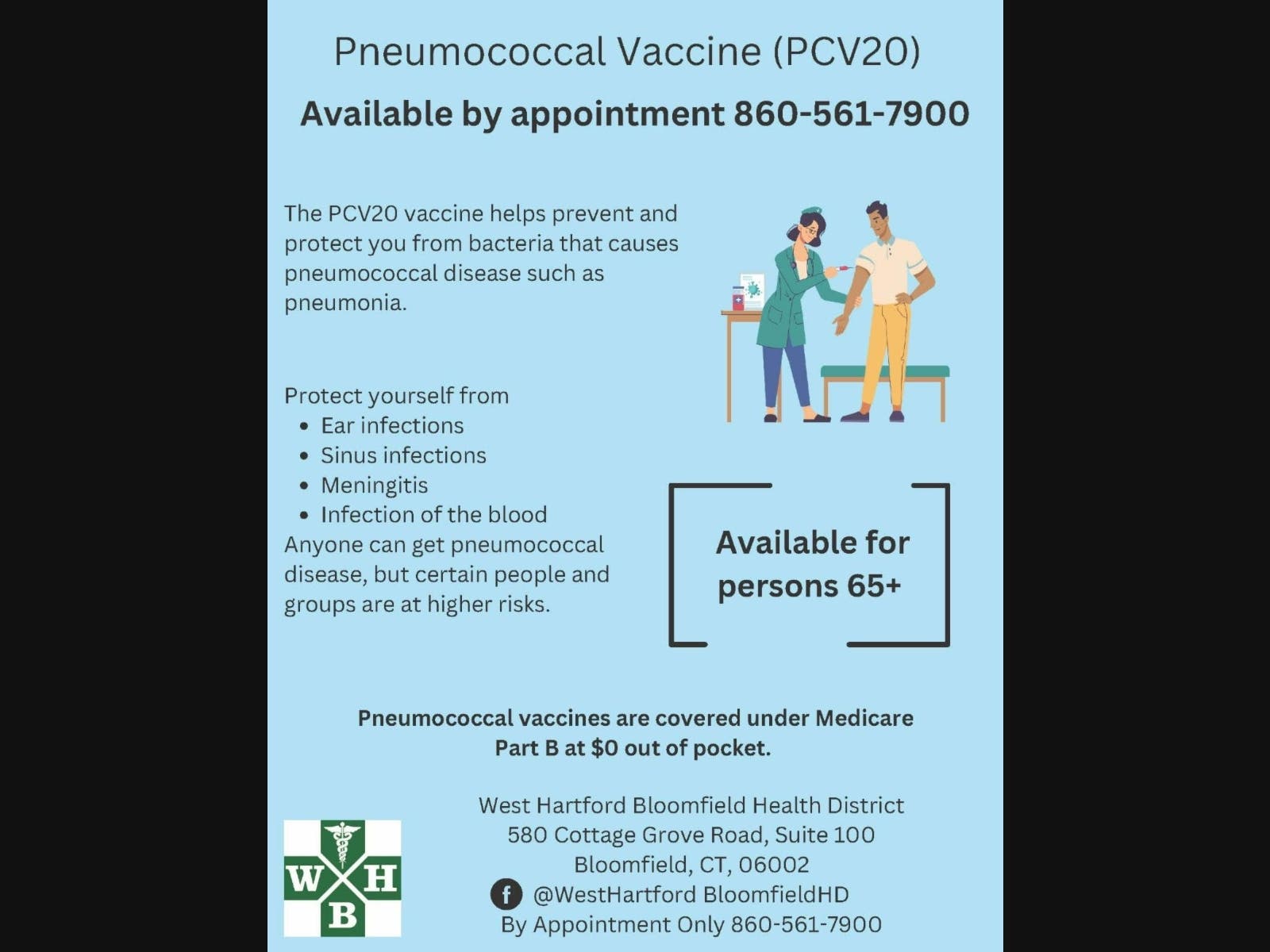
Medicare Coverage: In 2026, pneumonia vaccines are covered under Medicare Part B, not Part D. This is a significant distinction for seniors. Medicare Part B covers the cost of the vaccine and the administration fee with $0 out-of-pocket cost, provided the provider accepts Medicare. The "once-in-a-lifetime" rule for pneumonia shots has been adjusted to allow for the newer conjugate vaccines if the previous shot was an older version.
Private Insurance: Under the Affordable Care Act (ACA), most private health insurance plans must cover ACIP-recommended vaccines without a copay or deductible. Since PCV21 is now a standard ACIP recommendation for those 50+, most patients with private insurance will pay $0.
Uninsured Patients: For those without insurance, the cost of PCV21 can range from $250 to $300 in 2026. However, many community health centers and state-funded programs offer the vaccine at a lower cost or for free through the 340B Drug Pricing Program.
Frequently Asked Questions
1. If I had the "old" pneumonia shot in 2023, do I need the newest 2025 vaccine? It depends on which vaccine you received. If you received Prevnar 20 (PCV20) in 2023, you are likely fully protected and do not need PCV21. However, if you received the older combination of PCV13 and PPSV23, your doctor may recommend a dose of PCV21 to cover the eight additional strains that are now prevalent. Always consult your specific vaccination record.
2. Why was the age lowered to 50 for the pneumonia vaccine? The CDC lowered the age from 65 to 50 in late 2024 because data showed that the burden of pneumococcal disease was significant in the 50–64 age group. By vaccinating earlier, the healthcare system can prevent more hospitalizations and long-term complications, such as scarred lungs or chronic heart issues triggered by severe infection.
3. Can I get the PCV21 vaccine at the same time as my flu shot? Yes. Clinical studies have shown that co-administering the pneumonia vaccine with the seasonal influenza vaccine is safe and does not reduce the effectiveness of either shot. It is common practice in 2026 to "bundle" these vaccines during an annual wellness visit to ensure comprehensive protection for the winter respiratory season.
4. How long does the newest pneumonia vaccine last? The newer conjugate vaccines like PCV21 are designed to provide long-term immunity. Current 2026 data suggests that a single dose provides protection for at least 10 years, and potentially much longer, due to the creation of memory B-cells. At this time, a "booster" schedule for healthy adults has not been established.
5. Does the newest vaccine protect against the common cold or viral pneumonia? No. PCV21 specifically protects against Streptococcus pneumoniae, which is a bacterium. It does not protect against viral pneumonia caused by the flu, COVID-19, or RSV. However, preventing bacterial pneumonia is critical because it is a common "secondary infection" that occurs after a person's lungs have been weakened by a virus.
Final Recommendation
If you are 50 years of age or older, or if you are over 19 with an underlying health condition like asthma or diabetes, your next step should be to verify your vaccination status with your healthcare provider. If you have not received a pneumococcal conjugate vaccine since 2024, you are likely eligible for the newest PCV21 (Capvaxive) or PCV20 (Prevnar 20). These vaccines represent a significant leap in public health technology, offering the broadest protection available to date against life-threatening lung infections.
Image Gallery