Comprehensive Guide to the State of Illinois Retirement Plan Systems
The State of Illinois retirement plan structure is a complex network of multi-tiered systems including SERS, SURS, and TRS, primarily categorized into Defined Benefit and Defined Contribution models. Eligibility and benefits depend hea...
The State of Illinois retirement plan structure is a complex network of multi-tiered systems including SERS, SURS, and TRS, primarily categorized into Defined Benefit and Defined Contribution models. Eligibility and benefits depend heavily on your hire date, classified under Tier 1 (pre-2011) or Tier 2 (2011–present), which determines your retirement age, vesting period, and cost-of-living adjustments.
Contents
Understanding the Landscape of Illinois Public Pensions
Navigating the retirement landscape in Illinois requires an understanding of the specific system that governs your employment. Unlike private-sector plans that typically rely on 401(k) structures, Illinois public employees generally participate in mandatory statewide systems. As of 2026, these systems remain the primary vehicle for retirement security for hundreds of thousands of public servants.
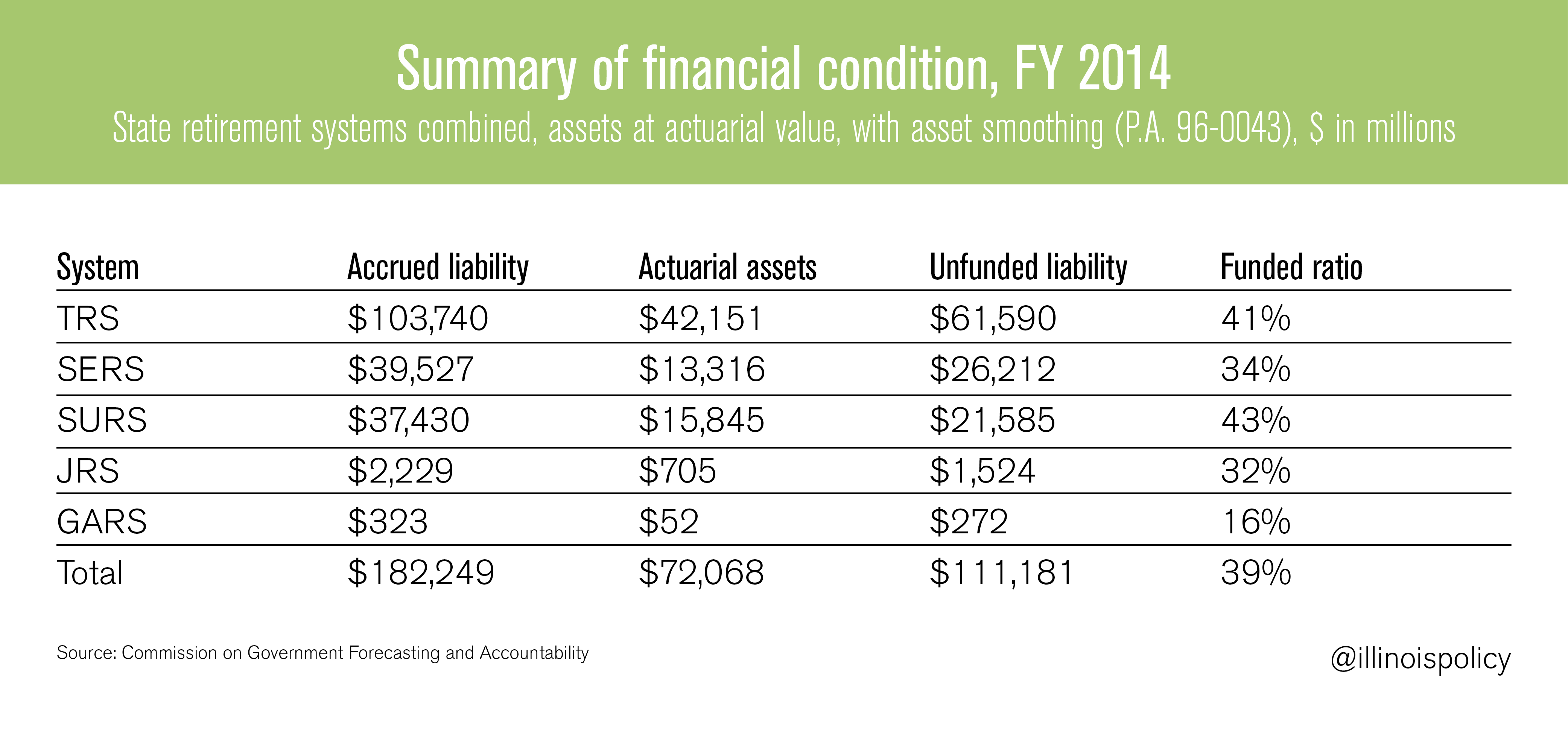
The state manages five distinct retirement systems, often referred to as the "Big Five":
- SERS (State Employees’ Retirement System): Covers most employees working directly for state agencies.
- TRS (Teachers’ Retirement System): Covers public school teachers and administrators outside the city of Chicago.
- SURS (State Universities Retirement System): Covers faculty and staff at state universities and community colleges.
- JRS (Judicial Retirement System): Specifically for judges and judicial officers.
- GARS (General Assembly Retirement System): For members of the Illinois legislature.
Additionally, the IMRF (Illinois Municipal Retirement Fund) serves local government employees, though it is often managed independently of the state’s general fund. For most readers, the focus will be on SERS, TRS, or SURS, which together represent the vast majority of the state's workforce.
The Two-Tier System: How Your Hire Date Defines Your Future
The most significant factor in any State of Illinois retirement plan is the Tier system. Created by legislative action to address long-term pension liabilities, the tiers differ substantially in their benefit formulas and eligibility requirements.
Tier 1: Hired Before January 1, 2011
Employees in Tier 1 enjoy the most robust benefits. Retirement eligibility is often based on the "Rule of 85" (age plus years of service equaling 85) or reaching age 60 with at least eight years of service. One of the most valuable features of Tier 1 is the 3% compounded annual Cost of Living Adjustment (COLA), which provides significant protection against inflation over a long retirement.
Tier 2: Hired On or After January 1, 2011
Tier 2 was introduced to reduce state costs. It features a higher retirement age (currently 67 for full benefits, or 62 for reduced benefits) and a longer vesting period (10 years for most systems). The COLA for Tier 2 is non-compounded and capped at either 3% or half of the Consumer Price Index (CPI), whichever is lower. Furthermore, Tier 2 has a "pensionable salary cap," which limits the amount of annual earnings that can be used to calculate retirement benefits. As of 2026, this cap is adjusted annually for inflation.
SERS: The General State Employee Plan
The State Employees’ Retirement System (SERS) is the default plan for most state agency workers. Most SERS members also participate in Social Security, which is a key distinction from some other Illinois plans.
Formula and Calculation
Your pension in SERS is typically calculated using a formula: Years of Service x 1.67% x Final Average Compensation (FAC) for those with Social Security. For those without Social Security (often those in "alternative formulas" like state police), the multiplier is higher, usually 2.2%.
The "Final Average Compensation" is determined by your highest consecutive months of earnings within your final years of service. For Tier 1, this is usually the highest 48 consecutive months out of the last 120 months. For Tier 2, it is the highest 96 consecutive months.
Vesting and Payout Options
Vesting occurs when you have earned enough service credit to be guaranteed a benefit at retirement age. In SERS, this is generally 8 years for Tier 1 and 10 years for Tier 2. Upon retirement, you may have options regarding survivor benefits, which allow a portion of your pension to continue to a spouse or dependent after your death, typically in exchange for a slightly reduced initial monthly payment.
SURS: Specialized Options for Higher Education
The State Universities Retirement System (SURS) is unique because it offers employees a choice between three distinct types of plans. New employees usually have six months from their date of hire to make a permanent, irrevocable election.
1. The Traditional Pension Plan
This is a "Defined Benefit" plan similar to SERS. It provides a lifetime annuity based on a formula of service years and salary. It includes survivor benefits but has less flexibility for those who leave the university system early.
2. The Portable Pension Plan
Also a "Defined Benefit" plan, the Portable Plan offers more flexibility for employees who might not stay in the Illinois university system for their entire career. If you leave SURS-covered employment, you can take a more generous "refund" of your contributions plus the employer's matching contributions, which is not available in the Traditional Plan.
3. The Retirement Savings Plan (RSP)
Formerly known as the Self-Managed Plan, the RSP is a "Defined Contribution" plan. It functions much like a 401(k). Your contributions and a state match are deposited into an investment account that you manage. Your retirement income depends entirely on your account balance and investment performance. As of 2026, this plan remains popular among mobile professionals who prefer account portability over a guaranteed state annuity.
TRS: Retirement for Illinois Educators
The Teachers’ Retirement System (TRS) is one of the largest pension funds in the United States. Most TRS members do not contribute to Social Security through their teaching positions, meaning the TRS pension is often their primary source of retirement income.
Contribution Rates
As of 2026, TRS members typically contribute 9% of their annual salary toward their retirement. School districts may also contribute a portion of this on the teacher's behalf as part of a collective bargaining agreement.
Retirement Eligibility
- Tier 1: Age 55 with 35 years of service; Age 60 with 10 years; or Age 62 with 5 years.
- Tier 2: Age 67 with 10 years of service (full benefits) or Age 62 with 10 years (reduced benefits).
Supplemental Savings: The Illinois 457(b) Deferred Compensation Plan
Regardless of which system you belong to, the State of Illinois offers a supplemental 457(b) Deferred Compensation Plan. This is an optional, employee-funded savings vehicle that allows you to set aside pre-tax or Roth (after-tax) dollars.
In 2026, the IRS contribution limits allow state employees to contribute up to $23,500 annually, with "catch-up" provisions for those aged 50 and older allowing for an additional $7,500. This plan is highly recommended for Tier 2 employees who may face a "pension gap" due to the Tier 2 salary caps and later retirement ages.
Comparing Retirement Paths in Illinois
| Feature | SERS/TRS/SURS Tier 1 | SERS/TRS/SURS Tier 2 | SURS Retirement Savings Plan (RSP) |
|---|---|---|---|
| Vesting Period | 8 Years (usually) | 10 Years | Immediate (own) / 5 Years (match) |
| Retirement Age (Full) | Age 60 or Rule of 85 | Age 67 | Age 59.5 (IRS Rule) |
| COLA | 3% Compounded | Lesser of 3% or 1/2 CPI (Simple) | N/A (Market Dependent) |
| Social Security | SERS (Yes) / TRS & SURS (No) | SERS (Yes) / TRS & SURS (No) | Varies by Employer |
| Final Average Salary | Highest 48 Months | Highest 96 Months | N/A |
| Benefit Type | Lifetime Annuity | Lifetime Annuity | Account Balance |
Health Insurance in Retirement
One of the most critical components of the Illinois retirement plan is the access to the State Employees Group Insurance Program (SEGIP) or the College Insurance Program (CIP).
For many state employees, 20 years of service is the "magic number" that grants premium-free retiree healthcare (though some systems and hire dates may require different benchmarks). If you retire with fewer than 20 years, you may still be eligible for coverage but will likely have to pay a percentage of the premium based on your years of service. It is essential to verify your specific healthcare eligibility with the Department of Central Management Services (CMS) before finalizing a retirement date.
Common Mistakes and Troubleshooting
When planning for retirement within the Illinois systems, employees often encounter several pitfalls:
- Ignoring the 457(b): Many employees rely solely on their pension. Given the Tier 2 limitations, failing to supplement with a Deferred Compensation plan can lead to a standard-of-living drop in retirement.
- Incorrect Service Credit Records: Service credit can sometimes be missing due to leaves of absence, military service, or employment at other state agencies. You should request a "Benefit Estimate" at least five years before your planned retirement to ensure all time is accounted for.
- Purchasing Service Credit Too Late: Many systems allow you to "buy back" time (e.g., for previous out-of-state teaching or military service). The cost to purchase this credit usually increases over time due to interest; doing this early in your career is significantly cheaper.
- Failing to Update Beneficiaries: Life changes like marriage, divorce, or the death of a spouse require manual updates to your beneficiary forms. Pension systems do not automatically update these based on your will.
Next Steps for Illinois Employees
If you are currently employed by the State of Illinois or a covered educational institution, your first step should be to create an account on your specific system’s member portal (SERS, SURS, or TRS). These portals allow you to view your current service credit, project your future monthly benefit, and update contact information.
For those within 12 months of retirement, attending a "Retirement Countdown" seminar—frequently offered by the systems—is vital. These sessions provide the specific forms required to initiate the payout process and explain the transition to retiree healthcare.
Frequently Asked Questions
Can I lose my Illinois state pension?
Under the Illinois Constitution, membership in any pension or retirement system of the State is an "enforceable contractual relationship," and the benefits cannot be diminished or impaired. While the state's pension debt is a frequent topic of legislative debate, the benefits already earned by employees are legally protected.
What happens to my pension if I leave state employment before retiring?
If you are vested, you can leave your contributions in the system and apply for a "deferred pension" once you reach the required retirement age. If you are not vested, or if you choose to, you can take a refund of your own contributions, but doing so usually means forfeiting all service credit and any employer matching funds.
Does the Illinois pension plan include a death benefit?
Yes, most systems include some form of death benefit for active employees and retirees. This may include a lump-sum payment or a monthly survivor annuity for a spouse or dependent children. The specific amount depends on your years of service and whether your death was work-related.
How does the Tier 2 salary cap work in 2026?
The Tier 2 salary cap (the maximum salary used to calculate your pension) is adjusted annually based on the Consumer Price Index. If your actual salary exceeds this cap, you do not pay pension contributions on the excess amount, but that excess salary also does not increase your future pension check.
Can I collect both an Illinois state pension and Social Security?
If you participated in SERS, you generally contribute to both and can collect both. However, if you are in TRS or SURS (where you typically do not pay into Social Security), your Social Security benefits from other jobs may be reduced by the Windfall Elimination Provision (WEP) or the Government Pension Offset (GPO).
Specific Practical Recommendation: Employees should download their most recent "Member Statement" today. Verify that your "Years of Service" matches your own records. If there is a discrepancy, contact your human resources department or the retirement system immediately, as correcting service credit records can take months or years to resolve.
Image Gallery