Why Term Life Insurance in Orlando Costs What It Does
Term life insurance premiums in Orlando are primarily determined by a combination of personal risk factors—such as age, health history, and lifestyle—and Florida-specific regulatory requirements. While national mortality tables set the...
Term life insurance premiums in Orlando are primarily determined by a combination of personal risk factors—such as age, health history, and lifestyle—and Florida-specific regulatory requirements. While national mortality tables set the baseline, Orlando's local healthcare costs, state premium taxes, and the competitive landscape among carriers operating in Central Florida influence the final price you pay in 2026.
Contents
Understanding the cost of term life insurance in Orlando requires looking beyond simple monthly premiums. In 2026, the insurance landscape has become increasingly data-driven, yet the core principles of actuarial science remain the same. For residents of the City Beautiful, pricing is a reflection of local demographics, Florida’s unique regulatory environment, and the evolving ways insurance companies assess risk in a post-pandemic, high-inflation economy.
The Actuarial Foundation: How Risk is Calculated
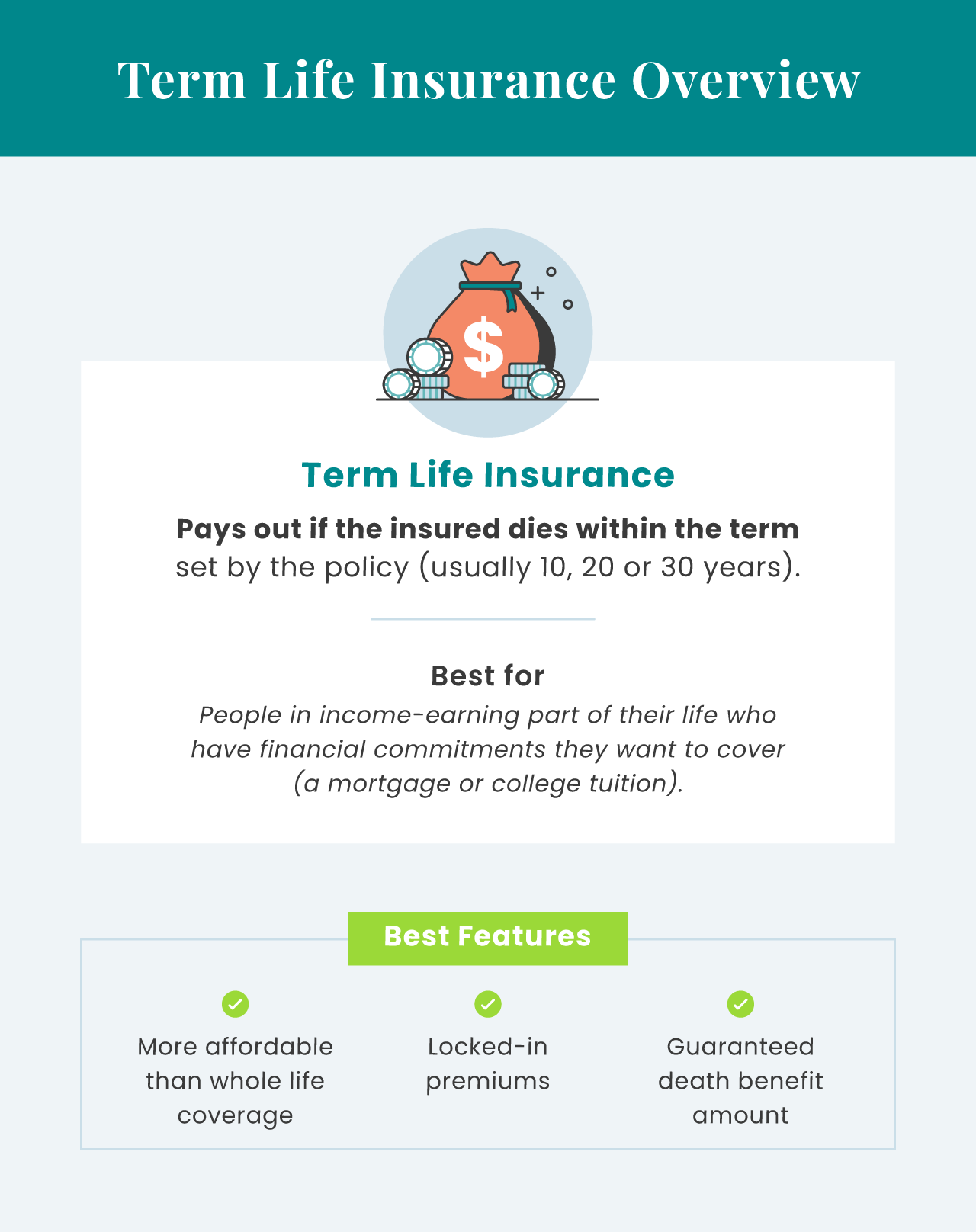
The primary driver of any life insurance premium is risk. For term life insurance, which provides coverage for a specific period (typically 10, 20, or 30 years), the insurer is betting on the likelihood that you will outlive the term. In Orlando, as in the rest of the United States, carriers use mortality tables to estimate this probability.
Age and Gender
Age is the most significant factor. Every year you wait to purchase a policy, the premium increases, typically by 5% to 8%. In 2026, the "age-nearest" or "age-last-birthday" calculations remain standard. Gender also plays a role; statistically, women in Florida have a longer life expectancy than men, which generally results in lower premiums for female applicants.
Health and the "Orlando Advantage"
Your physical health is scrutinized through a process called underwriting. Orlando residents benefit from access to world-class healthcare systems like AdventHealth and Orlando Health. Insurers view proximity to high-quality medical care favorably, as it correlates with better management of chronic conditions like hypertension or diabetes. However, if your medical records show poorly managed health issues, your "rating class" (e.g., Preferred Plus, Standard, or Substandard) will shift, drastically increasing the cost.
Florida-Specific Factors Impacting Orlando Rates
While life insurance is a national industry, it is regulated at the state level. Florida’s specific laws and economic conditions create a unique pricing environment for Orlando policyholders.
State Premium Taxes and Fees
Florida imposes a premium tax on insurance companies. As of 2026, the state continues to levy a tax of approximately 1.75% on gross premiums. While this is not a direct fee paid by the consumer at the counter, insurance companies bake this cost into their pricing models for Florida residents. Additionally, participation in the Florida Life & Health Insurance Guaranty Association provides a safety net for policyholders if a carrier becomes insolvent, but the assessments paid by companies to fund this association can influence local rates.
The Regulatory Oversight of the OIR
The Florida Office of Insurance Regulation (OIR) oversees rate filings. Companies must justify their pricing based on their claims experience within the state. Because Florida has a large elderly population, the mortality data for the state is robust. In Orlando, a city with a younger median age than coastal retirement communities, carriers often compete aggressively for the "Standard" and "Preferred" risk tiers, which can lead to more favorable pricing compared to South Florida.
The 2026 Underwriting Shift: Data and Technology
By 2026, the way Orlando residents apply for insurance has changed. Traditional "fluid-based" underwriting (requiring blood and urine samples) has largely been replaced by accelerated underwriting for healthy individuals under age 60.
Algorithmic Risk Assessment
Insurers now use sophisticated algorithms to scan databases in real-time. This includes the MIB (formerly Medical Information Bureau), prescription drug databases, and even motor vehicle records. If you have a history of speeding tickets on I-4 or the 408, your rates may be higher. Carriers view reckless driving as a significant mortality risk, independent of your physical health.
The Role of Wearables and Big Data
Some carriers in the Orlando market now offer "dynamic pricing" models. By sharing data from wearable fitness trackers, residents who lead active lifestyles—perhaps frequently walking the trails at Lake Eola or the West Orange Trail—can earn premium credits or discounts. This data-driven approach allows for more granular pricing that rewards healthy behaviors common in Central Florida's active communities.
Life Insurance Cost Comparison in Orlando (2026 Estimates)
The following table illustrates estimated monthly premiums for a 20-year term life insurance policy with a $500,000 death benefit for healthy, non-smoking residents in Orlando.
| Age | Male (Preferred Plus) | Female (Preferred Plus) | Male (Standard) | Female (Standard) |
|---|---|---|---|---|
| 25 | $18.50 | $15.20 | $26.40 | $22.10 |
| 35 | $22.75 | $19.10 | $34.20 | $28.50 |
| 45 | $45.60 | $36.80 | $68.10 | $52.30 |
| 55 | $112.40 | $84.90 | $158.30 | $118.60 |
| 65 | $315.00 | $212.00 | $445.00 | $298.00 |
Note: These are estimates based on 2026 market trends. Actual quotes depend on individual medical history and specific carrier guidelines.
Lifestyle and Environmental Considerations
Orlando’s environment presents specific variables that actuaries consider when pricing policies. While these may seem minor, they contribute to the overall "risk bucket" for the region.
- Climate-Related Risks: While term life insurance does not fluctuate like homeowners' insurance during hurricane season, extreme heat and humidity can impact long-term cardiovascular health. Insurers look at regional health outcomes to adjust their long-term projections.
- Occupational Hazards: Orlando is a hub for tourism, aerospace, and simulation technology. High-risk occupations (e.g., certain roles in aviation or specialized construction) may face "flat extras"—additional fees added to the base premium regardless of health status.
- Recreational Activities: Florida is a destination for scuba diving, private piloting, and boating. If you engage in these activities regularly, you must disclose them. In Orlando, proximity to the coast means many residents are weekend divers; failing to disclose this can lead to denied claims or higher recalculated rates if discovered during the two-year contestability period.
The Impact of Inflation and Economic Trends
In 2026, the nominal cost of coverage has risen slightly compared to a decade ago, largely due to the increased cost of living and the "death benefit gap." As the cost of housing in Orlando neighborhoods like Baldwin Park or Lake Nona has increased, residents are opting for larger death benefits to cover higher mortgages. This higher demand for $1 million+ policies changes the competitive landscape, as companies compete for high-net-worth clients with ultra-low "price per thousand" rates.
Furthermore, the administrative costs for insurance companies—including the wages for local agents and medical examiners—have risen with the general Orlando economy. These overhead costs are factored into the policy's "expense load."
Common Mistakes That Inflate Orlando Premiums
Many Orlando residents pay more than necessary because of avoidable errors during the application process.
- Waiting to Buy: Every birthday increases your base rate. In Orlando’s fast-moving economy, many young professionals delay insurance, only to find rates have jumped significantly by their mid-30s.
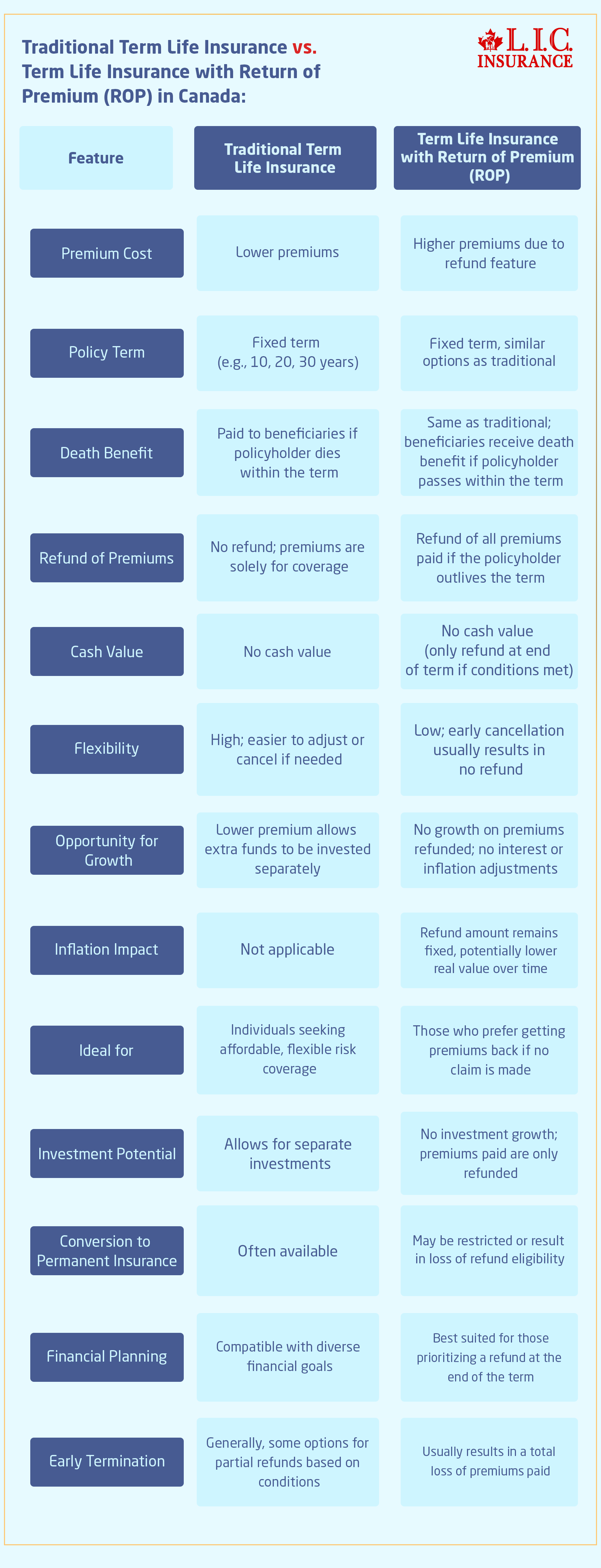
- Over-complicating the Policy: Adding unnecessary riders (like "Return of Premium" or "Waiver of Premium") can increase costs by 20% to 50%. For most Orlando families, a "laddering" strategy—buying multiple smaller policies of different lengths—is more cost-effective.
- Hiding Tobacco Use: Florida insurers are particularly strict about tobacco and nicotine (including vaping). With the high prevalence of social vaping in downtown Orlando, many applicants omit this, leading to "Smoker" ratings which can triple the premium if discovered in a medical exam or database check.
Frequently Asked Questions
Why is my Orlando quote higher than a quote I saw online?
Online "teaser" rates often assume you are in the 99th percentile of health (Preferred Plus). Most people fall into the "Standard" or "Standard Plus" categories. Additionally, some national sites may not factor in Florida-specific premium taxes or the most recent 2026 rate adjustments filed with the OIR.
Does living in a high-traffic area like Downtown Orlando affect my rates?
Directly, no. However, insurers look at your motor vehicle record (MVR). If you have multiple accidents or violations resulting from the heavy traffic on the I-4 corridor, your premium will increase because you are statistically at a higher risk for accidental death.
Can I lower my premium if I move out of Florida?
Generally, no. Once a term life policy is "in force," the premium is locked in for the duration of the term, regardless of where you move within the U.S. If you are shopping for a new policy, moving to a state with lower premium taxes might result in a negligible decrease, but your age and health will always be the dominant factors.
Are there "Orlando-only" insurance companies?
While there are no major carriers that only serve Orlando, many companies have a heavy regional presence and specialized underwriting for Florida residents. Working with a local independent agent who understands the Florida Office of Insurance Regulation's latest updates can help you find these "Florida-friendly" carriers.
How does the 2026 economy affect my existing policy?
If you have a guaranteed level term policy, your costs will not change. However, if you are looking to increase coverage because of Orlando’s rising property values, you will be subject to 2026 pricing and current health underwriting.
Practical Recommendation for Orlando Residents
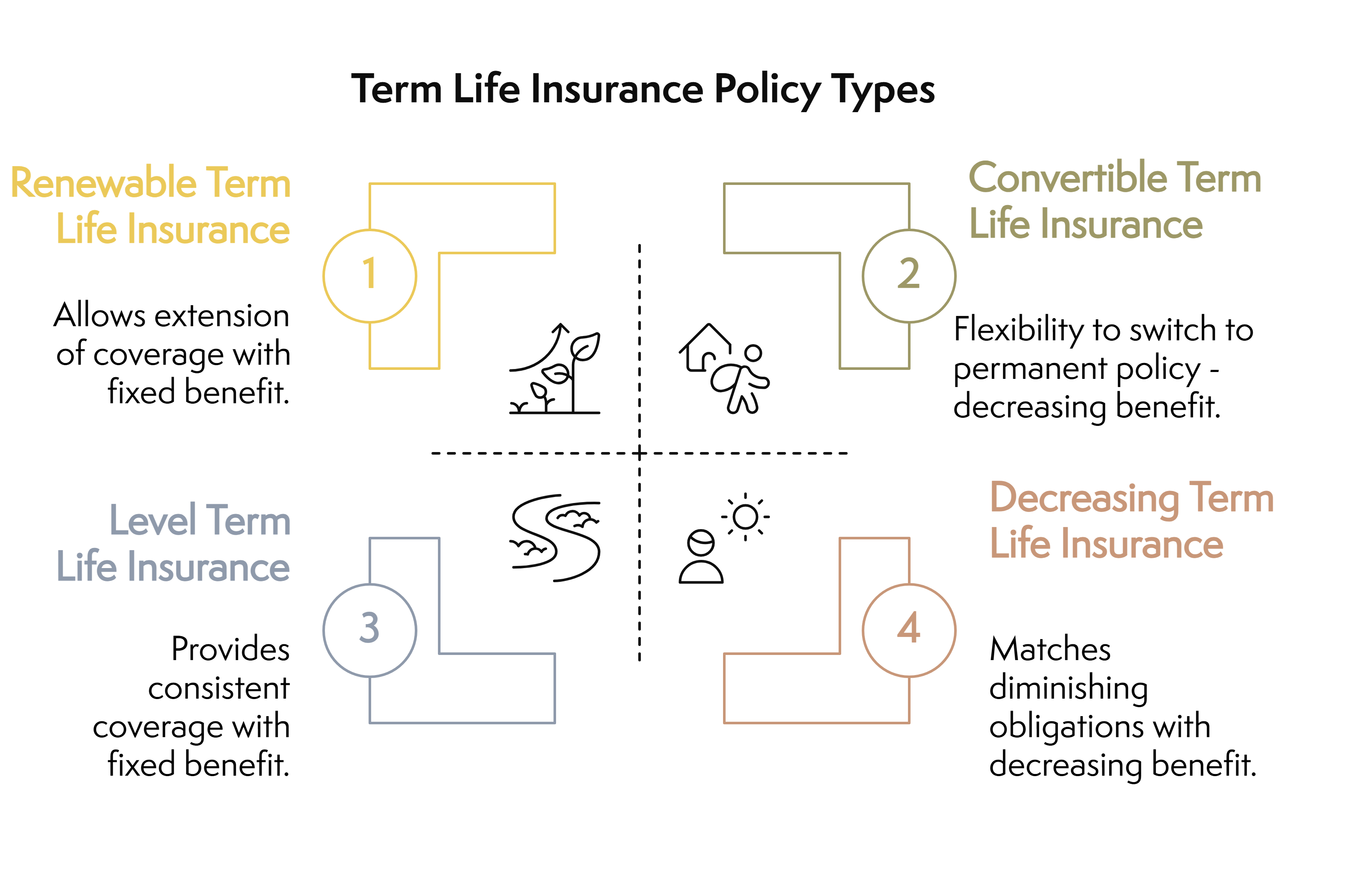
To secure the lowest possible rate in Orlando, start by obtaining a "pre-underwriting" assessment from an independent broker. Because the Florida market is highly competitive in 2026, rates can vary by as much as 30% for the exact same coverage between different carriers. Focus on improving your "modifiable" risk factors—such as blood pressure and cholesterol—at least six months before applying. Finally, consider a policy that allows for "conversion" to permanent insurance, providing flexibility as Orlando’s economic landscape continues to evolve.
Image Gallery