Guaranteed Whole Life Insurance Pros and Cons: A Complete Guide for 2026
Guaranteed whole life insurance provides permanent coverage with no medical exams or health questions, ensuring acceptance for nearly any applicant within the eligible age range. While it offers a vital safety net for those with chroni...
Guaranteed whole life insurance provides permanent coverage with no medical exams or health questions, ensuring acceptance for nearly any applicant within the eligible age range. While it offers a vital safety net for those with chronic illnesses, it carries higher premiums, lower coverage limits, and a mandatory two-year graded death benefit waiting period.
Contents
Understanding Guaranteed Whole Life Insurance in 2026
Guaranteed whole life insurance—often referred to as guaranteed issue life insurance—is a type of permanent life insurance policy designed specifically for individuals who cannot qualify for traditional coverage due to health complications. In 2026, as the "Silver Tsunami" of aging populations continues to grow, these policies have become a cornerstone of final expense planning.
Unlike simplified issue or fully underwritten life insurance, guaranteed issue policies do not require a medical exam, blood tests, or even answers to health questions. If you meet the age requirements (typically between 50 and 85), your acceptance is legally guaranteed by the carrier. Because the insurance company takes on a significant "blind" risk by not knowing your medical history, the policy structure differs fundamentally from standard life insurance.
These policies are strictly "whole life," meaning they remain in force for the duration of the insured’s life, provided premiums are paid. They also include a small cash value component that grows over time, though it is rarely the primary reason for purchase. The primary goal is usually to cover "final expenses," such as funeral costs, medical bills, or small outstanding debts.
The Pros of Guaranteed Whole Life Insurance
For the right candidate, guaranteed whole life insurance is a unique financial tool that offers peace of mind where other products offer rejection.
1. No Medical Exams or Health Questionnaires
The most significant advantage is the elimination of the underwriting process. In traditional life insurance, a history of cancer, heart disease, or diabetes can lead to a "decline" or prohibitively expensive "table ratings." With guaranteed issue, the carrier skips the medical history review entirely. This makes it an essential option for seniors or individuals with terminal or chronic conditions who would otherwise be uninsurable.
2. Fixed Premiums for Life
In 2026, with economic fluctuations and inflation affecting various sectors, the stability of a fixed premium is highly valued. Once your policy is issued, the monthly or annual cost is locked in. The insurance company cannot increase your rates as you get older or if your health deteriorates further. This predictability allows those on fixed incomes, such as Social Security or pensions, to budget for their end-of-life expenses without fear of price hikes.
3. Permanent Coverage and Cash Value
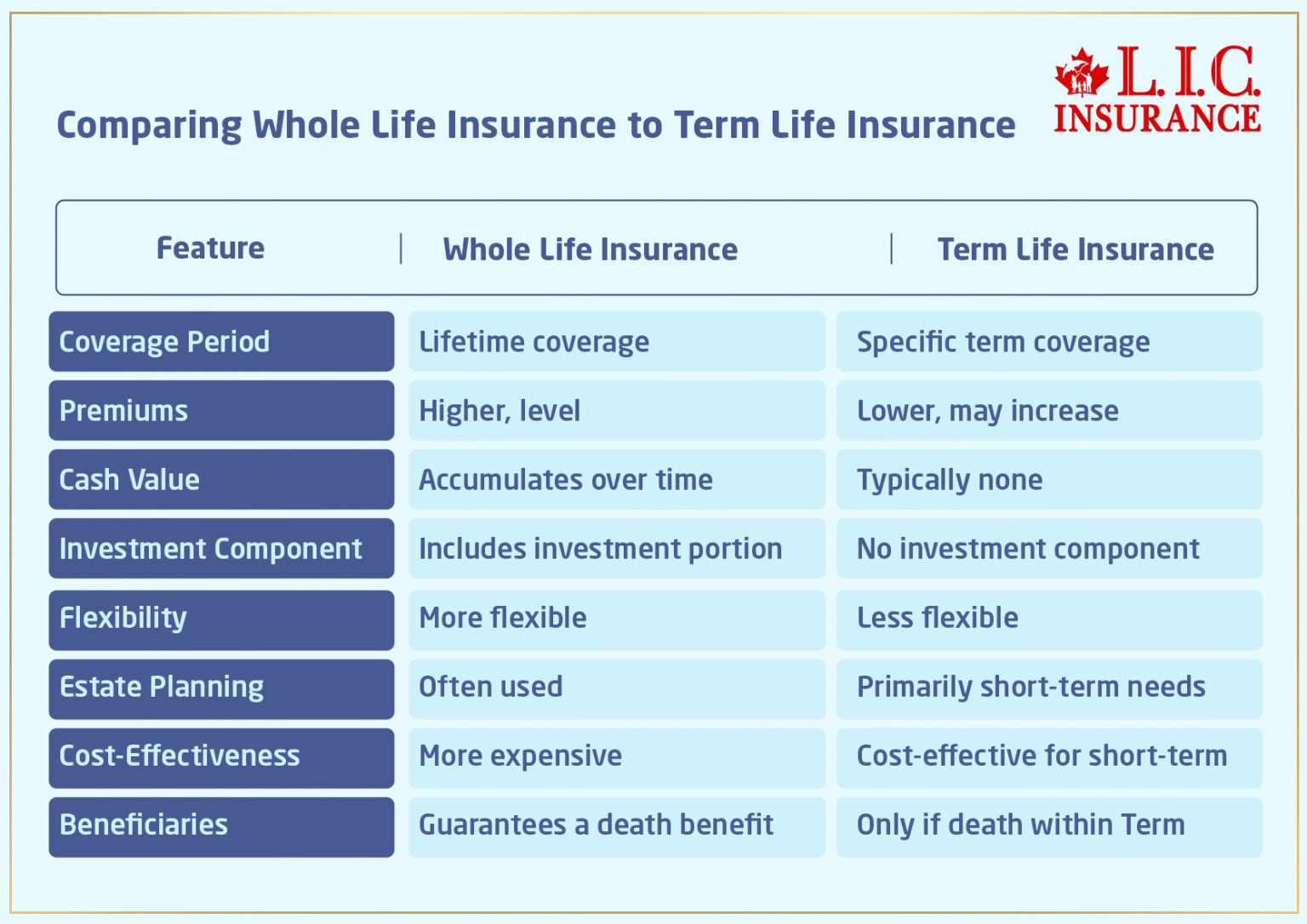
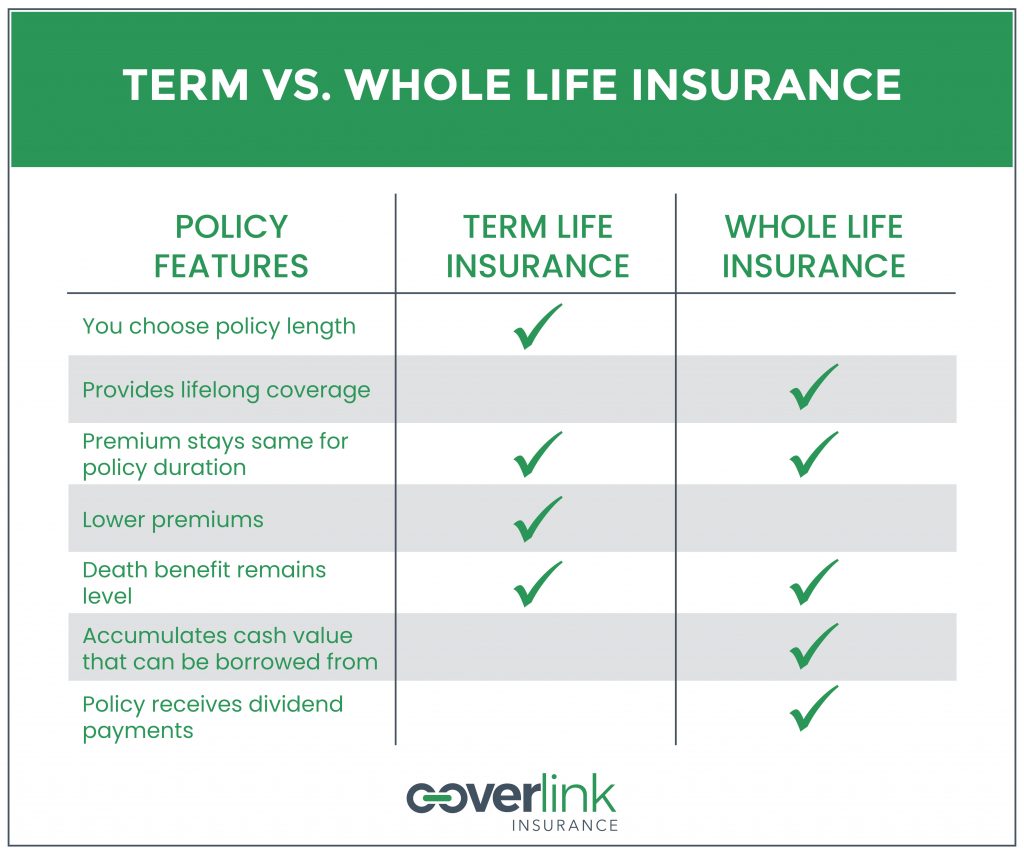
As a form of whole life insurance, these policies do not expire as long as premiums are paid. This contrasts with term life insurance, which might end just when you need it most. Furthermore, these policies accumulate a small amount of cash value over time. While the growth rate is modest, policyholders can sometimes borrow against this cash value in an emergency, though doing so will reduce the ultimate death benefit.
4. Simplified Application Process
The administrative burden of applying for guaranteed issue coverage is minimal. Most applications in 2026 are handled through digital portals and can be completed in minutes. Since there is no medical records request (Attending Physician Statement) or lab work involved, policies are often issued within 24 to 48 hours, providing immediate confirmation of coverage.
The Cons of Guaranteed Whole Life Insurance
While the ease of access is a major benefit, the trade-offs are substantial and should be carefully weighed before committing to a policy.
1. The Graded Death Benefit (Waiting Period)
This is perhaps the most critical drawback. Almost all guaranteed whole life policies include a graded death benefit, typically lasting the first two years of the policy. If the insured dies of natural causes (illness) during this period, the beneficiaries will not receive the full face value. Instead, they usually receive a refund of all premiums paid plus a small amount of interest (often 10%). Full coverage only applies to accidental deaths during the first two years. After the waiting period ends, the full death benefit is payable for any cause of death.
2. High Cost per Thousand Dollars of Coverage
Because the insurance company is assuming that every applicant is high-risk, they price the policies accordingly. When comparing the premium per $1,000 of coverage, guaranteed issue is the most expensive form of life insurance on the market. Healthy individuals should never choose this option, as they could get significantly more coverage for a lower price through a simplified issue or term policy.
3. Low Coverage Limits
You cannot buy a million-dollar guaranteed issue policy. Most carriers cap these policies at $25,000 or $30,000, with some specialty carriers in 2026 offering up to $50,000. While this is sufficient for a funeral and burial—which averages between $10,000 and $15,000 in 2026—it is rarely enough to provide significant income replacement for a surviving spouse or to pay off a mortgage.
4. Potential to Pay More than the Benefit Amount
If you purchase a guaranteed whole life policy at age 50 and live to 90, there is a statistical possibility that the total premiums paid over 40 years will exceed the death benefit. For example, a $20,000 policy costing $100 a month would result in $24,000 in premiums over 20 years. This "break-even point" is a major consideration for younger seniors who are in relatively good health.
Comparing Life Insurance Types (2026 Standards)
To understand where guaranteed whole life fits, it is helpful to compare it against other common final expense options.
| Feature | Guaranteed Whole Life | Simplified Issue | Traditional Whole Life |
|---|---|---|---|
| Medical Exam | No | No | Yes (Usually) |
| Health Questions | No | Yes (Few) | Yes (Extensive) |
| Acceptance | Guaranteed (if age eligible) | Not Guaranteed | Selective |
| Death Benefit | Graded (2-year wait) | Immediate | Immediate |
| Max Coverage | Low (up to $25k-$50k) | Mid (up to $50k-$100k) | Very High |
| Cost | Highest | Moderate | Variable (based on health) |
The Mechanics of the Graded Death Benefit
The graded death benefit is an actuarial necessity for insurance companies offering guaranteed acceptance. Without it, individuals could purchase a policy on their deathbed, leading to immediate claims that would make the insurance pool financially unsustainable.
In a typical 2026 contract, the breakdown looks like this:
- Months 1–24: Death by natural causes results in a return of premiums + 10% interest. Accidental death (e.g., car accident) results in the 100% full death benefit.
- Month 25 onward: 100% of the death benefit is paid regardless of the cause of death (subject to standard contestability and suicide clauses).
Prospective buyers should look for policies that offer the shortest possible graded period, though two years remains the industry standard.
Who Should Consider Guaranteed Whole Life Insurance?
This product is not a general-purpose insurance solution. It is a "last resort" product. It is specifically recommended for:
- Seniors with serious health conditions: Those with recent strokes, active cancer treatment, dialysis, or congestive heart failure.
- Individuals in nursing homes: Most traditional policies will decline anyone currently in a long-term care facility or receiving home health care.
- Those with cognitive impairments: Individuals with Alzheimer's or dementia are often ineligible for any other form of coverage.
If you can answer "No" to even a few basic health questions (e.g., "Have you been hospitalized in the last 90 days?"), you may qualify for simplified issue life insurance. Simplified issue often provides immediate coverage (no waiting period) and lower premiums than guaranteed issue.
2026 Cost Considerations and Market Trends
As we move through 2026, the cost of funeral services continues to rise due to labor and material costs. A standard burial that cost $7,000 a decade ago is now significantly higher. This makes the $10,000 to $25,000 death benefit from a guaranteed policy a practical necessity for those without significant savings.
When shopping for a policy, it is vital to compare "illustrations." An illustration is a document provided by the insurance agent showing how the cash value grows and exactly how much you will pay over time. In 2026, many carriers have introduced "flexible payment" options for these policies, allowing monthly, quarterly, or annual payments to suit different retirement income schedules.
Common Mistakes to Avoid
- Buying if you are healthy: This is the most common error. If you are in decent health, you are overpaying by 30% to 50% for guaranteed issue.
- Ignoring the waiting period: Some families purchase these policies for a relative in hospice, not realizing the graded benefit means the full amount won't be paid if the person passes away within the first two years.
- Lapsing the policy: Because these policies are expensive, some policyholders stop paying after a few years. If the policy lapses, you lose the coverage and usually get very little (if any) of the premiums back.
- Not naming a contingent beneficiary: Ensure you have a backup beneficiary in case your primary beneficiary passes away before you.
Alternatives to Guaranteed Whole Life
If the cons of guaranteed issue are too significant, consider these alternatives:
- Pre-need Funeral Contracts: You can sometimes pay a funeral home directly for your services. This locks in today's prices, though these contracts can be less flexible if you move to a different state.
- Self-Funding (Sinking Fund): If you are healthy enough to save, placing the equivalent of a premium into a dedicated high-yield savings account or a specialized "Totten Trust" can provide the necessary funds without the insurance company's overhead.
- Group Life through an Employer: If you are still working, even part-time, some employers offer group life insurance that doesn't require health questions.
FAQs
Can I have more than one guaranteed whole life policy?
Yes, you can hold multiple policies from different carriers. This is often done when an individual needs more coverage than a single company's $25,000 limit. However, the total cost will be higher than a single larger policy if you were able to qualify for one.
Is the death benefit taxable in 2026?
Generally, no. Under current IRS rules as of 2026, life insurance death benefits are paid to beneficiaries income-tax-free. However, if the death benefit is paid to your estate, it may be subject to estate taxes if the total estate exceeds federal or state thresholds.
What happens if I move to a different state?
Since guaranteed whole life is a permanent policy, it stays with you regardless of where you live in the U.S. You simply need to update your address with the insurance carrier to ensure you receive premium notices and that your beneficiaries can be reached.
Can the insurance company cancel my policy if I get a new diagnosis?
No. One of the primary protections of whole life insurance is that as long as you pay your premiums, the company cannot cancel the policy based on changes in your health.
How do I file a claim on a guaranteed issue policy?
The process is the same as traditional life insurance. The beneficiary must provide a certified copy of the death certificate and a completed claim form to the insurance company. Most claims in 2026 are processed electronically within 5 to 10 business days.
Final Recommendation
Guaranteed whole life insurance is a specialized financial tool. It is the perfect solution for an individual over 50 who has been turned down elsewhere and wants to ensure their family isn't burdened with funeral costs. However, it should only be purchased after confirming that a simplified issue policy (which has health questions but no exam) is not an option. Before signing, always verify the length of the graded death benefit period and ensure the premium is sustainable for your long-term budget.
Image Gallery