Maryland Auto Insurance Rate Hikes in 2025: Understanding the Impact on 2026 Premiums
Maryland drivers faced a challenging regulatory landscape throughout 2025 as the Maryland Insurance Administration (MIA) approved several rounds of double-digit rate increases for major carriers. These hikes, which peaked in mid-2025,...
Maryland drivers faced a challenging regulatory landscape throughout 2025 as the Maryland Insurance Administration (MIA) approved several rounds of double-digit rate increases for major carriers. These hikes, which peaked in mid-2025, have fundamentally altered the pricing structure for 2026 premiums, leaving many policyholders searching for ways to mitigate rising costs.
Contents
The Landscape of Maryland Auto Insurance in 2025 and 2026
As we move through 2026, the ripple effects of the 2025 rate filings are becoming fully realized in the biannual and annual renewal notices sent to Maryland policyholders. The "25" in recent insurance discussions refers both to the pivotal 2025 calendar year for rate adjustments and the roughly 25% cumulative increase some Marylanders have seen over an eighteen-month period. Maryland remains a unique insurance market due to its high population density, particularly in the Baltimore-Washington corridor, and its specific legal framework for handling liability.
The Maryland Insurance Administration, the state agency responsible for overseeing the insurance industry, spent much of 2025 balancing the financial solvency of insurance companies against the need for affordable consumer rates. Under Maryland law, insurers must justify their rate increases with actuarial data demonstrating that current premiums are insufficient to cover the costs of claims and administrative expenses. In 2025, the data provided by carriers was overwhelmingly skewed toward higher losses, leading to the approval of some of the most significant rate adjustments in the state’s history.
Why Maryland Rates Surged: Key Drivers Behind the 2025 Hikes
Several macroeconomic and regional factors converged in 2025 to drive Maryland’s auto insurance rates upward. To understand why your 2026 premium has shifted, it is essential to look at the underlying costs that insurers are passing on to the consumer.
Economic Inflation and Vehicle Technology
While general inflation began to stabilize in late 2024, the specific inflation associated with vehicle repairs remained high through 2025. Modern vehicles are equipped with Advanced Driver Assistance Systems (ADAS), such as lane-departure warnings, adaptive cruise control, and parking sensors. While these features reduce the frequency of accidents, they exponentially increase the cost of repairs. A simple bumper replacement that might have cost $800 a decade ago can now exceed $3,500 because of the need to replace and recalibrate sensitive sensors.
Increased Claims Severity
Insurers distinguish between "frequency" (how many accidents happen) and "severity" (how much each accident costs). In Maryland, 2025 saw a notable uptick in severity. Medical costs for treating accident-related injuries have outpaced general inflation, and the total-loss threshold—the point at which an insurer decides to scrap a car rather than repair it—has become easier to reach as repair labor rates in the Mid-Atlantic region climbed.
Social Inflation and Litigation
"Social inflation" refers to the rising costs of insurance claims resulting from increased litigation, broader jury awards, and higher settlements. In Maryland, the legal environment has become increasingly complex. Although Maryland remains one of the few "contributory negligence" states—where a plaintiff may be barred from recovering damages if they are even 1% at fault—the cost of defending these cases has risen. Legal fees and the trend toward larger settlements for pain and suffering have forced carriers to adjust their risk models for 2026.
Breaking Down the 2025 Rate Adjustments by Carrier
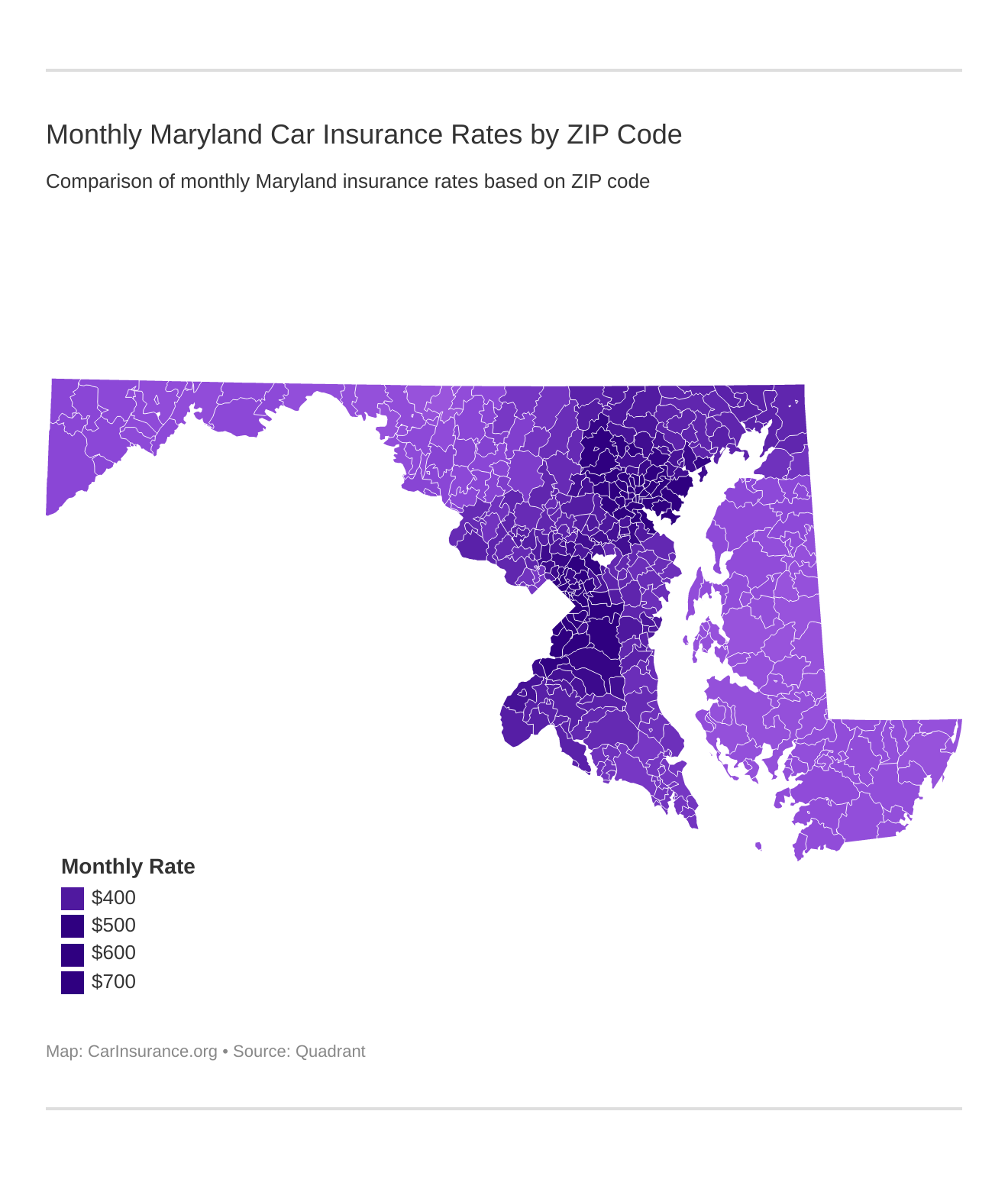
The impact of the 2025 hikes was not uniform across all companies. Some carriers targeted specific demographics or geographic areas within Maryland, such as Prince George’s County or Baltimore City, while others applied "across-the-board" increases.
| Carrier | Approx. 2025 Approved Hike | Primary Impacted Segment |
|---|---|---|
| GEICO | 12.8% - 15.5% | Standard and preferred drivers; high-density urban areas. |
| State Farm | 10.2% - 14.0% | Multi-policy holders and suburban residents. |
| Progressive | 14.5% - 18.2% | Drivers with recent infractions or lapses in coverage. |
| Allstate | 15.0% - 20.0% | New policyholders and those with comprehensive-only claims. |
| Maryland Auto (MAIF) | 8.0% - 12.0% | High-risk drivers unable to find private market coverage. |
Note: These percentages represent weighted averages for the state of Maryland. Individual rate changes vary based on zip code, driving record, and vehicle type.
For many Marylanders, these 2025 approvals meant that by their first renewal in 2026, their monthly payments increased by $30 to $100 depending on their coverage levels. Those with full coverage (collision and comprehensive) felt the brunt of the increase more than those with liability-only policies.
The Role of the Maryland Insurance Administration (MIA)
The Maryland Insurance Administration acts as the gatekeeper for rate changes. In Maryland, insurers follow a "prior approval" system, meaning they cannot implement a rate change until the MIA has reviewed the actuarial data and formally approved the filing.
Throughout 2025, the MIA held several public hearings regarding proposed hikes. The administration's role is to ensure that rates are not "excessive, inadequate, or unfairly discriminatory." While the MIA often negotiates these numbers down—for example, a carrier might ask for 20% and receive approval for 14%—the sheer volume of claims in 2025 made it difficult for regulators to deny the necessity of these increases without risking the insolvency of the insurers operating within the state.
Maryland’s Contributory Negligence Rule and Your Rate
Maryland is one of the few jurisdictions in the United States that still adheres to the doctrine of contributory negligence. This rule states that if a person is even slightly responsible for their own injury, they are legally prohibited from collecting damages from the other party.
In theory, this rule should keep insurance rates lower in Maryland compared to "comparative negligence" states (like Virginia or Pennsylvania), because insurers pay out fewer third-party liability claims. However, in 2025, the Maryland legal landscape saw a push for legislative reform toward comparative negligence. While the law has not yet changed as of 2026, the uncertainty and the high cost of proving "0% fault" in Maryland’s congested traffic environments have contributed to the administrative costs of every policy sold in the state.
Strategies to Mitigate the 2025 Rate Hike Impact
If your 2026 renewal notice reflects the 2025 rate hikes, you are not without options. The Maryland market is competitive, and different carriers use different algorithms to assess risk.
1. Re-evaluate Your Deductibles
Many Maryland drivers carry a $500 deductible for collision and comprehensive coverage. By increasing your deductible to $1,000, you can often offset a 10% to 15% rate hike. However, this strategy is only advisable if you have enough emergency savings to cover the higher out-of-pocket cost in the event of a claim.
2. Telematics and Usage-Based Insurance (UBI)
Most major carriers in Maryland, including Progressive (Snapshot) and State Farm (Drive Safe & Save), expanded their telematics programs in 2025. These programs use a mobile app or a plug-in device to monitor your driving habits. If you are a low-mileage driver or avoid hard braking and late-night driving, you can earn discounts that bypass the general rate hikes.
3. Shopping the "Market Reset"
Insurance companies often "buy" market share by offering lower introductory rates to new customers even when they are raising rates on existing customers. Because 2025 was a year of massive filings, 2026 is an ideal time to get at least three competing quotes. A company that was expensive for you two years ago may have updated its risk model to favor your specific profile today.
4. Reviewing Maryland-Specific Discounts
Ensure you are receiving the "Maryland-specific" discounts for which you may qualify. This includes discounts for certain professional organizations, alumni of Maryland universities, or state employees. Additionally, Maryland law allows for "accident prevention" discounts for drivers who complete a state-approved safety course.
Maryland Automobile Insurance (MAIF) as a Safety Net
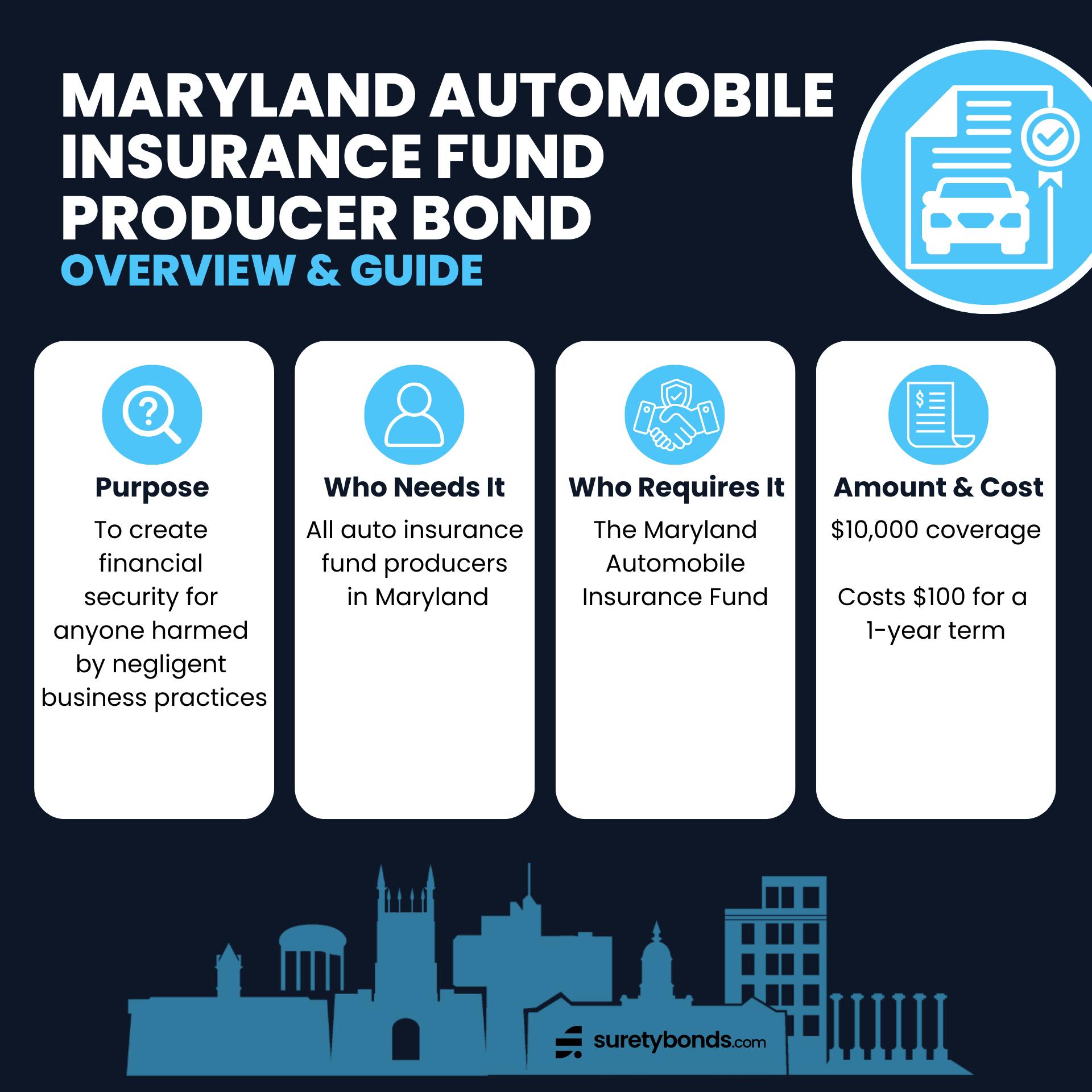
For drivers who find themselves "priced out" or canceled by private carriers following the 2025 hikes, Maryland Auto (formerly known as MAIF) serves as the state’s insurer of last resort. Maryland law requires that every driver have at least the minimum liability coverage (30/60/15). If you have been turned down by two or more private insurers, or if your rates have become prohibitively expensive due to a high-risk profile, Maryland Auto provides a guaranteed path to legal coverage, though it often comes at a higher cost and with fewer features than private market policies.
Frequently Asked Questions
Why did my Maryland auto insurance go up in 2025 if I had no accidents?
Insurance is a collective risk pool. When the cost of repairs, medical bills, and legal settlements rises across the state of Maryland, insurers must increase rates for everyone in that pool to ensure they have enough capital to pay future claims. The 2025 hikes were largely "base rate" increases driven by economic factors rather than individual driving behavior.
Does Maryland have a cap on how much insurance rates can increase?
No, there is no statutory "cap" on percentage increases. However, the Maryland Insurance Administration must approve all increases. They require carriers to prove that the increase is necessary to cover losses. If a company cannot prove its need for a 25% hike, the MIA will reject or modify the request.
How does Maryland’s "30/60/15" requirement affect my rate?
Maryland requires $30,000 for bodily injury per person, $60,000 per accident, and $15,000 for property damage. Because these limits are relatively low compared to the cost of modern cars and medical care, many drivers opt for higher limits. The 2025 rate hikes affected the "cost per unit" of this coverage, meaning even the state-minimum policies saw price increases.
Will rates go down in 2027?
While insurance rates rarely "drop" in a significant way, they can stabilize. If the repair supply chain continues to improve and the frequency of severe accidents in Maryland decreases throughout 2026, we may see much smaller filings—or even small decreases—in late 2026 and 2027.
Can my credit score affect my Maryland insurance rate?
Yes. Maryland allows insurance companies to use "insurance scores," which are partially derived from credit history, to determine rates. However, state law limits how this data is used for renewals, and companies cannot refuse to insure you solely based on credit.
Final Recommendation for Maryland Drivers
As we navigate 2026, the most effective way to counter the 2025 rate hikes is through proactive management of your policy. Do not accept a renewal notice at face value. Contact an independent agent who can compare multiple Maryland-admitted carriers simultaneously. Furthermore, consider auditing your coverage limits; if you are driving an older vehicle with a market value of less than $3,000, the 2025 increase in collision premiums may make "liability-only" coverage a more financially sound decision.
Image Gallery