Does EltaMD Test on Animals? A Deep Dive into the Brand's Cruelty-Free Status in 2026
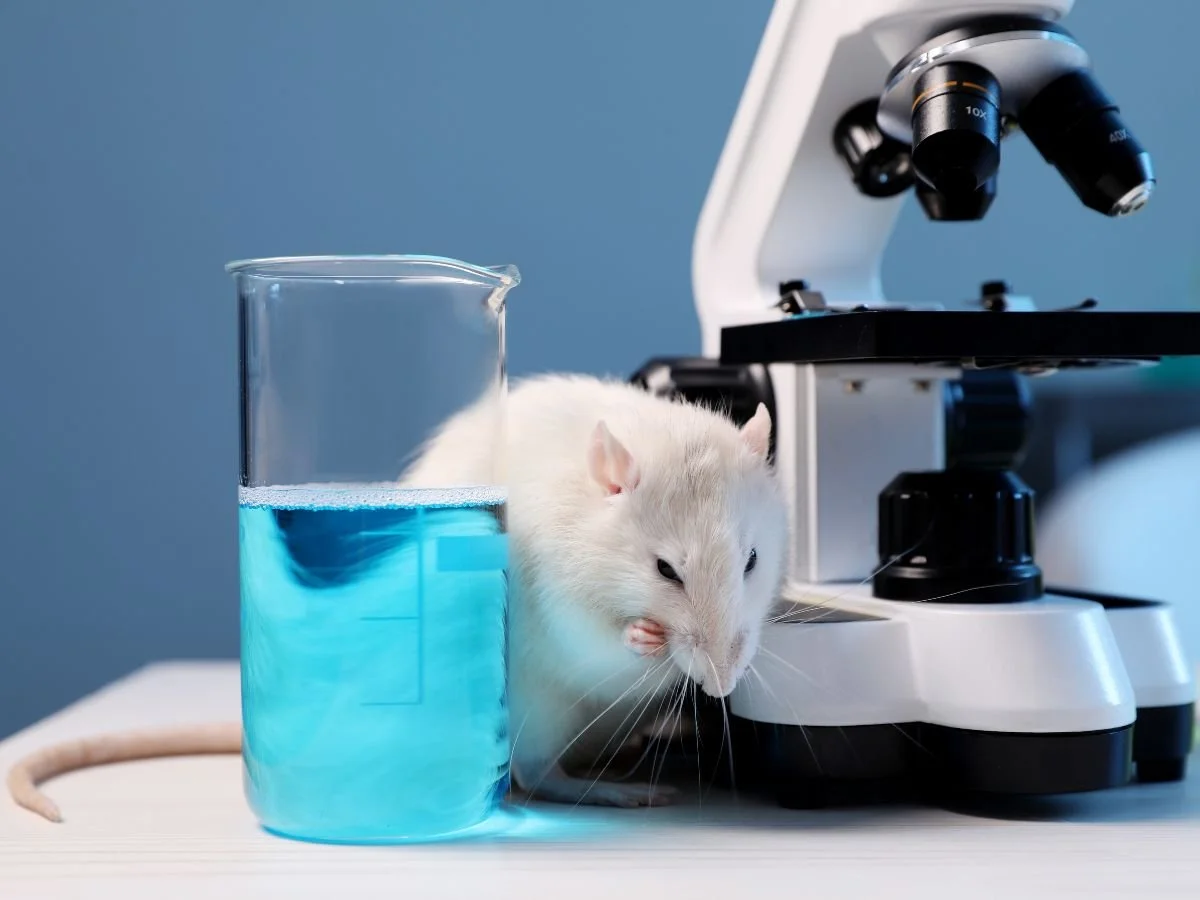
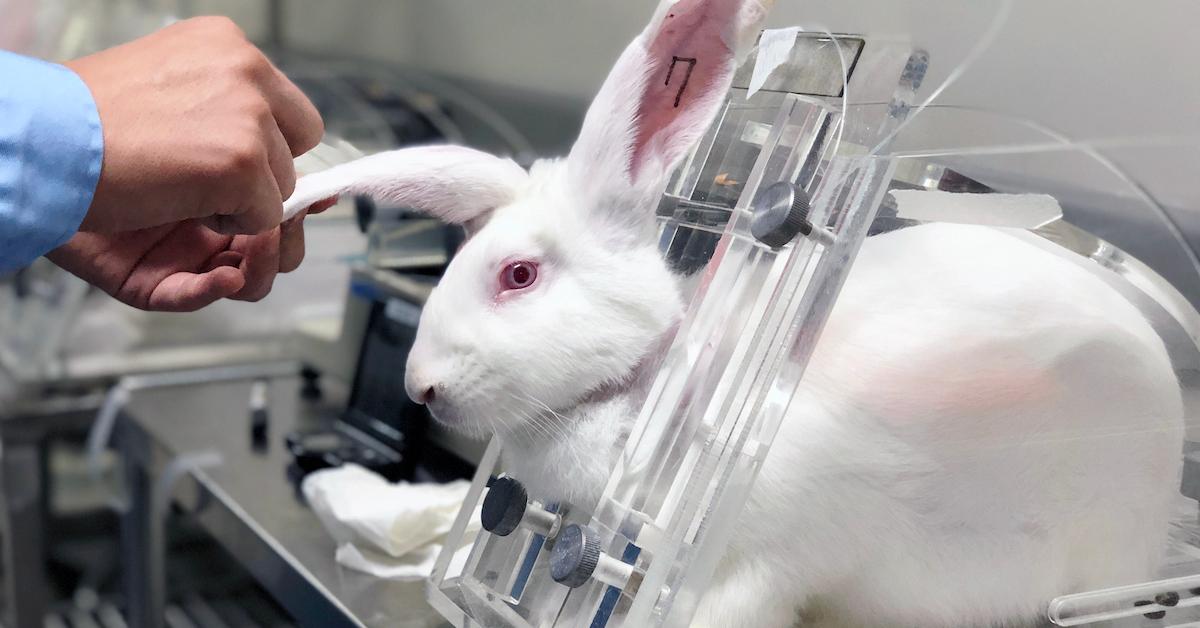
As of 2026, EltaMD maintains an official policy stating that it does not conduct animal testing on its finished products, nor does it request third parties to test on its behalf. While the brand is widely considered cruelty-free by man...
As of 2026, EltaMD maintains an official policy stating that it does not conduct animal testing on its finished products, nor does it request third parties to test on its behalf. While the brand is widely considered cruelty-free by many consumers, it lacks certain third-party certifications and is owned by a parent company that does engage in animal testing where required by law.
Contents
The question of whether a skincare brand is truly "cruelty-free" has become increasingly complex. For a brand like EltaMD, which occupies the specialized niche of "physician-dispensed" or medical-grade skincare, the standards for safety and efficacy often involve rigorous testing protocols. To understand EltaMD's current standing, one must look beyond simple "yes" or "no" answers and examine the nuances of ingredient sourcing, parent company influence, and global regulatory requirements.
EltaMD’s Official Stance on Animal Testing
EltaMD has built its reputation on dermatologist-recommended sunscreens and post-procedure skincare. For years, the brand’s messaging has consistently asserted that they do not test their products on animals. In the current 2026 landscape, this remains the brand's primary claim. According to their corporate communications, the safety of their products is established through clinical trials on human volunteers and modern, non-animal laboratory methods.
However, the term "cruelty-free" is not a legally regulated term in the United States by the Food and Drug Administration (FDA). This means that any brand can claim to be cruelty-free if they do not test the final formulation on animals. The nuance lies in the ingredients. EltaMD states that they do not test ingredients on animals, but many ingredients used in the skincare industry have historical safety data derived from animal studies conducted decades ago by third-party chemical suppliers. EltaMD, like most contemporary brands, relies on this existing data to ensure consumer safety without initiating new animal tests.
The Role of Parent Company: Colgate-Palmolive
A significant factor in the evaluation of EltaMD's ethics is its ownership. In late 2017, EltaMD was acquired by Colgate-Palmolive, a global consumer goods giant. This acquisition changed the landscape for the brand's "cruelty-free" reputation.
While EltaMD operates as a standalone brand within the Colgate-Palmolive portfolio and maintains its own specific testing policies, Colgate-Palmolive as a whole is not classified as a cruelty-free corporation. The parent company maintains a policy of minimizing animal testing but acknowledges that it still conducts such tests when mandated by government regulations or when no validated non-animal alternatives exist to ensure the safety of a product.
For "strict" cruelty-free consumers—those who follow criteria set by organizations like the Leaping Bunny Program—a brand is often only considered truly cruelty-free if its parent company also adheres to a total ban on animal testing. Because Colgate-Palmolive does not meet this criterion, EltaMD is frequently excluded from the "Gold Standard" lists of cruelty-free products, despite its own internal brand-level policies.
Third-Party Certifications and the Leaping Bunny Standard
As we navigate 2026, third-party certifications remain the primary way consumers verify corporate claims. There are two major entities that consumers look to for verification:
- The Leaping Bunny Program (Cruelty Free International): This is considered the most rigorous certification. It requires a brand to implement a supplier monitoring system to ensure that no animal testing occurs at any point in the supply chain, from the raw material stage to the finished product. As of 2026, EltaMD is not Leaping Bunny certified.
- PETA’s Beauty Without Bunnies: PETA maintains a list of brands that have signed a statement of assurance declaring they do not conduct, commission, or pay for any tests on animals. EltaMD has historically been included in PETA’s database, but it is important to note that PETA’s verification process is generally less stringent than that of Leaping Bunny, as it relies heavily on self-reported documentation rather than independent audits of the supply chain.
The absence of a Leaping Bunny logo does not necessarily mean a brand tests on animals, but it does mean the brand has not opened its supply chain to the specific auditing processes required by that organization.
Global Markets and Regulatory Challenges in China
One of the most common reasons a brand loses its cruelty-free status is by choosing to sell in mainland China. For many years, Chinese law required mandatory animal testing for all imported "special-use" cosmetics, which includes sunscreens—EltaMD’s core product line.
In recent years, China has updated its regulations to allow some general cosmetics (like moisturizers and cleansers) to bypass animal testing if they meet certain manufacturing and safety standards. However, "special-use" products like SPF products often still face a higher level of scrutiny.
EltaMD has managed its global expansion carefully. To maintain its cruelty-free claims, a brand must either:
- Avoid selling in physical retail stores in mainland China.
- Sell only through "Cross-Border E-Commerce" (CBEC), which does not trigger the same animal testing requirements.
- Manufacture products locally in China (which also allows for certain exemptions).
As of 2026, EltaMD continues to focus on professional channels and authorized medical retailers. While they have a presence in international markets, they have consistently stated they do not participate in programs that would require them to compromise their "no animal testing" policy.
Comparing EltaMD with Dermatological Competitors
To provide context, it is helpful to see how EltaMD compares to other leading dermatological and "medical-grade" skincare brands often found in the same clinics.
| Brand | Cruelty-Free Status | Parent Company | Leaping Bunny Certified? |
|---|---|---|---|
| EltaMD | Brand claims yes; parent company no | Colgate-Palmolive | No |
| Paula’s Choice | Yes | Unilever | Yes |
| La Roche-Posay | No (tests where required by law) | L'Oréal | No |
| SkinCeuticals | No (tests where required by law) | L'Oréal | No |
| CeraVe | No (tests where required by law) | L'Oréal | No |
| Drunk Elephant | Yes | Shiseido | Yes |
As shown in the table, EltaMD sits in a middle ground. It is more ethically aligned than brands owned by L'Oréal (which openly admit to testing when required by law), but it does not reach the certification heights of brands like Paula's Choice or Drunk Elephant.
Ingredient Sourcing and the Supply Chain
A major hurdle for any professional-grade skincare brand in 2026 is the complexity of the global chemical supply chain. EltaMD products often contain sophisticated active ingredients such as zinc oxide, niacinamide, and hyaluronic acid. While EltaMD does not test these on animals, the brand must ensure that its suppliers are not conducting new animal tests on these materials.
The challenge for consumers is that without a certification like Leaping Bunny, there is no public-facing guarantee that these suppliers are being audited for animal testing. EltaMD maintains that they select suppliers who share their values regarding animal welfare, but the lack of transparent third-party verification remains a point of contention for activists.
The Significance of "Medical-Grade" Testing
It is important to distinguish between "animal testing" and "clinical testing." Because EltaMD is a professional brand, they invest heavily in human clinical trials. These studies involve dermatologists testing products on human volunteers to measure SPF efficacy, skin irritation, and comedogenicity (whether the product clogs pores).
These tests are expensive and rigorous, but they are entirely animal-free. In many ways, human clinical testing is more relevant for skincare than animal testing, as human skin reacts differently to chemicals than the skin of rabbits or mice. By focusing on these methods, EltaMD can claim a high level of safety and efficacy without involving animals.
Frequently Asked Questions
Does EltaMD sell in China?
EltaMD is available in various international markets. However, they typically utilize methods such as cross-border e-commerce to reach Chinese consumers without triggering the mandatory animal testing laws that apply to physical retail imports in mainland China. As of 2026, this allows them to maintain their brand-level cruelty-free status.
Is EltaMD vegan?
Not all EltaMD products are vegan. While many of their sunscreens do not contain animal-derived ingredients, some of their post-procedure or moisturizing products may contain ingredients like beeswax, lanolin, or cholesterol derived from animal sources. Consumers looking for strictly vegan options should check the ingredient list for each specific product.
Why isn't EltaMD Leaping Bunny certified if they don't test on animals?
Leaping Bunny certification requires a significant administrative commitment, including the implementation of a supplier monitoring system and regular independent audits. Some brands choose not to pursue this certification due to the costs or because their parent company's policies would make certification more difficult. EltaMD has opted to rely on its own corporate statements and PETA listing instead.
Does the parent company, Colgate-Palmolive, affect EltaMD's products?
In terms of formulation, no. EltaMD maintains its own research and development and its specific medical-grade standards. However, in terms of ethical categorization, many shoppers consider the parent company's actions (testing other products on animals) as a reflection of the brand's overall ethical footprint.
Is EltaMD considered "Clean Beauty"?
"Clean Beauty" is another unregulated term that usually refers to products formulated without specific "red-list" ingredients like parabens or sulfates. EltaMD focuses on "professional-grade" and "sensitivity-free" formulations. While they are often paraben-free and fragrance-free, their primary focus is dermatological efficacy rather than the marketing definitions of "clean beauty."
Practical Advice for Consumers
If you are a consumer prioritizing animal welfare in 2026, your decision to use EltaMD depends on where you draw your ethical line:
- If your standard is "Brand Only": If you are satisfied with a brand stating it does not test on animals and avoids markets with mandatory testing, EltaMD is a safe choice. Their products are high-quality, effective, and they do not personally engage in animal cruelty.
- If your standard is "Total Corporate Integrity": If you refuse to buy from any brand owned by a parent company that tests on animals (Colgate-Palmolive), you should look for independent brands or those owned by certified cruelty-free corporations.
For those who need the specific dermatological benefits of EltaMD—such as their celebrated UV Clear Broad-Spectrum SPF 46—but want to remain as ethical as possible, the most direct action is to purchase through authorized medical professionals. This ensures you are supporting the brand's professional-grade efforts while staying within their intended cruelty-free distribution channels.
Image Gallery