How Much Does a Concrete Wall Cost?
In 2026, the cost to build a concrete wall typically ranges from $30 to $100 per linear foot for shorter garden walls, while structural or retaining walls generally cost between $15 and $60 per square foot. Most residential concrete wa...
In 2026, the cost to build a concrete wall typically ranges from $30 to $100 per linear foot for shorter garden walls, while structural or retaining walls generally cost between $15 and $60 per square foot. Most residential concrete wall projects average between $4,500 and $12,000, depending on height, thickness, reinforcement, and site accessibility.
Contents
Building a concrete wall is a significant investment that provides unparalleled durability and structural integrity compared to wood or vinyl alternatives. Whether you are looking to stabilize a slope, create a foundation, or enhance your home’s privacy, understanding the nuanced variables of concrete pricing is essential for accurate budgeting in 2026. This guide breaks down the material costs, labor requirements, and technical specifications that influence the final price of a concrete wall.
Primary Factors Influencing Concrete Wall Costs
The total expenditure for a concrete wall is rarely determined by the volume of concrete alone. Instead, it is a calculation of site preparation, formwork, reinforcement, and the specific engineering required for the wall's intended purpose.
Wall Height and Thickness
The dimensions of the wall are the most significant cost drivers. As a wall increases in height, the lateral pressure exerted by the soil or the weight of the structure above it grows exponentially. For walls over four feet tall, building codes in most jurisdictions require structural engineering and a thicker base (footer). A standard 8-inch thick wall is common for residential foundations, but a structural retaining wall may require a base that is 12 to 18 inches thick, significantly increasing material consumption.
Soil Composition and Excavation
Before the first yard of concrete is poured, the ground must be prepared. The cost of excavation depends on the soil type. Sandy soil is easy to move but may require more extensive shoring to prevent collapse, while rocky or clay-heavy soil increases labor time and equipment wear. In 2026, excavation costs typically range from $50 to $200 per hour for an operator and a mini-excavator. If the site has poor drainage or a high water table, additional stabilization measures like lime treated subgrades or specialized geogrids may be necessary.
Reinforcement (Rebar)
Concrete is exceptionally strong under compression but weak under tension. To prevent cracking and structural failure, steel reinforcement bars (rebar) are integrated into the wall. The price of steel fluctuates based on global market conditions, but in 2026, homeowners can expect to pay between $2.00 and $4.50 per linear foot for installed rebar. The "rebar schedule"—how closely the bars are spaced—is determined by the wall’s height and the load it must support.
Cost Breakdown by Wall Type
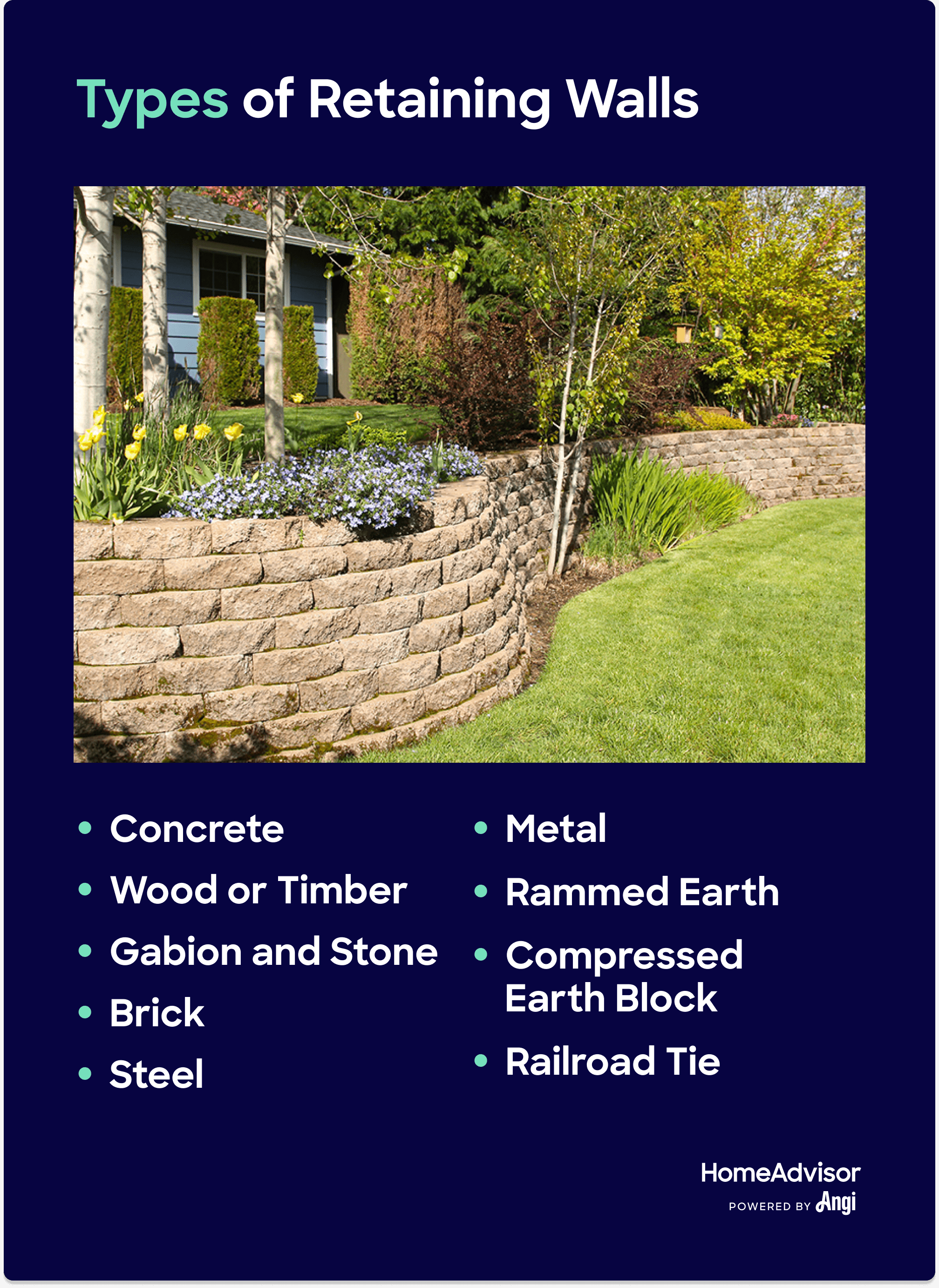
Not all concrete walls are created equal. The method of construction—poured-in-place, concrete masonry units (CMU), or precast—each carries a distinct price point and set of performance characteristics.
Poured-In-Place Concrete Walls
Poured walls are the gold standard for foundations and heavy-duty retaining structures. This process involves building wooden or aluminum forms, installing a rebar cage, and pouring wet concrete into the forms.
- Cost Range: $25 to $55 per square foot.
- Pros: Highly water-resistant, exceptional strength, and no joints where leaks can occur.
- Cons: Requires heavy machinery access and significant labor for formwork setup and removal.
Concrete Masonry Unit (CMU) Block Walls
Often referred to as cinder block walls, CMU construction involves stacking pre-fabricated blocks and bonding them with mortar. For structural integrity, the "cores" of the blocks are often filled with grout and reinforced with vertical rebar.
- Cost Range: $15 to $35 per square foot.
- Pros: Versatile for tight spaces where a concrete truck cannot reach easily; classic aesthetic.
- Cons: More susceptible to water penetration at the mortar joints; requires a skilled mason.
Precast Concrete Walls
Precast walls are manufactured in a controlled factory environment and shipped to the site for installation. This method is becoming increasingly popular in 2026 due to its speed and high quality control.
- Cost Range: $25 to $60 per square foot (including delivery and crane rental).
- Pros: Extremely fast installation; available in a wide variety of textures and colors.
- Cons: High transportation costs; requires heavy crane access, which may not be possible in established residential backyards.
Comparison of Concrete Wall Systems
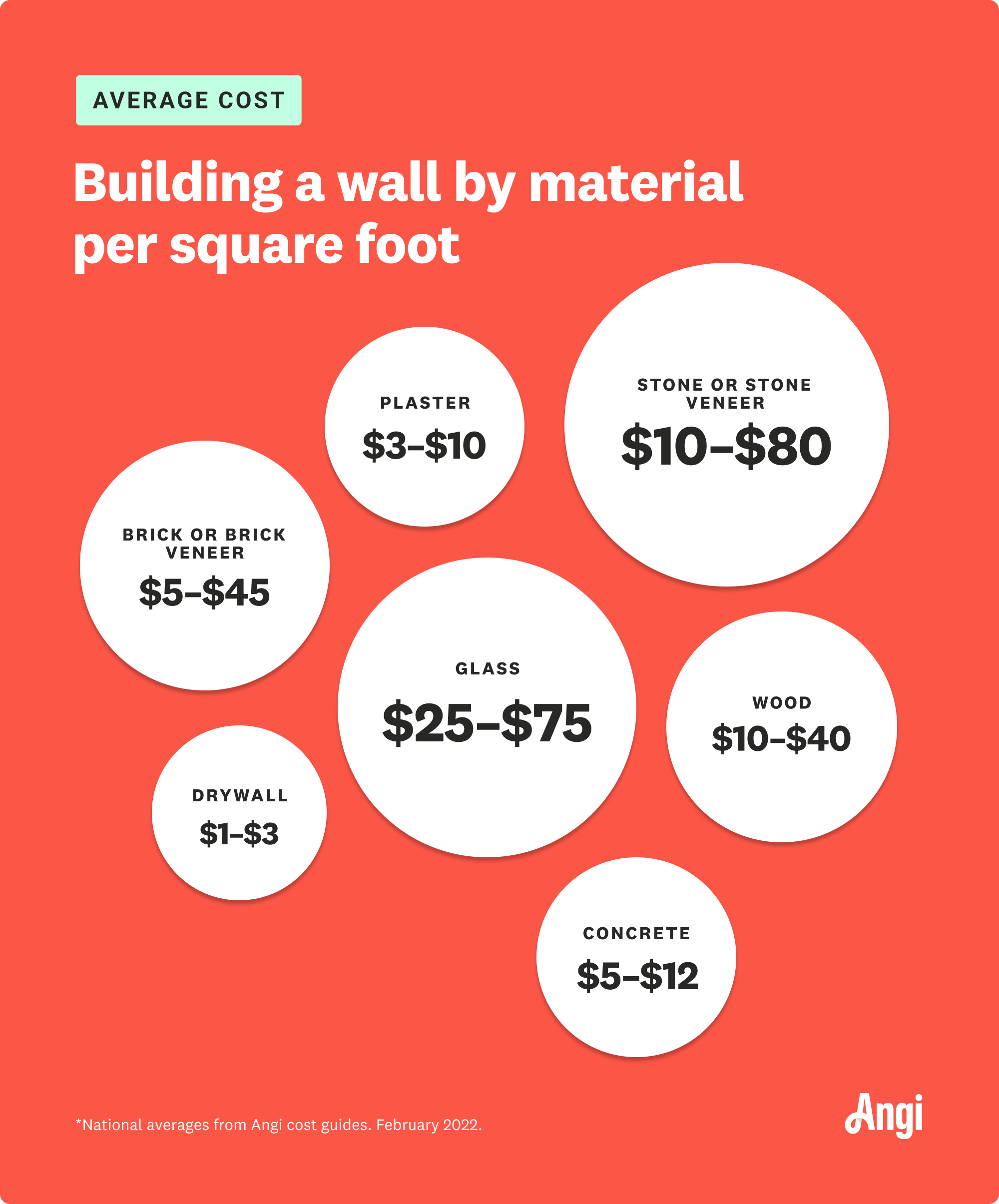
| Wall Type | Average Cost (per Sq. Ft.) | Durability | Best Use Case |
|---|---|---|---|
| Poured Concrete | $25 – $55 | Highest | Foundations, structural retaining walls |
| CMU (Block) | $15 – $35 | High | Garden walls, privacy fences, crawlspaces |
| Precast Panels | $25 – $60 | High | Long perimeter walls, fast-track foundations |
| Stamped/Decorative | $35 – $75 | High | Landscaping features, high-end aesthetics |
| Crib Walls | $20 – $40 | Moderate | Large scale slope stabilization |
Labor and Engineering Requirements
Labor typically accounts for 50% to 70% of the total cost of a concrete wall. In 2026, specialized concrete contractors command premium rates due to the technical nature of the work and the physical risks involved.
Structural Engineering and Permitting
Most municipalities require a building permit for any wall exceeding 3 or 4 feet in height. To obtain a permit, you will likely need a plan stamped by a licensed structural engineer. According to the American Society of Civil Engineers (ASCE), proper engineering ensures the wall can withstand hydrostatic pressure—the force of water building up behind the wall.
- Engineering Fees: $800 to $3,000 depending on complexity.
- Permit Fees: $100 to $600 based on project value.
Drainage Systems
The leading cause of concrete wall failure is not the weight of the soil, but the pressure of trapped water. Every high-quality concrete wall should include a drainage system. This includes a layer of "clean" gravel behind the wall, a perforated drain pipe (French drain), and weep holes to allow water to escape. Omitting these features to save $500–$1,000 can lead to a total wall collapse, costing tens of thousands of dollars in repairs.
Decorative Finishes and Customization
Standard grey concrete is functional but may not fit the aesthetic of a high-end landscape. In 2026, there are several ways to customize the appearance of a wall, though each adds to the bottom line.
- Stamping: Using rubber mats to press patterns (like stone or brick) into wet concrete. This adds $10 to $20 per square foot.
- Staining and Sealing: Applying acid-based or water-based stains to provide depth of color. This costs $4 to $12 per square foot.
- Veneering: Attaching natural stone or thin-brick tiles to the face of a concrete wall. This is the most expensive option, often adding $20 to $50 per square foot on top of the base wall cost.
- Board-Formed Finish: A technique where the wood grain of the forms is transferred to the concrete, creating a modern, architectural look. This requires premium lumber for the forms and increases labor costs by 20% to 30%.
Regional Price Variations and 2026 Trends
The cost of concrete is highly localized. Concrete is a heavy, perishable material that must be delivered within a specific timeframe (usually 90 minutes from the batch plant). In 2026, the national average for a cubic yard of ready-mix concrete is approximately $165 to $190, but prices in urban centers like New York City or San Francisco can exceed $250 per yard.
Additionally, environmental regulations in 2026 have led to a wider adoption of "Green Concrete" or Low-Carbon Concrete. These mixes replace a portion of the Portland cement with industrial byproducts like fly ash or slag. While environmentally friendly, these mixes can sometimes have a higher upfront cost of 5% to 10% due to specialized additives required to maintain set times.
Long-Term Maintenance and Value
While the initial cost of a concrete wall is higher than wood or dry-stack stone, its lifespan is significantly longer, often exceeding 50 to 100 years with minimal maintenance.
- Sealing: To prevent salt damage and rebar corrosion, concrete walls should be sealed every 3 to 5 years. This costs approximately $1.50 to $3.00 per square foot for professional application.
- Crack Repair: Small hairline cracks are normal as concrete shrinks. However, cracks wider than 1/4 inch should be inspected and potentially injected with epoxy or polyurethane to prevent water ingress.
- Property Value: A professionally engineered retaining wall or a solid concrete privacy wall can increase property value by providing more usable flat land and enhancing security, often recouping 60% to 80% of its cost during a home sale.
Frequently Asked Questions
Is it cheaper to build a concrete wall or a wood retaining wall?
In the short term, a wood retaining wall is significantly cheaper, often costing $15 to $25 per square foot. However, wood eventually rots, even when pressure-treated. In 2026, most homeowners view concrete as a "one-and-done" solution. When you factor in replacement costs every 10–15 years for wood, concrete is the more cost-effective long-term investment.
Can I build a 4-foot concrete wall myself?
Building a concrete wall is a high-risk DIY project. While a small garden wall (under 2 feet) is manageable for a handy homeowner, anything structural requires precise formwork and heavy lifting. A single cubic yard of concrete weighs roughly 4,000 pounds. If your forms are not braced correctly, they can "blow out" during the pour, leading to a dangerous and expensive mess.
How does the thickness of the wall affect the price?
The thickness directly impacts the amount of concrete needed. For every additional 2 inches of thickness, you add approximately 25% more material volume. Furthermore, thicker walls require more robust formwork and bracing to hold the weight of the wet concrete, which increases labor hours.
Does a concrete wall require a foundation?
Yes. Every concrete wall requires a "footer"—a wide concrete base buried below the frost line. The frost line varies by region; in northern climates, this can be 36 to 48 inches deep. The footer prevents the wall from "heaving" or shifting when the ground freezes and thaws. The cost of the footer is typically included in the square-foot estimates provided by contractors.
What is the cheapest type of concrete wall?
Generally, a standard hollow-core CMU (block) wall without decorative finishes is the most budget-friendly option. By leaving the blocks grey and using standard reinforcement, you can keep costs at the lower end of the $15–$35 per square foot range.
Practical Recommendations
Before starting your concrete wall project, obtain at least three detailed quotes from licensed contractors. Ensure each quote specifies the PSI (pounds per square inch) strength of the concrete (usually 3,000 to 4,000 PSI for walls), the amount of rebar to be used, and the specifics of the drainage system.
If your wall is part of a larger landscaping project, consider the "site access" cost. If a concrete truck cannot pull up directly to the forms, you will need to rent a concrete pump, which typically adds $600 to $1,000 per day to your project total. Planning for these logistical details in 2026 will ensure your concrete wall project stays on budget and stands for decades.
Image Gallery