FBI Crime Race Statistics: Comprehensive Analysis and Reporting Methodology
FBI crime race statistics provide an empirical foundation for examining the relationship between race, ethnicity, and criminal offending and victimization in the United States. Through systems like the Uniform Crime Reporting (UCR) Pro...
FBI crime race statistics provide an empirical foundation for examining the relationship between race, ethnicity, and criminal offending and victimization in the United States. Through systems like the Uniform Crime Reporting (UCR) Program and the National Incident-Based Reporting System (NIBRS), managed by the Federal Bureau of Investigation, these datasets record arrests, offenses known to law enforcement, and demographic characteristics. Interpreting these figures requires a precise understanding of collection methodologies, administrative reporting gaps, and socioeconomic variables that contextualize law enforcement interactions.
Contents
Understanding the FBI Uniform Crime Reporting (UCR) and NIBRS Frameworks
The architecture of federal crime data relies heavily on voluntary reporting from thousands of municipal, county, state, tribal, and federal law enforcement agencies across the country. Historically, the UCR Summary Reporting System (SRS) captured aggregate counts of crimes across designated offense categories. In recent years, a mandatory nationwide transition to NIBRS modernized this framework by capturing granular, incident-level data for multiple offenses within a single criminal incident.
NIBRS documents detailed information regarding each crime incident, including the nature and types of offenses, victim and offender characteristics, property loss, and the presence of weapons or bias motivations. When examining race and ethnicity within these datasets, the reporting standards align with directives from the Office of Management and Budget (OMB). These standards categorize race into distinct groups such as American Indian or Alaska Native, Asian, Black or African American, and White, while treating Hispanic origin as a separate ethnicity category.
Law enforcement agencies collect these demographic markers based primarily on officer perception during booking or reporting, or via self-reporting when available. This operational reality introduces methodological nuances that researchers must account for when analyzing trends across jurisdictions.
Historical Evolution and the Transition to Incident-Based Reporting
The collection of crime statistics in the United States has evolved significantly since the UCR's inception in 1930. The transition from the legacy SRS to NIBRS represents a major structural shift designed to provide deeper analytical depth for criminologists, sociologists, and policymakers.
| Reporting System | Data Granularity | Offense Coverage | Demographic Tracking | Implementation Status |
|---|---|---|---|---|
| Legacy UCR (SRS) | Aggregate monthly counts | Part I and Part II offenses (Hierarchy Rule applied) | Basic demographic totals by arrest | Phased out nationwide by 2021 |
| NIBRS | Incident-level data | Group A and Group B offenses (No Hierarchy Rule) | Detailed demographics for victims, offenders, and arrestees | Fully operational standard in 2026 |
The elimination of the Hierarchy Rule under NIBRS is particularly critical for accurate statistical portrayal. Under the old SRS, if multiple offenses occurred during a single criminal event, only the most serious offense was scored in the monthly totals. NIBRS records every offense committed within a single incident, offering a comprehensive view of criminal behavior and its demographic distribution.
Key Categories: Arrest Data Versus Offenses Known to Police
A common analytical error in public discourse is conflating arrest data with total criminal offending. FBI crime statistics explicitly distinguish between offenses known to law enforcement and individuals arrested for those offenses.
- Offenses Known to Police: These figures represent crimes reported directly to law enforcement agencies or discovered independently by officers. This metric includes violent crimes (homicide, rape, robbery, aggravated assault) and property crimes (burglary, larceny-theft, motor vehicle theft, arson).
- Arrest Statistics: These numbers reflect the demographic profile of individuals taken into physical custody or issued a summons by law enforcement. Arrest totals are heavily influenced by police deployment strategies, neighborhood patrol density, clearance rates, and local discretionary enforcement priorities.
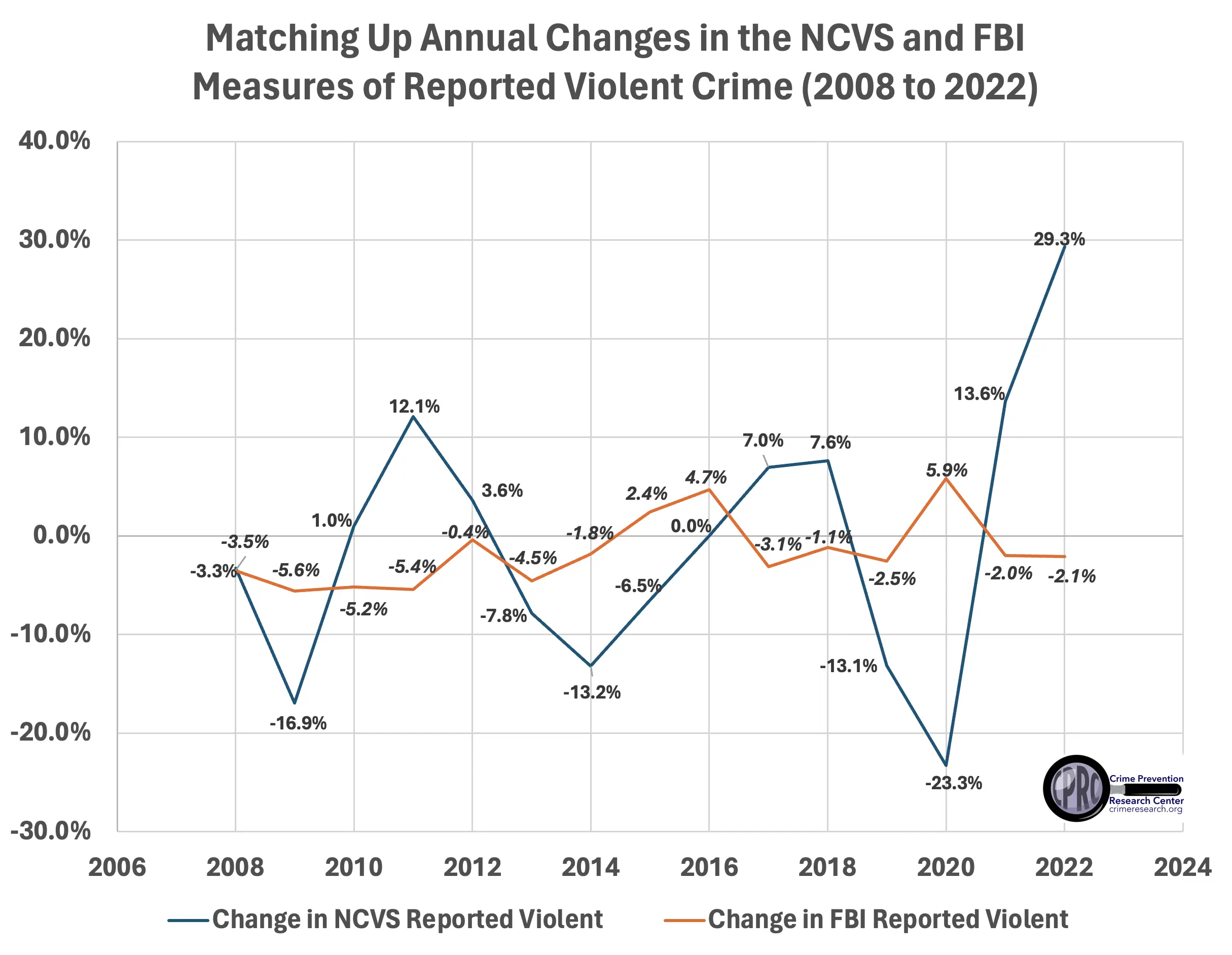
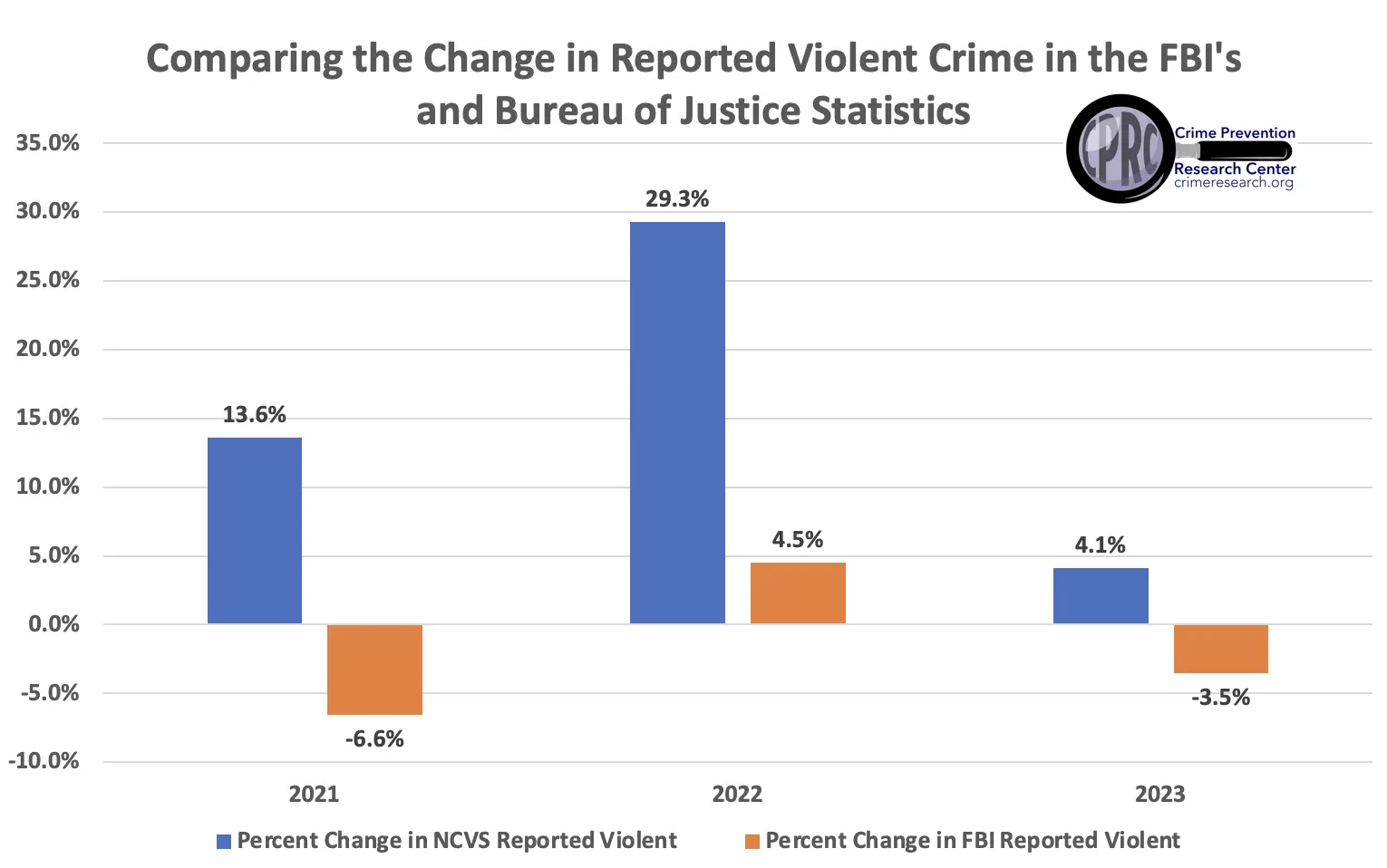
Because not all crimes are reported, and not all reported crimes result in an arrest, arrest data primarily reflects law enforcement activity and apprehension patterns rather than the totality of criminal behavior within a given population. Criminologists frequently cross-reference FBI arrest data with victim self-reporting surveys, such as the Bureau of Justice Statistics' National Crime Victimization Survey (NCVS), to obtain a balanced perspective on crime dynamics.
Socioeconomic and Environmental Variables Influencing Crime Rates
Criminological research consistently demonstrates that race is a demographic variable rather than a causal factor in criminal behavior. Social scientists analyze FBI crime statistics alongside a wide array of structural, economic, and environmental indicators to understand underlying patterns.
Structural Determinants of Crime
Economic Disadvantage: Academic literature indicates that concentrated poverty, limited educational attainment, and high regional unemployment rates strongly correlate with elevated property and violent crime rates, regardless of racial composition.
Neighborhood Stability: Residential mobility, family disruption, and community disinvestment heavily impact social disorganization, reducing the informal social controls that typically deter criminal activity.
Geographic Concentration: Crime is highly localized. Urban environments with high population densities and unequal resource distribution consistently report higher absolute numbers of offenses compared to suburban or rural jurisdictions.
Failing to control for these underlying socioeconomic conditions often leads to misinterpretations of federal datasets. When researchers control for income inequality and localized economic distress, the statistical significance of race as a direct predictor of crime diminishes significantly.
Limitations, Missing Data, and Reporting Gaps
Analyzing FBI crime race statistics requires careful consideration of data collection limitations. The accuracy and completeness of national datasets depend entirely on the voluntary participation of local law enforcement agencies.
- Participation Discrepancies: Not every police department submits complete data every month. Historical transitions, such as the full adoption mandate of NIBRS, resulted in temporary dips in agency participation rates for specific states or metropolitan areas.
- Missing Race Information: In numerous arrest records and incident reports, the race of the offender is unknown or unreported by victims and witnesses—particularly in unsolved property crimes or complex urban investigations.
- Discretionary Enforcement: Biases in policing practices, targeted surveillance in specific neighborhoods, and unequal stop-and-search frequencies can artificially inflate arrest metrics for specific demographic groups relative to actual offending rates.
The FBI incorporates estimation procedures to account for non-reporting agencies in annual publications like Crime in the United States, but these estimates carry inherent statistical margins of error.
Frequently Asked Questions
What is the difference between UCR and NIBRS data regarding race?
UCR Summary Reporting System data provided only aggregate monthly totals of arrests broken down by broad demographic categories. NIBRS provides detailed, incident-level linkages between victims, offenders, and arrestees, allowing analysts to examine specific demographic intersections within individual criminal events.
Do FBI crime statistics prove that race causes criminal behavior?
No. Criminologists and sociologists emphasize that race is a demographic marker, not a causal agent. Variations in crime statistics across racial groups are driven by complex socioeconomic factors, including concentrated poverty, geographic location, historical resource allocation, and local policing strategies.
Why do some law enforcement agencies have missing data in FBI reports?
Participation in the federal crime reporting programs has historically been voluntary for local and state agencies. Although federal incentives and the NIBRS transition have improved compliance, technical challenges, software transitions, and administrative gaps still cause some agencies to miss reporting deadlines.
How does the FBI define race and ethnicity in its data collection?
The FBI follows standards established by the Office of Management and Budget (OMB). Race is categorized into distinct groups such as White, Black or African American, American Indian or Alaska Native, and Asian. Hispanic or Latino origin is treated separately as an ethnicity rather than a racial classification.
Where can researchers access the raw FBI crime datasets?
Raw datasets, annual reports, analytical tables, and data tools are publicly available through the FBI's Crime Data Explorer (CDE) online portal and the Bureau of Justice Statistics archives.
Conclusion
Examining FBI crime race statistics requires a rigorous, methodical approach that looks beyond surface-level figures. By understanding the operational distinctions between offenses known to police and arrest records, accounting for structural socioeconomic variables, and recognizing the reporting limitations inherent in federal data collection, analysts can evaluate crime trends accurately. Researchers, policymakers, and the public must interpret these metrics within their proper social and administrative context to support informed dialogue and effective public safety strategies.
Image Gallery