Cheech Marin Albums: A Comprehensive Discography and Cultural History
Cheech Marin’s discography encompasses his legendary tenure with Tommy Chong and his subsequent solo projects, including Grammy-winning comedy albums and beloved children's music. From the counter-culture classic Los Cochinos to the sa...
Cheech Marin’s discography encompasses his legendary tenure with Tommy Chong and his subsequent solo projects, including Grammy-winning comedy albums and beloved children's music. From the counter-culture classic Los Cochinos to the satirical hit "Born in East L.A.," his work spans over five decades of influential comedic storytelling, social parody, and bilingual educational entertainment.
Contents
The Formative Years: Cheech & Chong’s 1970s Masterpieces
The history of Cheech Marin albums begins in the early 1970s, a period where he and partner Tommy Chong redefined the comedy record genre. Unlike the stand-up comedy albums of the 1950s and 60s, which often relied on a single microphone and a live audience, Cheech & Chong utilized the studio as an instrument. They created immersive audio environments, using sound effects and multi-track recording to place the listener directly inside their sketches.
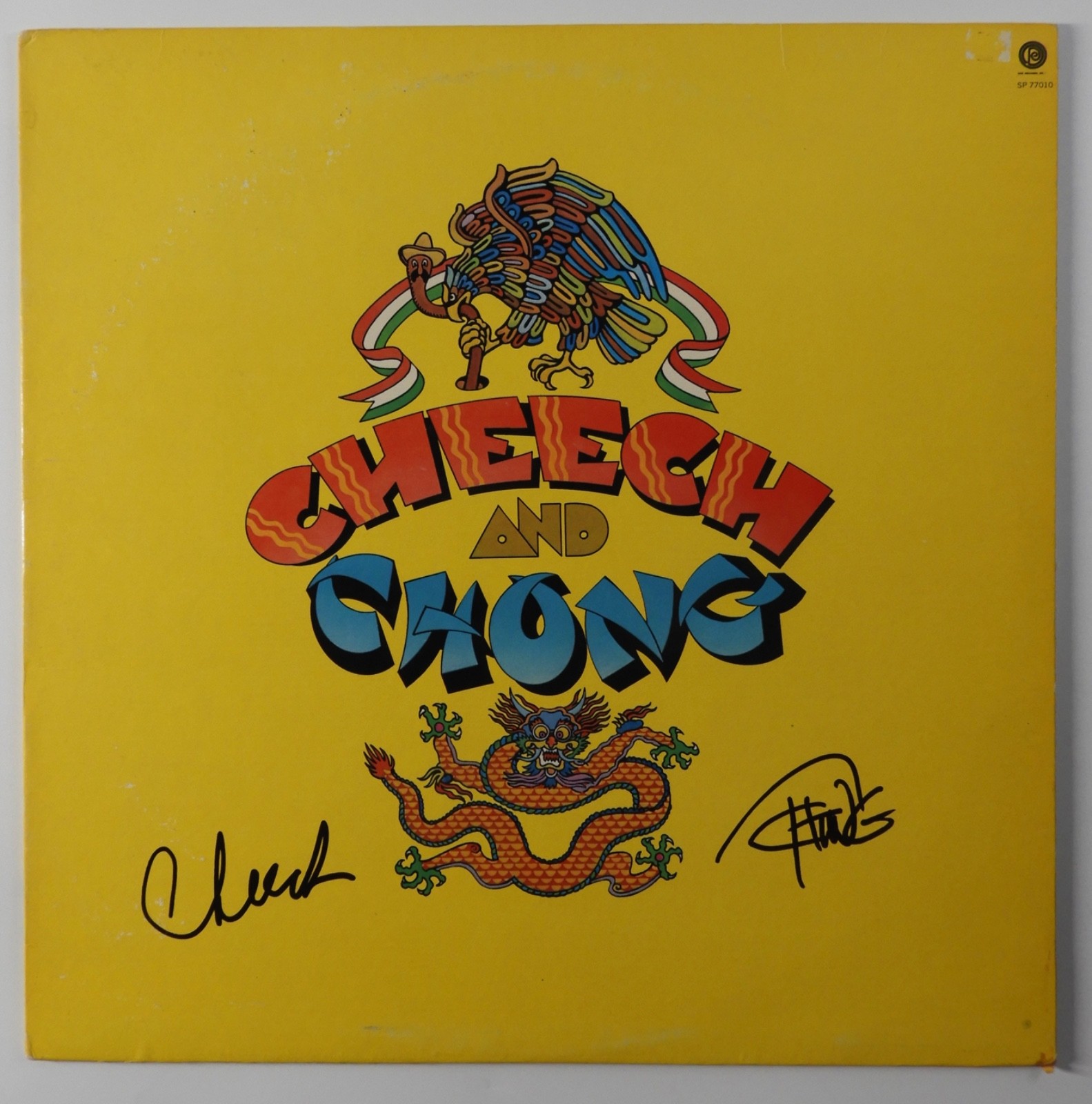
Their self-titled debut, Cheech and Chong (1971), introduced the world to the "stoner" archetypes that would define their careers. The album featured "Dave's Not Here," a sketch that became a cultural shorthand for the era's drug-induced confusion. The success of this album was not merely due to its subject matter; it was the chemistry between Marin’s frantic, multi-voiced character work and Chong’s laid-back straight-man delivery that resonated with the youth culture of the time.
By the mid-1970s, their albums became massive commercial successes. They weren't just comedy records; they were events. The production quality increased with every release, involving more complex musical parodies and sophisticated social satire that went beyond simple "drug humor" to critique policing, racial stereotyping, and the music industry itself.
The Breakthrough of 'Big Bambu' and 'Los Cochinos'
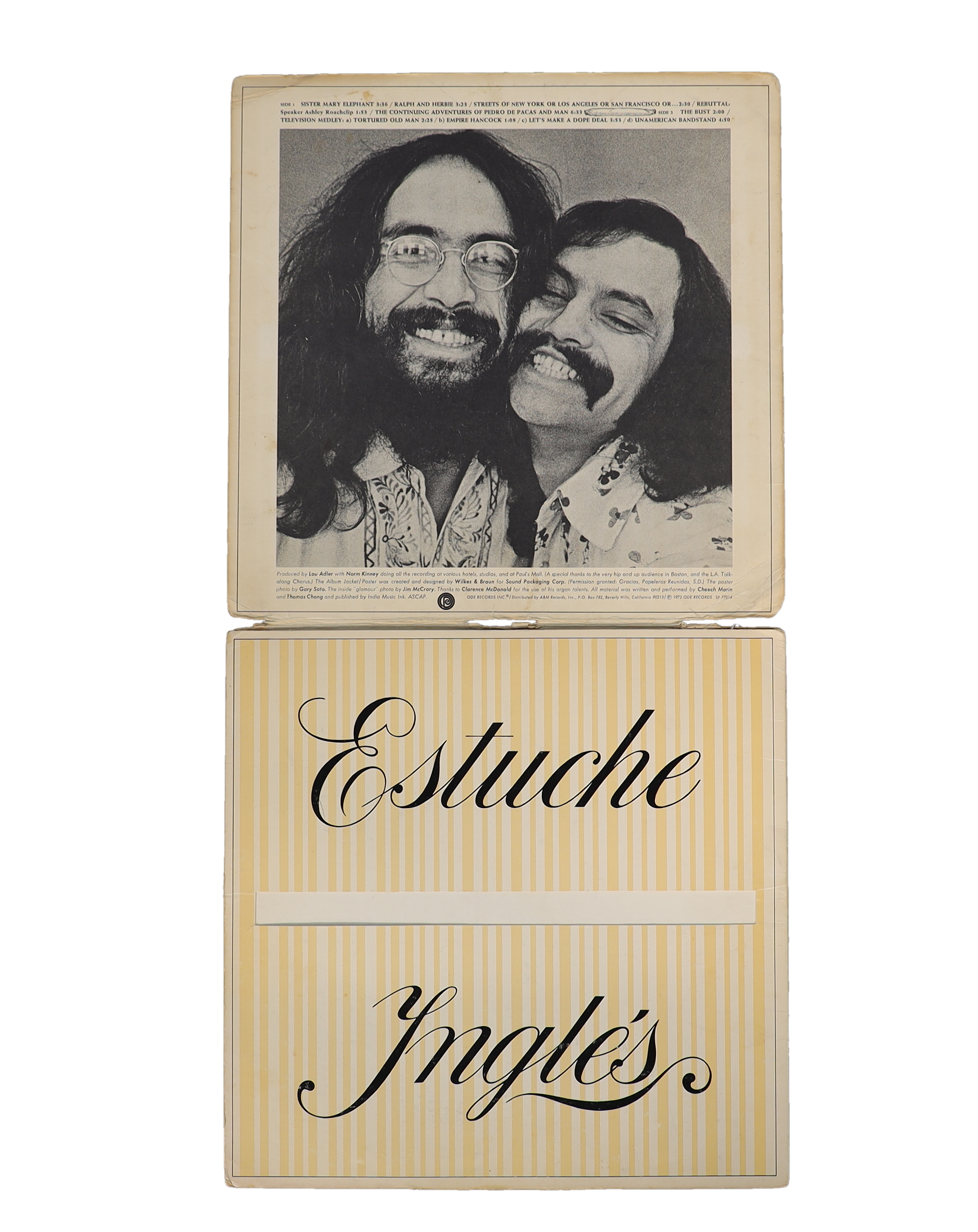
The peak of their recording career is often cited as the release of Big Bambu (1972) and Los Cochinos (1973). These albums solidified Cheech Marin as a premiere comedic writer and voice actor. Big Bambu became famous not just for its content, but for its physical packaging. Original pressings included a giant rolling paper, a marketing masterstroke that made the physical vinyl a must-have item for collectors. The album peaked at number 2 on the Billboard 200, a rare feat for a comedy record.
Los Cochinos (Spanish for "The Pigs") took their success even further, winning the Grammy Award for Best Comedy Recording in 1974. This album showcased Marin’s range, featuring sketches like "Basketball Jones," which featured a backing track with contributions from George Harrison and Carole King. This overlap between the comedy world and the elite music world of the 1970s highlighted the duo's mainstream influence. As of 2026, these albums remain the gold standard for sketch-based audio comedy, frequently cited by modern podcasters and comedians as foundational influences.
The Evolution of Satire: 'Get Out of My Room' and the 1980s Transition
As the 1980s approached, the cultural landscape shifted. The loose, improvisational feel of the 1970s gave way to more structured, synth-heavy productions. Cheech & Chong adapted with Get Out of My Room (1985), which is arguably the most significant turning point in Cheech Marin’s individual discography. This album moved away from long-form sketches toward music videos and high-concept parodies.
The production of Get Out of My Room reflected the MTV era. It was more polished and featured the hit single "Born in East L.A.", a parody of Bruce Springsteen’s "Born in the U.S.A." In this track, Cheech used humor to address the serious issue of immigration and the wrongful deportation of American citizens. The song’s success was so significant that it eventually spawned a feature film of the same name, written and directed by Marin.
This era marked the beginning of Cheech’s transition into a more versatile solo entertainer. While still working with Chong, the solo focus of the "Born in East L.A." persona allowed Cheech to explore Chicano identity through a lens of satirical commentary that reached a much broader audience than their previous underground work. In 2026, music historians recognize this period as a vital early example of Latin-American social commentary within popular comedy music.
Cheech Marin’s Solo Venture into Children’s Music
In the 1990s, Cheech Marin underwent a radical career transformation, moving from counter-culture icon to a beloved figure in children's media. This shift was reflected in his solo recording career, specifically the release of My Name Is Cheech, the School Bus Driver (1992). Released under the Ode 2 Kids label, the album was a collection of songs and stories designed for a younger audience, though it retained Marin’s signature wit and rhythmic delivery.
This project was not a cynical pivot; it was a response to the lack of high-quality, bilingual children's content. Marin recognized that the children of the "Cheech & Chong" generation were now parents themselves. By creating the character of the School Bus Driver, he could provide educational value while honoring his cultural roots.
Educational Impact and Bilingual Storytelling
The success of the first children’s album led to a follow-up, My Name is Cheech the School Bus Driver: "Costa Rica" (1997). These albums were notable for their integration of Spanish and English, making them a staple in bilingual households across North America. Marin used these recordings to tell stories of adventure and safety, using music as a mnemonic device to help children learn second languages.
The technical depth of these recordings was impressive for the genre. Unlike many low-budget children's records of the 90s, Marin’s albums featured professional session musicians and high-fidelity production. By 2026, these recordings have been digitized and remain popular on streaming platforms for educators looking for culturally relevant Hispanic content. They stand as a testament to Marin’s ability to reinvent himself while maintaining a core artistic voice.
Technical Specifications and 2026 Availability
For collectors and audiophiles, the Cheech Marin albums from the 70s and 80s are best experienced in their original analog formats, though modern remasters have improved the clarity of the dialogue significantly. Rhino Records and Warner Music Group have handled many of the reissues, ensuring that the legacy of these recordings is preserved for the streaming era.
In 2026, the market for vinyl reissues of Cheech & Chong albums remains strong. Collectors often look for "First State" copies of Big Bambu that still contain the original rolling paper insert. These are considered high-value items in the secondary market. For digital listeners, most platforms offer "Expanded Editions" of these albums, which include previously unreleased outtakes and radio spots from the original recording sessions.
| Album Title | Release Year | Primary Genre | Key Achievement/Certification |
|---|---|---|---|
| Cheech and Chong | 1971 | Comedy / Sketch | Gold Certification (RIAA) |
| Big Bambu | 1972 | Comedy / Satire | #2 on Billboard 200 |
| Los Cochinos | 1973 | Comedy / Music | Grammy Winner: Best Comedy Recording |
| Wedding Album | 1974 | Comedy / Sketch | Gold Certification (RIAA) |
| Sleeping Beauty | 1976 | Comedy / Satire | Top 10 Billboard Comedy Chart |
| Up in Smoke | 1978 | Soundtrack / Music | Multi-Platinum film tie-in |
| Get Out of My Room | 1985 | Parody / Synth-Pop | Featured "Born in East L.A." |
| My Name Is Cheech... | 1992 | Children's Music | Parent's Choice Award Winner |
The Legacy of Cheech Marin’s Audio Work
The enduring appeal of Cheech Marin’s discography lies in its authenticity. Whether he was playing a "pothead" in 1972 or a school bus driver in 1992, Marin’s characters always felt grounded in real human experiences. His work with Tommy Chong broke down barriers for what was acceptable on the radio, pushing the boundaries of the First Amendment and paved the way for future comedic legends like Richard Pryor and Eddie Murphy.
Furthermore, Marin’s solo albums proved that comedy could be a tool for social change. "Born in East L.A." remains a powerful anthem for the Chicano community, using the "trojan horse" of a catchy parody song to deliver a poignant message about civil rights. This duality—the ability to be both absurdly funny and deeply meaningful—is why his albums continue to be studied and enjoyed in 2026.
For those looking to explore his work today, the transition from the gritty, sketch-heavy 70s albums to the polished, music-focused 80s albums offers a fascinating case study in the evolution of American comedy.
Frequently Asked Questions
Which Cheech & Chong album is considered their best?
While subjective, Los Cochinos (1973) is widely considered their peak due to its high production value and its win for the Grammy Award for Best Comedy Recording. It features a balanced mix of character-driven sketches and musical parodies that represent the duo at the height of their creative powers.
Is "Born in East L.A." on a solo Cheech Marin album?
"Born in East L.A." first appeared on the 1985 album Get Out of My Room, which was technically a Cheech & Chong release. However, it is often associated with Cheech Marin’s solo career because he wrote, directed, and starred in the subsequent film version, and Tommy Chong’s involvement in that specific track was minimal compared to their earlier collaborations.
Did Cheech Marin release any children's music?
Yes, Cheech Marin released two successful children's albums: My Name Is Cheech, the School Bus Driver (1992) and My Name is Cheech the School Bus Driver: "Costa Rica" (1997). These albums are known for being bilingual and featuring educational stories and songs for children.
Are Cheech Marin’s albums available on streaming services?
As of 2026, nearly the entire catalog of Cheech & Chong and Cheech Marin’s solo children's albums is available on major streaming platforms like Spotify, Apple Music, and Amazon Music. Many have been remastered for digital high-fidelity audio.
What was special about the Big Bambu album packaging?
The original 1972 vinyl release of Big Bambu included a giant, functional rolling paper as an insert. Because many listeners actually used the paper, finding an original copy with the insert intact is a high priority for record collectors and significantly increases the album's market value.
Final Recommendation for Listeners
If you are new to Cheech Marin albums, the best starting point is Los Cochinos for a taste of his classic comedic chemistry with Tommy Chong. For those interested in his solo impact, the single "Born in East L.A." from the Get Out of My Room album is essential listening. Collectors should focus on finding early 70s vinyl pressings from Rhino Records to appreciate the full "analog" experience of these studio masterpieces.
Image Gallery