The Evolution and Cultural Impact of Mom Characters in TV Shows
Mom characters in television have shifted from idealized, one-dimensional supporting figures to complex, flawed, and central protagonists who anchor narratives. This transition reflects broader sociological changes in how society defin...
Mom characters in television have shifted from idealized, one-dimensional supporting figures to complex, flawed, and central protagonists who anchor narratives. This transition reflects broader sociological changes in how society defines motherhood, moving away from domestic perfection toward authentic explorations of agency, career ambition, mental health, and the multifaceted nature of the parent-child relationship across diverse genres.
Contents
The Historical Archetype: The Domestic Anchor
For much of the mid-20th century, the "TV mom" was synonymous with the domestic sphere. Icons like June Cleaver in Leave It to Beaver or Margaret Anderson in Father Knows Best established a foundational archetype: the maternal figure whose primary function was to provide stability, moral guidance, and emotional support for the husband and children. These characters were rarely granted internal lives outside of the home. Their conflicts were almost exclusively resolution-oriented, typically solved within a 30-minute window, reinforcing the expectation that motherhood was a state of constant, cheerful self-sacrifice.
While these early representations were reflections of a specific mid-century social contract, they created a standard that subsequent generations of writers sought to subvert. By the 1970s and 1980s, the "working mom" began to emerge in sitcoms, though often still framed through the lens of comedic struggle—balancing the "second shift" of home life while managing a career. Characters like Clair Huxtable in The Cosby Show marked a turning point by depicting a mother who was a high-powered professional (an attorney) while maintaining a balanced household, serving as a template for the aspirational mother who could "have it all."
The Complexity Turn: Anti-Heroines and Flawed Leads
The late 1990s and 2000s ushered in the "Golden Age of Television," which fundamentally altered the landscape for female characters. As dramas became darker and more serialized, the mother figure was no longer required to be virtuous.
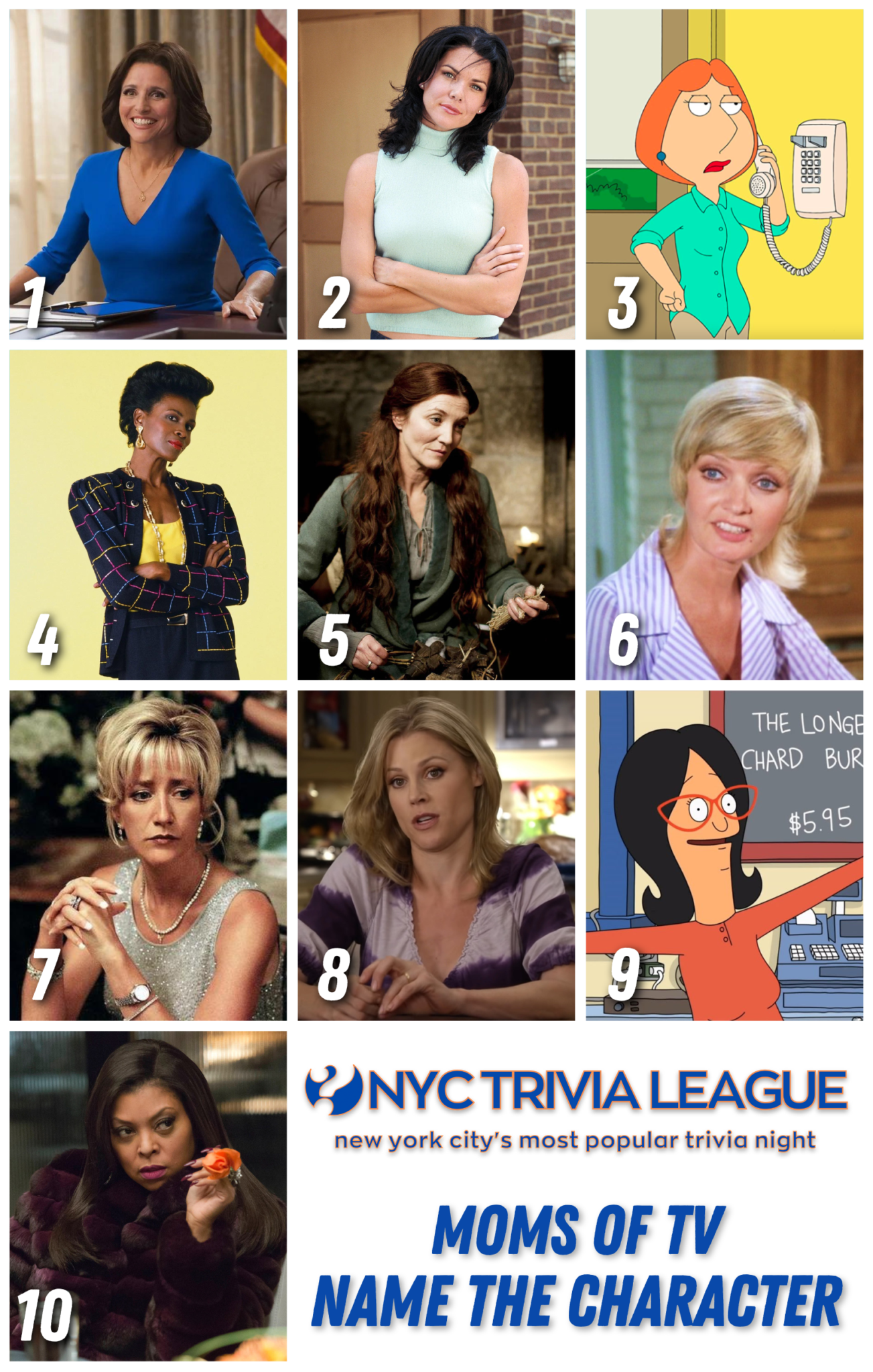
Perhaps the most significant disruption occurred with Carmela Soprano in The Sopranos. Carmela was not merely a wife and mother; she was a co-conspirator in a criminal lifestyle, a woman grappling with the moral decay of her family while navigating the limitations imposed by her gender. This era proved that audiences were willing to engage with "unlikable" or morally grey mothers. This trend continued into the 2010s and 2020s with shows like Big Little Lies, where the central characters are mothers whose lives are defined by professional ambition, hidden trauma, and intense interpersonal friction. These portrayals moved beyond the domestic pedestal, allowing mothers to be depicted as messy, ambitious, protective, and sometimes entirely selfish.
Categorizing Maternal Archetypes in Modern Television
To understand the current spectrum of motherhood on screen, we can group characters by their narrative function and the challenges they represent. This classification highlights how writers use motherhood as a lens to explore deeper psychological and social themes.
| Archetype | Defining Characteristics | Key Examples |
|---|---|---|
| The Moral Anchor | Prioritizes family stability, ethics, and emotional support. | Clair Huxtable (The Cosby Show) |
| The Complex Strategist | Navigates power dynamics; often involved in high-stakes environments. | Alicia Florrick (The Good Wife) |
| The Outsider/Rebel | Challenges traditional maternal norms; often struggles with societal expectations. | Roseanne Conner (Roseanne) |
| The Nuanced Survivor | Deals with external threats or extreme circumstances while parenting. | Sarah Miller (The Last of Us) |
| The Anti-Heroine | Morally ambiguous; prioritizes self or family survival over standard ethics. | Carmela Soprano (The Sopranos) |
The Impact of Genre on Maternal Portrayals
The genre of a television show dictates the constraints placed upon a mom character. In sitcoms, the mother is often the "straight man" to the chaos caused by the family, though this is evolving. In genres like science fiction or fantasy, motherhood is frequently tested through extreme, high-stakes stakes.
For instance, in The Handmaid's Tale, the concept of motherhood is weaponized and politicized, turning the act of being a mother into an extreme sport of survival and resistance. This shifts the focus from "balancing work and home" to "fighting for the existence of the child," a narrative trope that elevates the emotional stakes of the character. Similarly, in modern dramedies, we see an increase in stories focusing on the transition into motherhood (the "postpartum" phase), moving away from the "happily ever after" of childbirth to the raw realities of postpartum depression, identity loss, and the intense pressure of modern parenting standards.
Representation and Diversity in Parenting
Modern television has made significant strides in diversifying the "mom" experience. Cultural, socioeconomic, and lifestyle differences are now central to how these characters are written. Shows like Black-ish have provided nuanced looks at the intersection of cultural heritage and modern parenting, allowing for a broader definition of what the "American Mom" looks like. We are also seeing more representation of non-traditional family units—single mothers, LGBTQ+ mothers, and multi-generational households—where the definition of motherhood is not tied to a single, biological, or nuclear relationship, but to the function of nurturing and guidance within a community.
Challenges in Writing Authentic Moms
The primary challenge for writers today is avoiding the "Mom-sploitation" trope, where a character's motherhood is used solely as a plot device to motivate the protagonist or to provide a "tragic backstory." Truly effective writing treats the mother as a subject with her own desires, professional failures, and psychological history that exist independently of her children. The most successful modern shows allow the mother to have a life that the audience finds compelling, even if the children were not present in the scene.
Frequently Asked Questions
Why are television mothers often depicted as "flawed" in recent years? Flaws provide dramatic depth. A "perfect" mother offers little in terms of character development or conflict. Writers use flaws to mirror the messy reality of modern life, allowing characters to fail, learn, and grow, which creates a stronger emotional connection with the audience.
How has the "working mom" trope evolved in 2026? Early portrayals focused on the difficulty of juggling two separate lives. Modern shows treat a woman’s career as a fundamental component of her identity. The conflict is no longer just "work vs. home," but how professional power affects personal morality and family relationships.
What is the role of the "stay-at-home" mom in modern TV? While less common as a default, the stay-at-home mother in 2026 is often depicted as a deliberate choice or a complex survival strategy. Modern scripts delve into the labor, isolation, and social pressures of domestic management rather than portraying it as a static, idyllic state.
Does genre influence how maternal characters are judged by viewers? Yes. Comedic mothers are often held to a standard of "relatability," while dramatic mothers are judged on their moral compass. The audience tends to forgive more "erratic" behavior in a drama than they do in a sitcom, where the character’s function is often tied to the show’s comedic rhythm.
Next Steps for Viewers and Critics
If you are interested in exploring the evolution of these characters, start by comparing the pilot episodes of shows from different decades. Note how much "screen time" the mother character spends in the domestic sphere versus the professional or social sphere. Pay attention to how her dialogue changes: does she speak only about the children, or does she have opinions on world events, politics, or her own personal future? This simple analysis reveals how far the medium has moved toward treating mother characters as human beings rather than plot-driven archetypes.
Image Gallery