The Parent Thesis Framework: Strategic Integration for Graduate Research in 2026
A parent thesis serves as the foundational research framework or overarching primary project—typically led by a Principal Investigator—that provides the data, methodology, and theoretical scope for subordinate student dissertations. In...
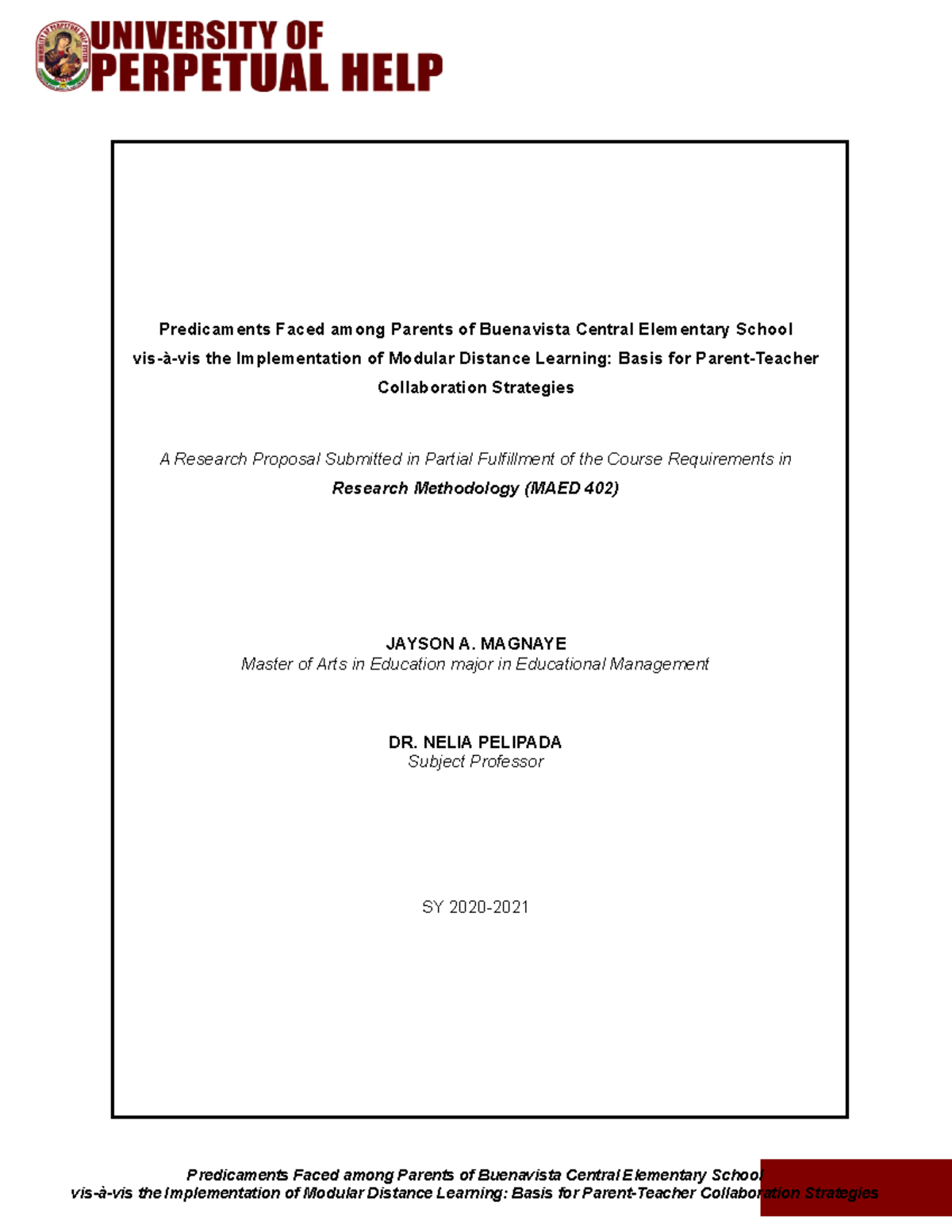
A parent thesis serves as the foundational research framework or overarching primary project—typically led by a Principal Investigator—that provides the data, methodology, and theoretical scope for subordinate student dissertations. In 2026, this collaborative model is the standard for high-impact, multi-disciplinary grants, ensuring doctoral candidates contribute to large-scale longitudinal studies while maintaining individual academic autonomy.
Contents
The integration of a student’s work into a parent thesis (or parent project) requires a sophisticated understanding of intellectual property, data management protocols, and collaborative authorship. As institutional repositories become more interconnected through global AI-driven indexing, the relationship between a "child" dissertation and its "parent" framework must be explicitly documented to ensure academic integrity and citation accuracy.
Defining the Parent Thesis Architecture
The concept of the parent thesis has evolved significantly by 2026. It is no longer merely a "shared lab project" but a structured architectural hierarchy in academic research. This framework allows for a macro-micro relationship where the parent provides the infrastructure—funding, ethical approvals (IRB), and primary data sets—while the student’s work focuses on a specific niche or "nested" hypothesis.
The Macro-Research Ecosystem
At the macro level, the parent thesis represents the "Parent Grant" or the "Primary Study Protocol." For instance, a ten-year study on climate resilience in urban corridors acts as the parent. Individual student theses then branch out into specific variables, such as soil chemistry, local policy impact, or heat island effects.
Theoretical Scoping and Boundaries
Establishing boundaries is critical. The parent framework defines the ontological and epistemological stance of the research. Students must align their individual thesis with these core tenets to maintain consistency across the larger project, which is vital for the eventual synthesis of findings for high-tier journal publications.
Collaborative Research Standards and 2026 Guidelines
Navigating a thesis within a parent project involves adhering to strict international standards for data sharing and transparency. By 2026, most major funding bodies (such as the NIH, NSF, and Horizon Europe) require a formal Data Management Plan (DMP) that specifically outlines how "child" theses interact with "parent" data.
Data Ownership and Stewardship
Under the 2026 Open Science mandates, data generated within a parent thesis framework is often classified as "shared-access primary data." The student acts as a steward of the data they collect, but the "Parent" project retains the overarching rights for longitudinal analysis.
Institutional Intellectual Property (IP) Agreements
Modern graduate departments now require a signed IP agreement before research begins. This document clarifies that while the student owns the copyright to their specific written dissertation, the underlying data may be proprietary to the parent project or the university. This distinction prevents legal disputes during the commercialization or patenting phase of a research breakthrough.
Authorship Hierarchies in 2026
The CRediT (Contributor Roles Taxonomy) system is now mandatory for all collaborative research outputs. When a student publishes a chapter of their thesis that originated from a parent project, they must precisely define their role—whether it was data curation, formal analysis, or investigation—relative to the Principal Investigator’s supervision.
Structural Comparison: Independent vs. Parent-Linked Thesis
Choosing between an independent research path and a parent-linked framework depends on the student’s career goals and the technical requirements of the field.
| Feature | Independent Thesis | Parent-Linked (Child) Thesis |
|---|---|---|
| Data Acquisition | Student must collect all primary data. | Access to large, pre-existing datasets. |
| Funding Source | Individual scholarships/personal funds. | Integrated into the Parent Project grant. |
| IRB/Ethics Approval | Individual application (3–6 months). | Often covered under the Parent Protocol. |
| Research Scope | Limited by individual resources. | Part of a high-impact, multi-site study. |
| Authorship | Usually sole author + supervisor. | Multi-author collaborative teams. |
| Technical Support | Minimal/General lab support. | Dedicated technicians and data scientists. |
| Publication Speed | Generally slower. | Faster due to established pipelines. |
Step-by-Step Integration into a Parent Thesis Framework
For doctoral candidates and research masters students entering a parent-linked program in 2026, following a standardized integration workflow is essential for success.
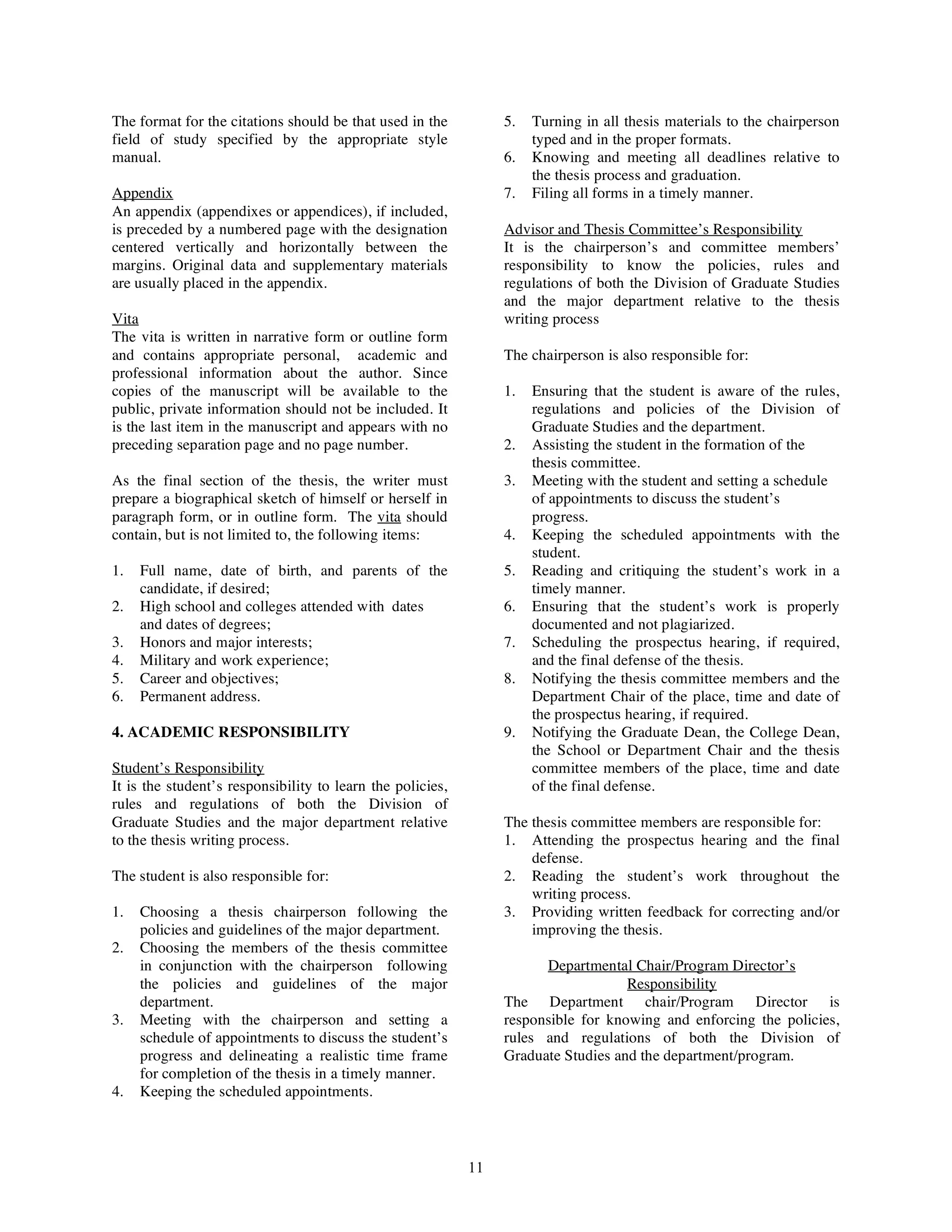
- Framework Alignment Audit: Review the parent project’s primary protocol. Ensure your proposed "child" thesis addresses a specific gap within that protocol without duplicating existing efforts.
- IRB Amendment and Documentation: If the parent project already has ethics approval, you must be added as a co-investigator. Verify that your specific variables are covered under the existing approval or file a "Sub-Study Amendment."
- Data Management Setup: Initialize your specific data silo within the parent project's cloud repository. In 2026, this usually involves setting up a secure, encrypted partition that synchronizes with the project’s main database.
- Mentorship Coordination: Define the roles of your primary supervisor versus the Parent Project's Lead Investigator. Clear communication prevents conflicting feedback on methodology.
- Synthesis and "Sandwiching": If your university allows a "Thesis by Publication," structure your chapters as standalone papers that contribute to the parent project’s overarching goals.
Technical Specifications and Metadata Requirements
In the current academic landscape of 2026, the discoverability of your work depends on how well it is linked to its parent thesis in digital repositories.
- Persistent Identifiers (PIDs): Every child thesis must be linked to the Parent Project’s DOI (Digital Object Identifier) and the PI’s ORCID iD.
- Schema.org Markup: Academic libraries now use specific metadata tags to indicate "isPartOf" relationships. This ensures that when the parent project is cited, your specific contribution is also surfaced by AI research assistants.
- Version Control: Using tools like Git for research documentation is now standard. Changes to the parent project’s methodology must be reflected in the child thesis version history to maintain experimental validity.
Strategic Benefits and Potential Challenges
While the parent thesis model offers significant advantages in terms of resources, it is not without its complexities.
Advantages
The most significant benefit is the acceleration of the research timeline. Students do not need to spend their first year building equipment or negotiating access to restricted populations. Furthermore, being part of a parent project often provides immediate entry into a network of established scholars, facilitating post-doctoral placements.
Potential Risks
The primary risk is loss of autonomy. If the parent project changes direction due to new findings or funding shifts, the student may be forced to pivot their research unexpectedly. Additionally, the "dilution of contribution" is a concern in 2026; students must work harder to demonstrate their individual intellectual "spark" within a massive team effort.
Frequently Asked Questions
What happens if the parent project loses funding before I finish?
In most 2026 academic contracts, "bridge funding" clauses protect graduate students. If the parent grant expires, the university is typically obligated to provide the resources necessary for the student to complete their nested thesis, though the scope may be reduced to focus on existing data.
Can I use the same data for my thesis that the PI uses for a book?
Yes, provided there is a clear "Data Use Agreement" (DUA) in place. The student usually focuses on a specific subset or a different analytical lens than the PI. In 2026, concurrent publication is common, where the student’s thesis explores the technical nuances while the PI’s work addresses the broader policy or theoretical implications.
How do I cite the parent project in my dissertation?
The parent project should be cited in the "Acknowledgements" section and formally in the "Methods" chapter. Use a standard citation format (APA 8th Edition or similar) to reference the primary project protocol or the inaugural paper that established the parent framework.
Is a "Parent Thesis" the same as a "Sandwich Thesis"?
No. A "Sandwich Thesis" (or Thesis by Publication) is a format where the dissertation consists of several published papers. A "Parent Thesis" refers to the relationship between your work and a larger research project. You can have a sandwich thesis that is also part of a parent project.
Do I need a separate IRB for a child thesis?
This depends on the scope. If your research uses only the de-identified data already collected by the parent project, you may qualify for an "Exempt" status or a "Secondary Data Analysis" approval. If you are collecting new data from the same participants, a full amendment or a separate protocol is required.
Final Strategic Recommendation
For researchers in 2026, leveraging a parent thesis framework is the most efficient path toward high-impact results and robust data sets. However, success requires proactive management of intellectual property and a clear delineation of individual contributions. Ensure that your "child" thesis not only supports the parent project but also stands alone as a significant contribution to your field. Prioritize early legal and ethical filings to secure your rights as a primary investigator of your specific research niche.
Image Gallery