Managing Auto Insurance for College Students: A 2026 Guide to Coverage and Savings
Managing auto insurance for college students requires balancing adequate liability protection with the pursuit of specialized discounts. In 2026, most families find that keeping a student on the parent’s policy is more cost-effective t...
Managing auto insurance for college students requires balancing adequate liability protection with the pursuit of specialized discounts. In 2026, most families find that keeping a student on the parent’s policy is more cost-effective than a separate policy. If the student leaves their car at home, you should apply for a "resident student" or "distant student" discount to significantly reduce premiums.
Contents
The Core Decision: To Keep or Remove a Student Driver?
The transition to college marks a significant shift in a young driver's risk profile. For parents, the primary question is whether to maintain the student as a listed driver on the family policy or remove them entirely to save on premiums. In 2026, insurance carriers have refined their data models, but the fundamental rule remains: as long as the student’s permanent legal residence is the parents' home, they should generally remain on the family policy.
Removing a student driver completely can be a costly mistake. If the student comes home for a weekend or a holiday break and gets behind the wheel, they may not be covered under "permissive use" because they are technically a household resident who was intentionally excluded from the policy. This can lead to a total denial of claims in the event of an accident. Instead of removal, most experts recommend adjusting the student's status to "student away at school" if they are attending a university more than 100 miles from home without a vehicle.
Furthermore, maintaining continuous insurance coverage is vital for a young person’s future rates. Insurance companies penalize "lapses in coverage." If a student is removed from a policy for four years and then tries to get their own insurance after graduation, they will be treated as a high-risk applicant with no recent insurance history, leading to significantly higher premiums in their mid-20s.
When the Car Stays Home: Leveraging the "Student Away at School" Discount
If a student attends college and leaves their vehicle at the parents' residence, the family is eligible for one of the most substantial savings in the insurance industry: the Distant Student Discount (sometimes called the "Student Away at School" credit).
By 2026, most major carriers require the school to be a minimum distance from the primary residence—typically 100 miles—to qualify. The logic is simple: the student will have very few opportunities to drive the car, drastically reducing the "on-road" risk. However, the student remains a covered driver for the occasional times they are home.
To secure this discount, insurance companies usually require:
- Proof of enrollment at an accredited two- or four-year institution.
- Verification that the student resides on or near campus during the semester.
- Confirmation that the vehicle remains garaged at the parents' home.
This adjustment can result in premium reductions ranging from 15% to 30%, depending on the carrier and the total number of drivers on the policy. It allows the student to build a "continuous insurance" history while the parents avoid paying for daily commuting risks that no longer exist.
When the Car Goes to College: Navigating New Risks and Locations
When a student takes a vehicle to campus, the insurance dynamics change entirely. This is no longer about finding a "distant student" discount; it is about ensuring the policy accurately reflects the vehicle’s new environment.
The garaging address is a critical factor in premium calculation. If a student moves from a quiet suburban town to a densely populated urban campus like those in Boston, Chicago, or Los Angeles, the risk of theft, vandalism, and minor collisions increases. Failure to notify the insurer that the car is now garaged at a college zip code can be considered material misrepresentation, potentially leading to a denied claim or policy cancellation.
Additionally, students taking cars to college face unique hazards:
- On-Campus Parking: Large parking structures and crowded lots are hotspots for hit-and-run incidents and "fender benders."
- Permissive Use Issues: College students often share chores or rides, but letting a roommate or friend borrow the car is risky. While many policies cover "permissive users," frequent use by a roommate may require that roommate to be listed on the policy, or coverage could be voided.
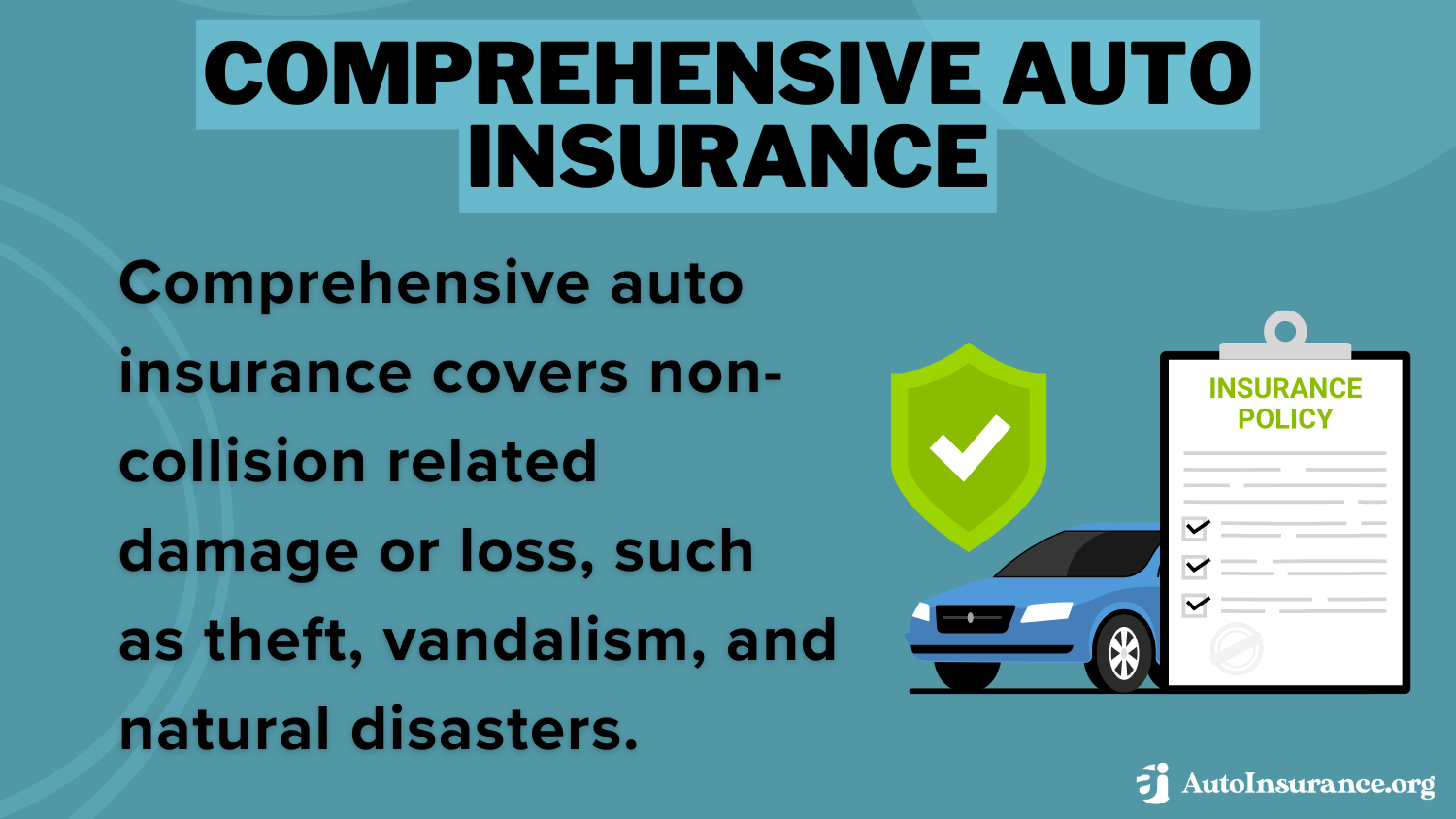
- Theft and Vandalism: High concentrations of unattended vehicles can attract criminal activity. In 2026, insurers strongly recommend maintaining Comprehensive coverage (Other Than Collision) for any vehicle taken to a university campus, even if the car’s market value is declining.
Maximizing Discounts for Young Drivers in 2026
Despite the rising costs of insurance due to vehicle technology and inflation, several strategic discounts remain available for young drivers. Parents should proactively audit their policies every semester to ensure these are applied.
The Good Student Discount
This remains the gold standard for savings. Most insurers offer a discount of 10% to 20% for students who maintain a "B" average (3.0 GPA) or higher. In 2026, many companies have streamlined this process, allowing students to upload digital transcripts directly through a mobile app. This discount often applies until the student reaches age 25, provided they remain in school full-time.
Telematics and Usage-Based Insurance (UBI)
By 2026, telematics programs (like State Farm’s Steer Clear or Progressive’s Snapshot) have become the primary way for young drivers to prove their safety. These programs use smartphone apps to monitor braking, acceleration, speed, and phone usage. For a college student who only drives occasionally or who is a cautious driver, telematics can result in the single largest discount available, sometimes exceeding 30% after a data collection period.
Defensive Driving Courses
Completing a voluntary, state-approved defensive driving course can provide a three-year discount on the liability and collision portions of the premium. Many of these courses are now available in a 100% digital, mobile-friendly format that a student can complete during a break.
Technical Considerations: Garaging Address and State Lines
If the college is in a different state, the complexity of the policy increases. Most of the time, the vehicle can remain on the parents' policy even if it is out-of-state, provided the student is still a legal dependent. However, some states have specific "minimum liability" requirements that differ from the home state.
For example, if a student from Florida (a No-Fault state) goes to school in Georgia (a Tort state), the policy must be adjusted to meet Georgia's legal standards. In 2026, many insurers automatically "read-in" the higher limits required by the state where the accident occurs, but it is safer to verify this with an agent.
If the student registers the car in the new state and obtains a local driver's license, they have effectively established a new residency. At this point, they must obtain their own insurance policy in that state, as they are no longer considered a "resident relative" of the parents' household.
Liability and Coverage Limits: Protecting the Family Assets
One of the most common mistakes parents make is lowering coverage limits to the state minimum to save money on a young driver's premium. In 2026, with the average cost of a new vehicle exceeding $50,000 and medical costs continuing to rise, state minimums are woefully inadequate.
Young drivers have the highest statistical probability of being involved in a multi-vehicle accident or a high-impact collision. If a student is at fault in an accident that exceeds the policy limits, the parents (as the policyholders and often the vehicle owners) can be held personally liable. This could lead to the garnishment of wages or the loss of college savings and home equity.
Recommended Minimum Limits for 2026:
- Bodily Injury: $100,000 per person / $300,000 per accident.
- Property Damage: $100,000 (to cover the high cost of modern EVs and ADAS-equipped vehicles).
- Umbrella Policy: Families with significant assets should consider a $1 million umbrella policy, which provides an extra layer of protection once the auto policy limits are exhausted.
Summary Table: Coverage Strategies for Different Scenarios
| Student Scenario | Recommended Action | Potential Savings | Primary Risk |
|---|---|---|---|
| No car at school (>100 miles away) | Keep on policy; apply for "Student Away" discount. | 15% - 30% | Uninsured use during breaks if excluded. |
| Takes car to campus (In-State) | Update "Garaging Address" to the school zip code. | Varies by zip code | Increased theft and parking lot damage. |
| Takes car to campus (Out-of-State) | Verify out-of-state limits; update garaging address. | Minimal | Non-compliance with state-specific laws. |
| Establishing Residency at School | Move student to their own individual policy. | None (usually costs more) | Loss of "multi-car" and "resident" discounts. |
Common Pitfalls and How to Avoid Them
The most significant pitfall in managing insurance for young drivers is non-disclosure. Parents often fear that telling the insurance company the car is at a city university will raise rates, so they leave the garaging address as the family home. In the insurance world, this is known as "rate evasion." If an accident occurs near campus and the insurer discovers the car has been there for months, they can legally deny the claim, leaving the family to pay for all damages out of pocket.
Another mistake is failing to update the policy once the student graduates. The "Good Student" and "Student Away" discounts disappear the moment the student is no longer enrolled. In 2026, insurance companies use automated databases to verify enrollment status; failing to update the policy can result in back-dated premium charges or a sudden policy non-renewal.
Frequently Asked Questions
Does the "Good Student Discount" apply to graduate school?
Yes, most insurers in 2026 continue to offer the Good Student Discount for graduate, medical, or law school students, provided they are under the age of 25 and enrolled full-time. You will still need to provide a transcript showing the required GPA.
What happens if my child gets a ticket while away at college?
A moving violation will typically impact the entire family policy. Because young drivers are already in a high-risk tier, a speeding ticket or at-fault accident can cause a sharp increase in the premium at the next renewal. Some companies offer "accident forgiveness," but this must often be purchased before the incident occurs.
Should I buy an older "beater" car for my college student to save on insurance?
While an older car may not require Collision or Comprehensive coverage, it lacks the modern safety features (like automatic emergency braking) that qualify for safety discounts. In 2026, the insurance cost difference between a 10-year-old car and a 3-year-old car with advanced safety tech is often smaller than expected because the newer car is less likely to be involved in a major injury claim.
Is my student's personal property in the car covered by auto insurance?
No. Auto insurance covers the vehicle and liability. Items stolen from the car—such as a laptop, backpack, or textbooks—are typically covered under a Parents' Homeowners Insurance or a Renters Insurance policy. Most homeowners' policies provide "off-premises" coverage for a student's belongings while they are living in a dorm.
Final Recommendation
To manage auto insurance effectively for a college student in 2026, the best course of action is to maintain the student on the family policy while utilizing telematics and distant-student credits. Contact your agent at least 30 days before the semester begins to provide the student's new address and current GPA. If the student is not taking a car, ensure they are listed as a "distant student" to preserve their insurance history while minimizing costs. Always prioritize high liability limits over premium savings to protect your family’s financial future from the risks associated with young drivers.
Image Gallery