Barrett’s Esophagus Life Insurance Coverage: 2026 Guide to Rates and Eligibility
Securing life insurance with Barrett’s esophagus is achievable for most individuals, though the specific premium rates depend heavily on the presence and grade of dysplasia. Applicants with well-managed Barrett’s and no dysplasia often...
Securing life insurance with Barrett’s esophagus is achievable for most individuals, though the specific premium rates depend heavily on the presence and grade of dysplasia. Applicants with well-managed Barrett’s and no dysplasia often qualify for Standard or even Standard Plus rates. However, cases involving low-grade or high-grade dysplasia typically result in higher "substandard" premiums or may require a waiting period following successful treatment like radiofrequency ablation.
Contents
Understanding Barrett’s Esophagus in the Context of Life Insurance
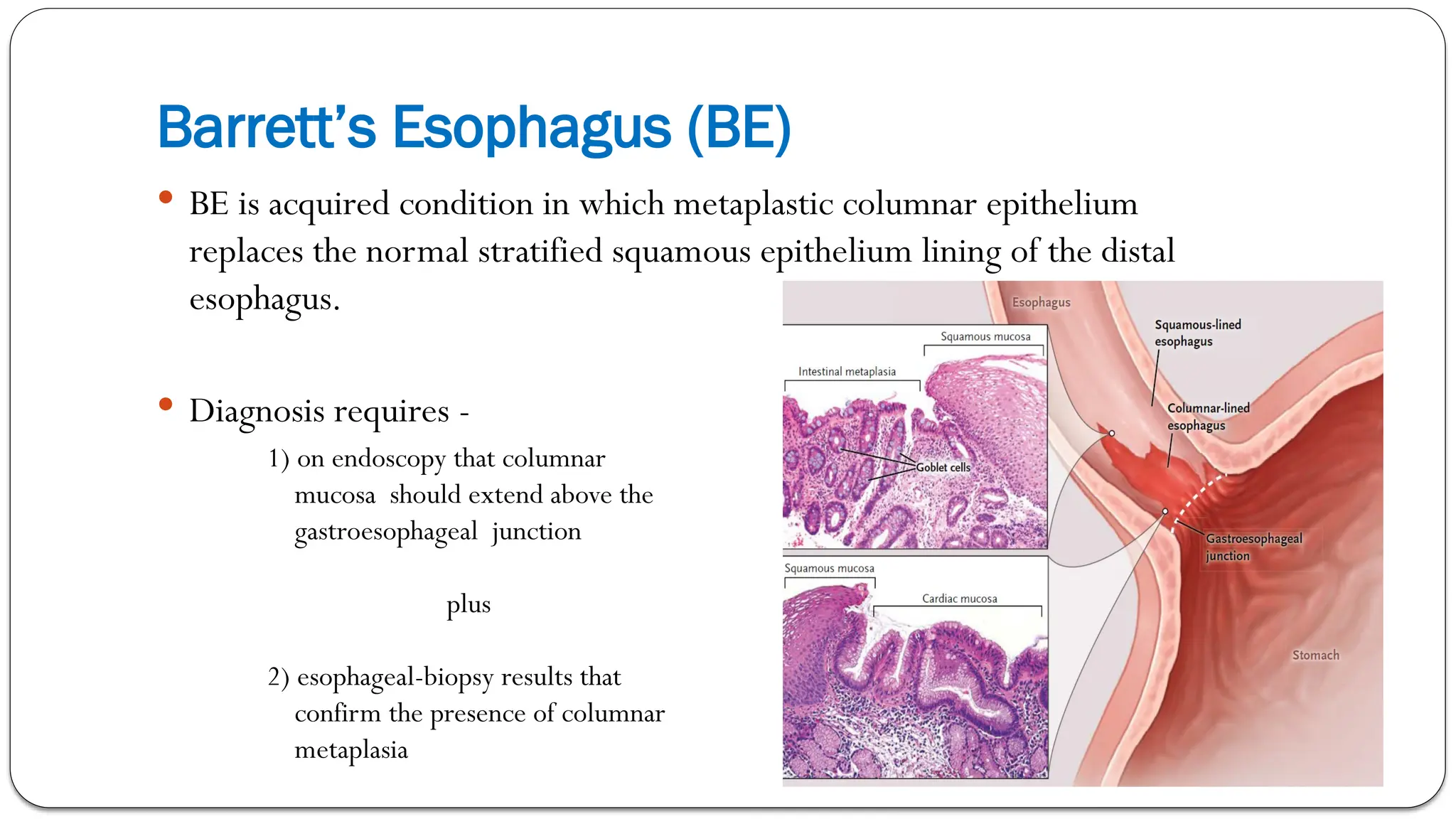
Barrett’s esophagus is a condition in which the flat pink lining of the swallowing tube that connects the mouth to the stomach (esophagus) becomes damaged by acid reflux, which causes the lining to thicken and become red. For life insurance underwriters in 2026, this condition is categorized as a "pre-cancerous" state. While the vast majority of people with Barrett’s esophagus will never develop esophageal cancer, the statistically increased risk means insurance companies must evaluate the condition with high levels of scrutiny.
The primary concern for an underwriter is the potential for adenocarcinoma, a type of cancer that can arise from the altered tissue. Because of this risk, insurance companies do not look at Barrett’s esophagus in isolation. They evaluate it alongside your history of Gastroesophageal Reflux Disease (GERD), your adherence to surveillance schedules (endoscopies), and your lifestyle choices, such as smoking and alcohol consumption.
In 2026, the life insurance industry uses sophisticated data modeling to differentiate between a stable diagnosis and one that is progressing. If your medical records show a consistent history of monitoring and a stable tissue profile, you are viewed as a much lower risk than someone who was recently diagnosed and has not yet established a pattern of care.
Key Underwriting Factors for Barrett’s Esophagus
When you apply for coverage, the insurance company’s medical director will review your "attending physician’s statement" (APS) and your most recent pathology reports. These documents provide the objective data needed to "rate" your policy.
The Role of Dysplasia
Dysplasia refers to the presence of abnormal cells within the Barrett’s tissue. This is the single most important factor in determining your eligibility and rate.
- No Dysplasia: This is the most common and favorable result. It means that while the tissue has changed (metaplasia), the cells do not look precancerous. If your biopsies consistently show no dysplasia, you are a candidate for Standard or Standard Plus rates with many top-tier carriers.
- Low-Grade Dysplasia (LGD): This indicates that cells show early signs of precancerous changes. Underwriters view this with caution. You may still qualify for traditional life insurance, but you should expect a "Table Rating," which is a percentage increase over the standard premium (often 25% to 50% extra).
- High-Grade Dysplasia (HGD): This is the final step before esophageal cancer. Most carriers will postpone an application for coverage until the tissue is treated (usually through ablation or resection) and a follow-up endoscopy shows the esophagus is clear.
- Indeterminate for Dysplasia: Sometimes a pathologist cannot tell if cell changes are due to true dysplasia or just heavy inflammation from acid reflux. In these cases, underwriters usually wait for a follow-up biopsy (often 6 months later) before offering a final rate.
Surveillance and Compliance
Insurers want to see that you are proactive. Regular endoscopies—typically every three to five years for those without dysplasia—are the industry standard. If your doctor recommended an endoscopy two years ago and you haven't had it, an insurance company will likely "postpone" your application until the procedure is completed and results are submitted.
Treatment and Management
How you manage the underlying GERD is also relevant. Underwriters look for:
- Medication Adherence: Are you taking Proton Pump Inhibitors (PPIs) or H2 blockers as prescribed?
- Surgical History: Have you had a Nissen Fundoplication or a LINX procedure to stop reflux? These surgeries can sometimes improve your "risk profile" in the eyes of an insurer because they address the root cause of the tissue damage.
- Ablation History: If you had Radiofrequency Ablation (RFA) to remove Barrett’s tissue, insurers typically want to see at least 12 to 24 months of "clear" follow-up biopsies before offering a Standard rate.
Expected Premium Ratings and Outcomes
Life insurance companies use a "rating" system to price policies. A "Standard" rating means you pay the average price for your age. A "Preferred" rating is a discount, while a "Table Rating" (Table A through Table P) is a surcharge.
| Diagnosis Detail | Likely Underwriting Class | Premium Impact |
|---|---|---|
| Barrett’s, No Dysplasia, Regular Endoscopies | Standard / Standard Plus | Baseline Rates |
| Barrett’s, No Dysplasia, Smoker | Standard Smoker / Table B | 2x - 3x Non-Smoker Rates |
| Low-Grade Dysplasia (Stable) | Table B to Table D | +50% to +100% Surcharge |
| High-Grade Dysplasia (Active) | Postponed / Decline | N/A (Wait for treatment) |
| Post-Ablation (1 Year Clear) | Standard | Baseline Rates |
| Barrett’s with GERD and Obesity (BMI >35) | Table C to Table F | +75% to +150% Surcharge |
Note: These are estimates for 2026. Actual offers depend on the specific carrier's appetite for gastrointestinal risks.
Strategic Steps to Securing the Best Rates
To get the most competitive life insurance quotes with Barrett’s esophagus, you cannot simply apply to the company with the best television commercial. You must use a targeted approach.
1. Gather Your Pathology Reports
Do not guess about your diagnosis. Having the actual pathology report from your last endoscopy allows an agent to shop your case "informally." This means they can ask underwriters at multiple companies for a tentative offer without a formal application appearing on your Medical Information Bureau (MIB) record.
2. Optimize Your Lifestyle Metrics
Since Barrett’s esophagus already puts you in a higher risk pool, you want to ensure other variables are as perfect as possible.
- Tobacco Use: If you have Barrett’s and smoke, your risk of esophageal cancer increases significantly. Many insurers will decline a Barrett’s patient who smokes, or at best, offer very high "substandard" smoker rates.
- Weight Management: A lower BMI reduces abdominal pressure, which helps manage GERD. It also keeps you out of higher "build tables" in insurance underwriting.
3. Use an Independent Broker
Captive agents (those who work for only one company) can only offer you that single company’s guidelines. An independent broker can access 20 or more carriers. Some carriers, such as Prudential or Lincoln Financial, have historically been more "liberal" with gastrointestinal conditions than others.
Alternative Coverage Options if Declined
If your Barrett’s esophagus has progressed to a point where traditional Term or Whole Life insurance is unavailable (such as active High-Grade Dysplasia), you still have options.
- Group Life Insurance: Many employers offer life insurance as a benefit. These policies are usually "guaranteed issue" up to a certain limit (e.g., $50,000 or 1x salary). They do not require a medical exam or a review of your Barrett’s diagnosis.
- Guaranteed Issue (GI) Life Insurance: These are smaller whole life policies (typically maxing out at $25,000 to $50,000) designed for final expenses. There are no medical questions. The trade-off is a higher cost per thousand dollars of coverage and a "graded death benefit" where the full amount is only paid if you die after the first two years of the policy.
- Accidental Death and Dismemberment (AD&D): While not a substitute for life insurance (as it only pays if you die in an accident), it can provide a baseline of protection regardless of your health status.
Frequently Asked Questions
Can I be denied life insurance just for having Barrett’s esophagus?
In 2026, a diagnosis of Barrett's esophagus alone is rarely a reason for an outright denial. However, you can be denied if you have not followed the recommended biopsy schedule, if you have concurrent high-risk factors (like heavy smoking), or if you have unmanaged High-Grade Dysplasia. Most people find coverage, though the price may be higher than average.
How long should I wait to apply after an endoscopy?
If your endoscopy showed "no dysplasia," you can apply immediately. If your endoscopy showed "low-grade" or "high-grade" dysplasia, it is often better to wait until you have a follow-up procedure or treatment. Underwriters prefer to see "stability" over time. A single biopsy is a snapshot; two or three biopsies over several years showing no progression is a trend that insurers love to see.
Does the use of PPIs (like Omeprazole) affect my life insurance rates?
Generally, no. In fact, using PPIs is seen as a positive sign of "compliance" and management of your condition. Insurers would rather see that you are controlling the acid reflux that causes Barrett’s than leaving it untreated.
Will my rates go down if my Barrett’s is "cured" by ablation?
Most insurers will not offer "Preferred" rates immediately after a successful ablation. They typically require a waiting period of 12 to 24 months with clear follow-up endoscopies to ensure the abnormal tissue has not returned. Once that period has passed, you can often apply for a "re-rating" or a new policy at a better class.
Is Term Life Insurance better than Whole Life for Barrett’s patients?
The choice between Term and Whole Life depends on your financial goals, not your medical condition. However, if you are currently being "rated" (charged extra) for your Barrett’s, Term Life is often a better choice because it is cheaper. You can then try to replace it with a lower-cost policy in the future if your medical status improves.
Practical Recommendation
If you have been diagnosed with Barrett’s esophagus, your first action should be to request a copy of your most recent pathology report and your doctor’s summary notes. Once you have these, contact an independent life insurance professional who specializes in "impaired risk" underwriting. Do not submit a formal application until your agent has performed an "informal inquiry" with several carriers. This strategy protects your medical record and ensures you only apply to the company most likely to provide a Standard rating based on your specific biopsy results.
Image Gallery