Stars and Scandals: How Celebrities and Crime Collide
When high-profile public figures become involved in criminal proceedings, the intersection of fame, media intensity, and legal advocacy creates a unique cultural phenomenon. The collision of celebrities and crime reveals how public rel...
When high-profile public figures become involved in criminal proceedings, the intersection of fame, media intensity, and legal advocacy creates a unique cultural phenomenon. The collision of celebrities and crime reveals how public relations, specialized legal defenses, trial by media, and judicial impartiality interact when famous individuals face severe legal scrutiny.
Contents
The Mechanics of Celebrity Crime: Why Fame and Felonies Intersect
The convergence of celebrity status and criminal allegations is rarely a simple matter of individual wrongdoing. It operates within a distinct ecosystem shaped by wealth, social isolation, intense public pressure, and asymmetric power dynamics. Understanding why high-profile individuals frequently find themselves at the center of criminal scandals requires examining both psychological pressures and structural factors.
Public figures often exist within closed social structures where accountability is diminished. Surrounded by paid staff, publicists, and advisers whose financial livelihoods depend on maintaining access, celebrities may develop an inflated sense of impunity or detached reality. This environment can blur ethical and legal boundaries, increasing the likelihood of risk-taking behaviors, financial improprieties, or personal misconduct.
The Celebrity Scandal Triangle:
- High Visibility
- Accelerated Media
- Legal Defense Dynamics
Furthermore, the constant pressure of public scrutiny creates unique psychological vulnerabilities. High-stress environments combined with immediate access to significant financial resources can exacerbate substance abuse, interpersonal disputes, or reckless conduct. When these factors cross into illegal territory, the resulting investigation becomes an immediate public event rather than a standard, quiet legal procedure.
Media Scrutiny and the "Court of Public Opinion"
The primary feature distinguishing celebrity criminal cases from ordinary legal matters is the immediate, overwhelming media coverage. Long before a jury is empaneled or an indictment is unsealed, public perception is actively shaped across digital networks, news broadcasts, and commentary outlets.
From Tabloid Coverage to Continuous Digital Streams
Historically, celebrity scandals unfolded through newspaper headlines and nightly television broadcasts, providing a predictable lag between events and reporting. Today, social media platforms and continuous digital streaming create an instant commentary loop. Every preliminary hearing, motion filing, and courtroom movement is dissected in real time by both professional journalists and independent commentators.
This continuous coverage transforms complex legal disputes into narrative entertainment. Legal proceedings are often framed through simplistic tropes—the fallen icon, the misunderstood victim, or the villainous superstar. While engaging for audiences, this dramatic framing frequently obscures technical legal issues, evidentiary rules, and the statutory burdens of proof required in court.
The Challenge of Judicial Neutrality and Jury Selection
Intense pre-trial publicity poses severe challenges to the constitutional right to a fair trial. When potential jurors are exposed to months of unverified leaks, opinion editorials, and selective evidence, finding an unbiased panel becomes exceptionally complex.
Judges and legal teams must rely on specialized procedures during jury selection (voir dire), including:
- Extensive Written Questionnaires: Evaluating pre-existing knowledge, biases, and media consumption habits of prospective jurors before verbal questioning begins.
- Sequestered Voir Dire: Questioning individual jurors away from the larger pool to prevent preliminary answers from influencing other potential panelists.
- Motion for Change of Venue: Requesting to move the trial location to a jurisdiction less saturated by local media coverage, though digital media has made geographic isolation increasingly difficult.
- Explicit Judicial Admonitions: Issuing strict daily instructions forbidding jurors from conducting online research, reading news coverage, or discussing the case on social media platforms.
Legal Defense Strategies in High-Profile Celebrity Cases
Defending a celebrity against criminal charges requires a dual approach: a rigorous legal defense within the courtroom and a carefully orchestrated crisis communications strategy outside of it. Because public reputational damage can be permanent regardless of the trial outcome, high-profile defense teams operate on two parallel tracks.
Celebrity Legal Defense:
- Courtroom Defense
- Motion to suppress evidence
- Sequestered voir dire
- Rigorous cross-examination
- Crisis PR & Media
- Controlled press releases
- Managing trial narrative
- Mitigating brand loss
Integrating Crisis Public Relations with Courtroom Defense
In standard criminal matters, defense attorneys typically advise clients to remain entirely silent. In celebrity cases, total silence can allow negative narratives to fill the void, permanently destroying a client’s career or public standing before evidence is formally evaluated.
Consequently, legal teams work alongside specialized crisis management firms to execute synchronized strategies:
- Controlled Statements: Issuing concise, legally vetted public statements that assert innocence without waiving constitutional rights or creating statements that prosecutors can use for impeachment.
- Managing the Narrative Window: Timing court filings or public announcements to coincide with specific news cycles to maximize balanced coverage.
- Surrogate Commentary: Utilizing independent legal experts and former prosecutors to explain complex defense arguments to the press, countering prosecution narratives without putting the defendant on record.
The Role of High-Resource Legal Teams
Celebrity defendants generally possess the resources to hire elite criminal defense attorneys, private investigators, jury consultants, and expert witnesses. This financial capacity levels—and sometimes tips—the balance against state prosecution offices that face strict budgetary constraints.
Defense teams use private investigators to independently re-examine physical evidence, re-interview prosecution witnesses, and identify procedural errors in the law enforcement investigation. Jury consultants conduct focus groups and mock trials to test specific defense theories, analyzing which arguments resonate best with particular demographic profiles.
Comparing Standard and High-Profile Celebrity Criminal Proceedings
The mechanics of justice differ substantially when a defendant possesses public prominence and vast financial resources. The following comparison highlights key operational differences between standard criminal trials and high-profile celebrity proceedings.
| Operational Aspect | Standard Criminal Trial | High-Profile Celebrity Trial |
|---|---|---|
| Legal Representation | Appointed public defender or single private attorney with limited investigative staff. | Multi-attorney "Dream Team" featuring specialized trial litigation specialists and private investigators. |
| Jury Selection | Completed in hours or a few days using standard oral voir dire. | Extends over weeks; utilizes deep background checks, specialized consultants, and lengthy written questionnaires. |
| Media & Public Visibility | Local coverage or none; public proceedings attract few outside observers. | Continuous international coverage, live courtroom streaming, and real-time social media commentary. |
| Pre-Trial Publicity | Minimal outside knowledge among prospective jury pool members. | Widespread public awareness, requiring extensive screening for pre-formed biases. |
| Post-Trial Reintegration | Sentence served or acquittal leads to quiet return to private life; focus on probation compliance. | Long-term career rebuilding, brand rehabilitation, ongoing media interest, and potential civil litigation. |
Psychological and Sociological Impact on Audiences
Public fascination with celebrity legal scandals reflects deep psychological dynamics. Audiences do not merely observe these trials as distant news events; they actively process them through parasocial relationships and social comparison mechanisms.
Parasocial Relationships and Iconography
When a public figure is accused of a crime, fans often experience a sense of personal betrayal or cognitive dissonance. The parasocial bond—a one-sided feeling of intimacy built through consuming an artist’s work, interviews, or public persona—forces followers to reconcile their positive perception of the celebrity with serious criminal allegations.
This psychological tension often leads to polarized public reactions. Some fans display hyper-advocacy, dismissing clear evidence as a conspiracy or system bias to protect their internal image of the star. Others pivot to intense condemnation, participating in online call-out culture to publicly distance themselves from the accused figure.
The Role of Schadenfreude
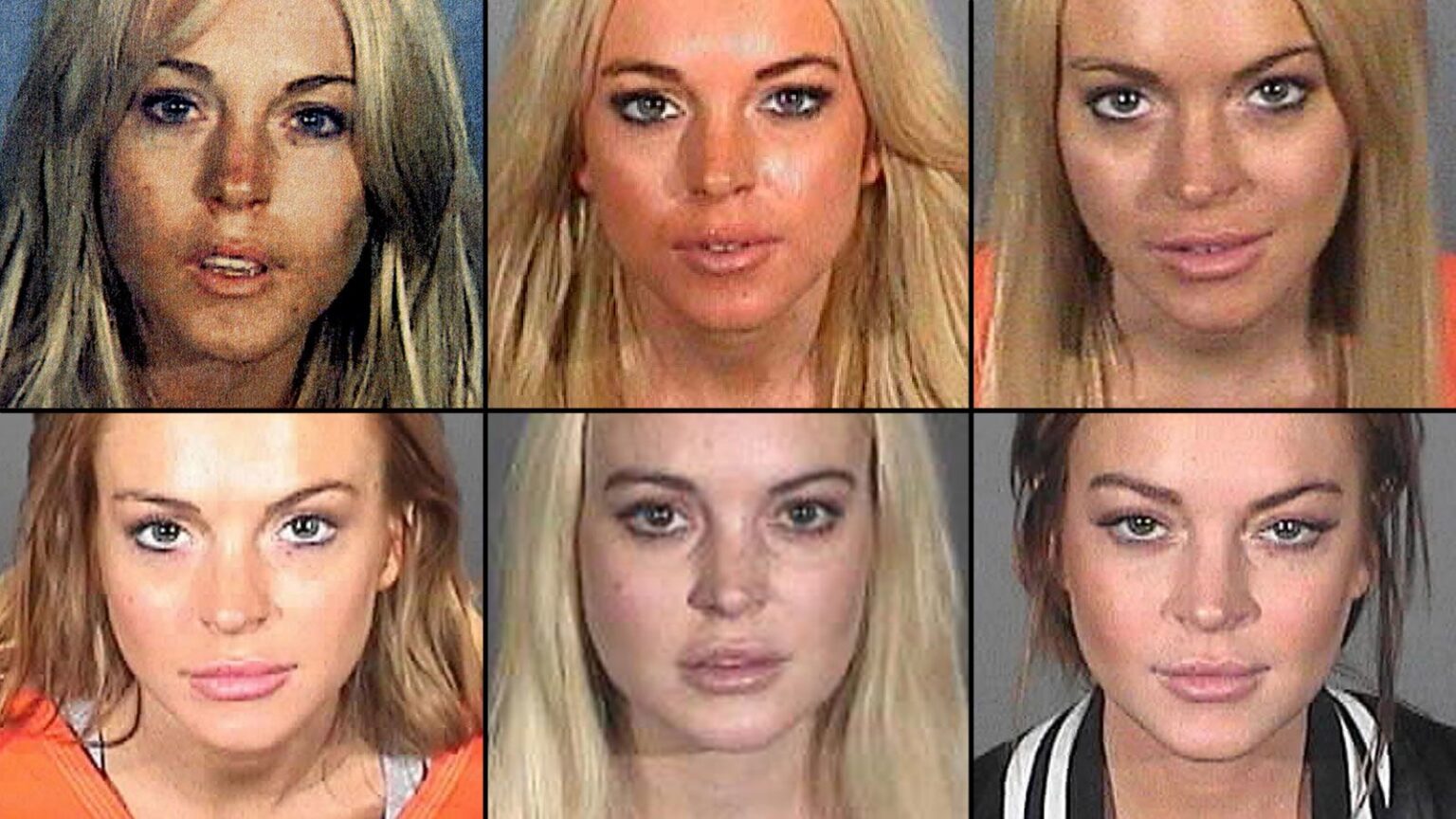
The public reaction to celebrity criminal proceedings is frequently driven by schadenfreude—deriving pleasure from the misfortune of others. When wealthy, influential individuals face arrest, mugshots, hand-cuffs, and stern judicial rebukes, it creates a temporary sense of social equalization.
"High-profile trials serve as a public arena where society debates moral standards, power dynamics, and the boundaries of legal equality."
For many viewers, seeing powerful icons brought before the court reinforces the principle that laws apply universally, even if systemic disparities often complicate that ideal in practice.
Legal and Ethical Challenges Facing the Justice System
Celebrity crime cases put immense strain on the legal system, testing statutory procedures, judicial ethics, and public confidence in the administration of justice.
Systemic Impact on Justice:
- Equal Protection vs. Resource Disparities
- Judicial Management of Camera/Media Access
- Gag Orders & First Amendment Balancing
- Potential Jury Contamination in the Digital Age
Resource Asymmetry and Equal Protection
The U.S. Constitution guarantees equal protection under the law, yet the stark disparity between indigent defendants and high-net-worth celebrities highlights structural inequalities. While public defenders often handle hundreds of active cases simultaneously with minimal investigative budgets, a celebrity defense team can deploy dozens of specialists to challenge every piece of physical evidence and procedural step.
This resource gap does not guarantee an acquittal, but it ensures that every constitutional safeguard, evidentiary technicality, and procedural avenue is fully litigated. This dynamic frequently leads to favorable plea bargains or drawn-out pre-trial motions that standard defendants cannot afford to pursue.
Cameras in the Courtroom and Gag Orders
Judges presiding over high-profile trials face a delicate balancing act between the public’s First Amendment right to open judicial proceedings and the defendant’s Sixth Amendment right to a fair, impartial trial.
To maintain order and protect trial integrity, presiding judges frequently issue restrictive orders:
- Gag Orders: Directing prosecutors, defense attorneys, law enforcement officers, and court personnel not to speak with media outlets outside of formal court filings.
- Media Management Orders: Restricting camera angles, limiting the number of media outlets in the courtroom, or banning electronic recording devices entirely to prevent circus-like atmospheres.
When cameras are allowed in the courtroom, attorneys and witnesses may alter their presentation style, pitching arguments to the public audience watching the broadcast rather than focusing exclusively on the jury and judge.
Practical Guidelines for Analyzing High-Profile Legal Coverage
Navigating news coverage of celebrity crime requires critical consumption to separate legal reality from sensationalized media narratives. Observers can evaluate high-profile trials more objectively by following key principles:
- Distinguish Between Court Filings and Media Statements: Unsworn statements made at press conferences or on social media carry no evidentiary weight. Focus on signed affidavits, formal motions, and sworn testimony delivered subject to cross-examination under perjury penalties.
- Understand the Standard of Proof: Media commentary often judges guilt on a "preponderance of narrative," whereas criminal convictions require proof "beyond a reasonable doubt." A weak public defense does not automatically mean the prosecution has met its high statutory burden.
- Recognize Procedural Motions: Many pre-trial rulings focus on statutory interpretation, search warrant validity, or constitutional procedure rather than immediate declarations of innocence or guilt. Dismissals based on procedural errors reflect legal rules, not necessarily an endorsement of the defendant's conduct.
- Consult Independent Legal Analysts: Seek out objective commentary from credentialed legal scholars, former judges, or practicing defense attorneys who have no personal or commercial interest in the trial's outcome.
Frequently Asked Questions
Why do celebrity criminal trials take much longer to reach trial than standard cases?
High-profile cases involve extensive pre-trial litigation. Defense teams with substantial resources file numerous motions to suppress evidence, challenge search warrants, request changes of venue, and evaluate potential juror bias. Additionally, complex expert witness evaluations and extensive jury selection procedures significantly lengthen the timeline.
What is a gag order, and how does it affect celebrity cases?
A gag order is a judicial directive prohibiting attorneys, parties, and witnesses from speaking publicly about an ongoing court case. In celebrity proceedings, judges issue gag orders to prevent trial participants from influencing the potential jury pool through press statements or public relations campaigns.
How do courts select an impartial jury when a celebrity trial is nationally broadcast?
Courts use expanded jury pools, detailed written questionnaires, and individual voir dire to screen out individuals with fixed opinions. Judges do not require prospective jurors to be completely ignorant of the case, but rather capable of setting aside prior knowledge and deciding the verdict solely on courtroom evidence.
Can a celebrity be retried if a high-profile case ends in a mistrial due to a hung jury?
Yes. If a jury cannot reach a unanimous verdict, the judge declares a mistrial due to a hung jury. Because a hung jury does not constitute an acquittal, the prosecution retains the legal right under the Fifth Amendment's Double Jeopardy clause to retry the defendant on the same charges.
How does pre-trial publicity impact the outcome of criminal trials?
Extensive pre-trial publicity can create negative public bias before evidence is presented. While judges instruct juries to focus only on admitted trial evidence, high exposure to unverified news reports or social media leaks can unconsciously shape how jurors evaluate witness credibility and physical evidence.
Final Guidance and Next Actions
Understanding the collision of stars, crime, and public scandals requires looking beyond dramatic headlines to analyze the underlying legal, media, and structural mechanics. For researchers, legal observers, and media consumers analyzing high-profile legal matters, maintaining analytical objectivity is essential.
To track and analyze celebrity legal proceedings accurately:
- Access primary court records directly via official judicial dockets, such as PACER (Public Access to Court Electronic Records) for federal matters or local county court portals for state charges.
- Review applicable statutory codes to understand the specific elements prosecutors must prove for each charge.
- Distinguish between media coverage designed for engagement and procedural legal filings that govern the actual outcome of the case.
By grounding analysis in primary legal documentation and constitutional principles, observers can clearly understand how justice operates when high-profile fame and criminal law intersect.
EDITORIAL CATEGORY METADATA:
Image Gallery