The Truth About Mercury Auto Insurance: Pricing, Claims, and Stability in 2026
Mercury Insurance provides a middle-ground alternative to industry giants, focusing on competitive pricing and a robust independent agent network. While it offers significant savings for low-risk drivers and specialized coverage like m...
Mercury Insurance provides a middle-ground alternative to industry giants, focusing on competitive pricing and a robust independent agent network. While it offers significant savings for low-risk drivers and specialized coverage like mechanical breakdown protection, its regional availability and mixed claims satisfaction scores mean it is best suited for cost-conscious drivers in specific states.
Contents
Choosing an auto insurance provider in 2026 involves navigating a landscape of high-tech telematics and fluctuating premiums. Mercury General Corporation, founded in 1961 by George Joseph, has long positioned itself as a "low-cost" specialist. However, the truth about Mercury auto insurance is more nuanced than a simple price tag. It is a company that balances traditional customer service via independent agents with modern data-driven pricing models. To understand if Mercury is the right fit, one must look at its financial foundations, its unique coverage offerings, and the reality of its claims-handling reputation.
The Financial Foundation and Market Position
The first "truth" to establish about Mercury Insurance is its financial reliability. In the insurance industry, a company’s ability to pay out claims is measured by its financial strength rating. As of 2026, Mercury consistently maintains an A (Excellent) rating from AM Best. This indicates a stable financial outlook and a high capacity to meet its ongoing insurance obligations.
Unlike "direct-to-consumer" companies that spent decades and billions on television advertising to build brand recognition, Mercury grew primarily through a network of independent agents. This model allows Mercury to keep its overhead lower than some competitors, passing those savings to the consumer. However, because it relies on independent agents, the "Mercury experience" can vary significantly depending on the specific agent you choose. These agents are not Mercury employees; they are independent businesses that sell Mercury policies alongside other brands.
Decoding Mercury’s Coverage Options
Most drivers look for the standard trio of liability, collision, and comprehensive coverage. Mercury provides these, but the "truth" behind their value proposition often lies in their specialized add-ons.
Mechanical Breakdown Protection
One of Mercury’s most distinct offerings is its Mechanical Breakdown Protection (MBP). Often compared to an extended vehicle warranty, MBP covers the cost of certain repairs after the manufacturer’s warranty expires. In 2026, as vehicle repair costs have surged due to advanced sensor technology and specialized parts, this coverage has become a focal point for Mercury policyholders. It covers major components like the engine, transmission, and electrical systems, providing a layer of protection that many standard auto insurers do not offer directly.
Ride-hailing Coverage
Mercury was an early adopter of specialized coverage for TNC (Transportation Network Company) drivers, such as those for Uber and Lyft. Standard personal auto policies typically exclude coverage while a driver is "on the app." Mercury’s ride-hailing insurance closes the "gap" between personal insurance and the high-deductible commercial insurance provided by the ride-sharing platforms.
MercuryGO: The Telematics Reality
By 2026, usage-based insurance (UBI) has become standard. Mercury’s version, MercuryGO, is a mobile app that monitors driving behavior. The truth about MercuryGO is that it offers a double-edged sword:
- The Discount: Safe drivers can see significant discounts (often up to 10% for signing up and more upon renewal).
- The Data: The app tracks speed, braking, acceleration, and phone usage. For drivers who frequently commute in heavy traffic or late at night, these data points might actually limit the potential for discounts compared to a traditional flat-rate policy.
Pricing Structures and Discount Opportunities
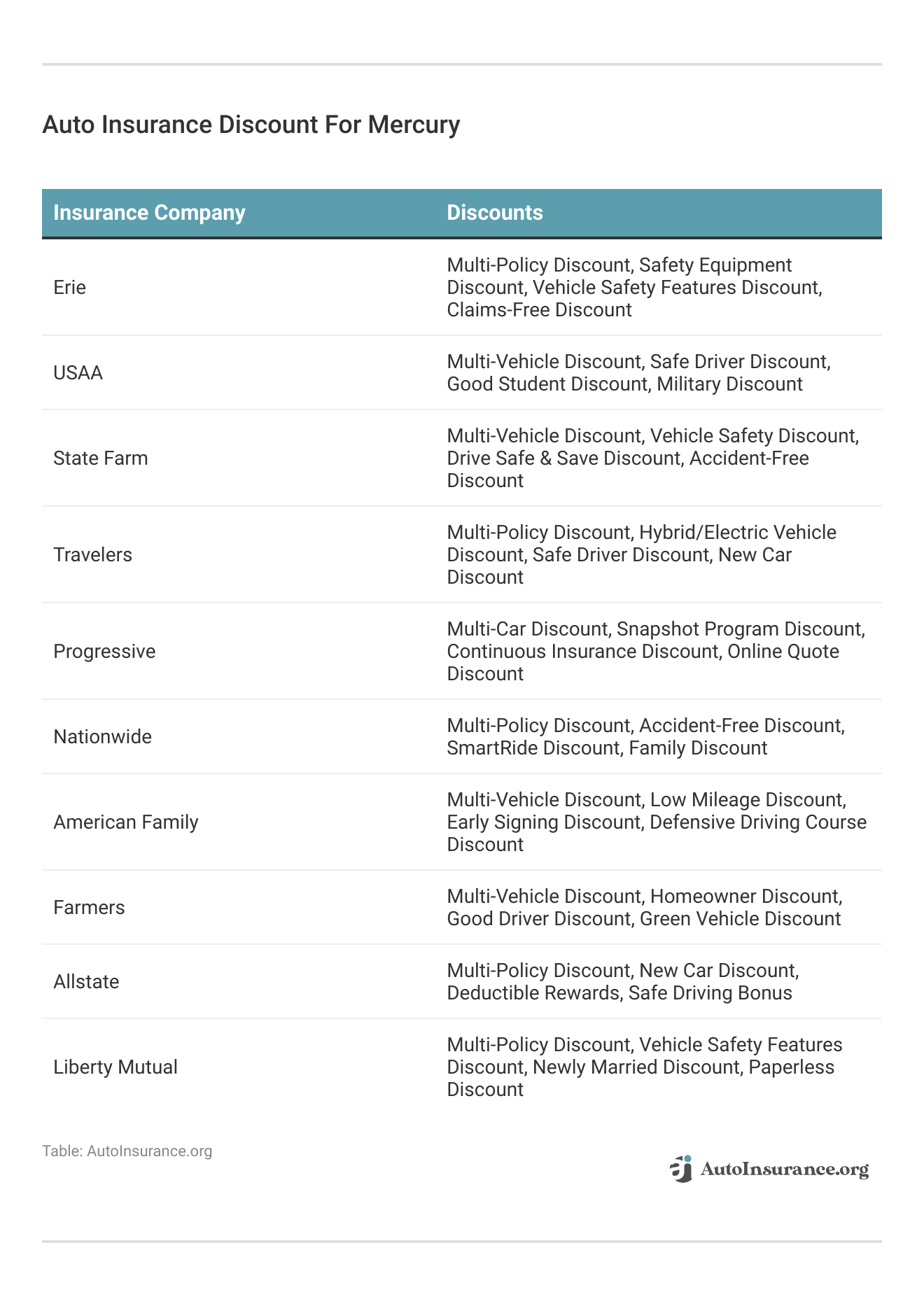
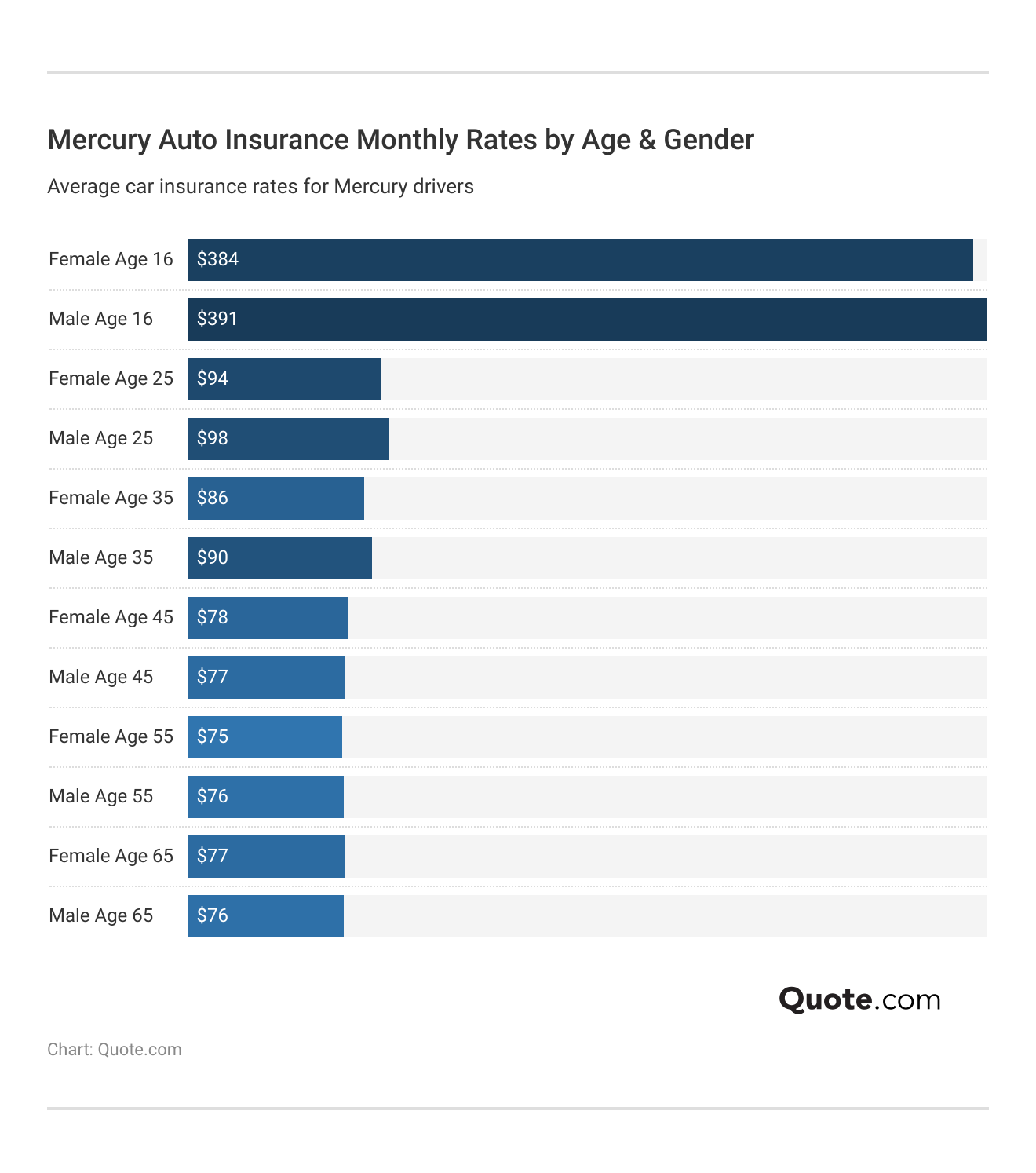
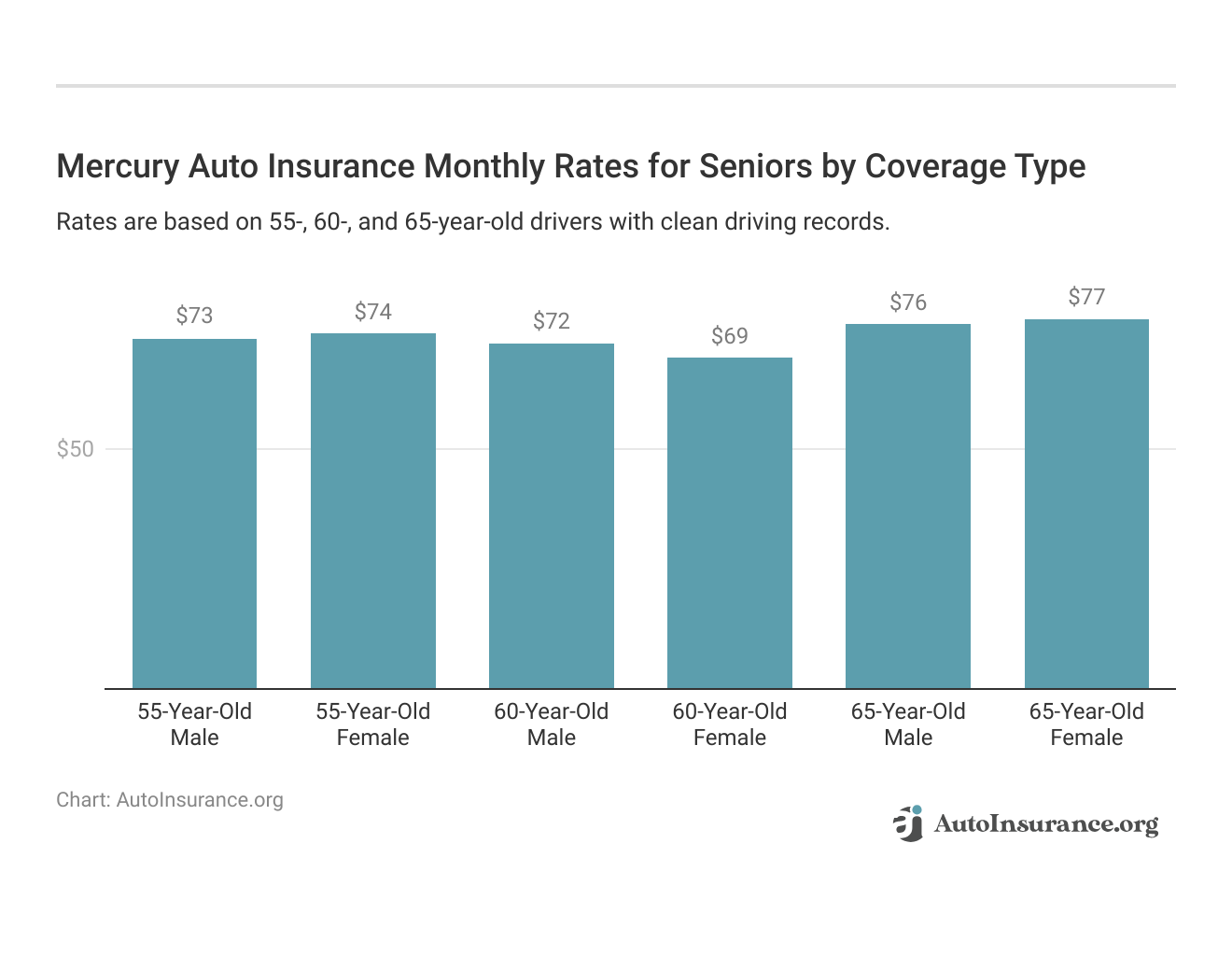
Mercury is frequently cited as one of the most affordable carriers for drivers with clean records. They utilize a highly granular underwriting process. This means they are very good at identifying "low-risk" drivers and offering them lower rates, but they may be less competitive for drivers with recent at-fault accidents or multiple moving violations.
| Discount Category | Potential Impact | Requirement/Detail |
|---|---|---|
| Multi-Policy | High | Combining auto with homeowners or renters insurance. |
| Good Student | Moderate | Full-time students maintaining a "B" average or higher. |
| Anti-Theft | Low | Installation of GPS tracking or active alarm systems. |
| MercuryGO | Variable | Participation in the telematics app-based tracking program. |
| Professional/Group | Moderate | Membership in certain professional organizations or alumni groups. |
| E-Signature | Low | Discount for completing all documentation digitally. |
The "truth" about their pricing is that it is regional. Mercury does not operate nationwide. As of 2026, they are most prominent in California, followed by states like Texas, Florida, New Jersey, and New York. Because insurance laws vary wildly between these states, a "cheap" Mercury quote in Los Angeles does not guarantee a competitive rate in Albany.
The Reality of Claims Satisfaction
When discussing "the truth" about any insurance company, the claims process is the most critical and often the most criticized component. According to historical data from J.D. Power’s U.S. Auto Claims Satisfaction Studies, Mercury typically lands in the middle of the pack—often slightly below the industry average for "overall satisfaction."
What does this mean for the consumer?
- The Adjuster Interaction: Mercury uses a mix of in-house adjusters and third-party contractors. This can sometimes lead to inconsistencies in how quickly a vehicle is inspected.
- Repair Network: Mercury has a "Direct Repair Program" (DRP). Using these shops can streamline the process and often comes with a guarantee on the work, but consumers always have the legal right to choose their own repair facility.
- The "Tough" Reputation: Some independent reviews and consumer advocacy groups suggest that Mercury can be more rigorous (or "tougher") in their claims investigations compared to premium carriers like Chubb or Amica. They are known for strictly adhering to policy language, which helps keep premiums low for the pool of insured drivers but can be frustrating during a complex claim.
Regional Limitations and Availability
A common misconception is that Mercury is a national powerhouse on the level of Geico. The truth is that Mercury is a regional specialist. If you move from a state where Mercury operates to one where they don't, you will be forced to switch carriers.
Currently, Mercury provides auto insurance in the following states:
- Arizona
- California
- Florida
- Georgia
- Illinois
- Nevada
- New Jersey
- New York
- Oklahoma
- Texas
- Virginia
By focusing on these specific markets, Mercury can tailor its underwriting to local trends—such as the high rate of uninsured motorists in Florida or the specific wildfire-related risks in California that affect their bundled homeowners' products.
Comparison: Mercury vs. National Competitors
To see where Mercury truly stands in 2026, it is helpful to compare them across several key metrics against the "Big Four" (State Farm, Geico, Progressive, and Allstate).
| Feature | Mercury Insurance | National "Big Four" |
|---|---|---|
| Agent Model | Independent (Local Experts) | Captive or Direct-to-Consumer |
| Pricing | Highly Competitive for Clean Records | Broadly Competitive |
| App Sophistication | High (MercuryGO focus) | Industry-Leading |
| Financial Strength | A (Excellent) | A to A++ |
| Availability | 11 States | 50 States |
| Extra Perks | Mechanical Breakdown Protection | Limited/Third-Party Warranties |
Common Mistakes When Buying Mercury Insurance
When prospective policyholders look for "the truth," they often overlook how their own choices impact the experience.
- Underinsuring: Because Mercury is marketed as a low-cost leader, many people opt for the state-minimum liability limits. In 2026, with the average cost of a new car exceeding $50,000, state minimums are rarely enough.
- Ignoring the Agent: Since Mercury relies on independent agents, the person you buy from is your primary advocate. Choosing an agent who is unresponsive will lead to a poor experience, regardless of Mercury's corporate policies.
- Failing to Update Telematics: If you sign up for MercuryGO, you must actually use the app. Failure to maintain the app's connection can result in the loss of your "participation" discount at renewal.
Frequently Asked Questions
Is Mercury Insurance only available in California?
While California is Mercury's home state and largest market, it is not the only one. In 2026, Mercury operates in 11 states, including major markets like Texas, Florida, and New York. However, their product offerings and discount structures can vary significantly by state.
How does Mercury’s Mechanical Breakdown Protection differ from a warranty?
Mercury’s MBP is an insurance product, meaning it is regulated by state insurance departments. This often provides more consumer protection than a third-party vehicle service contract (warranty). It allows you to take your car to any licensed repair facility in the U.S. or Canada, and Mercury pays the shop directly for covered repairs.
Does Mercury Insurance offer 24/7 customer service?
Mercury offers 24/7 claims reporting via their hotline and mobile app. However, because they rely on independent agents for policy management, you may need to wait for standard business hours to speak with your specific agent regarding policy changes, billing questions, or coverage updates.
Can I get a discount if I have an electric vehicle (EV)?
Yes, Mercury has adapted its underwriting in 2026 to offer specific considerations for EVs. This often includes discounts for certain safety features standard in EVs and integration with MercuryGO to track efficient driving habits, though the "EV discount" itself varies by the specific state’s regulatory filings.
What happens to my Mercury policy if I have an at-fault accident?
Mercury, like most carriers, will likely increase your premium at the next renewal following an at-fault accident. However, they do offer a "First Accident Waiver" program in some states for long-term policyholders who have remained accident-free for a set period (usually 3 to 5 years).
Final Recommendation: Is Mercury Right for You?
The truth about Mercury auto insurance is that it is a specialized tool. If you live in one of the 11 states they serve, have a relatively clean driving record, and value the advice of a local independent agent, Mercury often provides the best "bang for your buck." Their Mechanical Breakdown Protection is a standout feature for those driving older vehicles or cars out of warranty.
However, if you prioritize a seamless, 100% digital claims experience or require a carrier that can follow you across all 50 states, you may find Mercury’s regional focus and middle-of-the-road claims satisfaction scores limiting. Before signing, always compare a Mercury quote against at least two national carriers and one other regional player to ensure the "low cost" truly applies to your specific risk profile.
Image Gallery