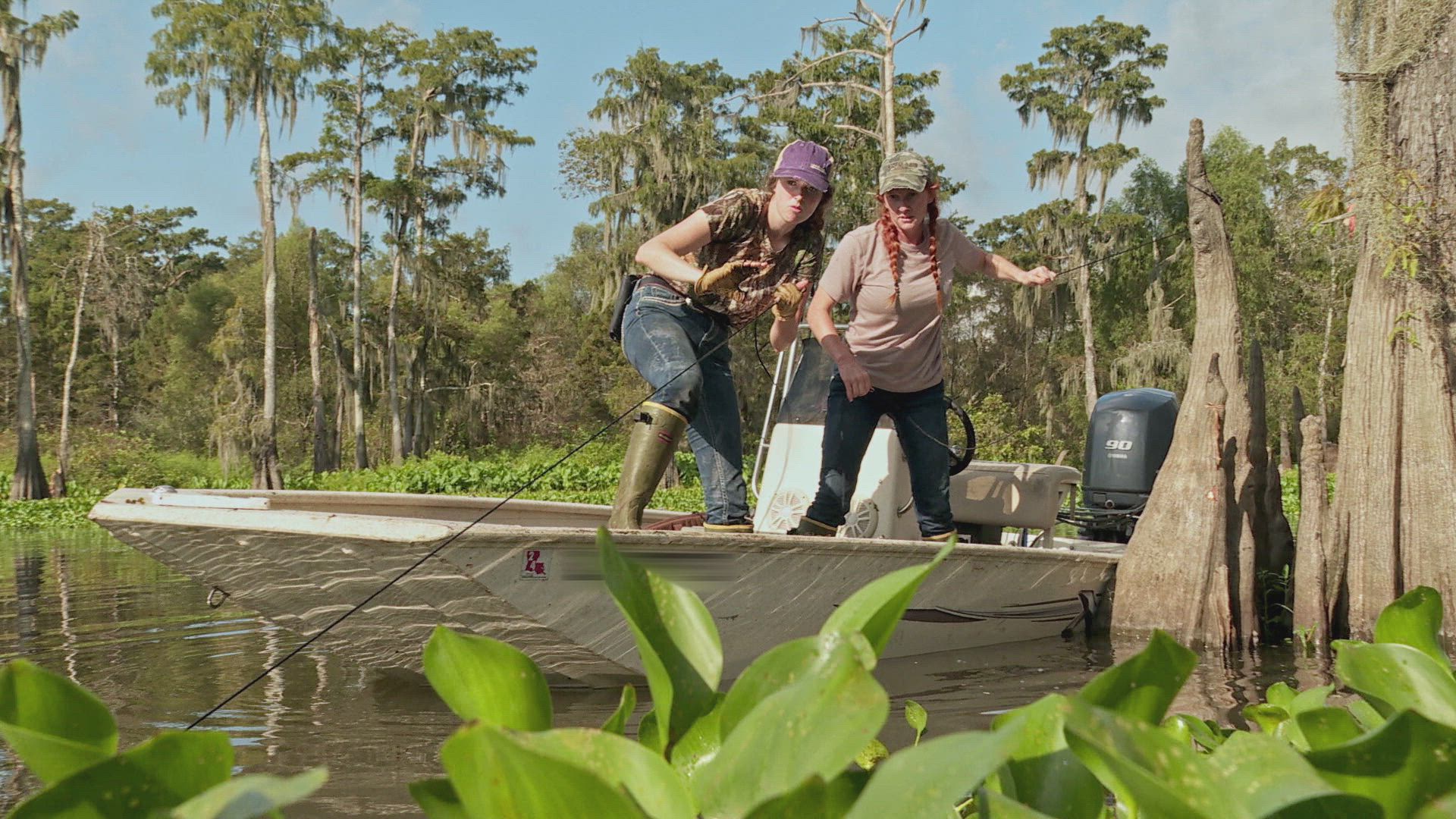
Willie Edwards Swamp People: Journey, Skills, and Life on the Bayou
Willie Edwards is one of the most recognizable and skilled alligator hunters featured on the History Channel hit reality television series Swamp People. Operating primarily in the dense wetlands of Louisiana, he has earned a reputation...
Willie Edwards is one of the most recognizable and skilled alligator hunters featured on the History Channel hit reality television series Swamp People. Operating primarily in the dense wetlands of Louisiana, he has earned a reputation for precision, composure, and a deep respect for the ecosystem during the grueling annual alligator hunting season.
Contents
The Origins of Willie Edwards on Swamp People
Willie Edwards became a fan-favorite cast member through his appearances on Swamp People, which chronicles the lives of commercial alligator hunters in the Atchafalaya Basin. Long before television cameras arrived, commercial alligator hunting was a way of life deeply embedded in the culture of southern Louisiana. Edwards grew up navigating the winding bayous, learning the intricate behaviors of the American alligator (Alligator mississippiensis) from seasoned local generations.
The integration of Edwards into the series brought a level of authentic craftsmanship to the screen. Unlike dramatized depictions of wildlife management, the show highlights the strict regulatory environment governed by the Louisiana Department of Wildlife and Fisheries (LDWF). Edwards consistently demonstrates adherence to these legal quotas, tag allocations, and humane dispatch methods, reinforcing the sustainability of modern swamp harvesting.
Core Alligator Hunting Techniques and Equipment
Succeeding in the Atchafalaya Basin requires specialized gear and an intimate understanding of tidal shifts, water temperatures, and marsh geography. Willie Edwards utilizes traditional techniques refined over decades of commercial experience, paired with modern tools mandated by state safety laws.
- Baited Lines and Hooks: The primary method involves setting heavy-duty lines anchored to sturdy cypress trees or wooden stakes, baited with raw meat such as chicken or nutria to attract territorial gators.
- Firearms and Dispatch Tools: For safety and precision, hunters rely on specific calibers, most commonly .22-rimfire rifles or bangsticks, to humanely dispatch the animal once brought to the boat's edge.
- Flat-Bottomed Skiffs: Shallow-draft aluminum boats equipped with outboard motors allow hunters to glide across inches of murky water, navigating cypress knees, hyacinths, and submerged hazards.
- Tagging Systems: Every harvested alligator must be immediately tagged with a state-issued hide tag before the carcass can be transported out of the marsh.
| Equipment / Method | Primary Purpose | Operational Advantage |
|---|---|---|
| Baited Trotlines | Securing gators overnight | Maximizes efficiency across multiple territorial zones |
| Flat-Bottom Skiff | Navigating shallow marshlands | Accesses remote areas impassable to standard vessels |
| Bangstick | Humane and rapid dispatch | Ensures crew safety during close-quarters retrieval |
| LDWF Hide Tags | Legal compliance | Tracks harvest quotas for conservation management |
Navigating the Dangers of the Louisiana Swamps
The environment depicted on Swamp People is as perilous as it is beautiful. Willie Edwards faces numerous occupational hazards daily, ranging from unpredictable wildlife to mechanical failures miles from civilization.
Venomous snakes such as cottonmouths and timber rattlesnakes frequently inhabit the same brush where lines are set. Furthermore, managing an agitated, 500-pound alligator in a confined aluminum boat introduces severe risks of severe bite injuries, tail strikes, or capsizing. Environmental factors also play a massive role; sudden Louisiana squalls, oppressive summer heat, and dense swarms of mosquitoes test the physical endurance of any crew.
To mitigate these risks, experienced hunters emphasize situational awareness, reliable communication devices, and proper crew coordination. Edwards has long maintained a reputation for keeping a cool head under pressure, an essential trait when handling dangerous wildlife in remote territory.
The Business and Culture of Commercial Alligator Harvesting
Commercial alligator farming and wild harvesting form a vital economic engine for rural Louisiana parishes. The industry operates under strict conservation frameworks established in the 1970s that successfully brought the American alligator back from the brink of extinction through regulated commercial use.
Hunters like Willie Edwards generate income through two primary avenues: hide sales to international luxury leather markets and meat sales to regional and national seafood distributors. Alligator tail meat has become a staple of Cajun cuisine, prized for its lean, mild flavor profile that resembles a cross between chicken and fish.
| Economic Aspect | Market Driver | Sustainability Impact |
|---|---|---|
| Hide Valuation | Luxury fashion and accessories | Incentivizes landowners to protect wetland habitats |
| Meat Production | Culinary tourism and export | Full utilization of the harvested animal |
| Tag Allocation | LDWF conservation quotas | Controls population stability based on annual surveys |
Comparing Wild Hunting vs. Alligator Farming
While reality television focuses heavily on wild swamp harvesting, the broader alligator industry relies heavily on captive-bred farming operations. Understanding the distinction clarifies the unique role that traditional hunters play in modern commerce.
- Habitat Conservation: Wild hunting gives landowners a financial incentive to preserve natural wetlands rather than draining them for development. Farming utilizes controlled facilities with high feed-to-weight conversion ratios.
- Hide Quality: Wild alligators occasionally exhibit minor skin imperfections due to encounters with submerged branches and territorial fights, whereas farm-raised hides often provide flawless, pristine leather for high-end designers.
- Seasonality: Wild harvesting is strictly restricted to the state-mandated 30-day season in September, whereas farming operations produce hides and meat year-round.
Frequently Asked Questions About Willie Edwards and Swamp People
What is Willie Edwards' role on Swamp People?
Willie Edwards is a veteran commercial alligator hunter featured prominently on the television series, known for his expert boat handling, calm demeanor, and deep knowledge of the Atchafalaya Basin. He represents the traditional, family-oriented approach to Louisiana bayou life.
How dangerous is alligator hunting on the show?
Alligator hunting carries extreme occupational hazards, including attacks from large reptiles, severe weather, venomous snakes, and remote isolation. Experienced hunters minimize these risks through strict adherence to safety protocols and decades of local expertise.
Are the hunts on Swamp People regulated by the government?
Yes, all harvesting depicted on the show is heavily regulated by the Louisiana Department of Wildlife and Fisheries (LDWF). Hunters must operate within strict seasonal windows and utilize mandatory state-issued tags for every animal caught.
What happens to the alligators after they are caught?
Once harvested and properly tagged, the alligators are processed for both their hides, which are sold to the leather and fashion industries, and their meat, which is distributed to restaurants and markets.
Is Willie Edwards still active on Swamp People?
Willie Edwards remains an enduring figure within the franchise's history, celebrated by fans for his dedication to preserving authentic Cajun traditions and sustainable marshland practices.
Preserving the Legacy of Bayou Culture
The enduring popularity of Willie Edwards on Swamp People highlights a broader cultural appreciation for the unique heritage of southern Louisiana. Beyond the television drama, the daily grind of the swamp reflects a sustainable symbiotic relationship between humans and nature. By respecting the strict ecological boundaries set by wildlife authorities, hunters ensure that the traditions of the bayou endure for future generations. Supporting regional fisheries, respecting conservation laws, and recognizing the expertise of generational outdoorsmen remains essential to keeping this distinct American subculture alive.
Image Gallery