Hendra Gunawan: A Defining Force in Indonesian Painting and Cultural Identity
Hendra Gunawan (1918–1983) stands as one of the most significant figures in 20th-century Indonesian art, celebrated for his deeply evocative, expressionistic portrayals of the Indonesian people and their struggles. His life’s work serv...
Hendra Gunawan (1918–1983) stands as one of the most significant figures in 20th-century Indonesian art, celebrated for his deeply evocative, expressionistic portrayals of the Indonesian people and their struggles. His life’s work serves as a bridge between the revolution for national independence and the subsequent evolution of modern Indonesian identity, blending traditional cultural motifs with a distinct, politically charged aesthetic.
Contents
The Life and Evolution of a Revolutionary Artist
Born in Bandung in 1918, Hendra Gunawan’s early life was marked by a fervent desire to see Indonesia free from colonial rule. His artistic journey began in an era where the nation was actively constructing its own identity. Unlike many of his contemporaries who looked primarily toward European modernism for inspiration, Gunawan turned his gaze inward, focusing on the lives of common people: peasants, street vendors, freedom fighters, and traditional performers.
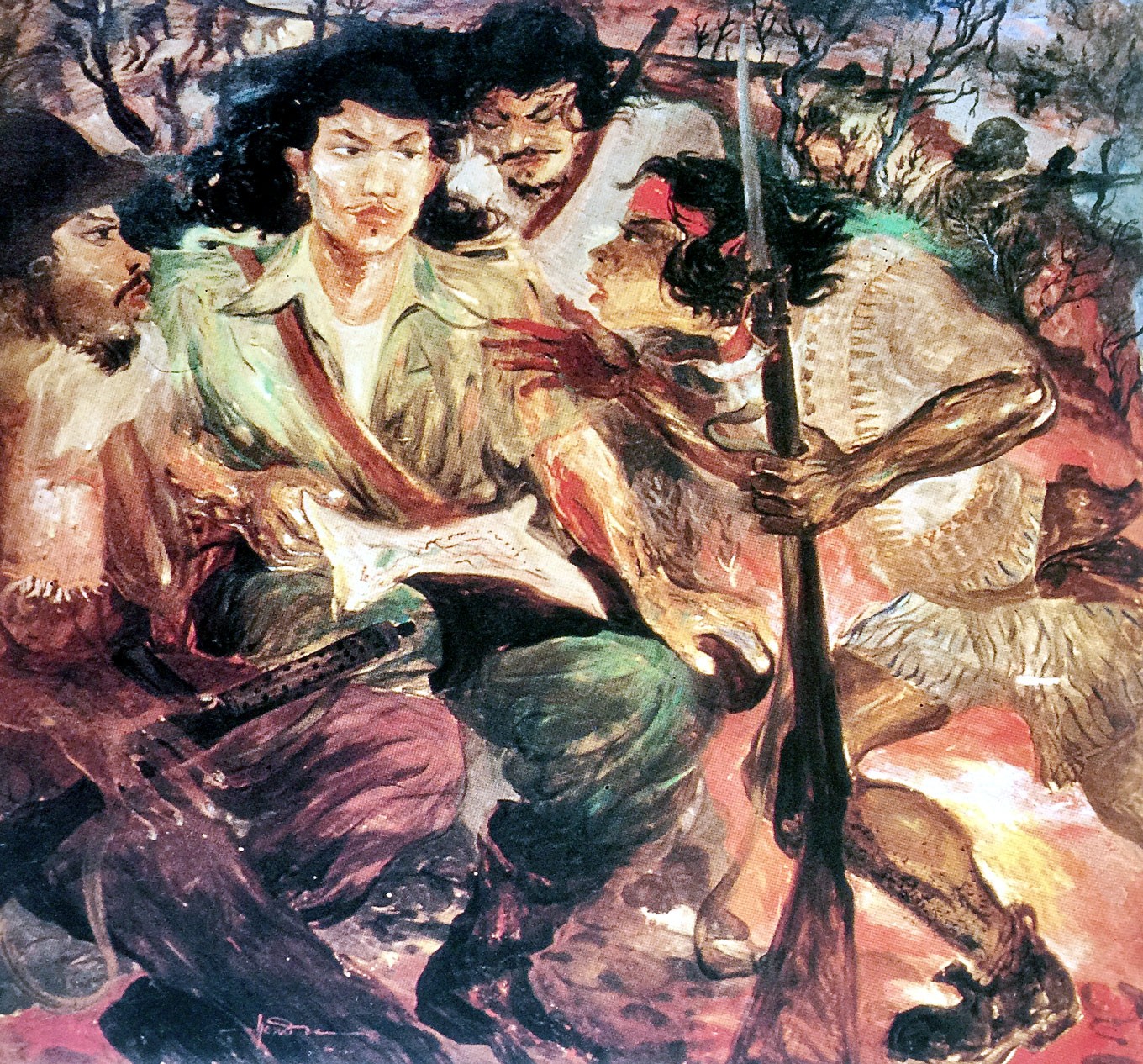
During the late 1940s, while Indonesia fought for its sovereignty, Gunawan became a key member of Pelukis Rakyat (The People’s Painters), an organization he co-founded in 1947. His involvement in the revolutionary movement was not merely peripheral; he was a participant. This dual role—as both a fighter and an artist—permeated his work, infusing his canvases with a sense of urgent humanity. He did not paint "art for art’s sake"; he painted for the liberation and dignity of the Indonesian populace.
His later years, however, were defined by adversity. Following the political upheavals of 1965, Gunawan was imprisoned without trial for over a decade due to his affiliation with the Lembaga Kebudayaan Rakyat (LEKRA), an artistic institution linked to the political left. His time in Kebonwaru Prison, Bandung, became a pivotal period in his career. Paradoxically, the confinement allowed him to focus intensely on his craft, leading to a prolific output of paintings that often depicted the warmth of human connection and the endurance of spirit despite the harsh reality of incarceration.
Artistic Style: Distortion and Emotional Truth
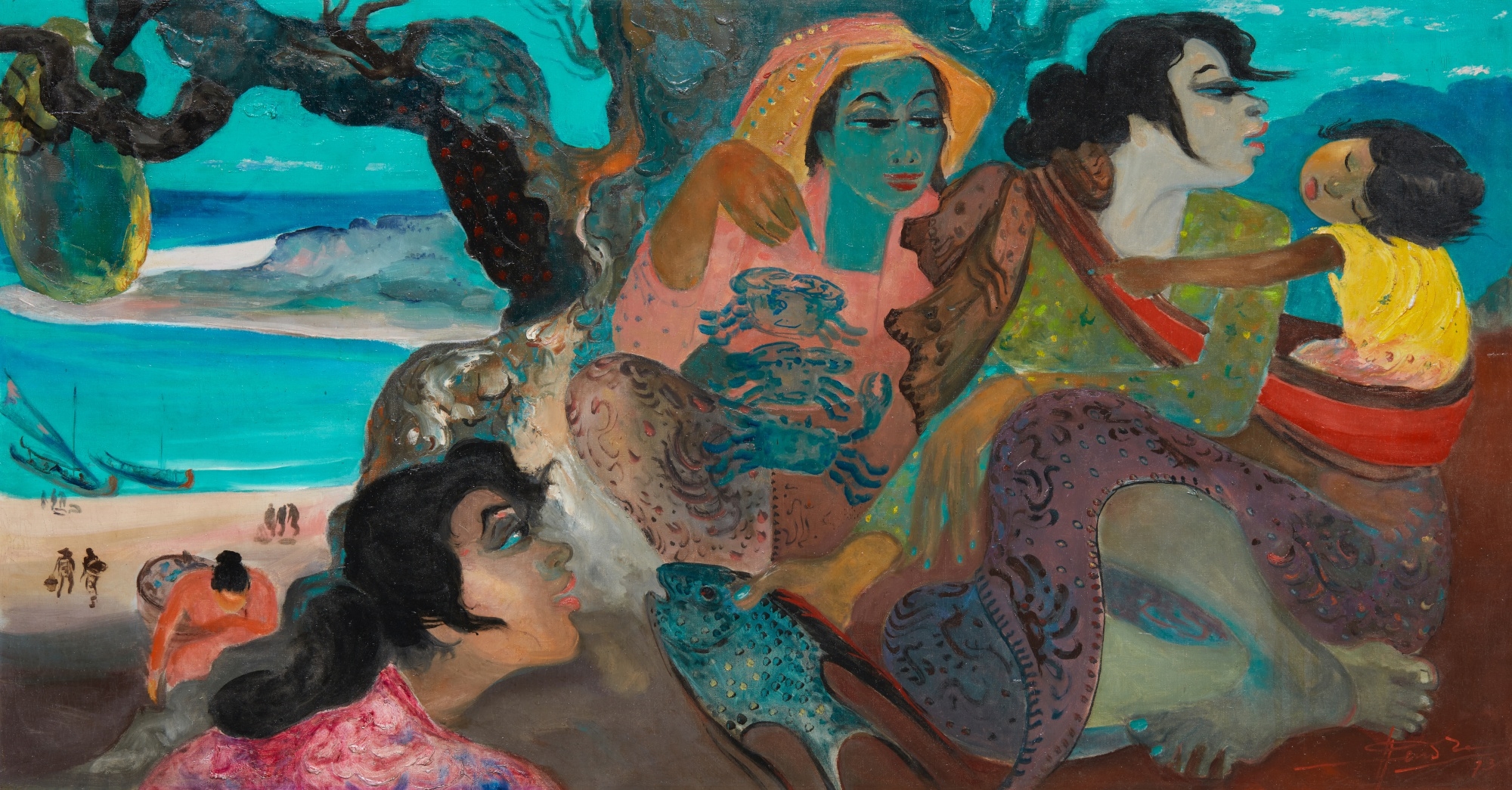
Hendra Gunawan’s style is instantly recognizable. He utilized a unique brand of expressionism characterized by elongated, almost fluid figures that seem to dance or struggle within the frame. His use of color was bold and deliberate; he favored earthy tones contrasted with vivid, vibrant hues that emphasized the texture of Indonesian life.
Core Aesthetic Characteristics
- Physical Distortion: His figures are rarely anatomically perfect. Instead, they are stretched and twisted to convey movement, internal pain, or a sense of whimsical grace.
- Thematic Focus on the "Little People": Whether depicting a mother cradling her child or a group of fishermen navigating turbulent waters, his subjects were almost always the underprivileged and the laborers of society.
- Cultural Symbiosis: He frequently incorporated elements of Indonesian mythology, shadow puppetry (wayang), and rural folklore into his compositions.
- Narrative Richness: His paintings are rarely static. They tell a story, often layered with metaphors of national struggle, resilience, or the simple joys of village life.
Comparative Analysis: Gunawan and His Contemporaries
Understanding Gunawan’s place in history requires looking at how he navigated the tension between Western modernism and indigenous tradition. While peers like Affandi utilized a more spontaneous, swirling impasto technique, Gunawan remained committed to figuration as a means of social storytelling.
| Artist | Primary Focus | Stylistic Approach |
|---|---|---|
| Hendra Gunawan | Social realism & cultural identity | Elongated, expressive, narrative figuration |
| Affandi | Emotion & human expression | Spontaneous, energetic, paint-from-tube technique |
| S. Sudjojono | Nationalistic realism | Direct, bold, documentary-style depictions |
| Basoeki Abdullah | Romanticism & portraiture | Academic, polished, idealistic technique |
This table highlights the diversity of Indonesian modernism. While all four artists contributed to the formation of the nation's aesthetic language, Gunawan’s work remains the most overtly humanistic, prioritizing the collective soul of the nation over the individualistic tendencies of Western abstraction.
Cultural Legacy in 2026
As of 2026, the valuation and appreciation of Hendra Gunawan’s work have reached an all-time high in the global art market. His paintings are considered essential assets for both public museums and private collectors, often serving as the "blue-chip" standard for Southeast Asian modern art. His legacy extends beyond the canvas; he is viewed as a martyr for artistic freedom and a symbol of the resilience of the Indonesian spirit.
In contemporary Indonesian society, his works are frequently re-examined to understand the historical context of the post-colonial era. Galleries in Jakarta and abroad continue to feature retrospectives of his work, which attract both scholars and a younger generation of artists looking to balance traditional heritage with modern expression. His ability to synthesize the "rough" reality of life with a "soft", poetic touch ensures that his art remains relevant to contemporary viewers, who often see reflections of modern social struggles in his historic portrayals of the peasantry.
Challenges in Preservation and Authentication
For collectors and institutions, acquiring a Hendra Gunawan piece is a major undertaking that requires rigorous due diligence. Because of his immense market value, the provenance of his work must be verified with absolute certainty.
- Authentication: Due to the existence of imitations, collectors should only engage with established auction houses and reputable galleries that have a documented history of dealing with his estate.
- Condition Reporting: Many of his works, especially those produced during his prison years, were created under difficult material constraints. Evaluating the stability of the canvas and the preservation of pigments is critical.
- Legal Provenance: Ensure the work has clear documentation, preferably dating back to the artist’s own studio or documented exhibitions in the mid-to-late 20th century.
Frequently Asked Questions
Why are Hendra Gunawan’s figures so elongated? His stylistic choice of elongation is a departure from realism, intended to emphasize movement and emotional intensity. By distorting the limbs and bodies of his subjects, he creates a sense of dynamic flow and internal psychological pressure, reflecting the turbulent lives of the people he depicted.
Was Hendra Gunawan’s art purely political? While his art was deeply connected to his political identity and his involvement with LEKRA, it was fundamentally humanitarian. His primary subject was always the human condition. While the political climate of the time influenced his themes, his work is valued today for its universal message of empathy and dignity rather than its specific political platform.
What is the significance of his prison period? The years spent in Kebonwaru Prison (1965–1978) forced a shift in his work toward themes of domestic life, intimacy, and introspection. Stripped of the ability to engage directly in politics, he channeled his creative energy into depicting the quiet strength of family and the persistence of traditional culture, marking some of his most technically refined pieces.
How does one verify the authenticity of a Gunawan painting? Verification involves a three-pronged approach: checking the piece against established databases of his verified works, conducting scientific analysis of the materials used (to ensure the pigments and canvas align with the era), and confirming the unbroken chain of ownership (provenance) from his family or early collectors.
Conclusion and Next Steps
Hendra Gunawan’s influence on Indonesian art is indelible. He successfully moved away from the "Beautiful Indonesia" (Mooi Indië) style of colonial-era landscape painting to establish a raw, honest, and distinctly Indonesian visual language. For those interested in studying or collecting his work, the best starting point is to visit the major public collections in Indonesia, such as the National Gallery of Indonesia, or to consult academic monographs that detail his stylistic progression through the decades. Engaging with the history of his life, especially the interplay between his political imprisonment and his artistic output, provides the necessary context to truly appreciate the depth of his contributions to global art history.
Image Gallery