The Story Behind the Sugarman Net Worth: Financial Legacy, Royalties, and Estate Realities
The story behind the "Sugarman" net worth centers on two distinct historical legacies: Detroit singer-songwriter Sixto Rodriguez, whose millions in overseas album royalties were tied up in complex publishing disputes before his 2023 pa...
The story behind the "Sugarman" net worth centers on two distinct historical legacies: Detroit singer-songwriter Sixto Rodriguez, whose millions in overseas album royalties were tied up in complex publishing disputes before his 2023 passing, and direct-marketing legend Joe Sugarman, who built a multi-million-dollar empire selling BluBlocker sunglasses and innovative electronics.
Contents
Clarifying the "Sugarman" Identity: Key Figures Behind the Name
Searches surrounding the "Sugarman net worth" frequently combine three prominent figures who built substantial fortunes across music, direct marketing, and television production. Understanding the financial trajectory of each requires separating their distinct business ventures, royalty structures, and estate assets.
- "SUGARMAN" ENTITY SEARCHES
- Sixto Rodriguez ("Sugar Man")
- Music Catalog & Royalties
- Joe Sugarman (JS&A / Blublocker)
- Direct Response & Consumer Brand
- Burt Sugarman (TV/Film Producer)
- Entertainment & Real Estate
- Sixto Rodriguez ("Sugar Man")
1. Sixto Rodriguez (The "Sugar Man" Musician)
Sixto Rodriguez (1942–2023) was an American folk-rock musician from Detroit, Michigan. His 1970 debut album Cold Fact contained the iconic track "Sugar Man." While his records failed commercially in the United States, they sold hundreds of thousands of copies in South Africa, Australia, and New Zealand without his knowledge. The 2012 Academy Award-winning documentary Searching for Sugar Man brought his astonishing story—and his long-overdue financial earnings—to global attention.
2. Joseph "Joe" Sugarman (Direct Marketing Pioneer)
Joe Sugarman (1938–2022) was an entrepreneur, author, and direct-response copywriter. He founded JS&A Group in the 1970s, introduced consumer electronics like micro-calculators and digital watches to mass audiences via long-form print advertisements, and launched BluBlocker sunglasses, which sold tens of millions of units worldwide.
3. Burt Sugarman (Hollywood Producer)
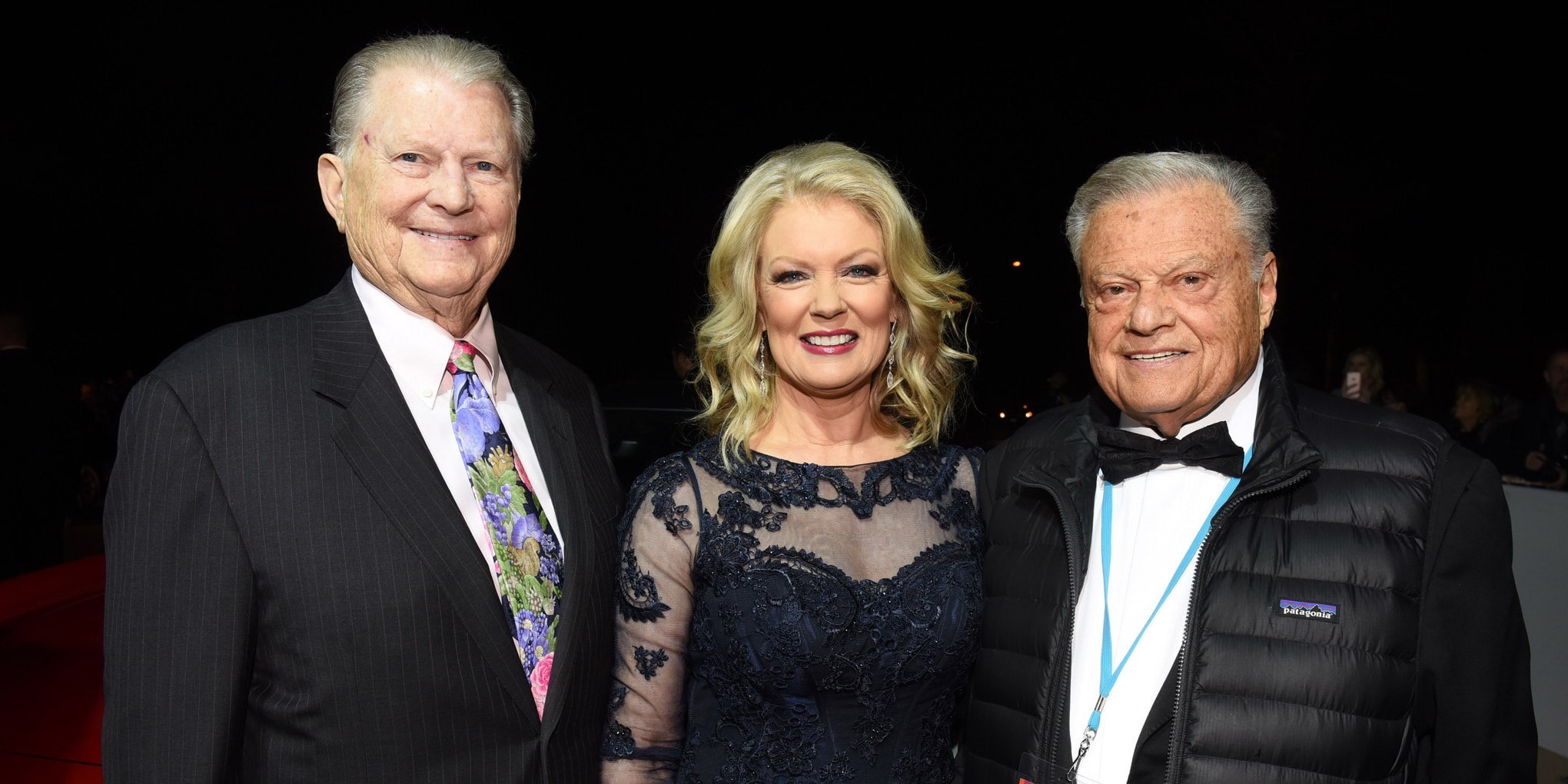
Burt Sugarman (born 1939) is a film and television producer best known for creating the landmark music series The Midnight Special and producing critically acclaimed films such as Children of a Lesser God. Married to long-time Entertainment Tonight host Mary Hart, Burt Sugarman built extensive wealth through broadcast syndication, media investments, and luxury real estate.
Financial Disclaimer: This analysis is for informational and educational purposes only. Net worth estimates, royalty tracking, and estate valuations are derived from public legal filings, corporate reporting, probate disclosures, and catalog industry benchmarks.
The Sixto Rodriguez Story: From Manual Labor to Royalty Litigation
The most famous narrative tied to the Sugarman name involves the uncollected fortunes of Sixto Rodriguez. For nearly three decades, Rodriguez worked in urban demolition, restoration, and manual labor in Detroit, earning modest hourly wages, completely unaware that he was a platinum-selling artist overseas.
The South African Sales Paradox
During the 1970s and 1980s, Rodriguez’s albums Cold Fact (1970) and Coming from Reality (1971) became culturally pivotal in South Africa. His songs served as anti-apartheid anthems for liberal white youths. Record stores in South Africa pressed and distributed tens of thousands of copies under licensing agreements with international labels.
However, contract structures and opaque accounting between American record labels—specifically Sussex Records, founded by music executive Clarence Avant—and international distributors resulted in zero royalty payouts reaching Rodriguez during his peak sales era. Sussex Records folded in 1975 due to unpaid federal tax liens, leaving royalty accounting in legal limbo.
- US Release: Cold Fact (1970)
- Sussex Records Licensing
- South African Distribution (100,000s Albums Sold)
- No Payout to Rodriguez (Manual Labor in Detroit)
The 1998 Rediscovery and Touring Revenue
In 1997, South African fans established a website dedicated to finding out whether Rodriguez was dead, as rumors suggested. After establishing contact, Rodriguez embarked on a sold-out 1998 tour of South Africa, playing to auditoriums of thousands.
This marked his first direct financial compensation from his musical career:
- Concert Ticket Revenues: Direct earnings from stadium and arena tours across South Africa, Australia, and Europe between 1998 and 2018.
- Festival Headlining Fees: Substantial performance payouts at major international festivals, including Coachella and Glastonbury.
- Documentary Licensing: Rights fees and backend participation from Searching for Sugar Man (2012), which grossed over $3.6 million at the box office and generated global streaming revenues.
Royalty Litigation and Estate Valuation
Following the release of the documentary, legal teams representing Rodriguez filed lawsuits in U.S. federal courts regarding unpaid royalties, song publishing copyrights, and fraudulent song-credit assignments. Court documents revealed that certain publishing copyrights had been registered under the name of Rodriguez's brother, Jesus, a tactic originally used to navigate contractual disputes with original record labels.
Upon Sixto Rodriguez's death in August 2023 at the age of 81, his estate was estimated between $3 million and $5 million. Despite earning millions late in life, Rodriguez chose to maintain a modest lifestyle in his historic Detroit home, giving away large portions of his earnings to family members, neighbors, and community charities. Today, streaming revenues from platforms like Spotify and Apple Music continue to generate hundreds of thousands of dollars annually for his primary heirs—his three daughters, Eva, Sandra, and Regan.
The Joe Sugarman Empire: Direct Marketing, Copywriting, and BluBlocker
While Sixto Rodriguez's wealth was defined by delayed compensation, Joe Sugarman built a proactive direct-marketing fortune grounded in copywriting, product innovation, and toll-free sales execution.
The JS&A Mail-Order Innovation
In 1971, Joe Sugarman established JS&A Group in Northbrook, Illinois. He was among the first entrepreneurs to utilize toll-free 800 numbers for credit card direct-response orders in print media. By placing full-page advertisements in national publications like The Wall Street Journal, Popular Mechanics, and Scientific American, Sugarman transformed technical products—such as pocket calculators, digital alarm clocks, and cordless phones—into desirable consumer items.
JOE SUGARMAN BUSINESS MODEL:
- Story-Based Advertising (Long-form print copy & narratives)
- Frictionless Commerce (Pioneered toll-free 800-number orders)
- Mass-Market Media (Infomercials, national magazines, QVC)
- Product Ownership (BluBlocker IP & direct distribution)
The BluBlocker Breakthrough
In 1986, Sugarman introduced BluBlocker sunglasses. Using vision technology originally developed for NASA to block high-energy visible (HEV) blue light, Sugarman created long-form television infomercials and print campaigns that detailed "the story behind" the lenses.
The financial metrics of the BluBlocker empire demonstrate its scale:
- Volume: Over 20 million pairs of sunglasses sold globally through infomercials, direct mail, shopping channels (QVC), and retail store partnerships.
- Revenue: Peak annual sales exceeded tens of millions of dollars, establishing a self-funded retail brand with minimal reliance on institutional venture funding.
- Intellectual Property & Books: Sugarman authored influential business books, including The Adweek Copywriting Handbook and Triggers, which remain standard texts in marketing and generate ongoing publishing royalties.
At the time of his passing in March 2022, Joe Sugarman’s net worth was privately held but estimated by marketing industry analysts to exceed $15 million to $20 million, driven by real estate holdings, brand equity, and ongoing direct-to-consumer sales channels.
Burt Sugarman: Hollywood Syndication and High-Net-Worth Assets
The third figure shaping public perception of the Sugarman fortune is Burt Sugarman. Unlike the music royalty battles of Rodriguez or the direct-mail business of Joe Sugarman, Burt Sugarman’s wealth stems from broadcast media production and institutional real estate.
Key financial pillars of Burt Sugarman’s net worth include:
- The Midnight Special Syndication Rights: As creator and executive producer of NBC’s The Midnight Special (1973–1981), Sugarman retained valuable rights to live performance recordings of iconic 1970s rock, pop, and soul artists.
- Feature Film Production: Producer credits on box-office successes like Children of a Lesser God (1986), which earned multiple Academy Award nominations.
- Combined Household Wealth: Married to former Entertainment Tonight anchor Mary Hart in 1989, the couple built a joint net worth reported to exceed $100 million, characterized by high-profile real estate transactions in Beverly Hills, California, and Big Sky, Montana.
Comparative Overview of "Sugarman" Entities and Estates
To evaluate how these three legacies differ in business mechanics, revenue models, and modern estate values, consider the comparative analysis below:
| Entity / Subject | Primary Income Sources | Key Financial Milestones | Estimated Estate / Net Worth Footprint | Primary Beneficiaries / Managing Entities |
|---|---|---|---|---|
| Sixto Rodriguez (Musician, 1942–2023) | Foreign album sales, global concert tours, streaming royalties, documentary rights. | Post-2012 touring boom; streaming catalog monetization post-Searching for Sugar Man. | $3M – $5M (Estate valuation focused on catalog streaming & back royalties) | Surviving daughters (Eva, Sandra, Regan); song publishing trust. |
| Joe Sugarman (Marketer, 1938–2022) | Direct-response sales, BluBlocker brand ownership, book publishing, seminar licensing. | Over 20 million BluBlocker units sold; pioneering nationwide 800-number direct mail. | $15M – $20M (Private estate; ongoing brand licensing revenue) | Sugarman family trust; JS&A brand corporate successors. |
| Burt Sugarman (Producer, Born 1939) | Television production, film syndication, equity investments, luxury real estate. | Creation of The Midnight Special; major real estate portfolio sales in California and Montana. | $100M+ (Combined household net worth with Mary Hart) | Burt Sugarman & Mary Hart Family Trust. |
Royalty Audits, Estate Planning, and Catalog Valuation Insights
The story behind Sixto Rodriguez’s delayed fortune highlights systemic challenges in music publishing and royalty tracking. For music creators, catalog investors, and estate managers, the litigation surrounding the "Sugar Man" catalog provides vital practical lessons in intellectual property protection.
- CATALOG & ROYALTY AUDIT WORKFLOW
- Contract Audit: Verify un-recouped costs & digital math
- Foreign Tracking: Claim non-distributed mechanicals
- Copyright Reversion: Section 204 35-yr window
1. The Critical Role of Music Royalty Audits
In the mid-20th century, independent artists often signed broad, exclusive recording contracts that assigned master rights to record labels in exchange for upfront production financing.
- Mechanical Royalty Leakage: Substantial income was lost when foreign sub-publishers failed to pass mechanical royalties (income from pressing physical copies) back to the parent label.
- Digital Recoupment: Modern music distribution requires artists and estates to perform periodic audits of digital service provider (DSP) streams to ensure payouts match contractually agreed-upon rate sheets.
2. Copyright Reversions under Section 204
Under U.S. copyright law (specifically the Copyright Act of 1976), creators or their statutory heirs have the right to execute copyright terminations after 35 years. This legal provision allows legacy artists like Rodriguez’s heirs to reclaim rights to early master recordings and publishing copyrights originally assigned to defunct labels like Sussex Records.
3. Catalog Valuation Metrics
When calculating the net worth of a musical legacy, appraisers evaluate a catalog based on a Net Publisher's Share (NPS) multiple. Net Publisher's Share is defined as gross royalty receipts minus songwriter payouts and direct administration fees.
$$\text{Catalog Valuation} = \text{Average Annual NPS} \times \text{Multiple (typically 8x to 15x)}$$
For iconic legacy tracks with high organic streaming volume (such as "Sugar Man" or "I Wonder"), historical multiples often rise above 12x annual NPS, giving even modest catalogs multi-million-dollar valuations in secondary music markets.
Frequently Asked Questions
Did Sixto Rodriguez ever recover his missing royalties before his death?
Rodriguez recovered substantial earnings through live concert tours, documentary licensing, and modern streaming revenues after 1998. However, prolonged litigation over historical 1970s album royalties and publishing ownership remained partially entangled in corporate court challenges and bankruptcy proceedings involving former label entities.
What is the estimated estate value of Sixto Rodriguez?
At the time of his death in August 2023, Sixto Rodriguez's estate was estimated at $3 million to $5 million. Despite receiving large influxes of capital following the 2012 documentary Searching for Sugar Man, he lived simply in Detroit and distributed significant funds to his family and community.
How did Joe Sugarman make his direct marketing fortune?
Joe Sugarman made his fortune through JS&A Group by placing full-page, narrative-driven print advertisements in major publications and pioneering the use of toll-free 800 numbers for instant ordering. His greatest commercial hit was BluBlocker sunglasses, which sold more than 20 million pairs worldwide.
Who owns the rights to the "Sugar Man" music catalog today?
The music publishing and master rights are held between primary publishing entity trusts, administering music publishers, and Rodriguez's statutory heirs (his three daughters). Streaming and sync rights are actively licensed for film, television, and digital platforms.
Why was Sixto Rodriguez unaware of his success in South Africa for so long?
During the 1970s and 1980s, South Africa was under severe international political and cultural isolation due to apartheid policies. Combined with a lack of global internet connectivity, minimal international reporting by local record distributors, and the shutdown of his U.S. record label (Sussex Records), news of his massive overseas sales never reached him in Detroit.
Practical Actions for Music Creators and Estate Executors
For independent musicians, business owners, and legacy managers navigating rights administration and estate management, these actionable steps ensure income is protected:
- Register with Performance Rights Organizations (PROs): Ensure all musical compositions are registered with organizations such as ASCAP, BMI, or PRS for Music, and claim international performance royalties via SoundExchange for digital performance rights.
- Execute Periodic Royalty Audits: Retain specialized forensic accountants to review distributor statements every 3 to 5 years, verifying that streaming and physical mechanical payouts match contractual rates.
- Establish a Clear Catalog Estate Plan: Ensure publishing rights, master recording rights, and trademark assets are placed in a revocable living trust to avoid public probate, prevent family disputes, and streamline digital asset management.
- Audit Copyright Termination Windows: Identify the 35-year anniversary dates of original music assignments to serve formal statutory notices of copyright termination under U.S. copyright law.
Image Gallery