How to See Your Blind Spot: Practical Techniques for Road Safety
Seeing your blind spot requires a combination of precise side-mirror adjustment, physical head movement, and the integration of modern vehicle safety technologies. By effectively eliminating these hidden zones, you significantly reduce...
Seeing your blind spot requires a combination of precise side-mirror adjustment, physical head movement, and the integration of modern vehicle safety technologies. By effectively eliminating these hidden zones, you significantly reduce the risk of side-swipe accidents, ensure safer lane changes, and maintain a 360-degree awareness of the traffic environment surrounding your vehicle.
Contents
Understanding the Physics of Blind Spots
A blind spot is an area around your vehicle that cannot be directly observed by the driver while looking forward or using the rearview and side mirrors. These zones exist because of the physical geometry of the vehicle’s body—specifically the "B-pillars" (the supports between the front and rear doors) and the limitations of standard mirror optics.
When mirrors are adjusted traditionally, they often overlap with the field of view already covered by your interior rearview mirror. This redundancy provides a false sense of security while leaving large "wedges" of road space—typically along the rear-quarter panels of your car—entirely invisible. Understanding that your mirrors should not reflect the side of your car, but rather the road space adjacent to it, is the first step toward correcting this issue.
The Correct Mirror Adjustment Method
The most effective way to eliminate blind spots manually is the SAE (Society of Automotive Engineers) method. This approach minimizes the overlap between your interior and exterior mirrors, effectively creating a continuous field of vision that tracks a passing vehicle from your rearview mirror to your side mirror, and finally into your peripheral vision.
Steps to adjust your mirrors correctly:
- Rearview Mirror: Adjust your center mirror so it frames the entire rear window. You should not have to move your head to see directly behind you.
- Left Side Mirror: Lean your head to the left until it touches the driver’s side window glass. Adjust your left exterior mirror until you can just barely see the side of your car in the right edge of the mirror.
- Right Side Mirror: Lean your head to the right, positioning it so it is roughly above the center console. Adjust your right exterior mirror until you can just barely see the side of your car in the left edge of the mirror.
Once you return to your normal driving position, the side mirrors will appear to be pointed "outward." This is correct. When a vehicle passes you, it will move from your rearview mirror into the side mirror, and as it leaves the side mirror, it will simultaneously appear in your peripheral vision, ensuring there is no moment where the vehicle is truly hidden.
The Essential "Head Check" Maneuver
Even with perfectly adjusted mirrors, physical confirmation is a fundamental requirement for safe driving. Modern vehicles have varying degrees of "pillar thickness," and a motorcycle or small car can occasionally hide behind structural elements of the vehicle's frame.
A proper head check involves a quick, deliberate rotation of the head—not just the eyes—to scan the area adjacent to your rear doors.
- Timing: Perform the head check immediately before initiating your turn signal or beginning a lane change.
- Duration: Keep the check brief—no more than a half-second glance—to ensure you do not lose sight of the traffic ahead of you.
- Frequency: In heavy traffic or multi-lane highways, perform this check consistently, even if your vehicle is equipped with modern blind-spot monitoring systems.
Leveraging Automotive Technology
In 2026, many vehicles come equipped with advanced driver-assistance systems (ADAS) designed to mitigate blind-spot risks. Understanding these tools is essential, as they act as a secondary safety layer rather than a replacement for manual observation.
- Blind Spot Monitoring (BSM): Uses radar sensors in the rear bumpers to detect vehicles in your side blind zones. It typically provides a visual alert on your side-view mirror or the A-pillar.
- Rear Cross-Traffic Alert (RCTA): Specifically useful when reversing, these sensors detect vehicles approaching from the side, providing audible and visual warnings.
- Cameras (Blind-Spot View Monitors): Systems that project a live video feed of your blind spot onto your digital instrument cluster or center infotainment screen when you activate your turn signal.
While these systems are highly reliable, they can be affected by extreme weather, sensor obstruction (such as heavy mud or snow), or sudden maneuvers by other drivers. Always maintain a "trust but verify" mindset.
Comparative Methods for Blind Spot Mitigation
| Method | Reliability | Cost | Learning Curve |
|---|---|---|---|
| SAE Mirror Setup | High | Free | Low |
| Physical Head Check | Essential | Free | Low |
| Convex Stick-on Mirrors | Moderate | Very Low | Moderate |
| Electronic BSM/Cameras | High | High (if factory) | Low |
Common Mistakes to Avoid
- Over-relying on Technology: Assuming that if a light isn't flashing on your mirror, the lane is empty. Sensors may fail to detect fast-moving vehicles or pedestrians/cyclists in specific scenarios.
- Misadjusting for "Comfort": Many drivers adjust mirrors to see the door handle because it feels more "familiar." This creates the very blind spot you are trying to eliminate.
- Neglecting the "Hook" Check: Failing to check the space between your front and rear doors when merging at a sharp angle.
- Ignoring Mirror Maintenance: Driving with dirty, cracked, or misaligned mirrors significantly degrades your ability to detect surrounding hazards.
Frequently Asked Questions
1. Should I use small, round convex mirrors on my side-view mirrors? While these can provide a wider field of view, they distort distance, making vehicles appear further away than they actually are. They are a secondary aid, not a replacement for the SAE mirror adjustment method.
2. Is a head check necessary if I have a Blind Spot Monitor? Yes. Electronics can experience signal latency or sensor failure. The head check is a failsafe that ensures human oversight remains the primary decision-making tool in traffic.
3. Do I need to re-adjust my mirrors if someone else drives my car? Absolutely. Because seating positions vary significantly between drivers, the angles for your mirrors will change. Always reset your mirrors every time you sit in a driver's seat that is not yours.
4. Why does the SAE mirror method feel "wrong" at first? It feels wrong because you lose the visual reference point of your own car's body. It requires a mental shift to trust that the space you cannot see is actually covered by the increased width of the side-mirror view.
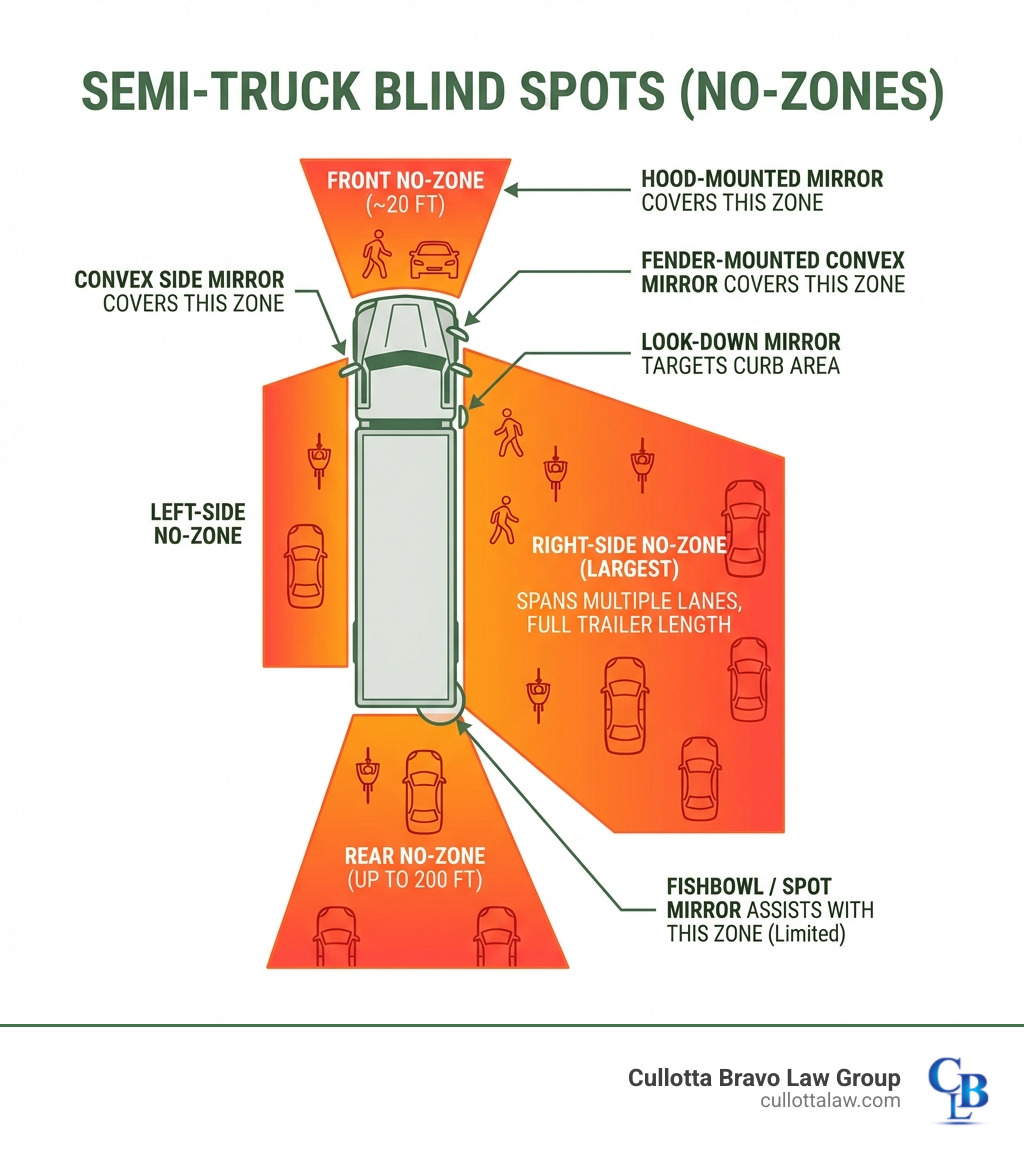
5. How do I clear my blind spots if I am driving a cargo van or truck? Large vehicles often have significant blind spots that mirrors alone cannot cover. Use larger, multi-pane mirrors, and consider installing aftermarket wide-angle cameras or proximity sensors to assist with maneuvering.
Next Steps for Implementation
The most immediate action you can take is to adjust your mirrors using the SAE method the next time you get into your vehicle. Spend a few minutes in a stationary position—such as in your driveway or a parking lot—to identify a stationary object, such as a parked car or a pole, and track it as it passes through your rearview, then your side mirror, and finally into your peripheral vision. Practice this until the transition feels natural.
If you frequently drive in heavy, multi-lane traffic, prioritize adding a physical head check to every lane-change procedure, regardless of the technological aids available in your vehicle. Safety is a product of consistent habits, not just the features of your car.
Image Gallery