Cat on a Hot Tin Roof and the Academy Awards: History, Nominations, and Legacy
Tennessee Williams’ iconic masterpiece Cat on a Hot Tin Roof achieved massive commercial success and critical acclaim upon its transition from stage to screen, earning multiple Academy Award nominations at the 31st Academy Awards held...
Tennessee Williams’ iconic masterpiece Cat on a Hot Tin Roof achieved massive commercial success and critical acclaim upon its transition from stage to screen, earning multiple Academy Award nominations at the 31st Academy Awards held in 1959.
Contents
Introduction to the Cinematic Adaptation
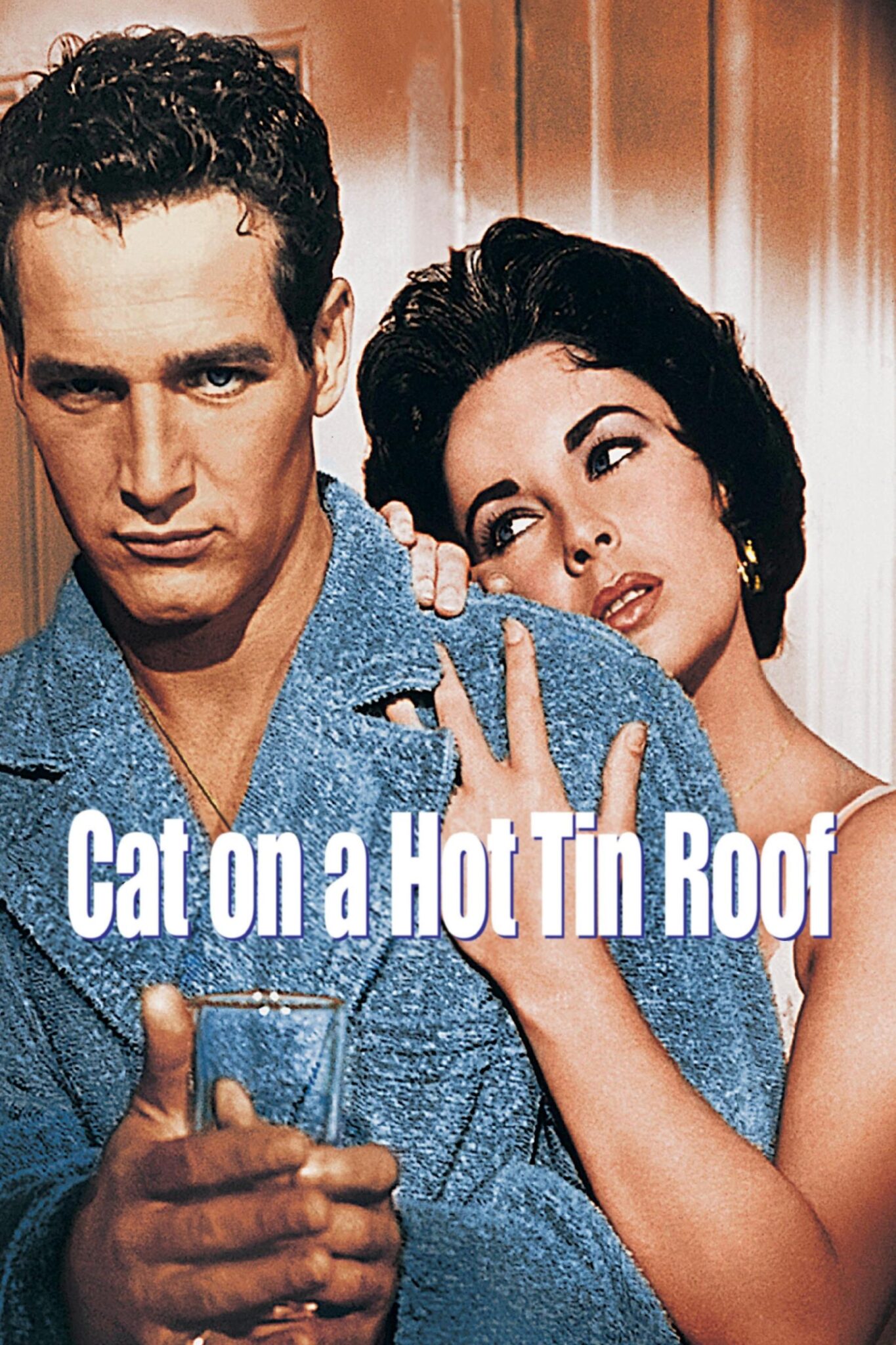
When Metro-Goldwyn-Mayer brought Tennessee Williams’ Pulitzer Prize-winning play Cat on a Hot Tin Roof to the silver screen in 1958, expectations were exceptionally high. Directed by Richard Brooks and adapted for the screen by Brooks alongside James Poe, the film managed to translate the smoldering emotional intensity of the Broadway original while navigating the rigid censorship constraints of the era's Production Code.
Despite being forced to tone down explicit references to homosexuality and soften certain character motivations from the original stage text, the cinematic version retained its core focus on mendacity, family greed, and repressed desire. Anchored by powerhouse performances from Elizabeth Taylor, Paul Newman, and Burl Ives, the picture resonated deeply with audiences and critics alike. This momentum carried the production straight to the Academy Awards, where it secured a prominent place in film history with multiple major nominations, even as it ultimately missed out on winning the top competitive trophies.
The 31st Academy Awards Nominations Breakdown
At the 31st Academy Awards ceremony, which took place on April 6, 1959, at the Pantages Theatre in Hollywood, Cat on a Hot Tin Roof was recognized across several key categories. The film secured a total of six Academy Award nominations, reflecting its widespread technical and artistic achievements.
While the film triumphed at the box office, the competitive landscape of 1958 cinema was exceptionally fierce. Vincente Minnelli’s musical extravaganza Gigi dominated the evening, sweeping all nine categories in which it was nominated. Nevertheless, the recognition received by the cast and crew of Cat on a Hot Tin Roof cemented its status as a landmark adaptation of mid-century American drama.
Summary of Academy Award Nominations
| Category | Nominee | Result |
|---|---|---|
| Best Picture | Lawrence Weingarten (Producer) | Nominated |
| Best Director | Richard Brooks | Nominated |
| Best Actor | Paul Newman | Nominated |
| Best Actress | Elizabeth Taylor | Nominated |
| Best Supporting Actor | None | Not Nominated |
| Best Screenplay Based on Material from Another Medium | Richard Brooks and James Poe | Nominated |
| Best Cinematography, Color | William H. Daniels | Nominated |
Detailed Examination of Major Nominations
Best Picture and Direction
Producer Lawrence Weingarten and director Richard Brooks crafted a tense, claustrophobic atmosphere that mirrored the oppressive heat of the Mississippi Delta estate where the story unfolds. Brooks' direction was praised for maintaining the theatrical intensity of the original play while utilizing cinematic framing to highlight the emotional isolation of Brick Pollitt and his wife, Maggie "The Cat." Although Gigi ultimately took home the Best Picture trophy, the nomination validated Hollywood's appetite for gritty, adult-themed dramatic storytelling.
Paul Newman and Elizabeth Taylor
The heart of the film lies in the volatile chemistry between Paul Newman as the alcoholic, guilt-ridden former football star Brick, and Elizabeth Taylor as Maggie, a woman fighting desperately to save her marriage and secure her share of the family estate.
- Paul Newman: This nomination marked Newman's first Academy Award nomination for Best Actor, signaling the beginning of his legendary career as one of Hollywood's definitive leading men. He lost the award to David Niven for Separate Tables.
- Elizabeth Taylor: Taylor delivered a searing, vulnerable performance that showcased her dramatic range. Her nomination was her second consecutive nod (following Raintree County in 1957) and helped solidify her transition from child star to dramatic heavyweight. She lost to Susan Hayward in I Want to Live!.
Writing and Cinematography
Adapting Tennessee Williams for Hollywood in the late 1950s presented monumental structural challenges due to censorship. Richard Brooks and James Poe successfully restructured the narrative, transforming the play's continuous dialogue into a tightly wound cinematic script. Furthermore, William H. Daniels utilized rich color cinematography to capture the sweat, shadows, and claustrophobia of the Pollitt family household, earning a well-deserved nomination in a competitive technical field.
Why the Film Won No Oscars: The Context of 1958 Cinema
A frequent point of discussion among film historians is how Cat on a Hot Tin Roof managed to secure six major Academy Award nominations without converting a single one into a win. Several historical and industrial factors explain this outcome:
- The Gigi Sweep: Vincente Minnelli's Gigi captured the imagination of Academy voters, winning nine competitive awards—a record at the time. This massive momentum crowded out other prestige dramas across major categories.
- Censorship and Controversy: While the film was a massive commercial hit, some more conservative voting blocks within the Academy viewed the subject matter—dealing with alcoholism, dysfunctional family dynamics, and implied sexual frustration—as controversial, potentially dampening support for top wins.
- Split Voting: With nominations distributed across writing, direction, acting, and technical fields, support for the film was broad rather than concentrated, making it difficult to defeat juggernauts that held singular category focus.
Legacy and Long-Term Cultural Impact
Decades after its initial theatrical run, the cultural footprint of the film adaptation of Cat on a Hot Tin Roof far outweighs its zero-win Oscar tally. It remains a masterclass in screen acting, demonstrating how stage plays can be successfully adapted when paired with top-tier talent and visionary direction. The performances of Paul Newman and Elizabeth Taylor continue to be studied in film schools globally, serving as benchmarks for portraying complex, deeply flawed marital dynamics on screen.
Frequently Asked Questions
How many Academy Awards did Cat on a Hot Tin Roof win?
The film received six Academy Award nominations at the 31st Academy Awards in 1959 but did not win any competitive categories.
Was Burl Ives nominated for an Oscar for his role as Big Daddy?
No. Despite delivering a towering performance as Big Daddy Pollitt that many fans and critics consider career-defining, Burl Ives was not nominated for an Academy Award for the film version. However, Ives won the Academy Award for Best Supporting Actor that same year for his role in The Big Country.
Why was Paul Newman nominated for Best Actor?
Paul Newman played the tortured lead character, Brick Pollitt. His nuanced portrayal of a grieving, alcoholic former athlete earned him his very first Academy Award nomination for Best Actor.
Did Tennessee Williams approve of the film adaptation?
Tennessee Williams initially expressed dissatisfaction with the film adaptation, particularly because the Hollywood Production Code forced screenwriters to remove explicit references to Brick's repressed homosexuality and softened Big Daddy's character arc. However, he later praised individual performances, especially Elizabeth Taylor's portrayal of Maggie.
What film won Best Picture instead of Cat on a Hot Tin Roof at the 1959 Oscars?
Vincente Minnelli’s musical romantic comedy Gigi won the Academy Award for Best Picture at the 31st Academy Awards, sweeping all nine categories in which it was nominated.
Conclusion and Next Actions
Examining the Academy Award history of Cat on a Hot Tin Roof reveals a fascinating intersection between commercial blockbuster appeal and prestige Hollywood recognition. For film enthusiasts and researchers looking to explore further, revisiting both the 1958 film and Tennessee Williams' original 1955 Broadway text provides a comprehensive look at how mid-century censorship shaped American cinematic history. Watch the film with attention to the framing and dialogue changes to fully appreciate the balancing act performed by director Richard Brooks.
Image Gallery