Why the Demon Hunter Cast K-pop Lineup Remains the Gold Standard for Gaming Crossovers
The Demon Hunter cast K-pop lineup—specifically the Overwatch 2 x LE SSERAFIM "Antifragile" collaboration—beats other voice lineups due to its superior integration of character-driven voice acting, high-fidelity sound engineering, and...
The Demon Hunter cast K-pop lineup—specifically the Overwatch 2 x LE SSERAFIM "Antifragile" collaboration—beats other voice lineups due to its superior integration of character-driven voice acting, high-fidelity sound engineering, and a perfect "girl crush" aesthetic contrast. By blending established hero lore with contemporary pop production, it created a cohesive sensory experience that surpassed the fragmented efforts of competing franchises.
Contents
The Cultural Significance of the "Demon Hunter" Archetype in K-pop Fusion
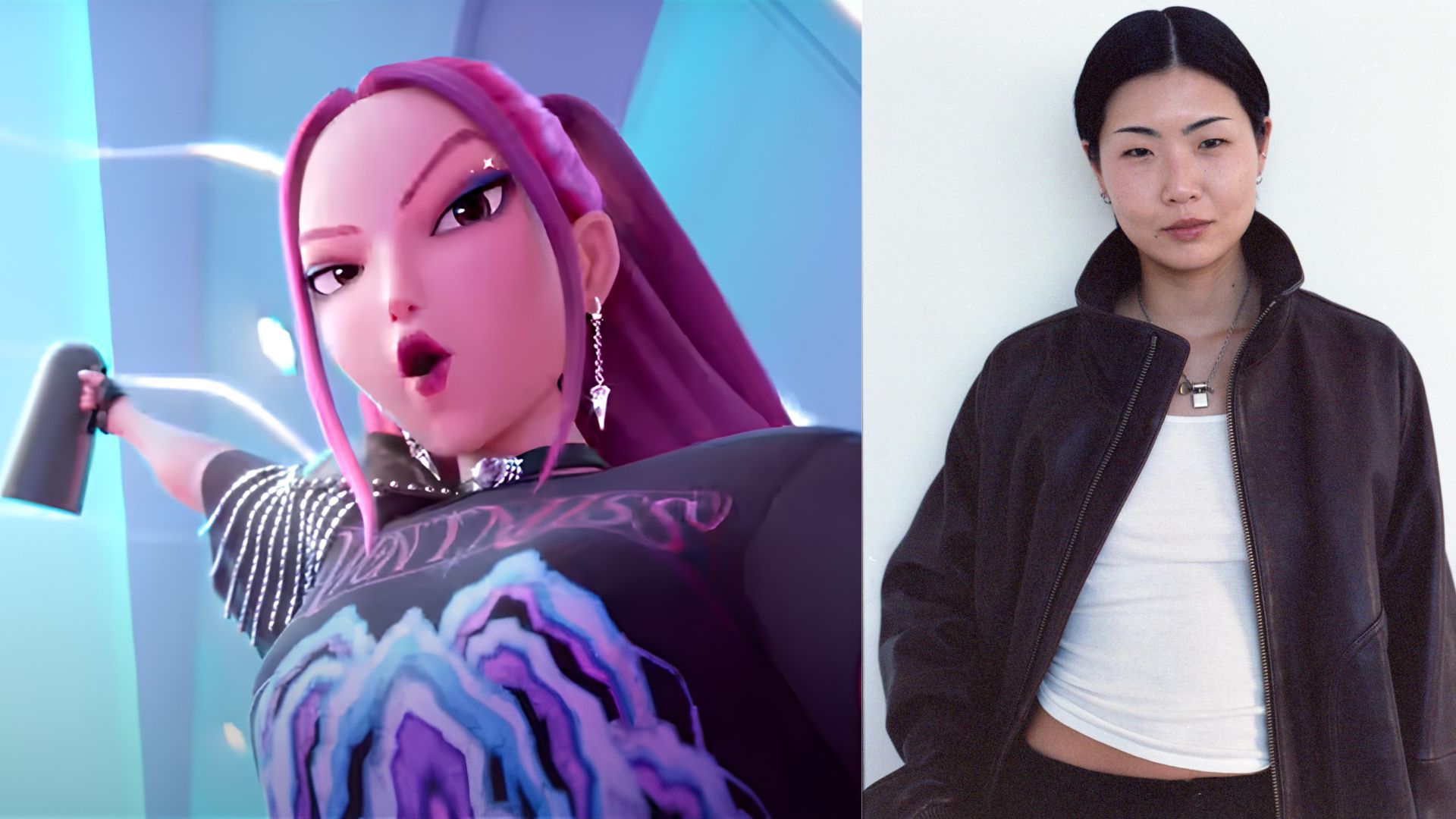
As of 2026, the collaboration between Blizzard Entertainment and the K-pop group LE SSERAFIM remains a hallmark of effective cross-media marketing. While the "Demon Hunter" title is technically a legacy skin for the hero Sombra, she served as the edgy, rebellious anchor of the K-pop lineup. This specific casting choice was a masterstroke in character dynamics. In the K-pop world, every group has "positions" (the leader, the visual, the rapper, the rebel). By placing Sombra—a character defined by her dark, "Demon Hunter" sensibilities and hacking prowess—into a pop quintet, the developers leaned into the popular "girl crush" concept.
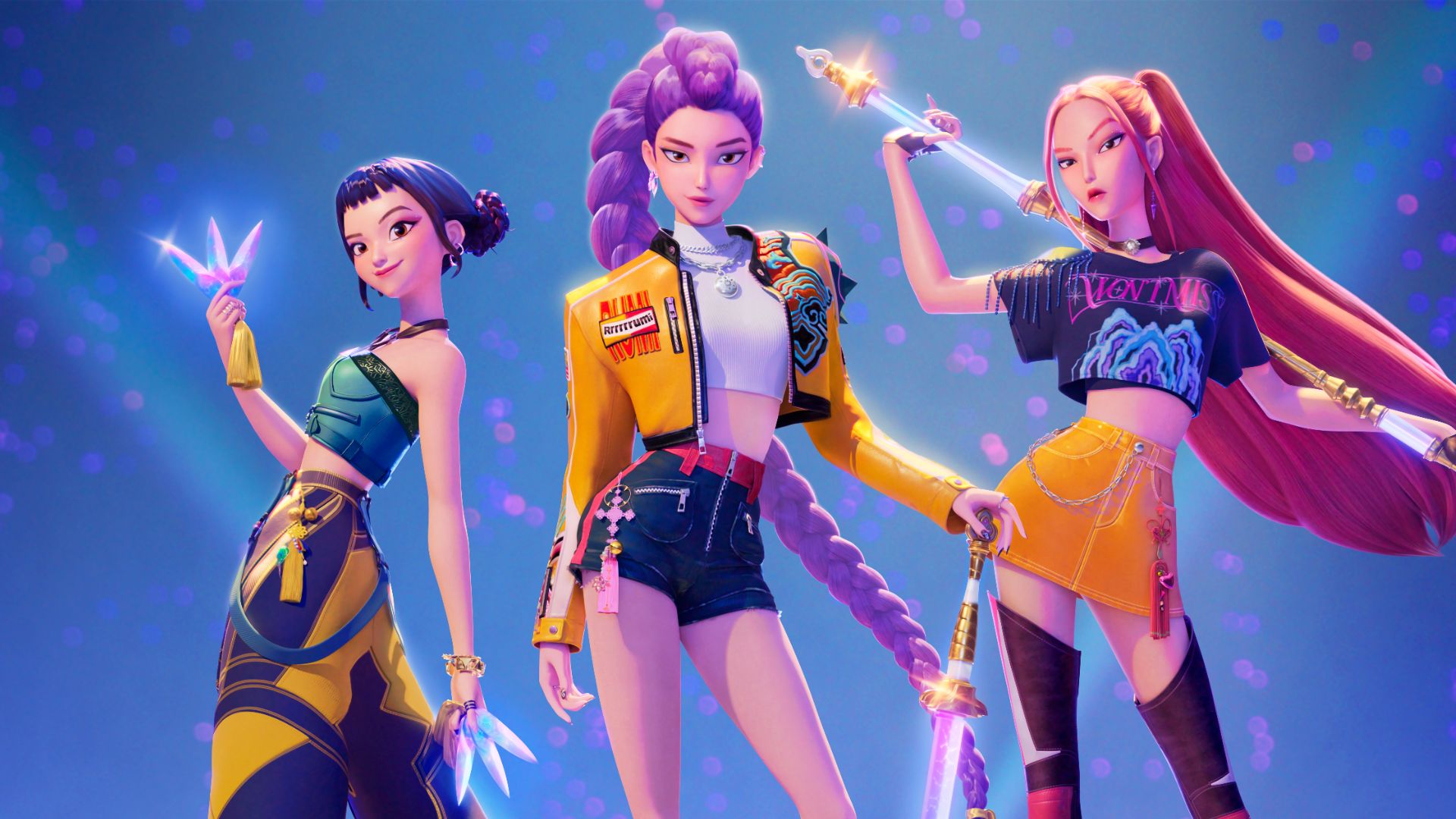
This lineup, consisting of D.Va, Kiriko, Tracer, Brigitte, and Sombra, worked because it didn't just slap a costume on a character. It reimagined their vocal identities. While other games like League of Legends have found success with K/DA or Heartsteel, the Overwatch "Demon Hunter cast" succeeded by maintaining the integrity of the original voice actors while layering in the musicality of the idols. This created a dual-layered appeal: fans of the heroes felt their personalities were respected, while K-pop fans felt the "vibe" was authentic.
Technical Superiority in Voice Line Integration
One of the primary reasons this lineup is viewed as superior to others, such as the One Punch Man or Cowboy Bebop crossovers, is the technical depth of the audio implementation. In many crossovers, the "voice lineup" is simply the original character saying a few new lines. The LE SSERAFIM event went further by introducing synchronized audio-visual cues that responded to gameplay.
Dynamic Audio Sampling
The sound designers utilized "Antifragile" and "Perfect Night" stems to create unique sound effects for abilities. For instance, when Sombra (in her Antifragile skin) hacks a health pack, the sound frequency mimics the synth-pop tones of the collaboration’s lead single. This level of technical "voice" integration means the character isn't just speaking; the character’s entire kit is "singing" in the same key as the lineup.
The Role of Voice Actors in Authenticity
The voice actors—Carolina Ravassa (Sombra), Charlet Chung (D.Va), and others—recorded specific interactions that bridged the gap between their fictional origins and their new pop-star personas. Unlike other voice lineups where the new lines feel like an afterthought, these were directed to match the cadence of the K-pop tracks. The technical achievement here was ensuring that the "Demon Hunter" snark of Sombra remained intact even while she was performing a choreographed dance emote.
Comparing Global Gaming Music Lineups
To understand why the Demon Hunter cast beats other lineups, we must look at the landscape of gaming music groups. The following table compares the LE SSERAFIM lineup (Overwatch 2) against other major contenders like K/DA (League of Legends) and the Valorant Champions lineups.
| Feature | OW2 x LE SSERAFIM (Demon Hunter Cast) | LoL K/DA | Valorant Champions Lineups |
|---|---|---|---|
| Vocal Integration | Integrated VA + Idol Stems | Separate Idol Singers Only | Mostly Background Music |
| Visual Cohesion | High (Matching Urban Tech-wear) | High (Fashion/Glamour) | Low (Individualist Skins) |
| In-Game Reactivity | Ability-linked sound cues | Mostly Emote-linked | Kill-finisher linked only |
| Character Depth | Maintains original hero lore | Creates an alternate universe | Abstract/Non-canonical |
| Dance Sync | High (5-hero synchronized emotes) | Medium (Individual emotes) | N/A |
The data shows that the Overwatch lineup offers a more "reactive" experience. When you play as the Demon Hunter-style Sombra or the tech-star D.Va, the voice lineup isn't just a static set of files; it is a responsive part of the competitive environment.
Aesthetic Cohesion: The "Antifragile" Visual and Vocal Identity
The visual design of this lineup is often cited as the reason it beats the competition. The "Antifragile" skins represent a shift from the typical high-fantasy or sci-fi armor toward "Tech-wear" and "Street-wear." This visual change directly influenced the vocal delivery.
The Edge of the Demon Hunter
Sombra’s inclusion provided the necessary "edge" to prevent the lineup from becoming too saccharine. In K-pop, the "Demon Hunter" archetype is the one who delivers the hard-hitting rap verses or the brooding bridge. Sombra’s voice lines in this skin are noticeably more rhythmic. The "cast" worked because it covered the full spectrum of pop personality:
- Tracer: The energetic lead.
- D.Va: The "visual" and veteran idol.
- Kiriko: The cool, collected center.
- Brigitte: The reliable "maknae" (youngest/supportive) energy.
- Sombra: The "Demon Hunter" / Rebel.
Other voice lineups often fail because they are "monotone" in their character archetypes. If every character in a lineup is "the hero," the group lacks the dynamic tension that makes a K-pop cast compelling.
Sound Engineering and Spatial Audio Performance
In the 2026 competitive landscape, sound clarity is paramount. A major criticism of many crossover voice lineups is that they "clutter" the audio space with unnecessary music or loud dialogue that masks footsteps and ability cues. The LE SSERAFIM lineup was engineered with "spatial frequency carving."
This means that while Sombra’s or Kiriko’s voices are infused with pop-inspired echoes and synth-glimmers, those frequencies are specifically tuned to not overlap with critical gameplay sounds. For example, the sparkle sound of Tracer’s "Antifragile" blink has a high-frequency peak that is distinct from the low-thud of an enemy tank’s movement. This balance of "aesthetic sound" and "functional sound" is a technical hurdle that most other crossovers—such as the Fortnite concert series—often ignore in favor of raw volume.
Why the Fan Connection Survived into 2026
The longevity of the Demon Hunter cast K-pop lineup is driven by the "transmedia" approach. Blizzard and Source Music didn't just release skins; they released a narrative. The music video for "Perfect Night" featured the heroes traveling to a concert, dealing with everyday inconveniences like traffic and lost tickets.
This humanized the "Demon Hunter" and her peers. When players use these voice lines in 2026, they aren't just quoting a game; they are referencing a shared cultural moment. This "voice lineup" became a badge of participation in a peak era of gaming-music synergy.
Furthermore, the rarity of the event (as it hasn't been re-released frequently) has given the voice lines a "legacy" status. In high-rank lobbies, hearing the specific K-pop-themed "Ultimate" voice lines is a signal of a veteran player, adding a layer of social prestige that standard voice lineups lack.
Common Pitfalls of Competing Voice Lineups
To understand the success of the Demon Hunter cast, we must look at where others failed:
- Over-Processing: Many crossovers use so much autotune or digital distortion that the original character's voice is lost.
- Mismatched Personalities: Forcing a serious character into a comedic pop role without any "edgy" anchor (like the Demon Hunter) often leads to "cringe" from the core player base.
- Lack of Synergy: Often, skins are released individually. The LE SSERAFIM skins were designed to be seen—and heard—together. The voice lines actually change when multiple members of the lineup are on the same team, a feature rarely seen in other gaming crossovers.
The Importance of Team Interaction
The "hidden" voice lines that trigger when Sombra and D.Va are both in the spawn room are what elevate this lineup. They discuss the concert, their outfits, and their "idols." This makes the lineup feel like a living group rather than five separate purchases.
Frequently Asked Questions
Why is Sombra called the "Demon Hunter" in this context?
While Sombra's K-pop skin is technically called "Antifragile Slay Star," the community often refers to her as the "Demon Hunter" of the group because her character's most iconic legendary skin is the Demon Hunter (from Diablo). In the K-pop lineup, she fills the "dark/edgy" role that mirrors that legendary persona, providing the necessary contrast to the brighter characters like Tracer and D.Va.
Can you still obtain the LE SSERAFIM voice lineup in 2026?
Availability is limited. As of 2026, these skins and their associated voice lines are typically only available during "Anniversary" events or specific "Vault" rotations in the Overwatch shop. They are considered high-value "legacy" items because the licensing agreement with Source Music is not permanent.
How do the voice lines differ from the standard hero voices?
The voice lines in the K-pop lineup feature unique reverb settings, musical cues, and specific dialogue referencing pop culture, choreography, and the "Perfect Night" storyline. Additionally, many of the standard "Ultimate" callouts have subtle musical backing tracks that play for the user and their teammates.
Does the K-pop lineup provide a competitive advantage?
Technically, no. However, some players argue that the "cleaner" sound design of the Antifragile skins provides better audio clarity in chaotic team fights. Conversely, the flashy visual effects of the "Ultimate" abilities can occasionally make the heroes more visible to enemies.
How does this lineup compare to League of Legends' K/DA?
While K/DA is more famous globally and has more original music, the Overwatch lineup is often considered superior in terms of "in-game feel." Because Overwatch is a first-person shooter, the connection between the player's actions and the character's voice is more intimate than the top-down perspective of League of Legends.
Final Recommendation for Players and Collectors
If you are looking for a voice lineup that offers the best blend of technical precision and cultural relevance, the Demon Hunter-led K-pop cast is the peak of the genre. For players in 2026, acquiring these skins is more than a cosmetic choice; it is an investment in a specific era of high-quality sound engineering and character crossover. When the "Antifragile" skins appear in the shop, prioritize Sombra and Kiriko, as their voice lines offer the most significant departure from their base kits and provide the highest "reactive" value during gameplay.
Image Gallery