Best Time to Visit Puerto Rico: A Guide to Weather, Cost, and Events
The ideal time to visit Puerto Rico is between mid-December and April, when the weather is consistently sunny and the risk of tropical storms is at its lowest. However, this period coincides with peak tourist season. For travelers seek...
The ideal time to visit Puerto Rico is between mid-December and April, when the weather is consistently sunny and the risk of tropical storms is at its lowest. However, this period coincides with peak tourist season. For travelers seeking a balance of lower costs and manageable weather, the shoulder months of April to June are highly recommended before the heat of summer intensifies.
Contents
Understanding Puerto Rico’s Seasonal Dynamics
Puerto Rico does not experience four distinct seasons like the mainland United States. Instead, its climate is defined by a tropical marine cycle of wet and dry periods, moderated by the steady cooling of trade winds. For travelers in 2026, understanding these shifts is essential for aligning expectations with the island's natural rhythms and economic cycles.
The Peak Season: December to April
This is widely considered the most desirable window for North American and European travelers escaping winter. The humidity is significantly lower than in the summer months, and average high temperatures hover around 83°F (28°C). This period also encompasses the island’s most vibrant cultural festivals.
Because demand is at its zenith, travelers should expect the highest rates for accommodations and rental cars. Flights into Luis Muñoz Marín International Airport (SJU) often see a 30% to 50% price increase during the Christmas and New Year period. If you plan to visit during these months, booking at least six months in advance is critical to secure preferred lodging in areas like Old San Juan or Condado.
The Shoulder Season: April to June
Following the Easter holidays, the spring shoulder season offers a brief but lucrative window for savvy travelers. The weather remains relatively dry, though the "rainy season" technically begins to stir toward late May. Temperatures rise slightly, but the influx of tourists thins out, leading to more competitive pricing at boutique hotels and coastal resorts.
This is an excellent time for nature enthusiasts. The flora of El Yunque National Forest is particularly lush during this transition, and the bioluminescent bays are less crowded, offering a more intimate experience.
The Low Season: July to November
The low season aligns with the official Atlantic hurricane season. While this period offers the deepest discounts on travel packages and hotel stays, it requires a high degree of flexibility. August and September are historically the most active months for tropical systems.
Traveling during this time means encountering high humidity and daily afternoon rain showers. However, these showers are often brief, clearing up to reveal stunning sunsets. For those on a strict budget, the savings are substantial, but purchasing comprehensive travel insurance that includes "cancel for any reason" coverage is highly advisable.
Climate and Weather Considerations by Region
While Puerto Rico is a relatively small island (approximately 100 miles by 35 miles), its topography creates distinct microclimates. Choosing when to go depends heavily on which part of the island you intend to explore.
The North Coast and San Juan
The northern coastline is exposed to the Atlantic Ocean and receives more rainfall than the south. In 2026, weather patterns continue to show that San Juan experiences its wettest days in November. Even during the "dry" season, short, passing showers are common. The trade winds provide a consistent breeze that makes the heat manageable for urban exploration and beach lounging.
The Central Mountains (Cordillera Central)
If your itinerary includes coffee plantation tours or hiking in the central highlands, be prepared for significantly cooler temperatures. In areas like Jayuya or Adjuntas, nighttime temperatures can drop into the 60s°F (15°C) during the winter months. The rainfall in the mountains is also more frequent and unpredictable, often occurring in the early afternoon regardless of the season.
The South Coast and Dry Forests
The southern coast, including Ponce and the Guánica State Dry Forest, is noticeably hotter and drier than the north. This region sits in the "rain shadow" of the central mountains. If you are looking to maximize sun exposure and minimize the risk of rain during the shoulder season, the south is your most reliable bet. However, during the height of summer (July and August), the heat here can be intense, often exceeding 90°F (32°C) with high heat indices.
Navigating Hurricane Season in 2026
The Atlantic hurricane season officially runs from June 1 to November 30. According to data from the National Hurricane Center, the peak of activity occurs from late August through September.
For travelers planning a 2026 trip during this window, the risks are real but manageable with proper preparation. Modern forecasting provides several days of warning for major storms, allowing for safe evacuation or rescheduling.
- Accommodations: Look for hotels with "Hurricane Guarantees," which allow for penalty-free cancellations if a hurricane warning is issued for the island.
- Infrastructure: Major resorts in San Juan are equipped with industrial-grade generators and water cisterns, ensuring minimal disruption during temporary power outages.
- Communication: Monitor local English-language news and the National Weather Service San Juan office for real-time updates.
Budgeting for Your Trip: Cost Variations
Travel costs in Puerto Rico fluctuate based on the US academic calendar and seasonal demand. As a US territory, Puerto Rico uses the US dollar, and for US citizens, there are no roaming charges for most major cellular carriers, making cost-tracking straightforward.
Airfare Trends
Flight prices are generally highest from mid-December through the end of the San Sebastian Street Festival in late January. Another spike occurs during Spring Break (March) and mid-summer (July), when local families travel frequently. The most affordable months to fly into SJU or Aguadilla (BQN) are typically September, October, and early February.
Accommodation Rates
In 2026, luxury resorts in Dorado or Rio Grande can command rates exceeding $800 per night during the winter peak. Conversely, those same rooms may drop to $400 in the late summer. For budget-conscious travelers, "Paradores"—family-owned inns located outside the San Juan metro area—offer stable, year-round pricing and a more authentic cultural experience.
Car Rentals and Transportation
Rental car availability has stabilized, but prices remain higher than pre-2020 levels. Expect to pay between $60 and $90 per day for a standard sedan. If you are visiting Vieques or Culebra, you must factor in the cost of the ferry from Ceiba or small-plane flights from San Juan or Ceiba. Ferry tickets remain highly affordable but should be reserved weeks in advance through the Puerto Rico Integrated Transit Authority (PRITA).
Cultural Events and Festivals Calendar
Timing your visit to coincide with a "festival" can transform a standard vacation into a deep dive into Boricua culture. Puerto Rico is home to some of the longest-running and most vibrant celebrations in the Caribbean.
| Event Name | Typical Timing | Location | What to Expect |
|---|---|---|---|
| Fiestas de la Calle San Sebastián | Mid-January | Old San Juan | The unofficial end of the Christmas season. Massive street parties, live music, and traditional crafts. |
| Ponce Carnival | February (pre-Lent) | Ponce | Masks (Vejigantes), parades, and a burial of the sardine ceremony. |
| Saborea Puerto Rico | April | San Juan | The island’s premier culinary festival featuring local and international chefs. |
| Noche de San Juan | June 23 | Island-wide | Locals gather on beaches at midnight to fall backward into the water seven times for good luck. |
| Festival de las Flores | Late June/July | Aibonito | A massive flower show in the mountains, perfect for photography and local food. |
| Hatillo Mask Festival | December 28 | Hatillo | A unique, colorful parade based on the biblical story of the Holy Innocents. |
The Christmas Season
It is important to note that Puerto Rico boasts the longest Christmas season in the world. It begins after Thanksgiving and lasts until the "Octavitas," eight days after the Epiphany (Three Kings Day) on January 6. If you visit in December, you will experience "parrandas" (surprise musical caroling) and specific seasonal delicacies like lechon (roasted pig) and coquito (coconut-based eggnog).
Best Timing for Specific Activities
The "when" often depends on the "what." Certain natural phenomena and outdoor sports are highly seasonal.
Bioluminescent Bay Tours
Puerto Rico has three bioluminescent bays: Mosquito Bay (Vieques), Laguna Grande (Fajardo), and La Parguera (Lajas). To see the glowing dinoflagellates at their brightest, you must time your visit during a New Moon or when the moon rises late. During a Full Moon, the ambient light makes it nearly impossible to see the glow. Plan your trip using a lunar calendar for the best results.
Surfing and Water Sports
For world-class surfing, the winter months (November to March) are best. The northern and western coasts, particularly Rincón and Aguadilla, receive powerful swells from the North Atlantic. For snorkeling and diving, the calmer waters of the summer months offer better visibility, especially on the south coast and around the islands of Culebra and Vieques.
Whale Watching
Humpback whales migrate through the Mona Passage off the west coast of Puerto Rico from January to March. Rincón is the primary hub for whale-watching tours. While sightings are not guaranteed every day, the peak of activity is usually in mid-February.
Practical Logistics for 2026 Travelers
As you plan your 2026 departure, keep several logistical updates in mind to ensure a smooth entry and stay.
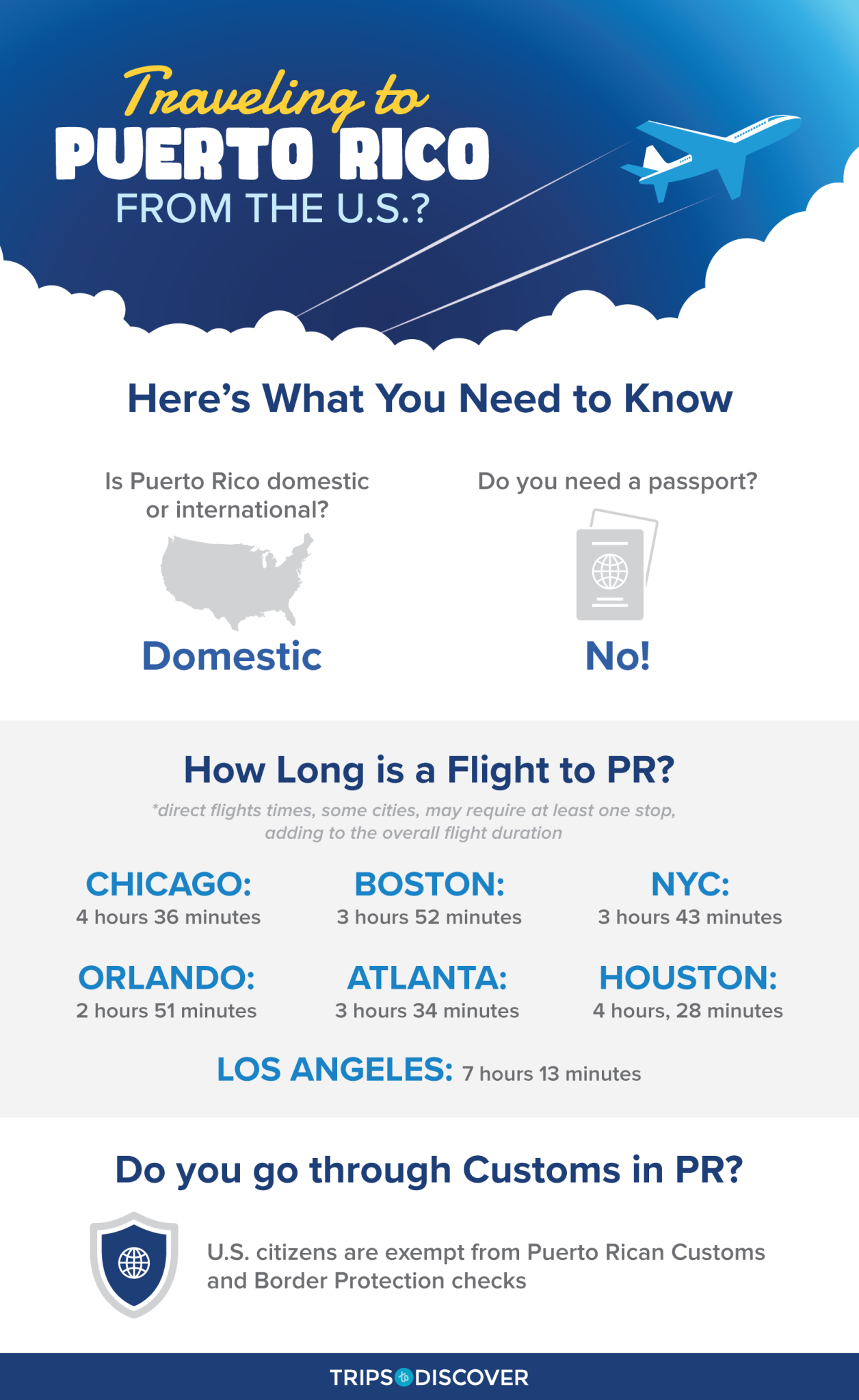
- Documentation: For US citizens, Puerto Rico remains a domestic destination. No passport is required, but you must have a REAL ID-compliant driver's license or an alternative federally accepted ID to clear TSA checkpoints as of the 2026 enforcement deadlines.
- Sustainability: Puerto Rico has increased its focus on sustainable tourism. When visiting El Yunque National Forest, check the USDA Forest Service website for the latest reservation requirements, as visitor caps are often implemented to protect the ecosystem.
- Health and Safety: Tap water in Puerto Rico is treated to US EPA standards and is generally safe to drink, though many travelers prefer bottled or filtered water in rural areas. Mosquito-borne illnesses like Dengue can flare up during the wetter months (June–November), so high-quality repellent is a packing essential.
Frequently Asked Questions
What is the absolute cheapest month to go to Puerto Rico?
September is typically the cheapest month. This is the height of hurricane season and the transition into the school year for families, leading to significant drops in airfare and hotel occupancy. Many hotels offer "low season" packages that include spa credits or meal vouchers to entice travelers.
Can I still have a good trip during hurricane season?
Yes, many travelers visit during this time without issue. The key is to monitor the weather closely and stay in San Juan or large resorts that have independent power and water systems. Most days will still feature several hours of sunshine, even if a tropical wave is passing through.
When is the best time to visit San Juan specifically?
For urban exploration, the months of March and April provide the best balance. The heat is not yet oppressive, making the walks up the steep cobblestone streets of Old San Juan more comfortable, and the rainfall is at its annual low.
How far in advance should I book a 2026 winter trip?
For travel between December 20 and January 10, you should book your flights and accommodations by July of the previous year. For the rest of the peak season, three to four months in advance is generally sufficient to find reasonable rates.
Is there a "bad" time to visit the Bioluminescent Bays?
The bays are always "active," but the visual quality depends entirely on the lunar cycle and recent rainfall. Heavy rains can wash sediment into the bays, temporarily clouding the water and reducing the visibility of the glow. Avoid the days surrounding the Full Moon if the Bio Bay is your primary reason for visiting.
Final Recommendation
For the quintessential Puerto Rican experience, aim for late April or early May. During this window, you escape the high costs and dense crowds of the winter peak while avoiding the peak humidity and hurricane risks of late summer. You will enjoy temperatures in the low 80s, lush landscapes, and lower prices at the island’s best resorts. If cultural immersion is your priority, brave the crowds in mid-January to experience the Fiestas de la Calle San Sebastián—an unparalleled celebration of Puerto Rican identity.
Image Gallery