How the VMware Acquisition Reshapes Cloud Strategy for 2026 and Beyond
The Broadcom acquisition of VMware has fundamentally shifted enterprise cloud strategy from a focus on fragmented virtualization tools to integrated, subscription-based private cloud platforms. Organizations in 2026 are now prioritizin...
The Broadcom acquisition of VMware has fundamentally shifted enterprise cloud strategy from a focus on fragmented virtualization tools to integrated, subscription-based private cloud platforms. Organizations in 2026 are now prioritizing vendor consolidation, predictable OpEx models, and hybrid cloud portability, while many are actively diversifying their infrastructure to mitigate rising licensing costs and vendor lock-in.
Contents
The Structural Pivot: From Virtualization to Integrated Cloud Platforms
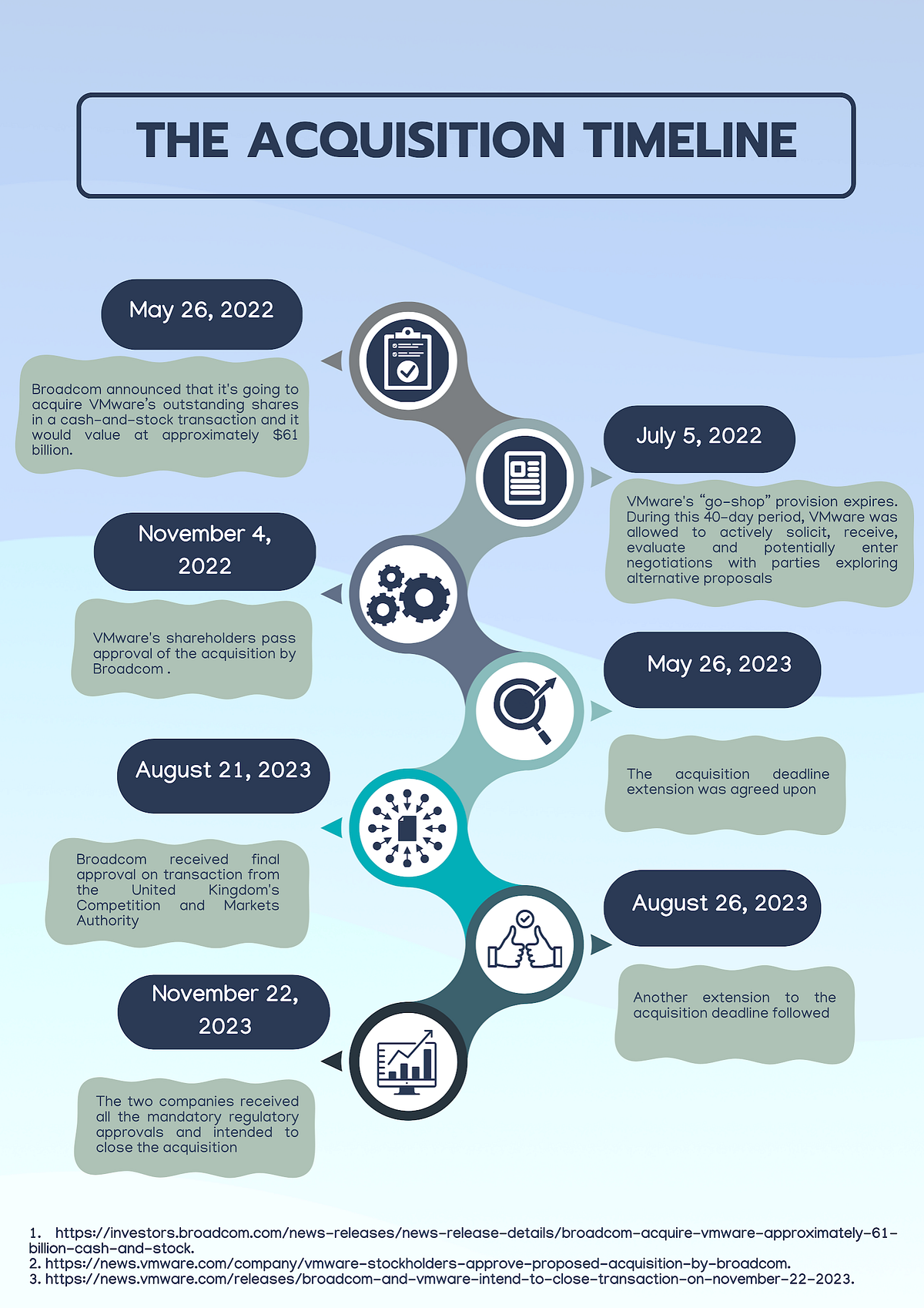
Since the completion of Broadcom’s $61 billion acquisition of VMware in late 2023, the landscape of enterprise IT has undergone a radical transformation. By 2026, the dust has settled on the initial transition period, revealing a market that no longer treats virtualization as a standalone commodity. Instead, Broadcom has forced a move toward VMware Cloud Foundation (VCF) as the primary vehicle for enterprise infrastructure.
This shift represents a departure from the "pick-and-mix" approach of the past. Previously, organizations could license vSphere, vSAN, and NSX independently, tailoring their stack to specific departmental needs. Today, the strategy is one of "radical simplification." Broadcom consolidated thousands of SKUs into a handful of core offerings, primarily VCF and VMware vSphere Foundation (VVF). This mandates that customers adopt a full-stack private cloud approach, integrating compute, storage, and networking into a single operational layer.
For many IT leaders, this integration has streamlined operations but at the cost of flexibility. The strategy is clear: Broadcom is targeting the "Global 2000"—large enterprises that require a robust, highly automated private cloud that mimics the public cloud experience on-premises. Smaller organizations, meanwhile, have had to reassess whether the full-stack requirement aligns with their more modest infrastructure needs.
The Economic Reality of Subscription-Only Licensing
The most immediate impact of the acquisition was the termination of perpetual licenses in favor of a 100% subscription-based model. By 2026, most enterprise renewal cycles have hit this new reality. The shift from Capital Expenditure (CapEx) to Operational Expenditure (OpEx) has reshaped how CFOs and CIOs collaborate on infrastructure planning.
The new pricing model is largely based on per-core licensing, which has created a complex optimization challenge. High-density server hardware, while efficient for performance, now carries a direct and significant licensing cost. Organizations have spent the last two years auditing their hardware estates to ensure they are not over-provisioned, leading to a "right-sizing" trend where older, high-core-count processors are being replaced by modern chips with better performance-per-core ratios to minimize software fees.
The financial predictability of subscriptions is a double-edged sword. While it provides a clearer view of annual run rates, the loss of perpetual "shelf-ware" means that organizations can no longer "sit" on older versions of software to save money. This has accelerated the pace of upgrades, ensuring that the environment remains secure and modern, but it has also removed the "safety valve" of deferred maintenance that many IT budgets relied upon during lean years.
Diversification and the Rise of Multi-Hypervisor Environments
The "VMware tax"—a term often used to describe the increased costs associated with the new bundles—has catalyzed a resurgence in the multi-hypervisor market. While VMware remains the dominant force in the high-end enterprise sector, 2026 sees a much more heterogeneous data center environment.
Organizations are increasingly adopting a "Best-Fit" strategy rather than a "VMware-First" strategy. This involves:
- Secondary Hypervisors: Using Nutanix AHV or Microsoft Hyper-V for less critical workloads or edge deployments to balance costs.
- Open Source Alternatives: A growing interest in KVM-based solutions and Proxmox for development environments and non-production labs.
- Public Cloud Migration: Accelerating the move of specific applications to native services in AWS, Azure, or Google Cloud to avoid the complexity of managing a private cloud stack.
This diversification is not necessarily an "exit" from VMware, but rather a strategic rebalancing. Companies are keeping their most mission-critical, high-performance databases and applications on VMware VCF due to its superior maturity and support, while offloading Tier 2 and Tier 3 services to lower-cost platforms.
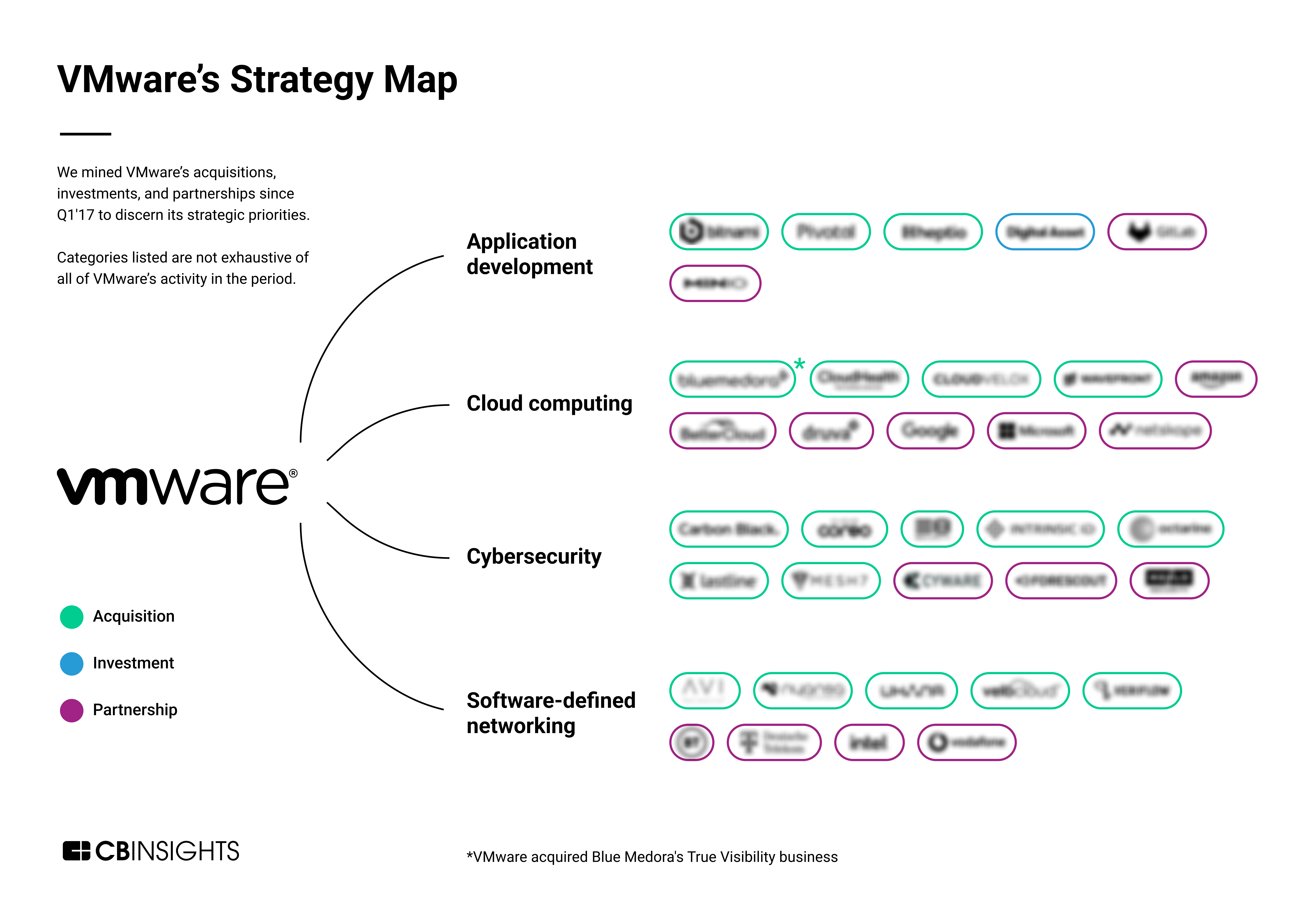
The Divestiture of EUC and Carbon Black: A Refocused Ecosystem
A key component of the post-acquisition strategy was Broadcom’s decision to divest VMware’s End-User Computing (EUC) and Carbon Black business units. The EUC division, now operating as an independent entity called Omnissa (following its acquisition by KKR), has left a gap in the "one-stop-shop" VMware portfolio.
For cloud strategy, this means that Desktop as a Service (DaaS) and Unified Endpoint Management (UEM) are no longer natively bundled with the core data center infrastructure. CIOs must now manage separate vendor relationships for their virtual desktop infrastructure (VDI) and their server virtualization. While Omnissa and Broadcom maintain strong technical partnerships to ensure interoperability, the contractual and strategic separation has forced enterprises to rethink their "digital workspace" as a distinct silo rather than an extension of the data center.
Similarly, the integration of Carbon Black into Broadcom’s Symantec division has shifted the security conversation. Security is no longer an "add-on" to the hypervisor; it is part of a broader enterprise security suite. This has encouraged many organizations to look at third-party security vendors that offer broader cross-platform support across both VMware and non-VMware environments.
Comparison of Strategic Shifts (Pre-Acquisition vs. 2026)
| Strategic Element | Pre-Acquisition Environment | Post-Acquisition (2026) Reality |
|---|---|---|
| Licensing Model | Perpetual licenses with optional SnS (Support and Subscription) | 100% Subscription-based; Per-core metrics |
| Product Structure | 1,000+ individual SKUs and point products | Consolidated bundles (VCF, VVF, vSphere Standard) |
| Hardware Strategy | Focus on maximum consolidation and density | Focus on per-core performance and efficiency |
| Primary Goal | Virtualization of server workloads | Automated Private/Hybrid Cloud Foundation |
| Vendor Relation | Broad partner ecosystem; high flexibility | Direct focus on high-value enterprise accounts |
| Ecosystem Scope | Integrated VDI, Security, and Cloud | Specialized "Best-of-Breed" third-party integrations |
Repatriation and the "Sovereign Cloud" Movement
One of the most interesting strategic shifts in 2026 is the role of VMware in the cloud repatriation and sovereign cloud movements. As public cloud costs have continued to rise and regulatory requirements (such as GDPR in Europe or various data residency laws in Asia) have tightened, many organizations are moving data back on-premises.
VMware VCF has become the "landing zone" for this repatriated data. Because it provides a consistent operational model between on-premises data centers and "VMware on Public Cloud" (like VMC on AWS or Azure VMware Solution), companies can move workloads back and forth without the massive effort of refactoring code for native cloud services.
Broadcom has leaned heavily into this by partnering with localized "Sovereign Cloud Providers." These are regional data center operators who use the VMware stack to offer cloud services that guarantee data will never leave a specific jurisdiction. This has made VMware a critical component of national digital sovereignty strategies, moving the software beyond simple enterprise utility into the realm of geopolitical infrastructure.
Practical Recommendations for Infrastructure Leaders
As we navigate the 2026 landscape, IT leaders should take the following steps to ensure their cloud strategy remains resilient:
- Conduct a Core-to-Workload Audit: Evaluate every server's physical core count against its actual performance needs. Downsizing hardware during the next refresh cycle can lead to millions in software savings under the new per-core licensing model.
- Develop a Multi-Hypervisor Strategy: Do not rely on a single vendor for 100% of your virtualization. Standardize on VMware for Tier 1 workloads but build expertise in alternatives like Nutanix or KVM for less demanding environments.
- Renegotiate Broadcom Relationships Early: Broadcom’s sales strategy is heavily focused on long-term commitments. Engaging in renewal discussions 12–18 months in advance is now standard practice to ensure budgetary alignment.
- Invest in Automation (Aria/VCF): To get the value out of the more expensive VCF bundles, you must use the automation and operations tools (formerly Aria) included in them. If you are only using the hypervisor, you are overpaying for the suite.
- Evaluate Containerization (Tanzu): The VMware acquisition has placed a heavy emphasis on Tanzu for Kubernetes orchestration. Modernizing applications into containers can provide more portability and potentially reduce the long-term reliance on the VM-layer licensing.
FAQ: Navigating the New VMware Landscape
What happened to the VMware products for small businesses?Broadcom significantly reduced the offerings for the Small and Medium Business (SMB) market. Most small-scale bundles like "Essentials" were replaced by vSphere Essentials Plus, which is now a subscription-based product with limited scale. Many SMBs have migrated to cloud-native setups or simpler hypervisor solutions to avoid the complexity and cost of the enterprise-focused VCF.
Can I still buy perpetual licenses if I have a specific legal requirement?As of 2026, Broadcom has effectively ended the sale of all new perpetual licenses. While some existing perpetual licenses may still be functional if they were "grandfathered" in, they no longer receive security updates or support once the original contract expires. Transitioning to a subscription is the only way to maintain a supported environment.
How has support changed under Broadcom?Support has been reorganized to prioritize the largest customers. Enterprises on VCF contracts typically receive "Select Support," providing faster response times. Smaller customers often find themselves relying more on a global network of VMware-certified partners and resellers who have taken a larger role in day-to-day troubleshooting and implementation.
Is it possible to move from VMware to the public cloud to save money?It depends on the workload. While moving to native AWS or Azure services eliminates the VMware license fee, the operational cost of the public cloud can often exceed on-premises costs for steady-state workloads. Many companies find that a hybrid approach—using Azure VMware Solution (AVS) or Google Cloud VMware Engine (GCVE)—is a faster way to exit the data center without the risk of a full refactor.
Is Nutanix the only viable alternative to VMware?While Nutanix is the most direct competitor for hyperconverged infrastructure (HCI), other options include Microsoft Hyper-V (particularly for Windows-heavy shops), OpenStack for massive private clouds, and Proxmox for smaller, cost-conscious organizations. The "right" alternative depends entirely on your internal Linux/Windows expertise and your hardware ecosystem.
The VMware acquisition has ultimately matured the cloud market. It has ended the era of "cheap and easy" virtualization and ushered in an era of strategic, high-value private cloud infrastructure. For the enterprise, the challenge is no longer just "how to virtualize," but how to orchestrate a complex, multi-platform environment that balances the power of VMware with the fiscal necessity of diversification.
Image Gallery