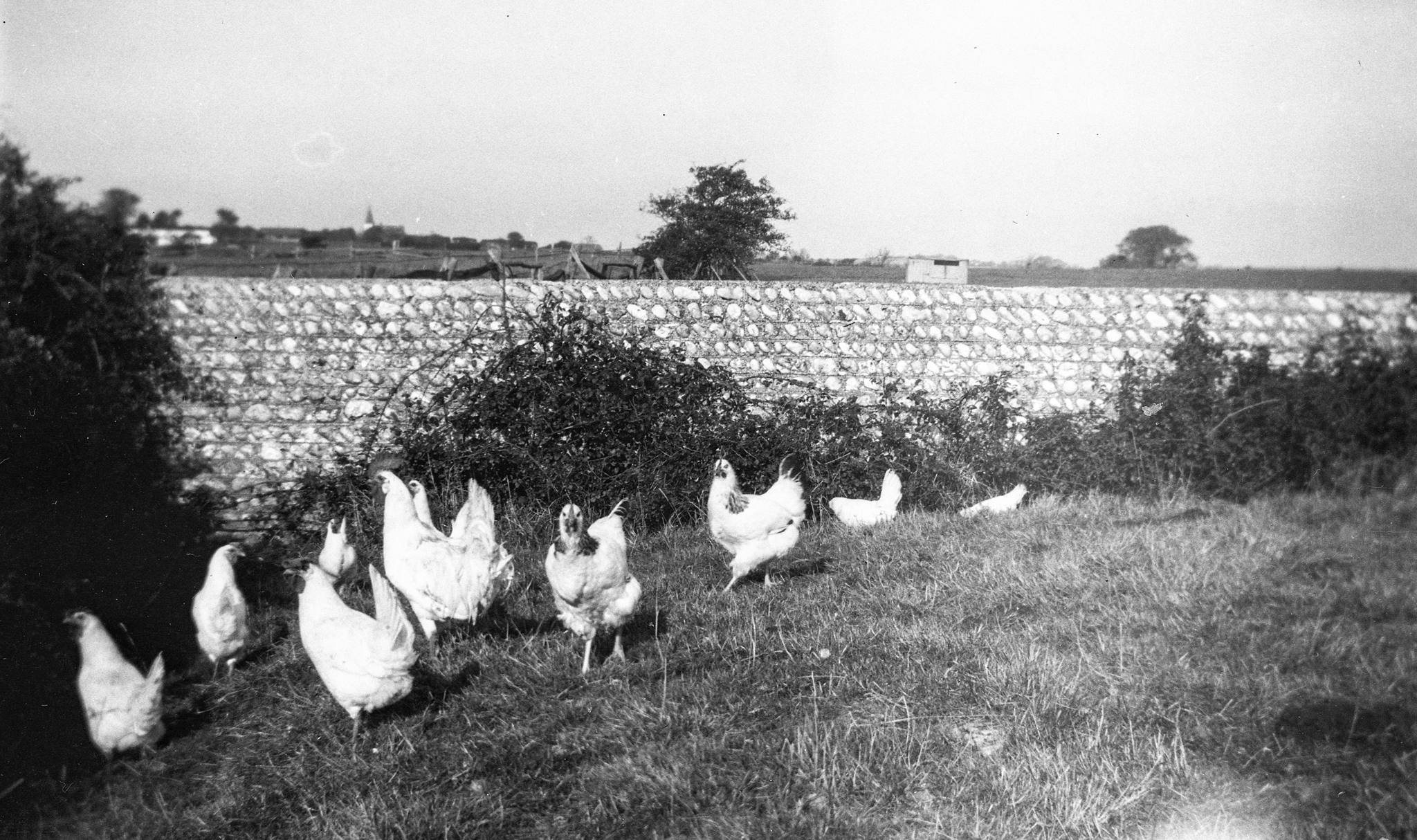
How Old Is the Chicken? Methods for Estimating Poultry Age
Determining a chicken's age requires examining physical indicators such as leg texture, feather condition, and comb development. While an exact birth date is difficult to pinpoint without records, you can estimate age by observing leg...
Determining a chicken's age requires examining physical indicators such as leg texture, feather condition, and comb development. While an exact birth date is difficult to pinpoint without records, you can estimate age by observing leg scales (smooth in youth, rough in age), the presence of spurs, and reproductive markers like egg frequency and vent elasticity.
Contents
Accurately identifying the age of a chicken is a fundamental skill for backyard keepers, farmers, and livestock traders. Whether you are inheriting a flock, purchasing "started pullets," or managing a multi-generational coop, knowing a bird’s life stage dictates its nutritional requirements, expected egg yield, and susceptibility to specific health conditions. As of 2026, the resurgence of heritage breeds and sustainable homesteading has made it even more vital to distinguish between productive young hens and aging "retired" birds that may require different care protocols.
The Developmental Timeline: From Chick to Senior
To understand how to age a chicken, one must first understand the biological milestones they pass through. Chickens are generally categorized into four primary life stages: chicks, pullets/cockerels, productive adults, and seniors.
The Chick Phase (0–8 Weeks)
During the first two months, aging is relatively simple because the bird undergoes rapid, visible changes weekly. Chicks are born covered in down. By week two, primary wing feathers begin to sprout. By week six to eight, most of the down has been replaced by juvenile feathers. If the bird still has patches of fuzzy down on its head or neck, it is almost certainly under eight weeks old.
The Pullet and Cockerel Phase (8–20 Weeks)
A "pullet" is a female chicken under one year of age, while a "cockerel" is her male counterpart. This is the avian equivalent of adolescence. During this phase, birds grow to their near-adult size, but their features remain "clean." Their combs and wattles are often pale pink and small. As they approach 18 to 20 weeks, these features will redden significantly, signaling the onset of sexual maturity and the first egg.
Productive Adulthood (1–3 Years)
This is the peak period for egg production and physical vigor. A hen in this age bracket will have vibrant, tight feathering and a regular laying cycle. After the first year, chickens undergo their first adult molt, a process where they shed old feathers and grow new ones.
The Senior Years (4+ Years)
While some chickens can live 8 to 12 years, their productivity drops significantly after year three. Senior birds often show signs of "wear and tear," such as thicker leg scales, slower movements, and a decreased interest in the social hierarchy of the flock.
Examining the Legs and Feet: The Most Reliable Marker
If you are looking at an adult bird and cannot rely on feather color, the legs provide the most consistent clues. The skin on a chicken's legs is comprised of scales made of keratin.
Scale Texture and Appearance
In young birds (under 2 years), the shanks—the part of the leg between the hock and the foot—are typically smooth, shiny, and the scales lie very flat against the bone. As a chicken ages, these scales become thicker and rougher. By year three or four, the scales may begin to lift slightly or appear "crusty."
In 2026, many poultry enthusiasts use leg health as a primary diagnostic tool. It is important to distinguish between natural aging and scaly leg mites (Knemidocoptes mutans). While age causes the scales to toughen, mites cause them to protrude aggressively with white, crusty buildup. A healthy five-year-old hen will have thick, weathered legs, but they should not be deformed.
Spur Development in Roosters
Spurs are the bony protrusions on the inside of a rooster's leg. While some hens (especially Mediterranean breeds) can grow spurs, they are primarily a male trait.
- Under 6 months: A small, soft "nub."
- 1 year: A hardened spur, usually less than half an inch long.
- 2+ years: The spur becomes curved and sharp.
- 3+ years: Spurs can grow over an inch in length and may start to spiral or require trimming for the bird's safety.
Feathers and the Molting Cycle
Feathers are an excellent indicator of whether a chicken is in its first, second, or third year of life. Chickens generally undergo a full molt once a year, typically in the autumn as daylight decreases.
The First Adult Molt
A chicken hatched in the spring will usually not molt during its first autumn. Instead, it continues laying through the winter or takes a brief break. Its first full molt typically occurs when the bird is 15 to 18 months old. If you observe a hen in the late autumn with extremely ragged, broken, or faded feathers, she is likely approaching her first molt (roughly 1.5 years old). If she has pristine, glossy new feathers in early winter, she has just completed a molt.
Feather Pigmentation (Bleaching)
In breeds with yellow skin and legs (like Leghorns or Rhode Island Reds), the yellow pigment (xanthophyll) is diverted from the body to the egg yolks. This creates a "bleaching" effect.
- Vent: Loses yellow color after just a few eggs.
- Eye ring: Fades next.
- Beak: Fades from the base to the tip over 6–8 weeks of laying.
- Shanks: These are the last to fade, taking 4–6 months of heavy laying to turn white/pale.
If you see a hen with bright yellow legs in the middle of summer, she is either very young (just started laying) or she is not laying eggs at all. A hen with pale, bleached-out legs is likely at least 1 year old and has been highly productive.
The Reproductive System and Body Condition
Since most people keep chickens for eggs, assessing the reproductive "machinery" is a practical way to gauge age.
The Comb and Wattles
The comb (the fleshy crest on the head) and wattles (under the chin) act as a visual status report for the bird’s hormones.
- Immature: Small, pale, and slightly cool to the touch.
- Laying Hen (1–3 years): Large, bright red, waxy, and warm. This indicates high estrogen levels and active egg production.
- Senior/Non-Laying: The comb may shrink and become dull or flaky. While a bird's comb can pale during a molt, a permanently shrunken, pale comb in a non-molting bird usually suggests a hen is past her prime laying years.
The Vent and Pelvic Bones
Professional poultry culling often involves physical palpation. In a young, active layer, the vent (the opening where eggs and waste exit) is wide, moist, and oval-shaped. In an older bird or one that has stopped laying, the vent is small, round, and dry.
Furthermore, you can measure the distance between the pelvic bones (located on either side of the vent).
- Young Layer: 2 to 3 fingers width between the bones.
- Older/Non-Layer: 1 finger width or less, as the bones "close up" when production ceases.
| Feature | Young (0-12 Months) | Prime (1-3 Years) | Senior (4+ Years) |
|---|---|---|---|
| Legs | Smooth, shiny, sleek scales | Toughening, slight wear | Thick, rough, potentially lifted scales |
| Comb | Small, pink (initially) | Bright red, large, waxy | May be duller, shrunken, or dry |
| Feathers | Pristine, uniform | Annual molting signs, ragged before molt | Slower regrowth, less gloss |
| Egg Output | Just starting (small eggs) | High (5-7 eggs/week for many) | Low (1-2 eggs/week or none) |
| Spurs (M) | Small nubs | 0.5 to 1 inch, sharp | Over 1 inch, may curve |
| Activity | High, flighty, curious | Steady, dominant in flock | Slower, spends more time resting |
Behavior and Social Standing
While less scientific than physical markers, behavior offers context. Young chickens are often more "flighty" and energetic. They spend a significant amount of time exploring and may be at the bottom of the pecking order.
As chickens reach years two and three, they become more settled. These are often the "top hens" in the flock. Senior chickens (5+ years) often develop a grandmotherly status. They move more slowly, may develop arthritis in their joints, and are less likely to engage in aggressive squabbles over food. In 2026, avian welfare guidelines emphasize that these older birds still provide value to a flock through social stability and "mentoring" younger chicks, even if their egg production has ceased.
Frequently Asked Questions
How can I tell if a hen is too old to lay eggs?
Most hens significantly slow down egg production after age three and may stop entirely by age five or six. To check, feel the distance between the pelvic bones. If the bones are tight and the vent is dry and puckered, she is likely not laying. Additionally, check for "bleaching" in yellow-skinned breeds; if her legs are bright yellow, she hasn't diverted pigment to egg yolks recently.
What is the maximum lifespan of a chicken?
While the average backyard chicken lives 5 to 8 years, it is not uncommon for well-cared-for birds to reach 10 or 12 years. The official world record is held by a hen named Muffy, who lived to be 23, and more recently, a hen named Peanut reached 21 years of age. Factors like predator protection and high-quality nutrition are the primary drivers of longevity.
Do roosters' spurs continue to grow forever?
Yes, spurs are living tissue covered in a keratin sheath and continue to grow throughout the rooster's life. In older roosters, these can become a hazard to the bird himself or to the hens during mating. They can be safely trimmed or filed down by a veterinarian or an experienced keeper to prevent injury.
Why did my young hen stop laying?
Age is not the only factor. If a young hen (1–2 years old) stops laying, it is often due to molting, decreased daylight hours, stress, or nutritional deficiencies. In 2026, ensure your feed contains at least 16% protein and 3.5% calcium to support eggshell formation. If the bird appears lethargic, she may be "egg-bound," which is a medical emergency regardless of age.
Can you tell a chicken's age by its weight?
Weight is a poor indicator of age. A chicken reaches its full adult weight by about 8 to 10 months. After that, weight fluctuations are usually due to breed, diet, or health status (such as obesity or reproductive tumors) rather than aging. A heavy hen is more likely to be an adult, but a light hen could be either a pullet or an undernourished senior.
Practical Recommendations for Flock Management
When assessing a chicken's age, always use a multi-point inspection. Never rely on just the legs or just the feathers. A hen might have rough legs due to a previous mite infestation but still be a young, productive layer. Conversely, a senior hen might have beautiful feathers if she just finished a molt but have pelvic bones that indicate she is retired from laying.
For those purchasing chickens in 2026, request records or "hatch dates." If buying from a source without records, prioritize birds with smooth legs, bright red combs, and wide pelvic spacing. For existing flocks, consider using colored leg bands to track age cohorts. For example, use blue bands for birds hatched in 2024, green for 2025, and red for 2026. This simple system removes the guesswork and ensures you can provide the correct life-stage nutrition and make informed culling or retirement decisions for your birds.
Image Gallery