Complete Guide to License Plate Sticker Renewal in 2026
Renewing your license plate sticker is an essential administrative task that ensures your vehicle remains legally registered for operation on public roadways. Timely renewal prevents costly traffic citations, late fees, and potential a...
Renewing your license plate sticker is an essential administrative task that ensures your vehicle remains legally registered for operation on public roadways. Timely renewal prevents costly traffic citations, late fees, and potential administrative holds on your vehicle title, while providing state and local transportation departments with up-to-date validation for tolling, automated safety enforcement, and emergency response infrastructure.
Contents
Understanding the License Plate Sticker Renewal Framework
Vehicle registration validation relies on visual decals or stickers affixed to license plates, accompanied by a physical registration card kept inside the vehicle. The primary objective of the renewal process is to verify that your vehicle meets all state-mandated safety, environmental, and financial obligations.
As regulatory frameworks evolve, departments of motor vehicles (DMVs) and equivalent regional licensing bodies have modernized their issuance pathways. In 2026, motorists have access to a hybridized ecosystem of renewal methods, ranging from traditional over-the-counter county clerk visits to instant online processing portals and self-service kiosks deployed in retail grocery stores.
Core Prerequisites for Valid Renewal
Before initiating your renewal application, several baseline requirements must be satisfied. Attempting to renew without these prerequisites will trigger system rejections or administrative delays.
- Active Auto Insurance: Most jurisdictions require continuous minimum liability insurance coverage. State databases often verify insurance electronically via National Association of Insurance Commissioners (NAIC) company codes and policy numbers.
- Passing Emissions or Safety Inspection: If your vehicle is registered in a county or district enforcing air quality compliance, you must complete an OBD-II emissions test or physical safety inspection prior to renewal. Inspection data typically transmits electronically to the state database within 24 to 48 hours.
- Settled Toll and Parking Violations: Many states utilize integrated DMV databases to block registration renewals for motorists with unpaid municipal parking tickets, toll plaza violations (e.g., E-ZPass or TollTag balances), or red-light camera fines.
- Current Personal Information: Your residential address and mailing address must match state records to ensure your new registration card and validation sticker reach you without postal interruption.
Step-by-Step Guide to Completing Your Sticker Renewal
Executing a smooth renewal requires following a structured workflow. Whether you choose a digital or physical channel, adhering to the required sequence prevents processing errors.
- Gather Your Documentation: Locate your renewal notice, current registration card, or license plate number combined with the last four digits of your Vehicle Identification Number (VIN).
- Resolve Outstanding Compliance Items: Verify that your vehicle inspection is current and that you have paid any outstanding municipal or toll fines linked to your plate.
- Select a Processing Channel: Choose between online state portals, third-party retail kiosks, mail-in applications, or in-person DMV service counters.
- Submit Payment: Pay the statutory registration fees, local county surcharges, and any processing convenience fees using an accepted payment method (credit card, debit card, or electronic check).
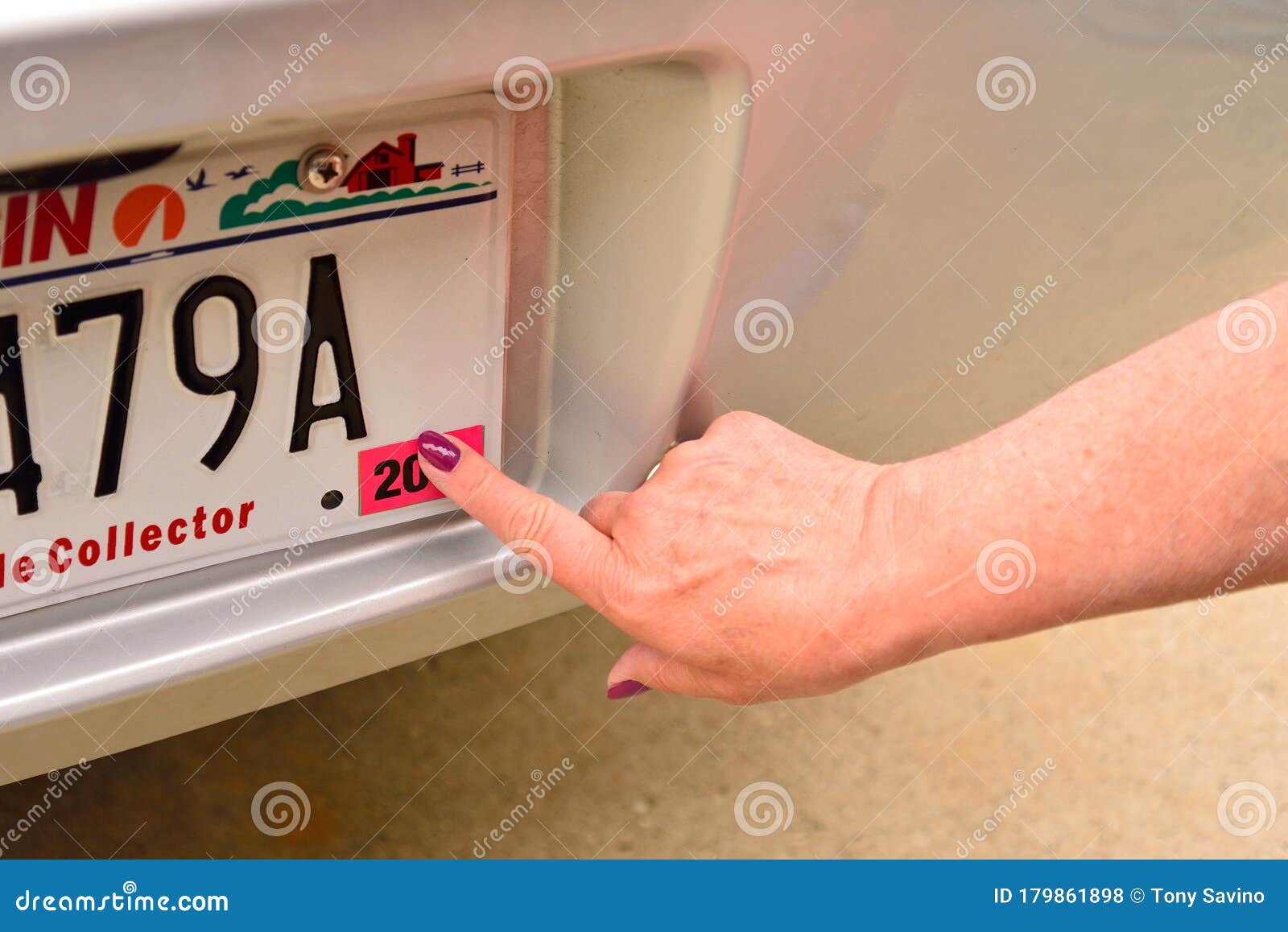
- Affix the New Sticker: Upon receiving your physical sticker, clean the designated area on your license plate thoroughly, remove the expired decal, and apply the new 2026/2027 validation sticker.
Comparative Analysis of Renewal Channels
Motorists can choose from several distinct channels to process their license plate sticker renewals. Each option carries specific processing speeds, cost implications, and operational considerations.
| Renewal Method | Typical Processing Time | Convenience Level | Potential Extra Fees | Best Suited For |
|---|---|---|---|---|
| Online State Portal | Instant (Digital receipt) / 3-7 days (Mail) | High | Minimal or credit card processing fee | Tech-savvy motorists with up-to-date inspections |
| Retail Self-Service Kiosks | Instant (Printed on the spot) | Very High | Small kiosk operator fee ($3 - $5) | Last-minute renewals needing immediate stickers |
| In-Person DMV Office | Instant (Processed at counter) | Low to Moderate | None (standard fee applies) | Complex title transfers or flagged accounts |
| Mail-In Application | 2 to 3 weeks | Low | Postage costs | Motorists without digital access or card payment methods |
Financial Obligations and Fee Structures
The total cost associated with license plate sticker renewal varies significantly depending on your geographic jurisdiction, vehicle classification, and environmental standards. States implement diverse fee formulas to fund road maintenance, public transit, and administrative operations.
- Flat Registration Fees: A standardized baseline charge applied to all standard passenger vehicles.
- Ad Valorem or Weight-Based Surcharges: Many states calculate a portion of the fee based on the vehicle’s manufacturer's suggested retail price (MSRP), age, or total weight, placing higher burdens on heavier commercial vehicles and luxury automobiles.
- Alternative Fuel and Electric Vehicle (EV) Fees: To compensate for lost motor fuel tax revenue used for highway maintenance, numerous jurisdictions levy an annual supplemental registration fee for hybrid, plug-in hybrid, and fully electric vehicles.
- Late Penalties: Failing to renew your sticker before the expiration date triggers compounding late fees or monthly penalty increments, which can accumulate rapidly depending on state statutes.
Common Pitfalls and Troubleshooting Strategies
Navigating the renewal process occasionally presents unexpected hurdles. Recognizing these common failure points helps motorists resolve issues swiftly without incurring legal penalties.
Inspection Block Failures: If your online renewal is blocked due to a missing inspection record, verify that the testing facility entered your correct VIN and license plate number. If the inspection was completed within the last 24 hours, allow the electronic clearinghouse time to synchronize with the DMV database before attempting payment again.
Undelivered Stickers: If your renewal was processed successfully online but the physical sticker fails to arrive within 14 business days, contact your state's motor vehicle agency immediately. Driving with an expired sticker while awaiting delivery can still result in a traffic stop, though most jurisdictions provide a digital receipt or temporary operating permit that can be printed or displayed on a mobile device.
Address Discrepancies: Moving without updating your address with the DMV invalidates your renewal notice delivery and can delay electronic verification. Always update your domicile address online prior to initiating the registration renewal workflow.
Frequently Asked Questions
Can I renew my license plate sticker if I have unpaid parking tickets?
Most states enforce a registration hold policy that blocks sticker renewal until all outstanding municipal parking fines and toll violations are fully satisfied. You must clear these balances through the issuing municipality or toll authority before the DMV system will process your renewal transaction.
What documents do I need to bring for an in-person renewal?
To renew at a DMV counter or self-service kiosk, you should bring your current registration card or renewal notice, proof of active automobile liability insurance, and a valid government-issued photo identification. If an inspection is required and not already verified electronically, bring your physical inspection certificate.
How early can I renew my license plate sticker before it expires?
Most jurisdictions permit motorists to renew their vehicle registration up to 60 to 90 days prior to the official expiration date. Early renewal is strongly recommended to buffer against mailing delays, unexpected inspection failures, or administrative paperwork discrepancies.
What should I do if my renewal sticker is lost or stolen after I receive it?
If your valid sticker is lost, damaged, or stolen, you must file a replacement application with your state's motor vehicle department. This typically requires completing a specific replacement form, submitting a small statutory replacement fee, and receiving a new decal to prevent law enforcement inquiries.
Does an electric vehicle require a special sticker or higher renewal fee?
While standard validation stickers are generally used, many states charge an elevated annual registration fee for electric vehicles to offset traditional gas tax contributions. Additionally, some regions issue distinct colored or coded decals to identify clean-air vehicles for HOV lane privileges.
Is it legal to drive with expired stickers if I have my online renewal receipt?
Regulations vary by state and local law enforcement discretion. While a printed online renewal receipt demonstrates that you have paid your fees, some police jurisdictions may still pull over vehicles displaying expired physical decals until the official sticker is properly affixed to the license plate.
Strategic Maintenance Recommendation
To avoid the stress of last-minute compliance scrambles, establish a personal calendar reminder 45 days prior to your vehicle's registration expiration month. Complete any mandatory emissions tests immediately, verify your insurance coverage is active, and utilize online portals or retail kiosks to secure your new sticker well in advance of the deadline.
Image Gallery