Understanding Character Characteristics in Narrative Design
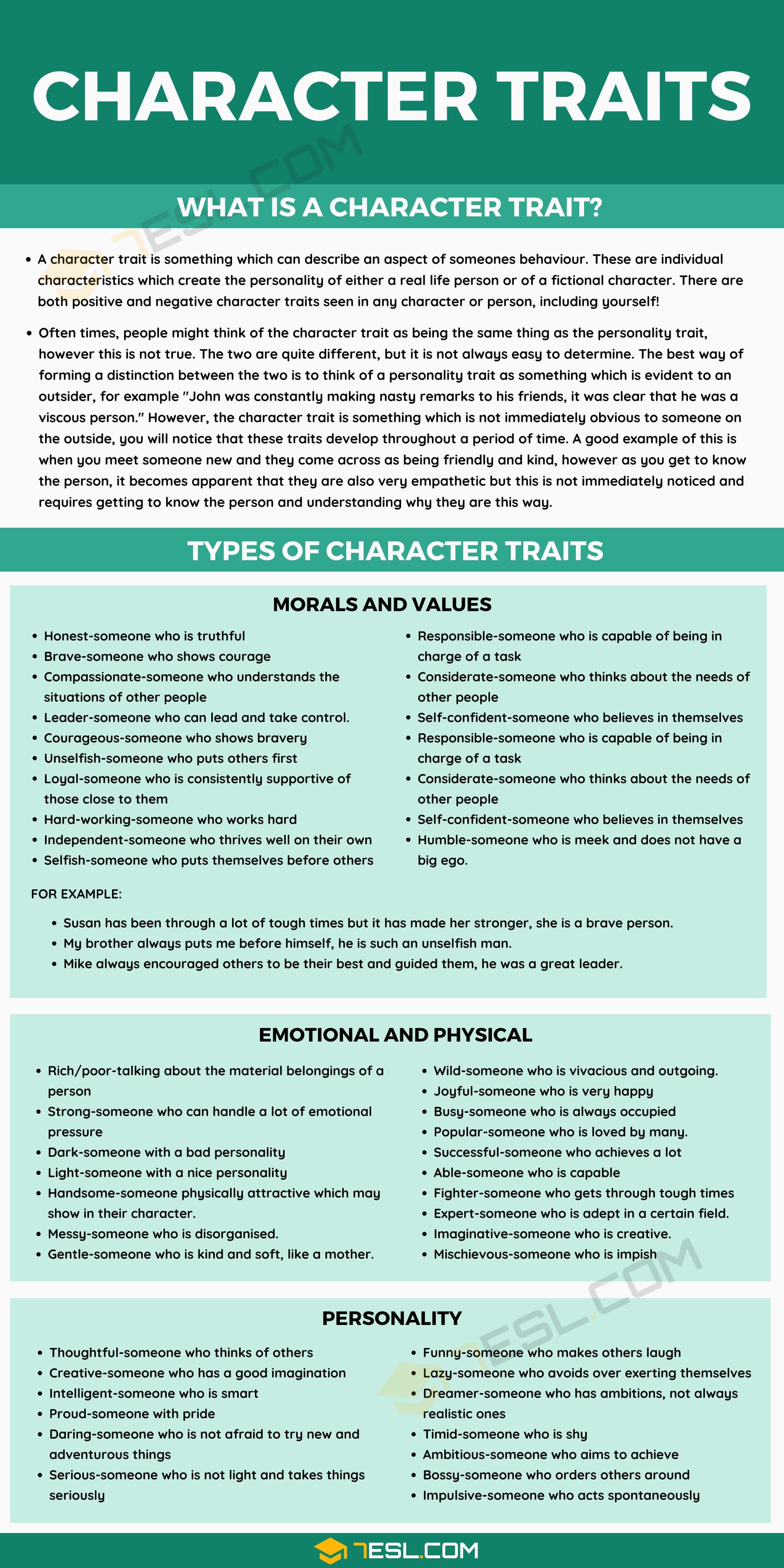
Character characteristics in narrative design define the psychological traits, visual indicators, moral frameworks, and gameplay mechanics that dictate how a character acts, responds, and evolves within an interactive story. Unlike lin...
Character characteristics in narrative design define the psychological traits, visual indicators, moral frameworks, and gameplay mechanics that dictate how a character acts, responds, and evolves within an interactive story. Unlike linear mediums, narrative design requires character traits to align seamlessly with player agency, systemic mechanics, and branching story structures to maintain consistency.
Contents
The Role of Character Characteristics in Interactive Storytelling
In traditional mediums like novels and film, character characteristics serve a purely linear arc. A protagonist’s internal conflict, physical limitations, and moral boundaries are defined by the author and witnessed passively by the audience. In interactive narrative design, character traits operate under a dual mandate: they must inform the story arc while simultaneously defining or reacting to player choice and gameplay mechanics.
When narrative designers craft character traits for interactive media—such as video games, tabletop role-playing games (RPGs), or immersive VR experiences—they establish boundaries for systemic behavior. A character's bravery is not merely shown in a cutscene; it is reflected in their willingness to move forward under low health, their dialogue choices during high-stress encounters, or the passive buffs they provide to teammates.
Understanding character characteristics requires breaking down human behavior into actionable components that can be translated into script lines, dialogue trees, conditional code, and animation sets. When character design fails to account for player agency, it risks creating ludonarrative dissonance, where the player's actions in gameplay contradict the character's established traits in the narrative.
- Core Character Design Triad
- Psychological: Motivations, Flaws & Beliefs
- Expressive: Visuals/Voice, Animation
- Ludic: Mechanics, Affordances
Anatomy of Character Characteristics: The Three Pillars
To build compelling cast members in narrative design, creators organize characteristics into three interconnected categories: Psychological, Expressive, and Ludic. Balancing these three pillars ensures that characters feel cohesive across cinematics, written text, and real-time gameplay.
1. Psychological Characteristics (Internal World)
Psychological characteristics form the backbone of a character's internal logic. They dictate why a character makes decisions, what they fear, and how they perceive the world around them.
- Core Motivation (The Need vs. The Want): The "Want" represents the character's external goal (e.g., retrieving an artifact), while the "Need" represents their internal growth requirement (e.g., learning to trust others). In branching narratives, player choices often force a confrontation between these two desires.
- Flaws and Vulnerabilities: Unflappable heroes create flat interactive experiences. Flaws provide friction and give players meaningful obstacles to navigate. A character driven by pride might refuse assistance, which can unlock specific negative outcome branches in dialogue trees.
- Moral Alignment and Belief Systems: These form the ruleset by which a character judges actions. Defining a character’s ethical boundaries helps writers build choices where every outcome requires a trade-off rather than presenting simple "good" or "evil" options.
2. Expressive Characteristics (External Identity)
Expressive characteristics represent how a character presents themselves to the world and how the audience perceives them visually, audibly, and kinesthetically.
- Dialogue Voice and Register: Vocabulary, cadence, sentence structure, and tone establish identity quickly. A technical scientist uses precise jargon and measured phrasing, whereas a street-smart operative relies on colloquialisms, abbreviations, and rapid pacing.
- Visual Design and Silhouettes: Visual characteristics communicate background before a line of dialogue is spoken. Scars, posture, clothing wear, and equipment reflect a character's history and functional role within the world.
- Kinesics and Body Language: Idle animations, walking gaits, and facial expressions during key choices convey internal states. A nervous companion might adjust their armor repeatedly during dialogue in high-threat areas.
3. Ludic Characteristics (Interactive Mechanics)
Ludic characteristics are unique to interactive media. They translate psychological and physical traits into rules, variables, and systems that players directly manipulate or experience.
- Player Affordances and System Limits: What a character can or cannot do within the game engine reflects who they are. A nimble thief can parkour across rooftops, while a heavily armored paladin is restricted to ground movement, reinforcing their distinct characteristics through game feel.
- Status Effects and Stress Systems: Translating psychological states into mechanical penalties—such as panic meters, sanity degradation, or stamina debuffs—forces the player to feel the character's internal struggles.
- Resource Management Dependencies: A character obsessed with control might have mechanics built around resource hoarding or tactical preparation phases, binding narrative identity directly to game loops.
Structural Framework for Character Characteristics
When developing character characteristics, narrative teams use structured profiling matrices to ensure alignment between writing, art, and game design departments. The matrix below outlines how character traits are mapped across narrative and systemic functions.
| Characteristic Type | Narrative Function | Gameplay/Systemic Implementation | Design Department Integration |
|---|---|---|---|
| Psychological: Trauma/Fear | Drives emotional conflict and influences dialogue branch availability. | Triggers high-stress status effects, camera shake, or loss of control during specific encounters. | Narrative Design + Systems Design |
| Expressive: Visual Silhouette | Instantly communicates origin, role, and physical state to the player. | Determines hitboxes, movement speed animations, and gear customization slots. | Art Direction + Animation |
| Expressive: Dialogue Voice | Establishes personality, social class, and emotional stance. | Controls voice-over trigger logic, dynamic bark frequency, and subtitles styling. | Audio Team + Writing Team |
| Ludic: Core Competency | Defines the character's practical utility within the narrative cast. | Unlocks specific puzzle solutions, hacking abilities, or combat specializations. | Level Design + Mechanics |
| Ludic: Moral Threshold | Establishes dynamic companion reactions to player choices. | Alters loyalty meters, companion combat assistance, or party retention flags. | Dialogue Architecture + AI Engineering |
Designing Characteristics for Player Agency and Branching Narratives
One of the greatest challenges in narrative design is maintaining coherent character characteristics when players control the protagonist's decisions. If a character can act like a saint in one scene and a sociopath in the next, their identity collapses. Narrative designers employ specific techniques to mitigate this issue.
The Bounded Choice Model
Rather than allowing unlimited freedom, narrative designers construct dialogue options and choices within the established boundaries of the character’s core personality. If a character is fundamentally honest, their dialogue options should not offer outright deceit unless the plot explicitly introduces a compelling motivation to break that boundary.
Instead of presenting choices along a simple spectrum of good versus evil, choices should offer different interpretations of the character's traits:
- Pragmatic Action: Prioritizes efficiency and survival.
- Idealistic Action: Prioritizes core moral principles, regardless of cost.
- Empathetic Action: Prioritizes interpersonal connection and emotional support.
All three choices fit a coherent personality while giving the player agency over the protagonist's tactical and emotional priorities.
- Established Character Identity
- Pragmatic Choice (Focus: Efficiency)
- Idealistic Choice (Focus: Principles)
- Empathetic Choice (Focus: Connection)
Dynamic Character Arc Tracking
In non-linear narratives, character traits can evolve based on cumulative player actions. Narrative design systems use internal variables—often referred to as morality vectors, personality flags, or disposition scores—to track player tendencies over time.
If a player consistently selects aggressive options, the game engine updates the protagonist's baseline characteristics. NPCs may react with heightened caution, idle animations may become tenser, and exclusive high-aggression dialogue branches may unlock naturally in later acts.
Common Pitfalls in Character Narrative Design
Designing character traits for interactive systems introduces complex edge cases. Avoiding these structural pitfalls is critical during pre-production.
1. The Ludonarrative Dissonance Trap
Ludonarrative dissonance occurs when a character's narrative presentation directly contradicts their gameplay actions. For example, if a protagonist is characterized in cutscenes as a gentle pacifist who deeply values human life, but spends gameplay loops eliminating hundreds of enemies without remorse, the narrative integrity breaks down.
- Mitigation Strategy: Align character traits with systemic loops. If the story requires a non-violent protagonist, game design must prioritize stealth, non-lethal subduing tactics, or verbal negotiation mechanics over standard combat mechanics.
2. Trait Inflation and Archetype Reliance
Relying entirely on surface-level tropes (e.g., "the brooding rogue" or "the cynical mentor") creates predictable, unengaging characters. Conversely, overloading a character with dozens of conflicting, unexamined traits makes them feel unfocused.
- Mitigation Strategy: Focus on one central internal contradiction. A noble warrior who secretly fears cowardice, or a chaotic hacker who rigidly adheres to a personal code of honor, provides sufficient depth for an interactive arc without overwhelming the team's production capacity.
3. Over-Designing Without Mechanical Purpose
Drafting a 50-page backstory for a character is meaningless if none of those historical traits influence dialogue options, quest structures, environment design, or combat encounters.
- Mitigation Strategy: Apply the principle of ludic utility. Every major character trait defined in the narrative bible should connect to at least one player choice, mechanical state, or systemic interaction.
Frequently Asked Questions
How do narrative designers balance player choice with a fixed character trait?
Designers use bounded choice systems. Instead of letting players choose any possible action, choices are filtered through the character's established persona. The player decides how the character expresses their core traits (e.g., solving a problem with cold logic versus emotional plea), not who the character fundamentally is.
What is the difference between character design in fiction and narrative design in games?
Character design in traditional fiction focuses entirely on linear storytelling, prose, and emotional beats intended for passive consumption. Narrative design maps character traits onto interactive systems, branching dialogue trees, player choices, and gameplay mechanics, requiring cross-departmental integration with game programmers, artists, and level designers.
How can gameplay mechanics directly communicate character flaws?
Mechanics convey flaws by introducing systemic limitations or penalties that reflect internal struggles. Examples include stamina penalties when a character panics, loss of player control during anger episodes, or mechanics that penalize players for failing to manage a character's addictions or phobias.
Why are character bibles important for team alignment in game development?
A character bible outlines a character's backstory, voice guidelines, behavioral rules, visual hooks, and mechanical attributes. It serves as a single source of truth for writers, voice actors, animators, and game designers, ensuring the character remains consistent across cutscenes, systemic gameplay, and marketing materials.
How do non-player characters (NPCs) use characteristics to drive emergent gameplay?
NPCs utilize systemic characteristics—such as loyalty thresholds, fear values, faction ties, and aggression meters—to react dynamically to player choices. Rather than relying entirely on scripted events, procedural narrative systems evaluate these traits to trigger contextual reactions, bark lines, or systemic betrayal events during gameplay.
Next Steps for Narrative Designers
To apply character characteristics effectively in your narrative design workflow, consider implementing the following actionable processes:
- Draft a Functional Character Matrix: Create a one-page document mapping each primary character trait to a specific writing prompt, visual cue, and gameplay mechanic.
- Audit for Ludonarrative Harmony: Review your game's primary gameplay loop alongside your script. Flag any instance where player actions run counter to the protagonist's stated motivations.
- Implement Bounded Dialogue Nodes: Structure your dialogue trees to reflect distinct philosophical approaches to a problem rather than standard moral extremes.
- Test Trait Consistency Early: Run paper-playtests or greybox narrative prototypes to evaluate whether playtesters perceive the character's motivations accurately through systemic interactions alone.
Image Gallery