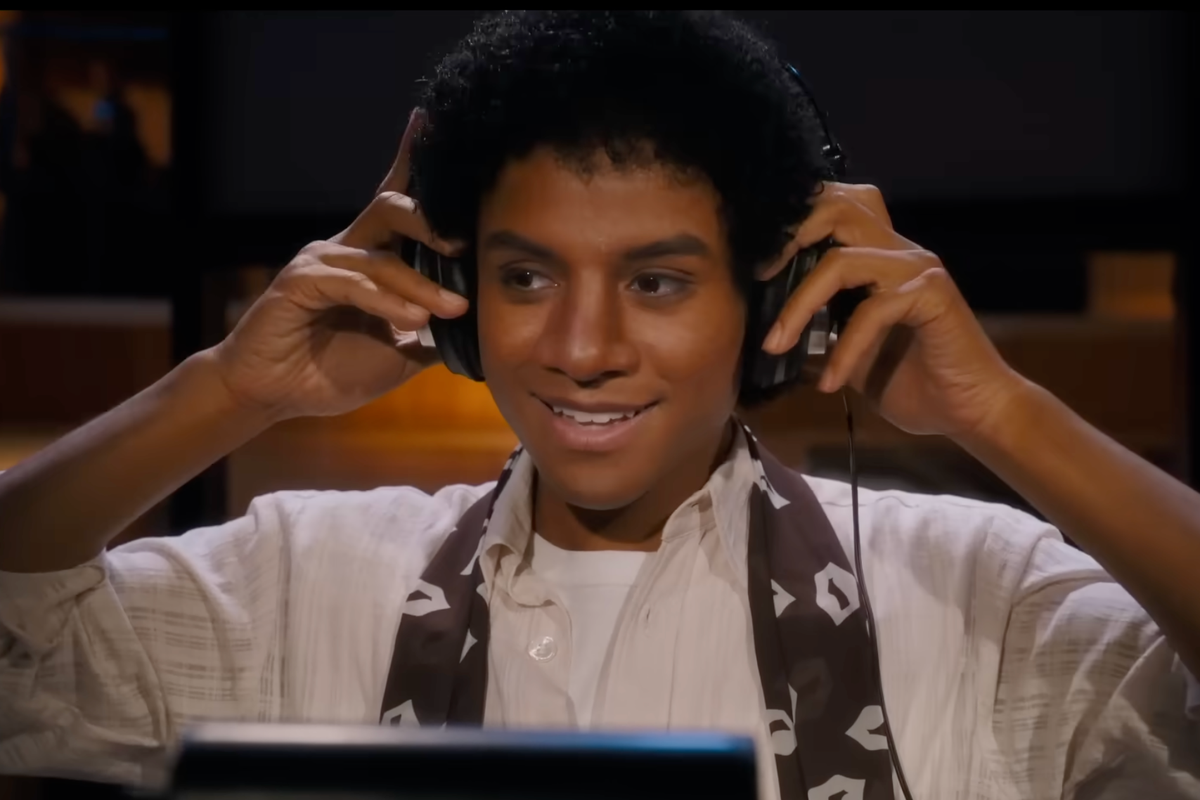
Why Jaafar Jackson’s Role in the Michael Jackson Biopic Matters Now
Lionsgate and Universal Pictures' major biographical film Michael, starring Jaafar Jackson as his uncle Michael Jackson, marks a pivotal moment for biographical cinema. Directed by Antoine Fuqua and produced by Graham King, the project...
Lionsgate and Universal Pictures' major biographical film Michael, starring Jaafar Jackson as his uncle Michael Jackson, marks a pivotal moment for biographical cinema. Directed by Antoine Fuqua and produced by Graham King, the project tests how modern Hollywood balances family legacy, estate involvement, uncanny performance authenticity, and complex cultural history on an unprecedented global scale.
Contents
The High Stakes of Antoine Fuqua’s Michael
The production of Michael represents one of the most commercially ambitious and culturally sensitive biopics in modern cinematic history. Helmed by director Antoine Fuqua (Training Day, The Equalizer) and written by three-time Academy Award nominee John Logan (Gladiator, The Aviator), the film arrives at a time when the entertainment industry is increasingly reliant on high-budget biographical dramas to draw global theatrical audiences. Following the massive box-office success of films like Bohemian Rhapsody and Elvis, Michael operates on an even larger canvas, backed by a massive production budget and international distribution through Universal Pictures alongside domestic distributor Lionsgate.
What makes this project distinct is the heightened level of scrutiny surrounding its subject. Michael Jackson remains one of the most influential musicians in human history, having fundamentally altered pop music, music video production, choreography, and global entertainment marketing. Simultaneously, his life was marked by extreme media sensationalism, personal isolation, physical transformations, and severe legal controversies. For director Antoine Fuqua and producer Graham King, crafting a feature-length narrative requires navigating these contrasting elements without flattening the historical reality of Jackson's life into pure hagiography or unexamined tabloid sensationalism.
The decision to tackle this story now reflects a broader media shift. As music catalogues trade hands for hundreds of millions of dollars—highlighted by Sony Music Group's acquisition of a major stake in Jackson's publishing and recorded music assets—the commercial value of preserving and contextualizing an artist's legacy has never been higher. The film serves not merely as entertainment, but as a defining cultural statement that will shape how younger generations understand Jackson's artistic contributions and tumultuous biography.
Casting Jaafar Jackson: Bloodline, Performance, and Authenticity
The central casting choice of Jaafar Jackson—the son of Jermaine Jackson and nephew of Michael Jackson—is the cornerstone of the film’s identity and artistic strategy. Selected after an exhaustive global search, Jaafar Jackson makes his feature film debut portraying his uncle across several decades of his career. This decision carries significant weight both artistically and symbolically.
- Jackson Family Artistic Heritage
- Jaafar Jackson Cast
- Physical & Vocal Fidelity
- Familial Nuance & Heritage
- Authentic Narrative Embodiment
- Jaafar Jackson Cast
Physical Precision and Choreographic Fidelity
One of the primary challenges of any musical biopic is overcoming the audience's natural disbelief when an actor attempts to imitate an iconic performer. In the case of Michael Jackson, whose dance vocabulary—from the moonwalk to complex syncopated routines—is etched into global pop culture, physical authenticity is paramount. Jaafar Jackson possesses an innate familiarity with his uncle’s movement patterns, vocal tone, and stage presence. Test footage and early production reports consistently highlight how Jaafar captures Jackson's specific kinetic energy and vocal inflections naturally, reducing the reliance on artificial mimicry or heavy digital alterations.
The Double-Edged Sword of Familial Legacy
While casting a family member ensures an exceptional level of physical and vocal fidelity, it also introduces creative and journalistic questions:
- Emotional Resonance: A relative brings a deep, organic understanding of the family’s internal dynamics, private mannerisms, and the personal pressures of growing up inside a musical dynasty.
- Perceived Objectivity: Critics and film historians question whether a family member can maintain narrative distance when depicting the darker, more troubled periods of Jackson's life.
- Performance Pressure: Carrying a multi-hundred-million-dollar production as a debut actor puts an immense burden on Jaafar Jackson to deliver a layered dramatic performance beyond physical impersonation.
By choosing Jaafar Jackson, the filmmakers opted for organic authenticity over star power. Rather than casting an established Hollywood A-lister who would require months of intensive movement coaching, the production chose an artist whose biological and musical lineage allows him to inhabit the role from within.
Structural Overview of the Production
To understand why this film holds such weight in the current cinematic landscape, it is helpful to examine the core production elements, creative team, and strategic framework established by Lionsgate and GK Films.
| Production Dimension | Details & Key Figures | Strategic and Cultural Significance |
|---|---|---|
| Lead Actor (Adult) | Jaafar Jackson | Preserves natural familial mannerisms, vocal cadence, and dance accuracy; marks a major acting debut. |
| Lead Actor (Young) | Juliano Krue Valdi | Captures the Jackson 5 era, establishing the psychological foundations of early childhood stardom. |
| Director | Antoine Fuqua | Brings visual grit, dramatic tension, and experience directing complex, larger-than-life characters. |
| Screenwriter | John Logan | Award-winning dramatist skilled at structuring expansive, multi-decade biographical narratives. |
| Producer | Graham King (GK Films) | Re-engages the biographical music genre following his immense global success with Bohemian Rhapsody. |
| Supporting Cast | Colman Domingo (Joe Jackson), Nia Long (Katherine Jackson), Miles Teller (John Branca) | Provides heavy dramatic support around Jaafar Jackson, anchoring the family and legal dynamics. |
| Distribution Strategy | Lionsgate (Domestic), Universal Pictures (International) | Signals a wide global theatrical commitment rather than a streaming-first release strategy. |
Navigating Narrative Complexity and Historical Controversy
A primary reason Michael matters right now is its necessity to address complex historical realities. The film cannot simply be a collection of concert re-creations; it must grapple with the intense pressures of unprecedented fame, racial identity in American media, medical struggles, and serious legal allegations that emerged during Jackson's later years.
Screenwriter John Logan faced the formidable task of structuring a narrative that honors the subject's artistic genius while directly confronting the personal controversies that defined his later life. The involvement of the Michael Jackson Estate—co-executors John Branca and John McClain serve as producers—has drawn close attention from media analysts. Biopics produced in cooperation with an estate frequently face scrutiny over narrative control and historical accuracy.
However, director Antoine Fuqua has repeatedly emphasized his commitment to presenting an unvarnished exploration of Jackson's life. The film explores:
- The Price of Early Childhood Stardom: The rigid discipline enforced by patriarch Joe Jackson (played by Oscar nominee Colman Domingo) and the psychological toll of transitioning from a child prodigy into an isolated adult superstar.
- Racial Barriers in Broadcast Media: How Jackson broke down structural racial barriers at MTV and established new economic paradigms for Black artists in global entertainment.
- Media Sensationalism and Isolation: The intense tabloid fixation on Jackson's changing physical appearance, private sanctuary at Neverland Ranch, and medical dependencies.
- Legal Controversies: The narrative framework surrounding the 1993 and 2003 allegations and subsequent trials, examining how public perception shifted dramatically during these periods.
The film's success will ultimately be measured by its willingness to treat its audience with intellectual maturity. If Michael delivers an honest, nuanced portrayal of a deeply flawed and uniquely gifted individual, it could set a new benchmark for how Hollywood approaches controversial cultural figures.
Economic and Industry Implications for Music Biopics
The release of Michael occurs within a rapidly evolving film economy. Streaming platforms have altered viewing habits, making large-scale theatrical releases increasingly dependent on major event titles. The music biopic has emerged as one of the few non-superhero genres capable of drawing massive multi-generational audiences to theaters worldwide.
Catalogue Value and Cross-Media Synergies
Music publishers and record labels view biographical films as premier marketing engines. A successful biopic re-introduces an artist's discography to streaming platforms, exposing classic tracks to Gen Z and Alpha audiences. Following the release of prior music biopics, streaming numbers for the featured artists routinely experienced triple-digit percentage increases. For the Michael Jackson estate and Sony Music, Michael represents a global event that reinvigorates streaming streams, publishing royalties, and physical merchandise sales.
- Theatrical Film Release
- Global Streaming Spikes
- Catalogue Monetization
- Long-Term Brand Equity
The Standard for Future Estate-Backed Films
If Michael achieves both critical acclaim and commercial success, it will validate the high-budget model for music biopics. Hollywood studios will be far more likely to greenlight complex, expensive multi-decade stories about iconic musical figures. Conversely, if the film fails to strike a balance between celebration and critical distance, it may highlight the inherent limitations of estate-backed biographical filmmaking, prompting studios to rethink how much access and creative control estates should hold.
Frequently Asked Questions
Who plays Michael Jackson in the biopic Michael?
Jaafar Jackson, the real-life nephew of Michael Jackson and son of Jermaine Jackson, plays the lead role of adult Michael Jackson. Young Michael Jackson during the Jackson 5 era is portrayed by child actor Juliano Krue Valdi.
Why is Jaafar Jackson’s casting considered significant?
Jaafar Jackson brings organic vocal and physical fidelity to the role due to his lifelong familiarity with the Jackson family's musical heritage and movement style. His casting prioritizes natural choreographic accuracy and genuine family mannerisms over traditional Hollywood star casting.
Who is directing and producing the Michael Jackson movie?
The film is directed by Antoine Fuqua (Training Day, The Equalizer) and produced by Graham King (Bohemian Rhapsody), with a screenplay written by John Logan (Gladiator, The Aviator). John Branca and John McClain serve as producers representing the Michael Jackson Estate.
How does the movie handle Michael Jackson's controversies?
The filmmakers have stated that the narrative covers all aspects of Jackson's life, including his complex childhood, extreme fame, medical issues, and the high-profile legal controversies of his later years. The production aims to provide a comprehensive dramatic portrayal rather than omitting difficult historical chapters.
Who else stars in the supporting cast of Michael?
The supporting cast features Colman Domingo as patriarch Joe Jackson, Nia Long as matriarch Katherine Jackson, Miles Teller as entertainment attorney and estate co-executor John Branca, Laura Harrier as Suzanne de Passe, and Kat Graham as Diana Ross.
What to Watch For Moving Forward
As Michael approaches its global theatrical rollout, industry observers and filmgoers should pay close attention to several critical factors:
- Performance Depth: How effectively Jaafar Jackson transitions from jaw-dropping musical re-creations to emotionally demanding dramatic scenes depicting Jackson's private vulnerabilities.
- Narrative Balance: Whether John Logan’s script maintains an objective, nuanced tone that acknowledges both Jackson's historic artistic achievements and his complicated personal life.
- Box Office and Streaming Impact: The degree to which the film drives global theatrical revenue and reshapes catalog consumption across digital streaming platforms worldwide.
Ultimately, Michael matters because it represents a definitive test case for modern cinema: whether Hollywood can craft a mature, visually stunning, and historically honest portrait of the world's most complex pop icon while keeping the artistry at the center of the screen.
Image Gallery