What the Miami Medical Billing and Coding Program Offers: Curriculum, Certifications, and Career Pathways
A Miami medical billing and coding program provides practical training in diagnostic and procedural coding systems (ICD-10-CM, CPT, HCPCS Level II), healthcare compliance, medical terminology, and insurance reimbursement software. Thes...
A Miami medical billing and coding program provides practical training in diagnostic and procedural coding systems (ICD-10-CM, CPT, HCPCS Level II), healthcare compliance, medical terminology, and insurance reimbursement software. These programs prepare students for national certification exams—such as AAPC’s Certified Professional Coder (CPC) or AHIMA’s Certified Coding Specialist (CCS)—qualifying graduates for entry-level health information jobs across South Florida’s major hospital networks, clinics, and private billing agencies.
Contents
Overview of Medical Billing and Coding in South Florida
The healthcare sector in South Florida, driven by large hospital networks, specialized outpatient clinics, and a high volume of Medicare-eligible patients, relies heavily on qualified health information professionals. Medical billers and coders act as the financial bridge between healthcare providers, patients, and insurance companies (third-party payers).
While the terms "billing" and "coding" are often grouped together, they describe two distinct functions within the revenue cycle:
- Medical Coding: Translating clinical documentation—such as physician notes, operative reports, diagnostic imaging, and laboratory results—into standardized alphanumeric codes.
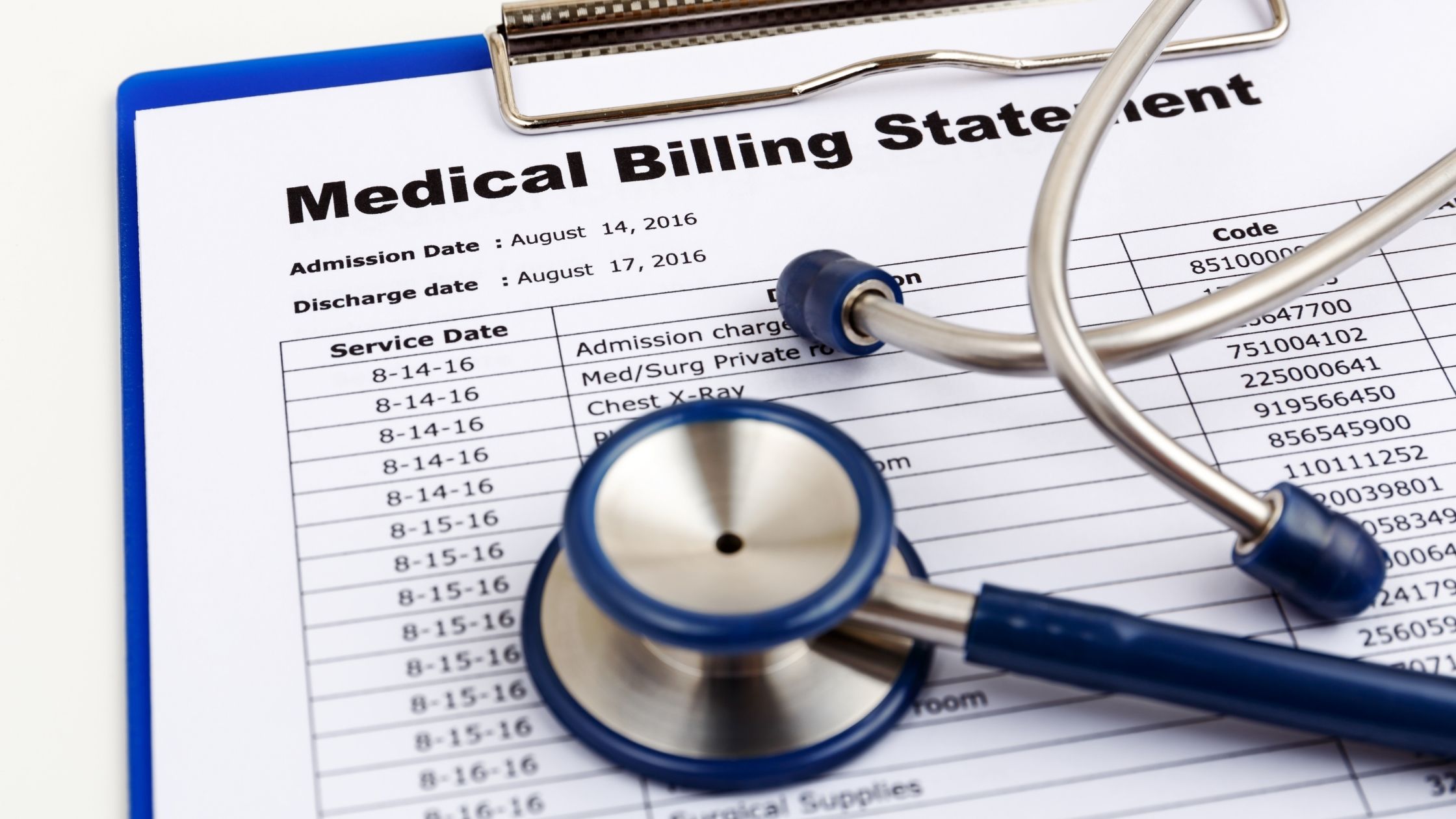
- Medical Billing: Utilizing those codes to generate claims, submit them to insurance carriers, track payment progress, process denials, and bill patients for remaining balances.
Educational institutions across Miami-Dade County, including community colleges, vocational technical institutes, and private universities, structure their programs to cover both disciplines simultaneously. This dual focus ensures graduates are versatile enough to work in specialized single-role positions or dual-role administrative settings.
Core Curriculum and Skill Development
Comprehensive programs offered by institutions in Miami are designed to transition students from foundational medical science to advanced claim processing software. Program lengths range from 6-month intensive certificates to 2-year Associate of Science (A.S.) degrees in Health Informatics Management.
Core Training Pipeline:
- Foundations
- Medical Terminology
- Anatomy & Physiology
- Pathology & Pharmacology
- Coding Systems
- ICD-10-CM / ICD-10-PCS
- CPT (Current Procedural)
- HCPCS Level II
- Revenue Cycle
- Claim Submission
- Denial Management
- EHR & Software
1. Medical Terminology, Anatomy, and Physiology
Before assigning codes, students must understand clinical documentation. Programs devote significant coursework to human anatomy, body systems, pathology (disease processes), and pharmacology. Students learn to decipher complex medical charts, understand surgical techniques, and recognize pharmaceutical treatments to select appropriate code sets accurately.
2. Standardized Coding Systems
The technical core of any medical coding curriculum covers three primary code sets used throughout the United States healthcare system:
- ICD-10-CM (International Classification of Diseases, 10th Revision, Clinical Modification): Used to classify diagnoses, symptoms, and cause of injury across all healthcare settings.
- ICD-10-PCS (Procedure Coding System): Used primarily in inpatient hospital settings to code complex surgical and inpatient procedures.
- CPT (Current Procedural Terminology): Maintained by the American Medical Association (AMA), this code set reports outpatient medical, surgical, diagnostic, and therapeutic services.
- HCPCS Level II (Healthcare Common Procedure Coding System): Used to report supplies, equipment, prosthetics, ambulance services, and medications not covered in CPT.
3. Revenue Cycle Management and Health Insurance Billing
Billing coursework focuses on the financial mechanics of healthcare practices. Students learn how to navigate commercial plans (e.g., Florida Blue, Aetna, Humana), government payers (Medicare and Medicaid), and workers' compensation. Key topics include:
- Completing standard claim forms, such as the CMS-1500 (for professional claims) and UB-04 / CMS-1450 (for institutional claims).
- Understanding Explanation of Benefits (EOB) and Electronic Remittance Advice (ERA) statements.
- Managing claim rejections, appeals, and denial management workflows.
- Patient collections, payment plan structuring, and compliance with the Fair Debt Collection Practices Act.
4. Regulatory Compliance, HIPAA, and Ethics
Programs emphasize legal standard operating procedures within health informatics. Key topics include the Privacy and Security Rules under the Health Insurance Portability and Accountability Act (HIPAA), federal anti-fraud legislation (such as the False Claims Act and Stark Law), and official coding compliance guidelines to prevent upcoding or unbundling.
5. Health Information Technology (HIT) and EHR Software
Students gain hands-on experience using Electronic Health Record (EHR) and practice management software popular in South Florida facilities, such as Epic, Cerner, and eClinicalWorks. Training includes entering patient demographics, verifying insurance eligibility electronically, entering charges, and running clearinghouse scrubbers to detect claim errors prior to submission.
National Certification Preparation
Although Florida does not require state licensing for medical billers and coders, national certification is standard for employment in reputable Miami healthcare networks. Accredited programs structure their curriculum around the examination content outlines set by major credentialing organizations.
Students and prospective candidates can review formal exam blueprints directly through the American Academy of Professional Coders (AAPC) and the American Health Information Management Association (AHIMA).
Primary Credentials Prepared For:
- Certified Professional Coder (CPC) – Offered by AAPC: The gold standard for outpatient coding, physician practices, and multi-specialty clinics.
- Certified Coding Associate (CCA) / Certified Coding Specialist (CCS) – Offered by AHIMA: The CCS is widely recognized for mastery in hospital inpatient and outpatient coding environments.
- Certified Professional Biller (CPB) – Offered by AAPC: Focuses specifically on insurance claim preparation, reimbursement methodologies, collections, and denial resolution.
- Certified Billing and Coding Specialist (CBCS) – Offered by NHA: An entry-level credential validating basic competency across both billing and coding routines.
Many Miami programs include certification exam review modules, practice mock exams, and voucher options for exam fees directly within their tuition structure.
Comparison of Program Pathways in Miami
Prospective students in Miami can choose from vocational certificates, college credit certificates (CCC), and associate degrees based on their career timeline and budget.
| Feature / Metric | Vocational Certificate | College Credit Certificate (CCC) | Associate of Science (A.S.) Degree |
|---|---|---|---|
| Typical Duration | 4 to 8 months | 1 year (approx. 30–37 credits) | 2 years (approx. 60 credits) |
| Primary Focus | Rapid workforce entry; core billing & coding skills | Focused academic credits; transferrable coding mastery | Comprehensive health informatics, leadership, general education |
| Target Certification | CPC-A, CBCS | CPC, CCS-P, CCA | CPC, CCS, RHIT (if accredited by CAHIIM) |
| Typical Setting | Adult education centers, private trade schools | Community colleges (e.g., Miami Dade College) | Community colleges & universities |
| Clinical Internship | Optional / Varies | Often included | Standard component |
| Ideal For | Quick career changes on tight schedules | Fast-track academic qualification | Long-term career progression into supervision or management |
Job Outlook and Local Industry Employers in Miami
The South Florida region maintains a high demand for skilled medical coders and billers due to its demographic profile, which includes a large senior population requiring frequent medical interventions and long-term care management.
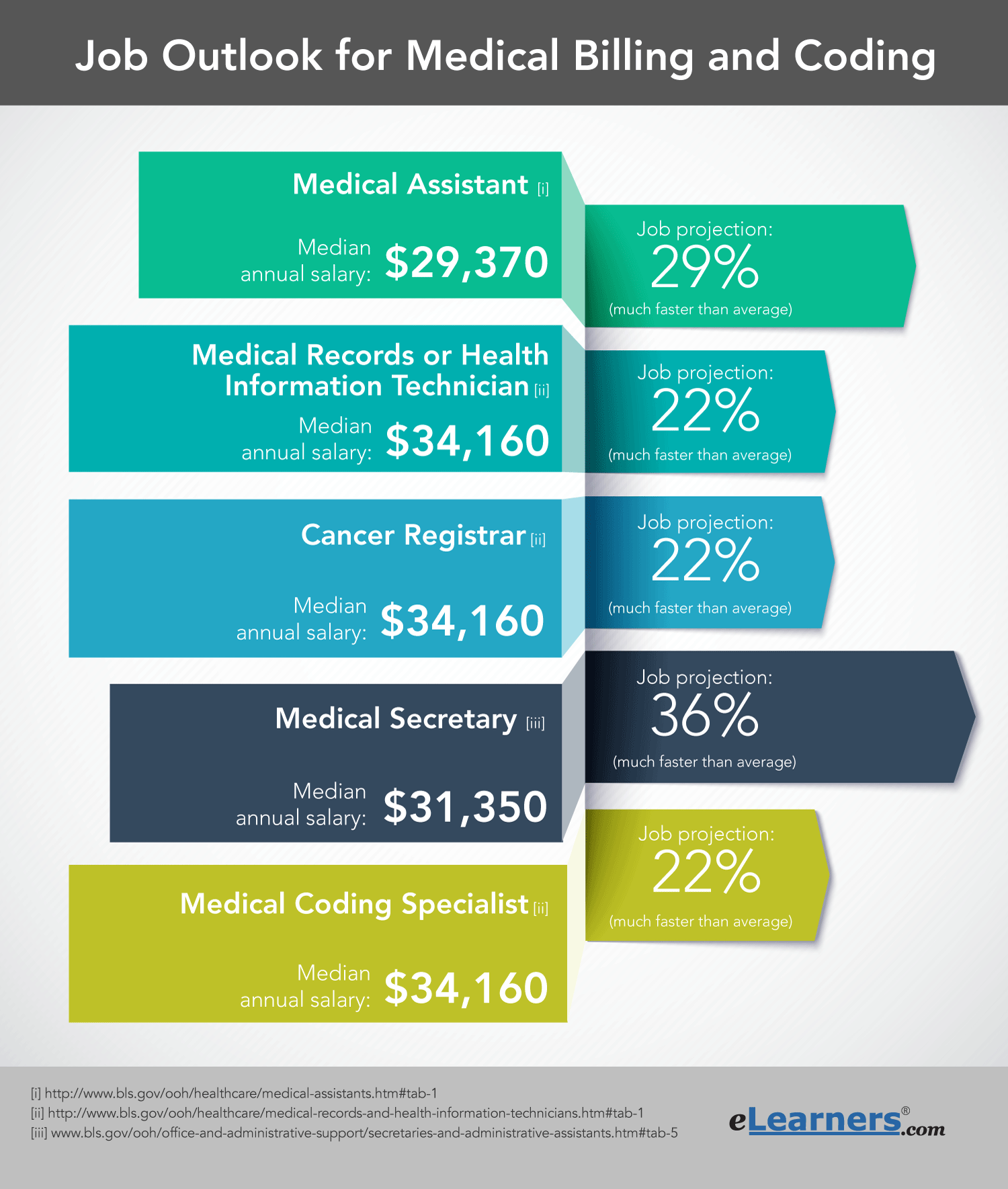
According to data published by the U.S. Bureau of Labor Statistics, employment for health information specialists and medical registrars continues to grow steadily, driven by the expanding adoption of health data analytics and complex billing compliance mandates.
Miami Healthcare Job Market Ecosystem:
- Health Systems & Hospitals
- Jackson Health System
- Baptist Health South FL
- UHealth (Univ. of Miami)
- Specialty Outpatient Clinics
- Dental & Surgical Centers
- Multi-Specialty Groups
- Urgent Care Networks
- Third-Party Firms
- Revenue Cycle Cos
- Billing Agencies
- Insurance Payers
Major Regional Employers:
- Jackson Health System: One of the nation's largest public hospital networks, utilizing vast teams of inpatient and outpatient coding specialists.
- Baptist Health South Florida: A major non-profit healthcare organization operating numerous hospitals and outpatient facilities throughout Miami-Dade and Broward counties.
- UHealth – University of Miami Health System: Integrates academic research with clinical care, requiring coders experienced in specialized medical fields and clinical trials.
- Nicklaus Children’s Hospital: Specializes in pediatric coding, offering niche opportunities for coders trained in complex pediatric specialties.
- Independent Billing Companies & Management Agencies: Numerous private revenue cycle management firms based in Coral Gables, Doral, and Downtown Miami contract billing services to private practices across North America.
Admission Requirements and Financial Planning
Admissions Prerequisites
While entry requirements vary by institution, general prerequisites for medical billing and coding programs in Miami typically include:
- A high school diploma, GED certificate, or recognized equivalent.
- Demonstrated proficiency in basic computer operation and keyboarding speed.
- Basic English literacy and comprehension skills (placement testing, such as PERT or TABE, may be required at public institutions).
- Background checks and drug screenings (primarily required for programs that include clinical practicums at local hospitals).
Financial Aid and Tuition Considerations
Costs range widely depending on institution type:
- Public Technical Institutes & Community Colleges: Generally offer the lowest tuition rates per credit hour for in-state Florida residents. Federal financial aid (FAFSA) including Pell Grants and Direct Student Loans can often be applied to accredited college-credit programs.
- Private Career Colleges: Higher overall tuition, but often feature rolling admissions start dates, accelerated timelines, and bundled exam vouchers.
Students are encouraged to verify whether an institution holds regional accreditation and whether the program curriculum is aligned with national credentialing bodies like AAPC or AHIMA before enrolling.
Common Challenges and How Miami Programs Address Them
Transitioning into health information management presents specific hurdles for prospective students. Structured educational programs incorporate targeted solutions to address these learning curves:
Complex Guidelines and Annual Code Updates
- Challenge: ICD-10, CPT, and HCPCS code sets undergo official updates every October 1st and January 1st.
- Program Solution: Curricula teach students how to navigate official codebooks, use electronic encoder tools, and research updates through official CMS (Centers for Medicare & Medicaid Services) bulletins rather than relying on memorization.
Bridging the Gap Between Theory and Practical Work
- Challenge: New graduates frequently face job ads requesting 1–2 years of practical experience.
- Program Solution: Many Miami programs offer simulated clinical externships or hands-on practice modules using real, anonymized patient medical records. Additionally, passing the AAPC CPC exam grants the Apprentice (CPC-A) designation, which can be partially offset by completing accredited educational coursework.
Frequently Asked Questions
Can I complete a Miami medical billing and coding program entirely online?
Yes. Many colleges and trade schools based in Miami offer fully online or hybrid tracks. Online programs typically combine asynchronous coursework (lecture recordings and assignments) with live virtual lab sessions for code application and EHR simulation software.
How long does it take to complete the program?
Program duration depends on the credential pursued. Fast-track vocational certificates can be completed in 4 to 8 months. College Credit Certificates usually take approximately 1 year, while an Associate of Science degree requires 2 years of full-time study.
What is the difference between a medical biller and a medical coder?
A medical coder analyzes medical records and assigns standardized clinical codes (ICD-10, CPT, HCPCS) to describe services rendered. A medical coder hands those codes off to the medical biller, who inputs them into claims, submits them to insurance companies, tracks payment processing, and bills patients for remaining deductibles or copays.
Do I need a college degree to work as a medical coder in Miami?
No, a college degree is not legally required. Most entry-level positions require a high school diploma, formal post-secondary training from an accredited certificate program, and a recognized national credential (such as AAPC’s CPC or AHIMA’s CCS). However, an Associate degree can broaden career options for administrative and supervisory roles.
Does the program cost include national certification exam fees?
Coverage varies by institution. Many private institutions and community college certificates bundle the cost of student membership and initial exam vouchers (for AAPC, AHIMA, or NHA) into total program fees. Students should confirm fee breakdowns with admissions advisors prior to enrollment.
Practical Recommendations for Prospective Students
To maximize career outcomes when choosing a medical billing and coding program in Miami:
- Verify Accreditation and Credentials: Confirm that the institution is accredited by a recognized agency and that its program explicitly prepares students for national exams through AAPC or AHIMA.
- Evaluate Hands-On Software Access: Ensure the program provides hands-on practice with commercial encoder tools and real-world Electronic Health Records (EHR) software platforms.
- Inquire About Career Services and Local Partnerships: Ask admissions representatives about local clinical placement options, resume assistance, and direct connections to major regional employers like Baptist Health, UHealth, or Jackson Health.
- Confirm the Program Version: Verify that all instruction relies on current code sets and billing regulations to ensure seamless transition into professional healthcare environments.
Image Gallery