Rare Old Pictures of Lisa Marie Presley in Archives: Access, History, and Visual Research
Rare archival pictures of Lisa Marie Presley offer a unique historical record of her life as rock royalty, philanthropist, and musician. These photos are primarily preserved across major news wire services, private corporate collection...
Rare archival pictures of Lisa Marie Presley offer a unique historical record of her life as rock royalty, philanthropist, and musician. These photos are primarily preserved across major news wire services, private corporate collections like the Graceland Archives, and regional Tennessee historical repositories. Researching these images requires navigating specialized databases, press libraries, and historical media collections.
Contents
The Historical Importance of Archival Photography of Lisa Marie Presley
Photographs of Lisa Marie Presley capture a rare intersection of twentieth-century celebrity culture, music history, and private family life. Born in Memphis, Tennessee, in February 1968 to Elvis and Priscilla Presley, her earliest visual record was created under intense international media attention. Unlike contemporary celebrities whose images are continuously self-documented via digital platforms, Lisa Marie Presley’s early visual archive consists primarily of physical press photographs, original 35mm film prints, medium-format studio negatives, and private family snapshot collections.
Archival images document key cultural shifts across several decades. The photography from her early childhood (1968–1977) captures the intimate domestic setting of the Graceland estate alongside high-profile public appearances alongside her father. Following the death of Elvis Presley in August 1977, the photographic record shifted. The press coverage during her teenage years and early adulthood reflected a deliberate effort by her mother, Priscilla Presley, to maintain personal privacy away from constant paparazzi scrutiny.
By the 1990s and early 2000s, as Lisa Marie Presley stepped into the public spotlight to manage Elvis Presley Enterprises (EPE), pursue her own recording career, and engage in high-profile charitable causes, the volume of archival press photography expanded dramatically. Understanding where these images reside and how they were cataloged is essential for biographical researchers, music historians, documentary filmmakers, and photo archivism specialists.
Principal Archives and Repositories Preserving Presley Photography
Finding rare visual materials requires accessing different types of historical repositories. Photography of Lisa Marie Presley is split between commercial news syndication archives, private corporate estates, public institutions, and regional print media collections.
- Commercial Wire Agencies (Getty Images, AP, Reuters)
- Corporate & Estate Archives (Graceland Archives / EPE)
- Magazine & Photojournalism Archives (LIFE Picture Collection)
- Regional Historical Libraries (Memphis Public Library, TSLA)
1. The Graceland Archives and Elvis Presley Enterprises (EPE)
The primary private repository for candid, unreleased, and family photographs of Lisa Marie Presley is managed by Elvis Presley Enterprises at Graceland in Memphis. This archive contains home photo albums, custom color slides, personal 8mm home movie stills, and estate records that were never distributed to syndication agencies.
Access to the physical Graceland Archives is restricted to estate curators, official biographers, and approved archival researchers. Selected rare images from this collection are periodically displayed within permanent and rotating exhibits at the Graceland visitor complex or published in authorized retrospective books.
2. Commercial News Wire Agencies and Syndication Libraries
For public events, press conferences, and red-carpet photography, major commercial image licensing platforms maintain vast indexed digital databases:
- Getty Images / Hulton Archive: Holds extensive visual records, incorporating legacy photographic collections such as the Corbis Historical Collection, Sygma, Gamma-Liason, and WireImage. This includes wire photos of Lisa Marie's infancy, childhood arrivals at airports, and public appearances throughout the 1980s, 1990s, and 2000s.
- Associated Press (AP Newsroom Archive): Contains hard news wire photos dispatched worldwide from 1968 onward. AP Images holds historical press pictures from major milestones, such as hospital exits following her birth, press statements, and public ceremonies.
- Reuters Pictures: Features international press agency photography documenting her European appearances, music release tours, and charity events from the late 1980s through the 2020s.
3. Print Media and Magazine Archives
Major photojournalism publications of the 20th century conducted dedicated photo shoots and covered family milestones. The LIFE Picture Collection (accessible through specialized licensing channels) retains physical contact sheets, color transparencies, and black-and-white print negatives captured by prominent photojournalists during visits to Memphis and Los Angeles. Additionally, fashion and lifestyle publication archives such as Look Magazine, People, and international editorial publications preserve outtakes that never appeared in print.
4. Tennessee Regional Libraries and Historical Collections
Local newspaper libraries provide a unique regional perspective on Lisa Marie Presley’s early life that national wire services often missed.
- The Memphis Public Library (Memphis and Shelby County Room): Houses local history collections containing original photographic prints and microfilmed press coverage from local newspapers.
- The Commercial Appeal Archives: Memphis’s primary historical newspaper documented the Presley family's daily activities, charitable contributions, and private local visits.
- Tennessee State Library and Archives (TSLA): Maintains state-level cultural collections, civil registry images, and public media files related to the Presley family's economic and cultural impact on Tennessee.
Comparative Analysis of Archival Image Collections
The following table summarizes the primary archival repositories holding rare photographs of Lisa Marie Presley, detailing their collection scope, access methods, and typical licensing requirements:
| Archive / Repository | Primary Types of Photos Held | Historical Eras Covered | Access Level & Research Method | Licensing & Usage Restrictions |
|---|---|---|---|---|
| Graceland Archives (EPE) | Personal family albums, private candid snapshots, home movie frames | 1968–2023 (Focus: 1968–1977) | Private estate archive; by institutional permission only | Strictly controlled by Elvis Presley Enterprises |
| Getty Images (Hulton Archive) | Editorial press photos, red-carpet events, syndicated news negatives | 1968–2023 | Public searchable digital database | Rights-managed commercial and editorial licensing fees apply |
| Associated Press (AP Newsroom) | Wire service press photography, news conference stills | 1968–2023 | Digital subscription or individual press licensing | Editorial usage fees; restricted to non-commercial news/documentary use |
| LIFE Picture Collection | Professional photojournalism outtakes, medium-format transparency slides | 1968–1990s | Searchable catalog via designated commercial distributors | Custom licensing fees based on publication scope |
| Memphis Public Library / Local Papers | Local community visits, regional news coverage, local candid prints | 1968–2000s | On-site physical research room / regional digital portal | Educational and non-profit fair use options; print duplication fees |
Historical Eras in Archival Presley Photography
Researchers looking for specific visual records must categorize their searches according to distinct chronological eras in Lisa Marie Presley’s life. Each period is defined by different photographic technologies, archival sources, and privacy contexts.
- 1968–1977: Childhood at Graceland
- 1978–1989: Private Youth & Transition
- 1990–2000s: Public Era & Music Debut
- 2010s–2023: Career Retros. & Philanthropy
Childhood and Graceland Years (1968–1977)
The visual documentation from 1968 through August 1977 consists largely of two photographic styles: institutional hospital press photos from her birth at Baptist Memorial Hospital in Memphis, and intimate, candid family prints taken at Graceland or during family vacations in Hawaii and California.
Key photographic formats from this era include 35mm Ektachrome and Kodachrome color slides, black-and-white 8x10 glossy promotional prints, and 126-format consumer camera film prints used by family members. Rare photos from this era frequently surface in personal collections of former Graceland staff, bodyguards, and family friends, which occasionally transition into public archives or auction houses.
Private Youth and Adolescence (1978–1989)
Following Elvis Presley's passing, Priscilla Presley deliberately limited Lisa Marie's public exposure to ensure a normal upbringing in Southern California. Consequently, the volume of archival photography drops significantly during the late 1970s and 1980s.
Rare visual items from this decade include:
- Private school photos and equestrian competition photography.
- Selected charity appearance press photos in Los Angeles and Memphis.
- Archival imagery from legal and estate management proceedings concerning the opening of Graceland to the public in 1982.
High-Profile Public Era and Music Career (1990s–2000s)
Beginning in the early 1990s, Lisa Marie Presley became an active public figure, leading to an explosion of professional press photography. Archives from this period transition heavily from traditional physical prints to high-resolution digital press distribution formats.
Key visual sub-collections include:
- International press conferences regarding Elvis Presley Enterprises and Graceland development projects.
- Red-carpet gala appearances, charity foundation galas (such as the Elvis Presley Charitable Foundation), and award ceremonies.
- Professional studio portraiture and stage photography surrounding the release of her solo studio albums (To Whom It May Concern in 2003, Now What in 2005, and Storm & Grace in 2012).
How to Research and Verify Rare Archival Photographs
Conducting historical image research requires strict verification to ensure that photographic prints are authentic, accurately dated, and properly credited.
1. Evaluating Physical Provenance and Metadata
When examining physical photographs from archival collections, researchers should examine the physical reverse side (verso) of the print:
- Press Wire Stamps: Original wire photographs distributed by AP, UPI, or local papers typically feature typed paper captions glued to the back (caption slugs), along with date stamps and photographer credits.
- Paper Stock Markings: Authentic prints from the 1960s and 1970s frequently feature manufacturer watermarks on the back, such as legacy "Kodak Paper" logos, which changed patterns across different decades.
- Digital Metadata (EXIF/IPTC): For digitized archival files, check the IPTC metadata embedded within the file. Standard cataloging metadata includes original creation dates, camera specifications, original photographer credits, and distribution captions.
2. Utilizing Advanced Search Identifiers
When searching digitized archive databases like Getty Images, the Associated Press, or the Library of Congress, general keyword queries often return thousands of generic results. Narrow search criteria by using specific archival metadata tags:
- Use precise date ranges (e.g.,
1968-02-01 TO 1968-02-10for birth coverage). - Search by specific photographers known to have documented the family, such as Charles Nicholas, Dave Darnell, or Robert Dye.
- Query legacy collections using agency-specific press codes (e.g., searching specifically within the Hulton Archive or Sygma sub-collections).
3. Understanding Copyright and Licensing Clearances
Finding a rare archival photo does not automatically grant the right to publish or reproduce it. Researchers must distinguish between ownership of a physical print and ownership of the underlying copyright.
- Editorial Licensing: Commercial image databases require users to license images based on specific media projects (e.g., print books, digital media, or film documentaries).
- Public Domain Status: Very few photographs of Lisa Marie Presley are in the public domain, as most were taken after copyright protection standards were established under modern intellectual property laws.
- Fair Use vs. Commercial Rights: Academic research, scholarly publications, and news reporting may qualify for fair use exceptions under copyright law, but commercial use requires clearance from both the copyright holder (photographer or agency) and the right of publicity manager (Elvis Presley Enterprises / Estate).
Avoiding Common Misidentifications in Digital Repositories
Digital databases and online media contain numerous misidentified or altered photographs. Archival researchers should watch out for several standard errors:
- AI-Generated Images and Modern Digital Recreations: Synthetic media tools can generate realistic retro-style images. Always cross-reference suspected archival images against trusted database registries like AP Images or established print collections.
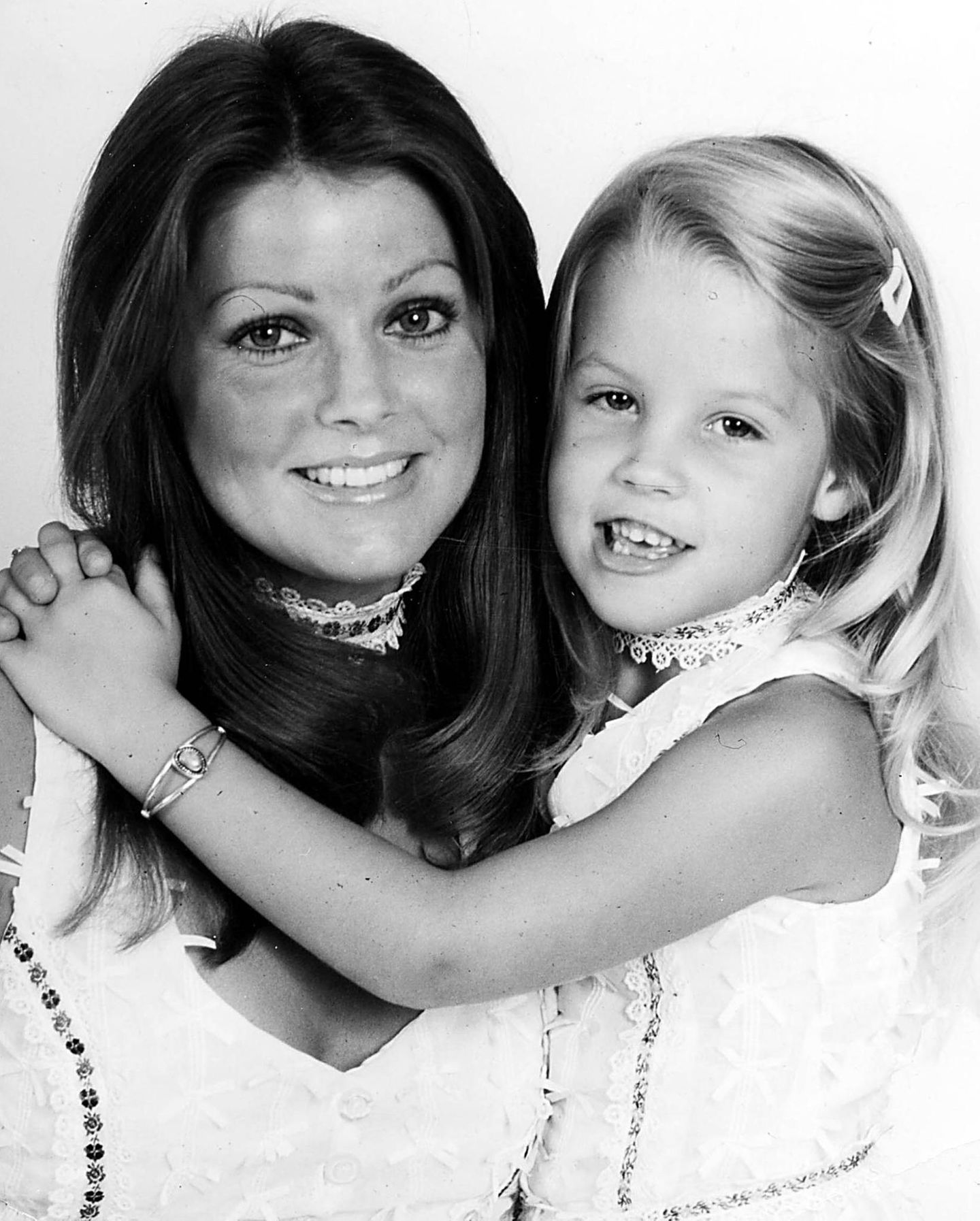
- Confusing Family Members: Images of Priscilla Presley from the early 1960s are occasionally mislabeled as Lisa Marie Presley due to facial similarities. Check the date of original publication to confirm the subject.
- Unverified Fan Prints vs. Press Wire Originals: Fan-captured photographs taken at Graceland gates or concert venues often lack precise dates, accurate locations, or professional photographic provenance. Cross-reference venue dates with historical itineraries preserved by Elvis Presley Enterprises or local newspaper reports.
Frequently Asked Questions
Where can researchers view unreleased private family photos of Lisa Marie Presley?
Unreleased private family photos are primarily maintained in the private Graceland Archives managed by Elvis Presley Enterprises in Memphis, Tennessee. Access to these non-syndicated materials is restricted to official estate curators, authorized biographers, and credentialed scholars with approved research requests.
Are photographs of Lisa Marie Presley in the public domain?
No. Because Lisa Marie Presley was born in 1968, virtually all professional press wire photos, studio portraits, and candid magazine images of her remain under active copyright protection. Reproducing these images requires commercial licensing or formal permission, except where limited academic fair use applies.
How can I search regional news archives in Tennessee for rare photos?
You can search regional collections through digital portals such as the Memphis Public Library Digital Collections or by making on-site appointments at the Tennessee State Library and Archives. Microfilmed copies of historical newspapers like The Commercial Appeal hold regional press photos that were never digitized for national wire services.
What is the difference between a wire photo slug and a standard photographic print?
A wire photo slug is a text description printed or pasted onto the physical photograph (or embedded digitally) by news agencies like AP or UPI. It details the event name, date, location, photographer, and copyright holder, providing verifiable provenance that standard uncaptioned prints lack.
How do photo archives index early pictures of Lisa Marie Presley?
Major image archives index pictures using IPTC metadata tags containing specific event names, precise date stamps, primary and secondary subject names, photographer credits, and legacy agency accession numbers. Searching by specific dates or photographer names yields more accurate results than standard broad keyword searches.
Next Steps for Archival Research
To conduct a thorough research project involving rare historical photos of Lisa Marie Presley, follow this clear action plan:
- Define Your Research Parameters: Determine the specific historical timeframe (e.g., early childhood 1968–1977 vs. career debut 2000s) and intended project format (academic paper, documentary publication, or historical compilation).
- Consult Major News Wire Databases: Begin digital discovery using professional licensing portals such as Getty Images and the AP Newsroom. Filter searches using exact date bounds and legacy photographer attributes.
- Engage Local Repositories: Contact the Memphis Public Library’s Memphis and Shelby County Room or the Tennessee State Library and Archives to query regional newspaper collections for un-syndicated local photographs.
- Submit Formal Archival Access Requests: For institutional, academic, or professional media projects requiring private family images, submit a formal research proposal directly to the Graceland Archives curatorial team or Elvis Presley Enterprises legal departments.
- Verify Provenance and Secure Licensing: Inspect print Versos or EXIF metadata to verify creation dates and origin agencies before securing publication clearance from copyright holders.
EDITORIAL CATEGORY METADATA:
Image Gallery